Law and regulationEvent
Switzerland: end of feed-in tariffs, agricultural biogas with a grant of up to 60% of the investment
After 2022 Switzerland is replacing feed-in tariffs with investment contributions: 60% of costs for agricultural biogas plants, 40% for wood-based ones and 20% for landfill gas and wastewater treatment plants (ARA).
Other language versions: polski.
Switzerland has decided to move away from the model in which a biogas producer receives a fixed rate per kilowatt-hour, and has chosen an investment grant. This is a different philosophy from that in Poland or Germany: the state finances part of the construction costs, and energy is sold at market prices.
The parliament's decision
On 1 October 2021 the parliament decided to replace feed-in tariffs with investment contributions. The tariff system expires at the end of 2022, and for installations already in operation support continues on the existing terms. For biomass, contributions to operating costs were also added.
Draft regulations (consultation from 30 March 2022)
The government sent for consultation draft regulations that were to enter into force at the beginning of 2023. The proposed investment contributions for biogas:
| Type of installation | Contribution to eligible costs |
|---|---|
| biogas from agricultural biomass | 60% |
| biogas from wood and other | 40% |
| wastewater treatment plants (ARA), sludge incinerators, landfill gas | 20% |
Contributions to biomass operating costs are paid quarterly per kWh fed into the grid; the amount depends on the type of installation and the capacity class. The consultation is to run until 8 July 2022, and the support instruments are to apply until the end of 2030.
What this means in practice
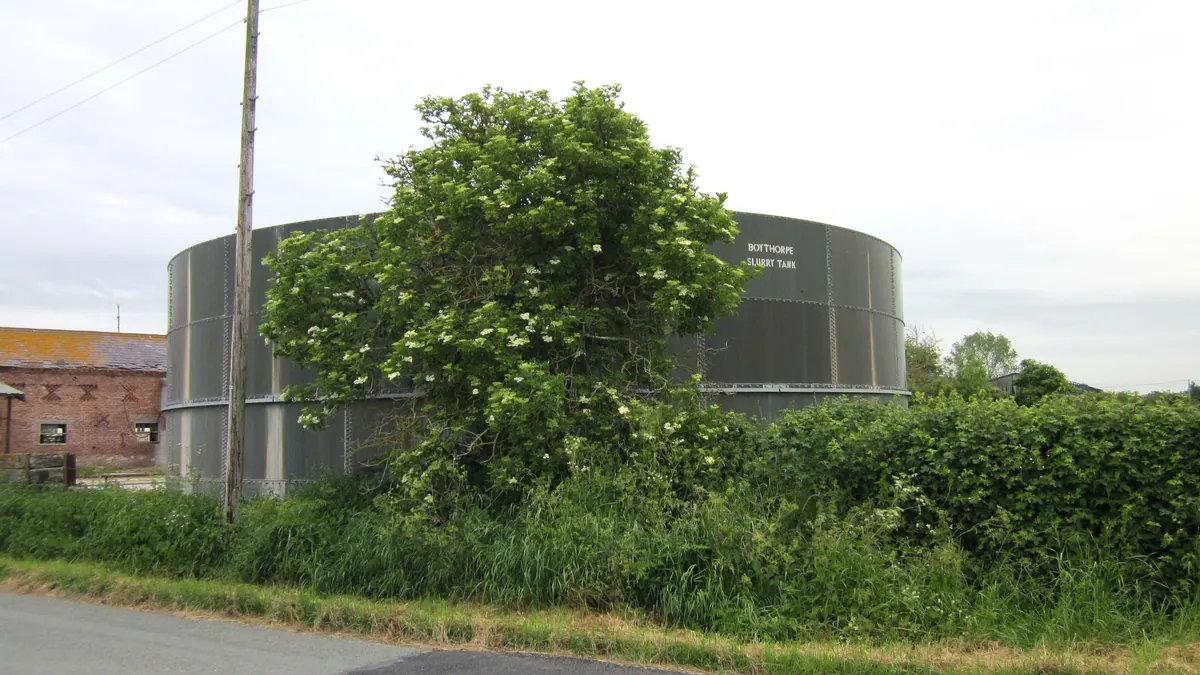
- Farms building a biogas plant on manure and slurry can receive the largest share of the grant.
- Installations using landfill gas and those at wastewater treatment plants receive less, because they have other sources of financing and lower feedstock costs.
- Revenue from energy is not guaranteed: it depends on the market price.
The rates of the operating-cost contributions in rappen per kWh are not given here.
The difference compared with a tariff
An investment grant changes the economics. With a feed-in tariff a bank assesses a predictable revenue stream, whereas with an investment contribution part of the capital is returned immediately after construction is completed. On the other hand, revenue from energy depends on the market, and profitability on electricity prices and on operating costs, which the operating contributions for biomass partly cover. For a farmer this is an incentive to invest in manure and slurry plants; for the operator of a wastewater treatment plant or landfill, where the feedstock is free, a lower level of aid is enough. The final rates are worth checking in the legislation rather than in the consultation materials.
Sources
Related articles