Technology and operationAnalysis
Sistema.bio in Kenya: modular geomembrane biodigesters as an alternative to masonry domes
Sistema.bio has operated in Kenya since 2017 and offers prefabricated geomembrane biodigesters. We compare them with the classic masonry dome and show what figures the company itself gives.
Other language versions: polski.
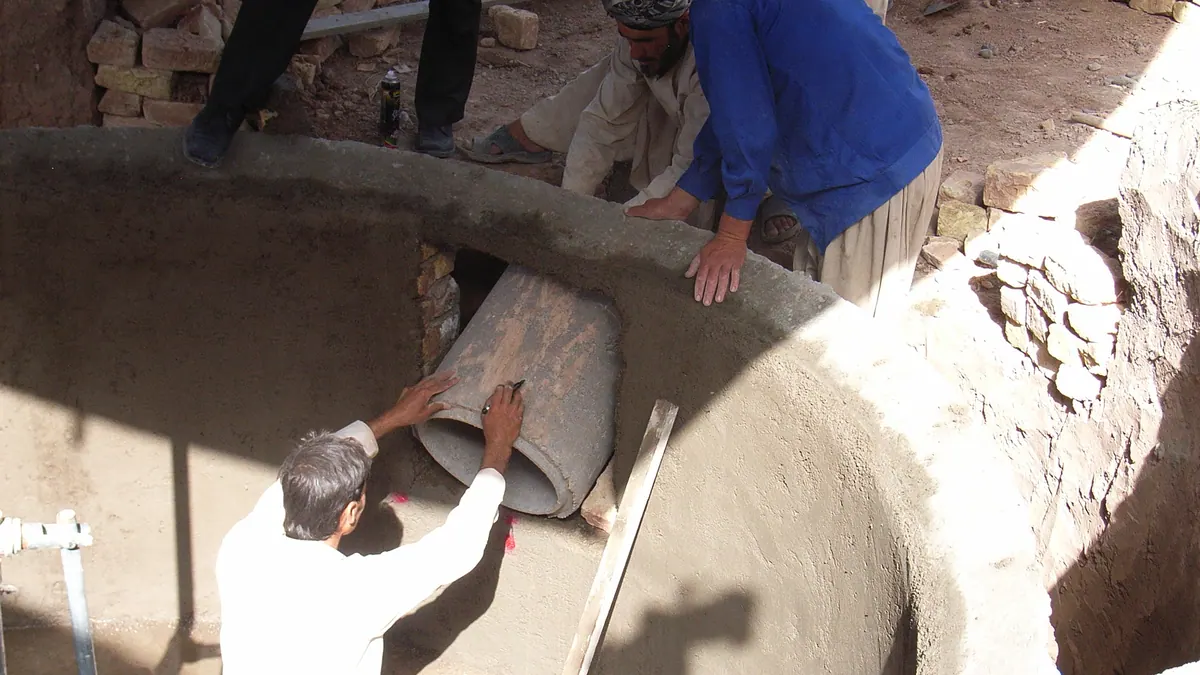

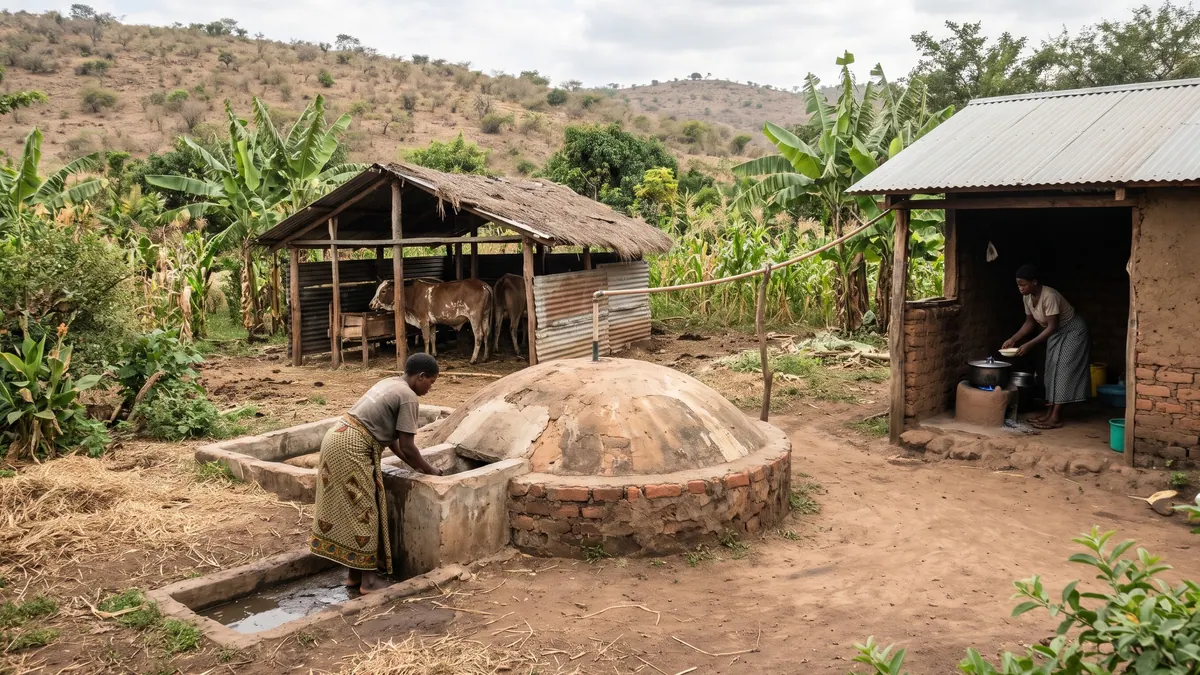
Sistema.bio, a company from Mexico present in Kenya since 2017, offers smallholdings prefabricated geomembrane biodigesters that are meant to compete with the traditional masonry dome. It is one of the more interesting examples of a market-based approach to household biogas in East Africa, so it is worth understanding its strengths and weaknesses and the credibility of the published data.
What is confirmed
The company website states that Sistema Kenya has operated in the country since 2017. In August 2018 the company described on its blog that by that month it had installed a record 1000 digesters, and that its technical team was already servicing installations in 15 counties of Kenya and in three African countries. All these figures come from the company itself and have not been independently verified. We did not find independent data on the share of working installations or on prices and instalments in Kenya.
Two technological approaches
The comparison below is general in nature: it describes the typical features of the two solutions, not the parameters of a specific offer.
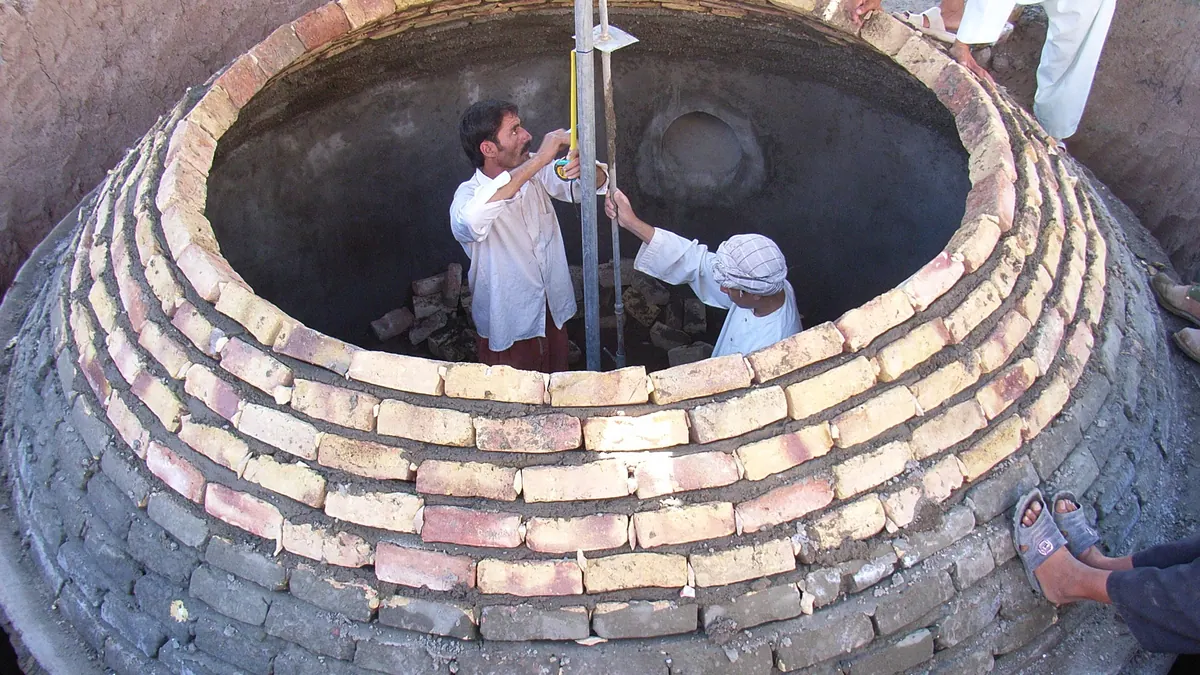
| Feature | Masonry dome (fixed) | Geomembrane sleeve |
|---|---|---|
| Construction | brick or concrete, a dome over the chamber | prefabricated plastic sleeve in a pit |
| Installation time | usually longer, depends on the mason | usually shorter, because most elements are prefabricated |
| Durability | long with good masonry | depends on protection against damage and UV |
| Repairs | difficult (cracks in the dome) | easier (patching, replacing the sleeve) |
| Competence required | skilled mason | trained installer, quality control of the prefabricate |
| Gas storage | in the dome, variable pressure | in the sleeve or in a gas tank |
The geomembrane sleeve has the advantage of portability and the possibility of standardising production, and so it can be sold like a product, not like a "construction object". Its drawbacks are the risk of puncture (e.g. by animals or tools), dependence on the quality of the material and the need for protection from the sun, because long-term exposure to UV rays ages plastics.
Business model and its limitations
Such solutions usually combine sales with an offer of financing and servicing. We did not find the full terms of the offer in Kenya in public sources, so we do not cite prices or instalments. In general, however, the challenges are similar to those in subsidised programmes (cf. Tanzania: subsidies and the biodigester market): a potential customer must have a constant supply of manure, be ready to change the way they cook and trust that the installation will work.
What to check when assessing similar offers
- Is the installation monitored (the number of working units after 1, 3 and 5 years)?
- What happens to the digestate: does the user know how to apply it (see Bioslurry from household biodigesters)?
- Who is responsible for repairs: the manufacturer, the installer or the user?
- How are emission reductions measured, if the project sells carbon credits?
- What are the warranty terms for the sleeve material, the seams and the gas fittings?
Significance for Europe
In Poland and the EU the market for micro biogas plants (up to several dozen kW) rests on different regulations, but the questions about servicing, monitoring and user competence are common. The example of Kenya shows that a "biogas plant in a box" type of product can speed up deployment, if it is accompanied by after-sales services and data on actual performance.
Life-cycle costs and durability
When assessing a geomembrane sleeve one should look at the whole life cycle, not just the purchase price. The material is exposed to stresses from gas pressure, ground movement, animals (goats, dogs) and farm tools; some installers recommend fencing and a roof. The manufacturer should state the expected service life and warranty terms, and the user should know that replacing the sleeve requires emptying the chamber. With a masonry dome failures are rarer but harder to fix. The final choice therefore depends on local conditions: the availability of good masons, material prices, the risk of theft or damage and expectations regarding the payback time.
The question of data
For market credibility, what is key is reporting not only the number of units sold but also the share still working after several years. Public programmes and private companies rarely publish such indicators, which makes comparisons difficult. If a company sells carbon credits, such monitoring is in any case required by the certification standards. It is therefore worth checking in the project's public documents how emission reductions are calculated and what samples of installations are inspected.
Sources
Questions and answers
How does a geomembrane biodigester differ from a brick dome?
A geomembrane biodigester is a prefabricated plastic sleeve, buried or placed in a trench; it is quicker to install than a brick dome, but more sensitive to mechanical damage and UV. A brick dome is durable, but requires a skilled bricklayer and a longer construction time.
Related articles