Digestate and fertilisersExplainer
Bioslurry from household biodigesters in East Africa: digestate as a fertiliser for smallholdings
In small household biodigesters the digestate (bioslurry) is sometimes as important as the gas. Hivos reports that in phase 2 of the ABPP programme more than 300 thousand ha were fertilised with it. What does research say about it and what should one watch out for?
Other language versions: polski.
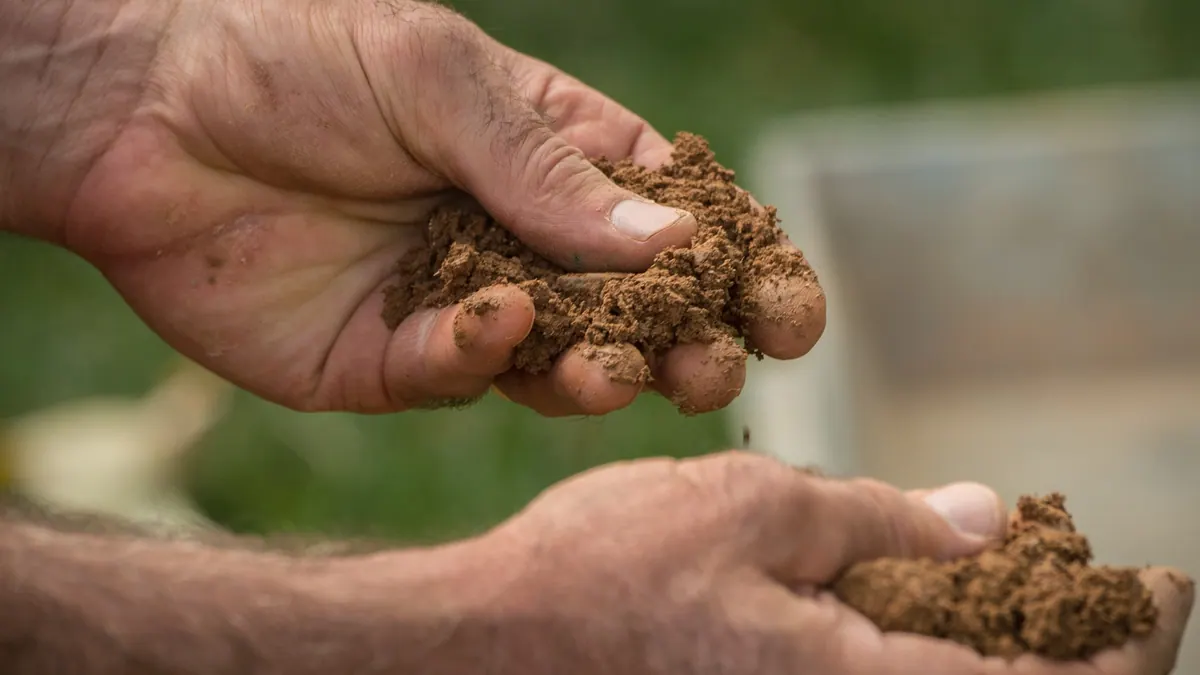

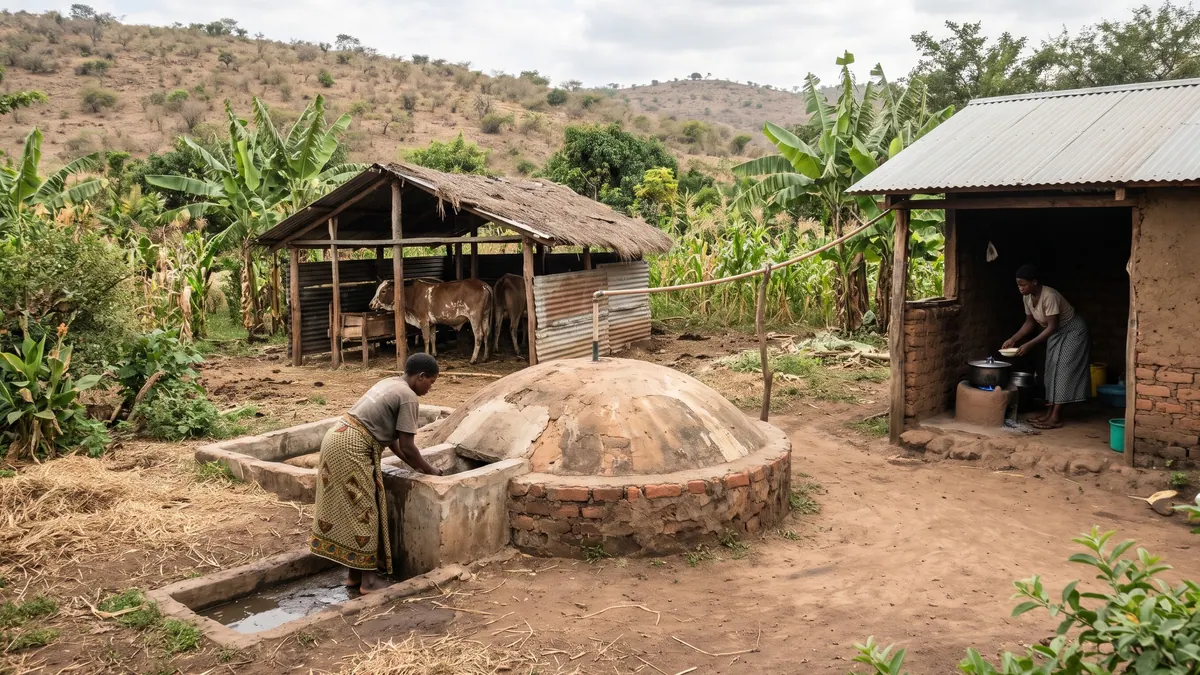
Bioslurry, that is, liquid digestate from a household biodigester, is treated in development programmes in East Africa as a product equivalent to the gas: a family gets cooking fuel and fertiliser for the field. Hivos, summarising phase 2 of the Africa Biogas Partnership Programme (ABPP), cites 60 thousand installed biodigesters and more than 300 thousand ha of organically fertilised land. This shows the scale of the phenomenon, although the detailed methodology of these estimates is not available in public materials.
Where bioslurry comes from and what it contains
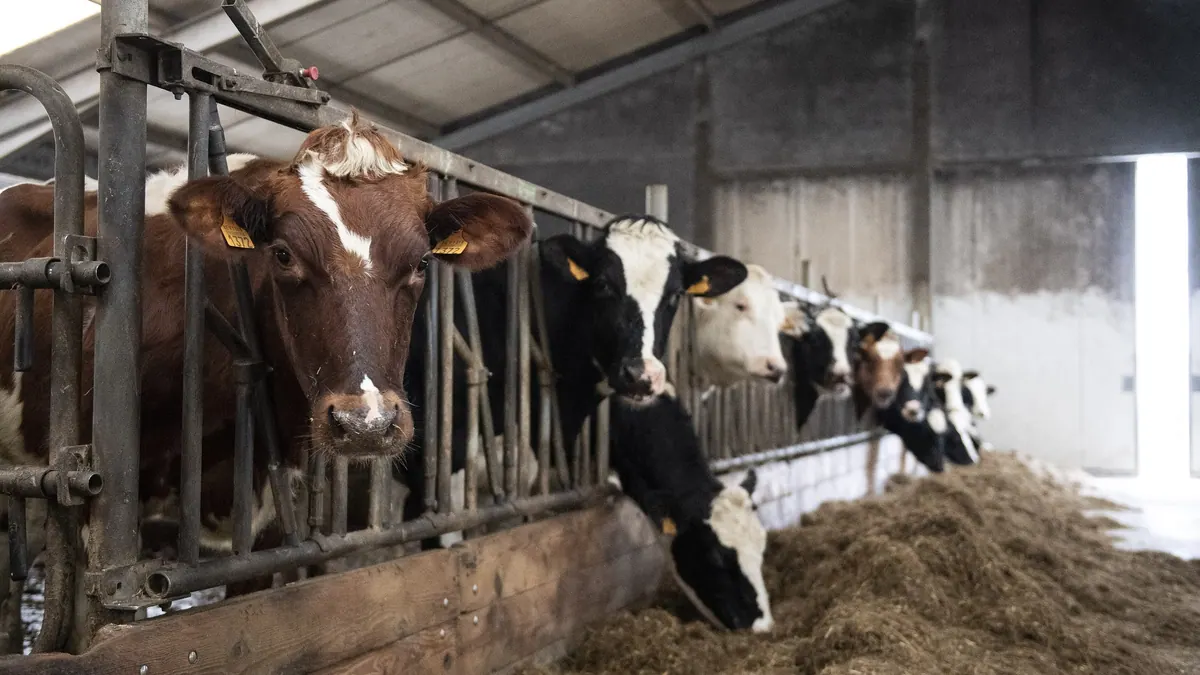
A household biodigester is usually fed with cattle manure diluted with water, and in some systems also with kitchen waste. After passing through the digestion chamber the digestate is thinner and has a less intense smell than raw manure, and a considerable part of the nitrogen changes into the ammonium form, which plants take up faster. The composition depends on the animals' diet and on dilution, so there is no single fertiliser value. We describe the general characteristics of digestate in the article Digestate composition: nitrogen, phosphorus, potassium, organic matter.
How the programme supports the use of digestate
Hivos reports that in phase 2 of ABPP (2014–2019) more than 300 thousand ha of land were fertilised organically, which according to the programme was associated with a 20–30% increase in crop production. The scientific review of the programme in Kenya, Tanzania and Uganda (Clemens et al., 2018) indicates that 84–91% of users noticed higher yields, and that the benefits of bioslurry can be financially more important for a farm than the fuel itself, because they lower the cost of fertilisers or provide income. ABPP estimated that a farm recovers the cost of the investment in 2–3 years. Typical supporting activities include training in operating the biodigester, preparing compost from the digestate and the basic principles of dosing in the field.
What to watch out for
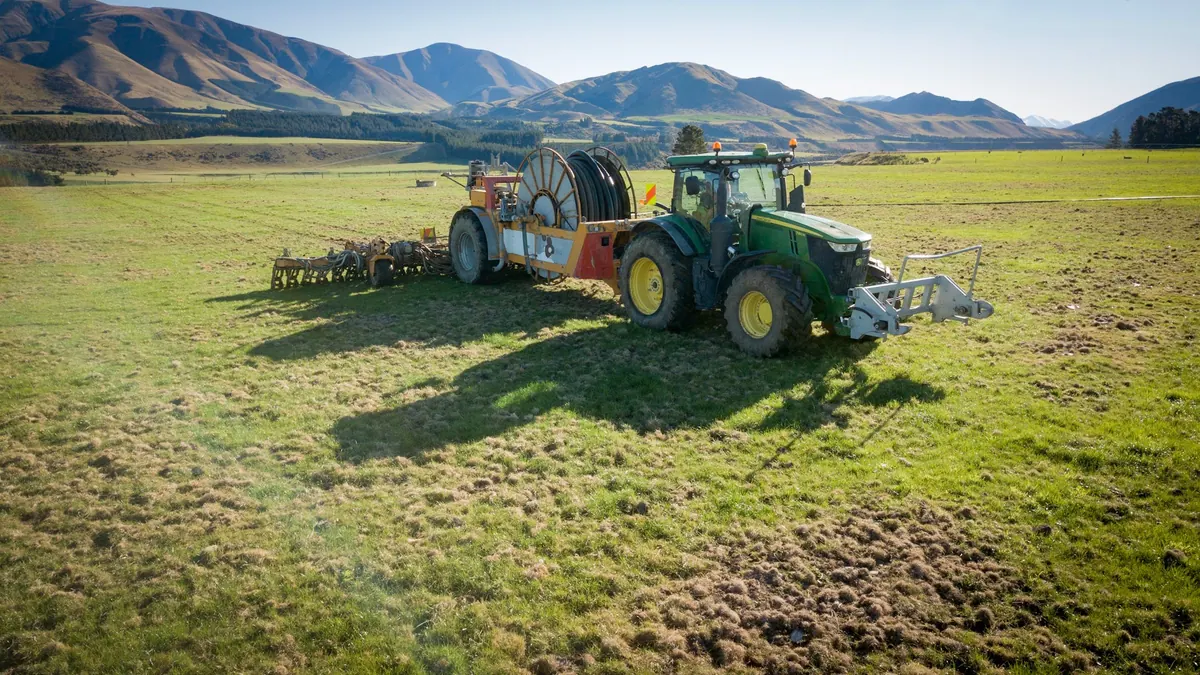
- Nitrogen losses: digestate stored in open pits loses ammonia to the atmosphere; covering the tank and applying it quickly in the field limit the losses. The rules for larger installations are described in the articles on ammonia emissions from digestate.
- Hygiene: household installations at ambient temperature do not ensure full sanitisation; digestate should be applied sufficiently long before harvest so that it does not come into contact with the edible parts of plants (with particular care for plants eaten raw), and hands should be washed after work.
- Dosing: without composition analyses, indicative doses are used and plant growth is observed; in Poland the dose is determined by the nitrogen balance (see Nitrogen balance and digestate doses).
- Dilution and transport: a heavy liquid is difficult to carry to more distant fields; it is often applied near the farm.
Economic value
For a smallholding, fertiliser from the biodigester replaces part of the fertilisers purchased, and so lowers the costs of crop production. The effect on yields depends on the crop, the soil and the dose, and in the programme materials we did not find independent yield measurements that could be reliably cited here (the 20–30% quoted above is the programme's estimate, and the percentages of users are survey declarations). The programmes nevertheless emphasise bioslurry as one of the reasons for purchasing an installation, alongside fuel savings and less smoke in the kitchen.
A study commissioned by the British DFID on small biodigesters in Sub-Saharan Africa addressed the impact of such installations on family livelihoods and ecosystem services. Those interested will find the full report in the sources below.
Comparison with raw manure
Raw cattle manure decomposes in the field, releasing ammonia and, in unfavourable conditions, methane and nitrous oxide. Digestion in a digester takes place in a closed chamber, so part of the methane goes to the kitchen and not to the atmosphere. Digestate is also generally easier to spread, because it has less dry matter, and it smells less. A drawback is the susceptibility of ammonium nitrogen to volatilisation if the digestate lies uncovered. The differences between raw manure and digestate in European conditions are discussed in the article Emissions from manures: methane, N₂O, ammonia and how to reduce them.
Practical conclusions
- The tank or pit for digestate should be covered and located out of the reach of children and animals.
- Digestate is best applied during the growing season, not before heavy rainfall.
- It is worth limiting the contact of digestate with the edible parts of plants and observing hygiene rules.
- Development programmes should measure not only the number of biodigesters but also the actual use of bioslurry, because it often decides a farm's economics.
A note on the data
The figures quoted in the text (60 thousand biodigesters, more than 300 thousand ha, a 20–30% yield increase) come from the materials of the organisations running the programme, and the percentages of users reporting higher yields from surveys described in the scientific review. They are not yield measurements from controlled experiments and may relate to different reporting periods.
Sources
- Africa Biogas Partnership Programme — Hivos
- Clemens et al., Africa Biogas Partnership Program: A Review of Clean Cooking Implementation through Market Development in East Africa — Energy for Sustainable Development (2018)
- The potential of small-scale biogas digesters to improve livelihoods and long-term sustainability of ecosystem services in Sub-Saharan Africa: final report — GOV.UK (DFID)
Questions and answers
What is bioslurry?
It is liquid digestate from a biodigester usually fed with manure. It contains plant nutrients, including nitrogen in ammonium form, and is used as an organic fertiliser.
Related articles