Digestate and fertilisersExplainer
Digestate: fertiliser from a biogas plant, its composition, legal status and application
Digestate contains nitrogen, phosphorus, potassium and organic matter. We explain its composition, legal status (fertiliser, product, waste), application techniques and why quality depends on the substrates.
Other language versions: polski.
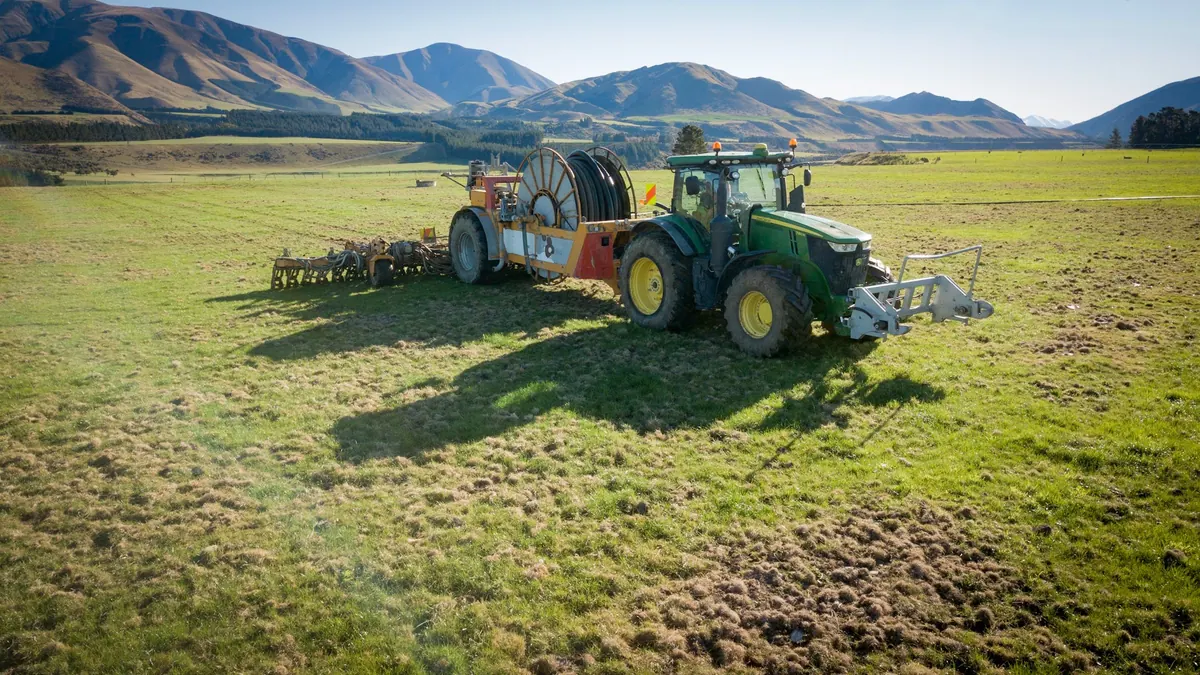

Digestate is a by-product of anaerobic digestion that contains nitrogen, phosphorus, potassium, trace elements and organic matter, which means it can replace part of mineral fertilisers; its value and legal status depend, however, on the substrates it was produced from. That is why talking about digestate as the “fertiliser of the future” makes sense only in combination with quality, regulations and proper application.
What it is and how it arises
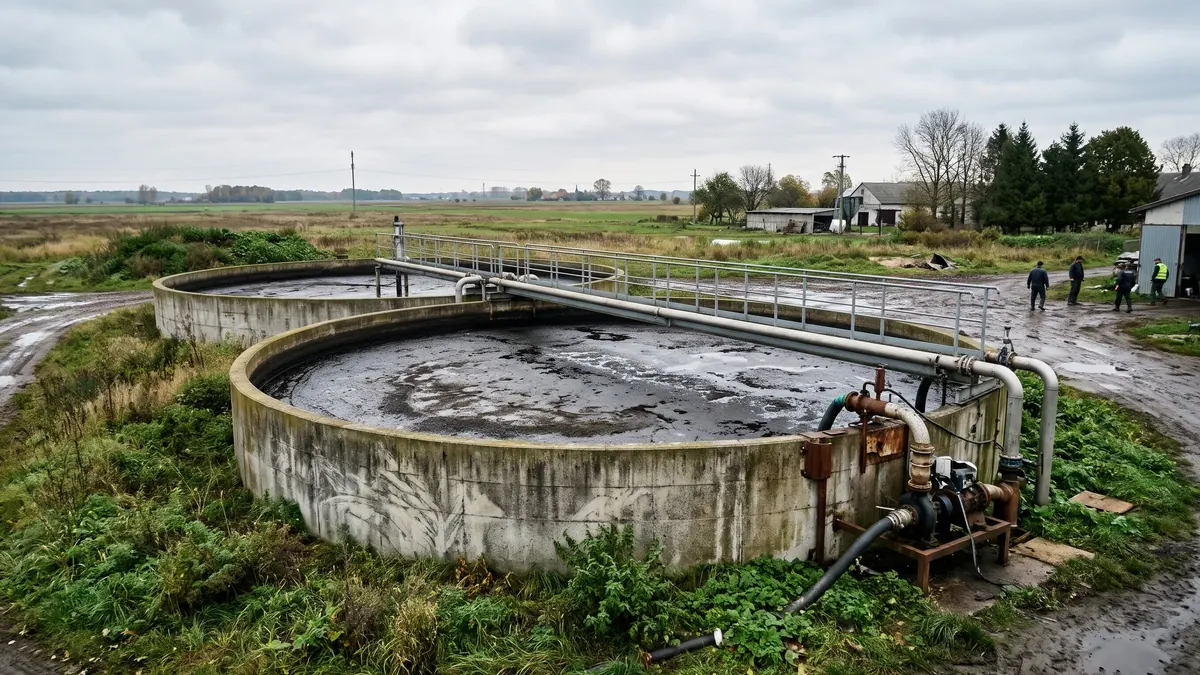
During fermentation, microorganisms break down readily biodegradable organic matter into biogas. What remains, i.e. less degradable matter, microbial biomass, minerals and water, forms the digestate. It is usually liquid (dry matter below a dozen or so per cent), and after mechanical separation it divides into a liquid fraction (richer in ammonium nitrogen) and a solid one (more phosphorus, organic matter and fibre). Technologies and the balance are discussed in the entry Digestate separation.
Fertiliser composition
Digestate contains macronutrients (N, P, K), sulphur, magnesium and trace elements. Their concentrations depend on the substrates (slurry, silage, waste), dilution and separation, so we do not give “typical” figures; planning fertilisation requires an analysis of the specific digestate. A significant part of the nitrogen is in ammonium form, more quickly available to plants than organic nitrogen, but also prone to ammonia losses if the digestate is poorly stored or applied. Details: Digestate composition and Nitrogen balance and digestate doses.
Advantages over mineral fertilisers
- Comprehensive plant nutrition: digestate supplies many nutrients at once.
- Organic matter improves soil structure and its ability to retain water.
- Closing the nutrient cycle: nutrients taken up by plants return to the field.
- Lower odour nuisance compared with raw slurry, although this is not the rule (Digestate: storage in closed tanks).
- Potential savings on mineral fertilisers, especially in periods of expensive fertilisers (in 2021–2022 prices rose sharply, then fell).
It is worth remembering the limitations: nutrient concentrations are lower than in mineral fertilisers, and transporting diluted digestate is expensive.
Law: fertiliser, product or waste
The legal path depends on the substrates. Digestate from agricultural biogas plants processing substrates from the list for agricultural biogas can be a national digestate product (rules in force since 11 September 2023, see Digestate: new provisions in the Fertilisers Act). Digestate from waste can obtain the status of an EU fertilising product in accordance with Regulation (EU) 2019/1009, applied since 16 July 2022 (description), or remains waste and requires appropriate permits (Digestate: fertiliser or waste). When the feed contains animal by-products, Regulation 1069/2009 and sanitisation requirements apply.
Fertilisation limits and deadlines
The use of natural fertilisers, including digestate derived from animal excreta, is subject to limits and deadlines resulting from the Nitrates Directive and the national nitrates programme. The limit of 170 kg N/ha per year from natural fertilisers applies, according to the site's entries, throughout the country since 2020 (Applying digestate to fields: doses, deadlines, the 170 kg N limit and Nitrates programme 2020).
Application and ammonia emissions
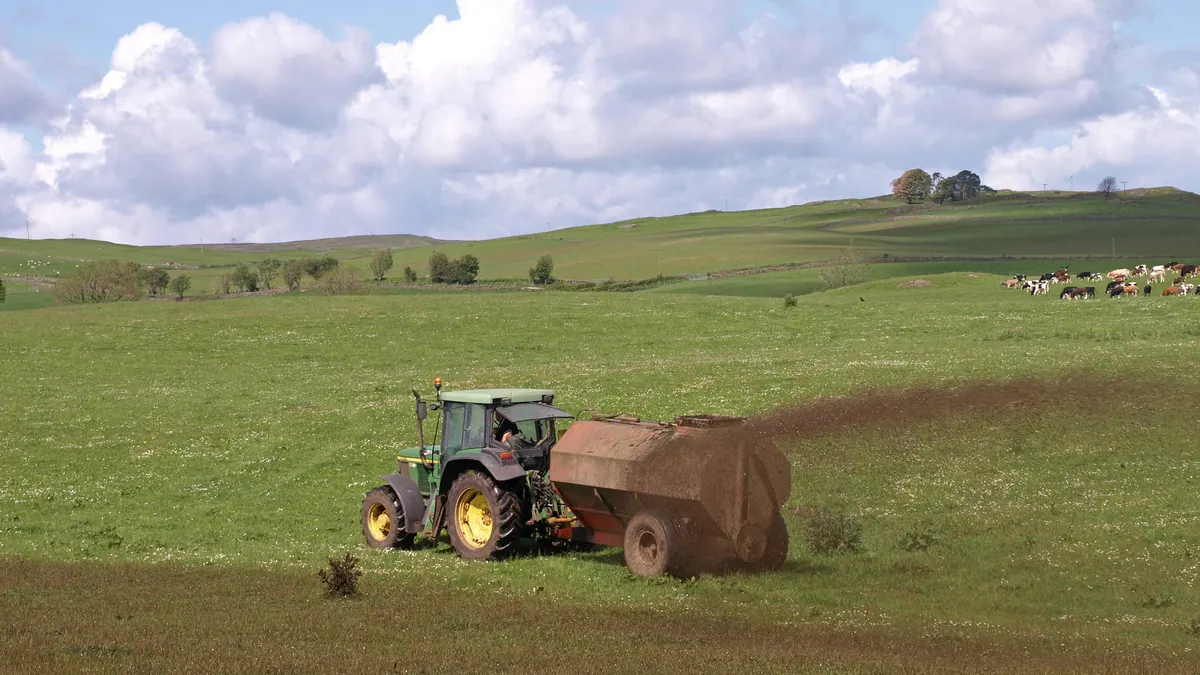
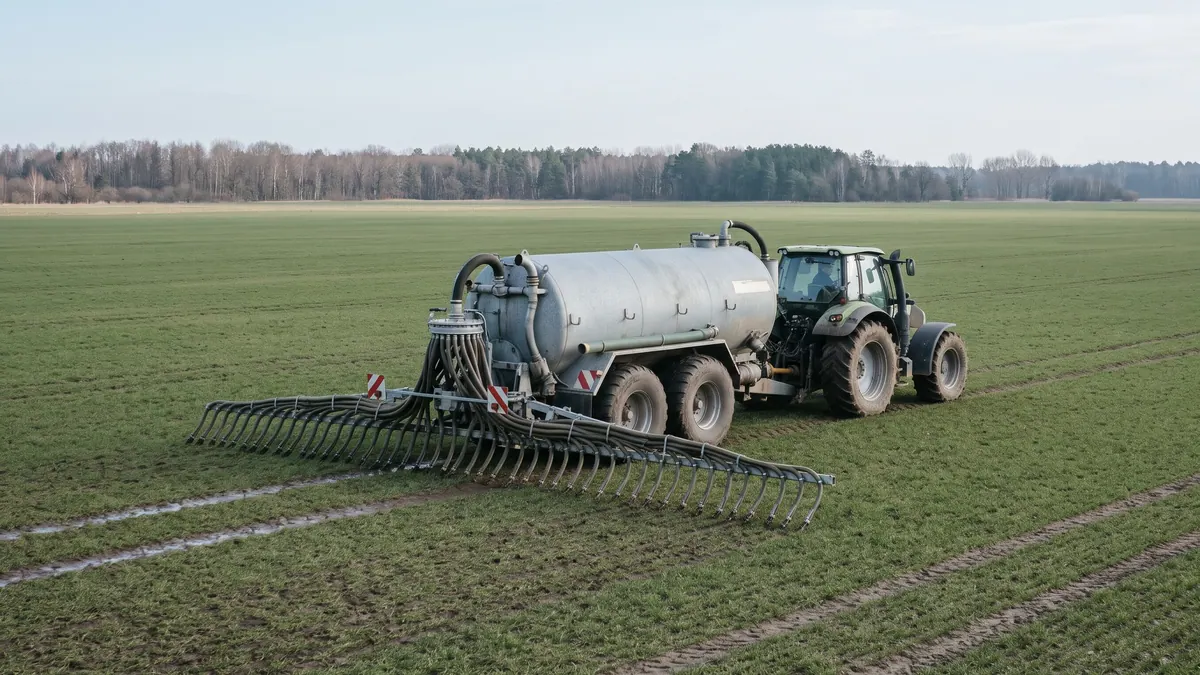
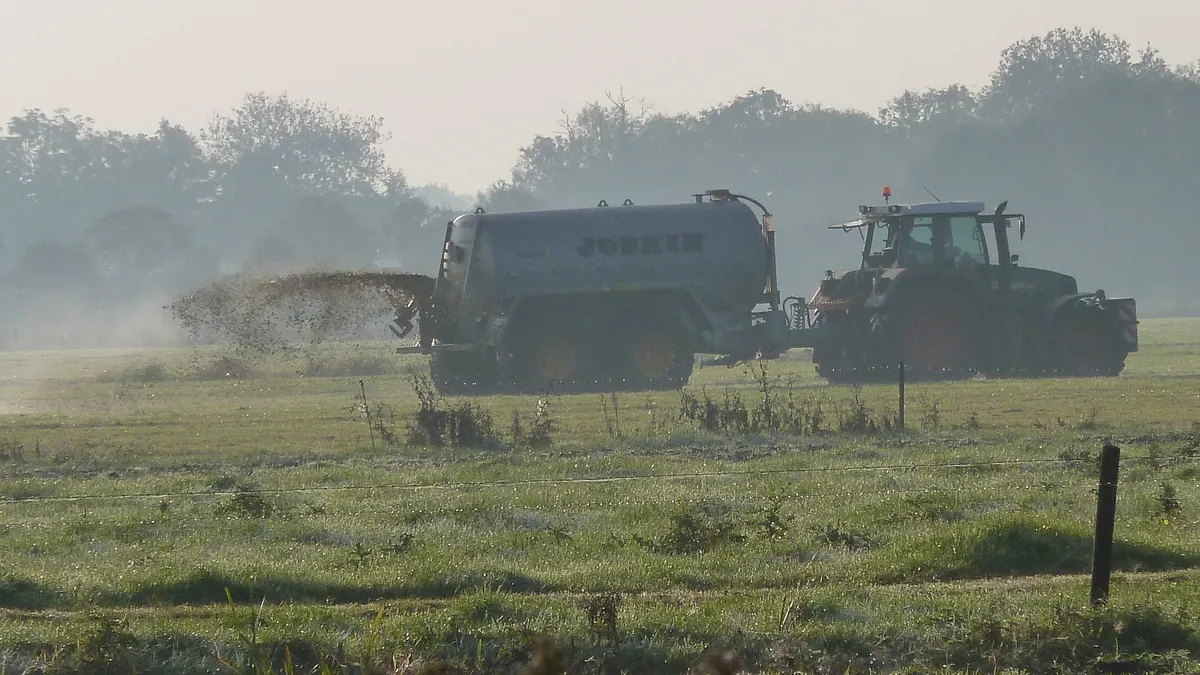
The method of spreading has a large effect on nitrogen losses. Splash-plate spreading has the greatest losses; trailing hoses and soil injection limit them, although effectiveness depends on conditions. Fertigation is possible only with a thoroughly cleaned fraction. The solid fraction can be composted or used as a soil improver. The issues are described in the entry Ammonia emissions from digestate: application techniques. Storage in closed tanks limits losses and residual methane emissions (Digestate storage).
Quality certification
Quality assurance systems (e.g. the European ECN-QAS for compost and digestate) increase farmers' trust and facilitate commercialisation. The EBA report points to the potential of digestate to replace part of mineral fertilisers (EBA report on digestate).
To sum up: digestate can be a valuable fertiliser if it has a predictable composition, meets legal requirements and is applied taking the nitrogen balance into account.
Sources
Questions and answers
Is digestate a waste or a fertiliser?
It depends on the substrates and the process: digestate from waste usually has waste status until it goes through a procedure to convert it into a product, while digestate from agricultural substrates can be a fertiliser or a plant biostimulant without waste status.
Related articles