BiogasExplainer
Rwanda: biogas in prisons and schools. What evaluations of institutional biodigesters showed
Rwandan prisons are among the pioneers of biogas in Africa: from 2008 to 2011 the number of institutions with biogas rose from eight to fourteen. Why do such installations differ in effectiveness?
Other language versions: polski.
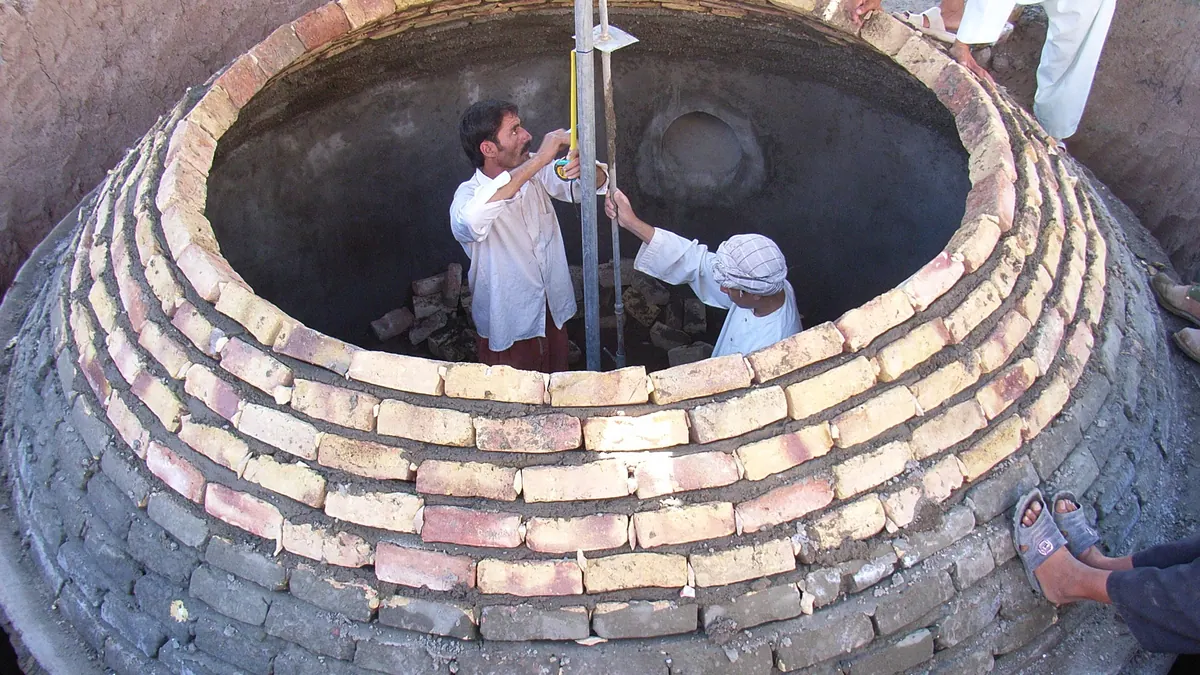

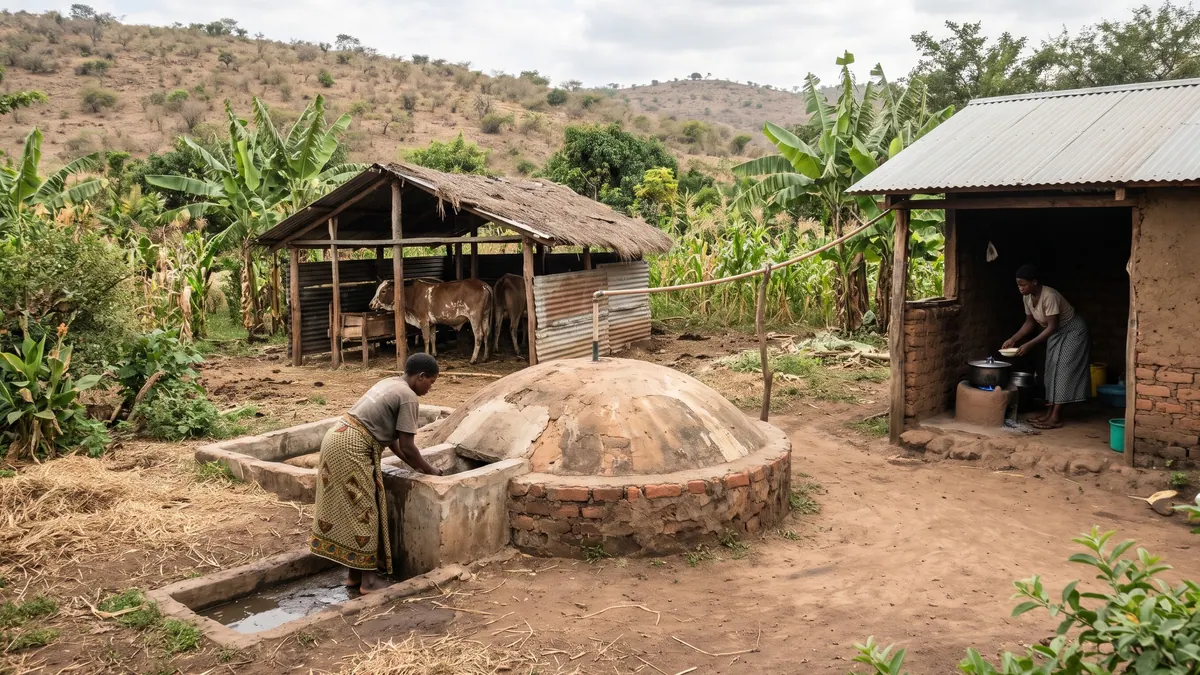
Rwanda is among the African countries where biogas began to be used in large institutions as early as the late 90s, above all in prisons. The 2008 evaluation and the 2011 Reuters report show two things: the scale at which penal institutions were able to replace firewood with biogas, and the difficulties faced by installations in schools or hospitals. They are worth knowing, because the lessons apply to any small-scale biogas project, including in Europe.
What the 2008 and 2011 evaluations say
The evaluation of institutional biogas installations from November 2008 indicated that prisons coped markedly better than other institutions: eight penal institutions were then using biogas (average firewood saving about 19%), and five more were considered a potential market. Of the 36 units built or under construction in the country, 13 stood in secondary schools, 11 in prisons, 2 in military camps and 1 in a hospital, and 9 in other facilities (according to the report summary: 7 in households and 2 in training centres). In 2011 Reuters wrote that biogas plants operate in all 14 prisons; the director of biogas in the prison service, Emmanuel Ndori, said that firewood expenditure (previously about 1 billion Rwandan francs a year) had fallen by 85%, although firewood still covered about a quarter of needs. The discrepancy between eight and fourteen institutions results from different dates, not from a contradiction: three years of expansion passed between the evaluations.
Prisons have natural advantages: a concentration of substrate (human excreta and kitchen waste in one place), a constant demand for cooking heat for hundreds or thousands of people, and centralised management, which makes operation and servicing easier.
Why some installations did not work
The 2008 evaluation was critical of the sector as a whole: of 28 completed institutional systems only 11 worked very well, 5 had serious defects, 6 had stopped working, and a further 6 had never been started up because of faulty design. Schools fared worst; the firewood saving in institutions where the systems did not work properly was estimated at only about 5%. Typical causes, known also from other countries, are:
- a lack of trained operating staff and of funds for current repairs,
- design errors and leaks,
- too little or too infrequent feeding with substrate,
- a lack of customers for the digestate or its improper management.
This is not a flaw of the technology, but a consequence of the fact that an installation with a volume of tens of cubic metres requires constant care. For development projects this means that the budget should cover not only construction but also servicing and training.
National biogas programme
The Rwandan government also promoted biogas in households. According to an article published in 2014 in "Applied Mechanics and Materials", about 3 thousand household biodigesters were then operating in the country, and its author, citing an SNV study, estimated that one household biodigester reduces emissions by about 4.6 t CO₂ a year. This is a modest number compared with the country's potential, but it shows the direction: public funding, trained masons and quality control.
Lessons for designers of small installations
- A biogas project starts with substrate logistics, not technology: how much waste and how regularly.
- Servicing and training are part of the investment cost; without them the share of non-working installations quickly rises.
- Monitoring (even a simple one: whether the kitchen is actually using biogas) makes it possible to detect failures.
- Digestate management should be planned from the start. In institutions with limited land it can be difficult, and on the household scale we discuss it in the article Bioslurry from household biodigesters in East Africa.
What follows for policy
Biogas in institutions shows that the technology does not require advanced infrastructure, but always needs a "host", that is, a person responsible for operation. Programmes that financed construction without paying for servicing usually have more non-working installations than those that provided technical support.
A note on sources
The figures described come from several studies from different years (2008, 2011, 2014) and cover different sets of installations, so they should not be compared directly. We have not found a current, reliable summary of the number of working institutional installations in Rwanda; such data can be obtained from the national ministry responsible for infrastructure and in SNV reports.
Sources
Questions and answers
Why is biogas in prisons practical?
Prisons have a concentrated source of substrate (excrement and kitchen waste), a constant demand for energy for cooking and controlled operation, which makes it easier to keep the plant running. It replaces firewood and reduces costs.
Related articles