


BMP testingEnergy crops and whole-crop plants (WCS)
Reed canary grass — BMP: 12 studies, weighted mean 290 m³ CH₄/t VS
Reed canary grass is a perennial grass grown on wet soils, considered as an energy biomass. The dataset includes studies from several countries and different harvest dates.
rating: goodCH₄ ≈ 53 % (estimate)
Photo Robert Flogaus-Faust / Wikimedia Commons, licence CC BY 4.0, source file; changes: cropping

- Weighted mean
- 290m³ CH₄/t VS
- Range
- 180–430m³ CH₄/t VS
- Records
- 12studies
- Publications
- 5sources
- Temperatures
- 35 °C, 38 °Cof the test
Methane in biogas
Medium methane content · ≈ 5.3 kWh/m³ of biogas
estimate from the substrate type The collected studies contain no measurement. The interval follows from the approximate composition (protein from total nitrogen (N 1.8 % DM × 6.25)) and the yields of compound groups according to FNR.
Rating for biogas plants
good — editorial rating for biogas plantsStable, usually accepted without a fee
Potential per tonne of fresh matter: high (73 m³ CH₄/t); no particular threats to stability. Handling costs: fibres, floating layer, slow degradation.
Why? Rating factors
Potential per tonne +2
- +2potential 73 m³ CH₄/t fresh matter (BMP 290 × DM 27.9 % × VS 90.8 %)
Process stability 0
- 0no factors
Handling and costs −1
- −0.5fibres, floating layer — shredding and intensive mixing
- −0.5slow degradation — long retention time
Total points: 1 · thresholds: ≥ 2.5 very good, ≥ 1 good, below — neutral; negative with cumulative process risk.
Add to the co-digestion calculator CSV data
BMP curves from 12 studies
Weighted mean Individual records
Dashed lines are a model curve (first-order kinetics, B(t) = B₀·(1 − e−kt)); the end point comes from the publication. All curves are model curves.
Cumulative methane production over the test [m³ CH₄/t VS]. The thick line is the weighted mean of all records (290); dots mark the end values given in the publications. Point at the chart to read values; click a legend item to hide or show a record.
Records and sources
Download CSV| Source | BMP m³ CH₄/t VS | Temperature | Sample | Curve |
|---|---|---|---|---|
| Lehtomaki (2006) · 1 | 340 | 35 °C · mesophilic | Reed canary grass | end point (model curve) |
| Lehtomaki (2006) · 2 | 430 | 35 °C · mesophilic | Reed canary grass | end point (model curve) |
| 1. Paavola (2010) | 280 | 35 °C · mesophilic | Reed canary grass | end point (model curve) |
| Paavola (2007) · 1 | 180 | 35 °C · mesophilic | Reed canary grass | end point (model curve) |
| Paavola (2007) · 2 | 280 | 35 °C · mesophilic | Reed canary grass | end point (model curve) |
| Paavola (2007) · 3 | 340 | 35 °C · mesophilic | Reed canary grass | end point (model curve) |
| Paavola (2007) · 4 | 350 | 35 °C · mesophilic | Reed canary grass | end point (model curve) |
| Czubaszek et al. (2021) · 1 DOI | 189 | — | Phalaris arundinacea (PAr), dry fermentation | end point (model curve) |
| Czubaszek et al. (2021) · 2 DOI | 238 | — | Phalaris arundinacea (PAr), wet fermentation | end point (model curve) |
| Ruf i Emmerling (2018) · 1 DOI | 277 | 38 °C · mesophilic | reed canary grass · pretreatment: particle size reduction/sample preparation (MY-D: physical treatment) | end point (model curve) |
| Ruf i Emmerling (2018) · 2 DOI | 284 | 38 °C · mesophilic | reed canary grass · pretreatment: particle size reduction/sample preparation (MY-D: physical treatment) | end point (model curve) |
| Ruf i Emmerling (2018) · 3 DOI | 290 | 38 °C · mesophilic | reed canary grass · pretreatment: particle size reduction/sample preparation (MY-D: physical treatment) | end point (model curve) |
| Weighted mean | 290 | arithmetic mean 290, SD 70 | ||
Typical composition
- Dry matter (DM)
- 27.9% (range 21.5–40.8)
- Volatile solids (VS)
- 90.8 % DM (range 88.5–92.8)
- Nitrogen
- 1.8 % DM
- C/N ratio
- 26.5
Median and range of the determinations reported in the publications behind this substrate's BMP records (read from: CROPGEN D4, MY-D); dry matter: 10 determinations, volatile solids: 3 determinations.
Sources: Lehtomaki (2006); 1. Paavola (2010); Paavola (2007); Ruf et al. (2018).
The composition of the raw material varies between batches — for plant calculations use an analysis of your own sample. The calculator inserts typical values automatically.
Process properties
Advantages
- Methane potential in the database: weighted mean 290 m³ CH₄/t VS (median 282; range 180–430; 12 records from 5 sources).
Drawbacks and risks
- A late harvest date increases the lignin share (Czubaszek 2021 for wetland grasses).
Co-digestion — what to combine it with, what to watch out for
- combines well
group: Animal excreta (slurry, manure, poultry litter)
Co-digestion with excreta (slurry/solid manure) is the standard arrangement for plant biomass: they supply alkalinity and microflora.[1][2]
Dosing
No source-based dose limits.
Practical requirements
- Earlier harvest; storage in line with Paavola 2010
Sources of the process data
- Paavola, T., Lehtomäki, A., Seppälä, M., Rintala, J. (2007) Methane production from reed canary grass. Proc. 8th Finnish Conference of Environmental Sciences 234-237
- Weiland, P. (2010) Biogas production: current state and perspectives. Applied Microbiology and Biotechnology
- Lehtomaki, A. Viinikainen, T.A. Rintala, J.A (2006) Screening boreal energy crops and crop residues for methane biofuel production. Submitted to Biomass and Bioenergy
- 1. Paavola, T., Lehtomäki, A., Seppälä, M., Rintala, J. 2. Rissanen, S.P (2010) Methane production from reed canary grass 2. Effect of storage on methane production potential and nutrient composition of energy crops and leachates. Proc. 8th Finnish Conference of Environmental Sciences 234-237
- Dahunsi, S. (2019) Mechanical pretreatment of lignocelluloses for enhanced biogas production: Methane yield prediction from biomass structural components. Bioresource Technology 280, 18–26
- Hendriks, A.T.W.M.; Zeeman, G. (2009) Pretreatments to enhance the digestibility of lignocellulosic biomass. Bioresource Technology
- Czubaszek, R.; Wysocka-Czubaszek, A.; Wichtmann, W.; Banaszuk, P. (2021) Specific Methane Yield of Wetland Biomass in Dry and Wet Fermentation Technologies. Energies 14(24), 8373
- Ruf, T.; Emmerling, C. (2018) Site-adapted production of bioenergy feedstocks on poorly drained cropland through the cultivation of perennial crops. A feasibility study on biomass yield and biochemical methane potential. Biomass and Bioenergy 119, 429–435
The co-digestion calculator will assess a specific mixture containing this substrate.
What it is and where it comes from
Reed canary grass (Phalaris arundinacea) is a native grass of wet meadows and water margins, grown in cool climates as an energy crop. Particular interest in it is seen in the Nordic countries, where it is studied both as a fuel and as a biogas substrate. The dataset includes over a dozen records from several studies (including Finnish, German and Polish ones), under mesophilic conditions.
Properties relevant to digestion
The composition depends on the harvest date. Summer biomass is green, wet and relatively readily digestible, whereas biomass harvested in spring after overwintering is dry, strongly woody and has a low protein content. In the first case ensiling is possible, and in the second a loose material is rather used, which requires comminution. The fibre leads to slow hydrolysis and a tendency to form a floating crust. The ash and silica content is sometimes significant, so the material may increase equipment abrasion. Spring harvest additionally gives a lower content of mineral components and water.
How to read the spread of results
The records in the dataset concern different harvest dates and conditions, and some of them come from the same study, so they are not fully independent. The main sources of spread are the harvest date (autumn, spring), the age of the plantation, fertilisation, the form of the material (fresh, ensiled, dry) and comminution. Test parameters are added: inoculum, substrate-to-inoculum ratio and test length. For a perennial grass, the year of the cut and the weather during the season also matter.
In biogas plant practice
Reed canary grass is considered as a supplement to the feedstock base on wet soils unsuitable for maize. It requires harvest at the right time, comminution and, in the case of green mass, ensiling. In the mix its role is rather an auxiliary one because of the slower decomposition compared with maize silage or grasses from grassland. Cost-effectiveness depends on yield, harvest costs and the availability of other feedstocks. A BMP test of your own batch will make it possible to assess the effect of the harvest date. In practice it is also important that growing reed canary grass on wet soils has environmental significance, because it limits nutrient leaching, but harvest at such sites is sometimes hindered by weather and soil bearing capacity, which affects the regularity of supplies.
Methodology in brief
BMP is the amount of methane obtained from volatile solids (VS) in a batch test, given in m³ CH₄ per tonne of VS (numerically the same as NmL CH₄/g VS in the publications) and converted to normal conditions (0 °C, 101.325 kPa). The weighted mean gives each publication a total weight of 1, split equally between its results for the substrate — a paper testing twenty varieties does not outweigh a paper with a single sample. In inter-laboratory programmes the unit is the laboratory (total weight 1), and within it the weight of a test grows with the number of bottles (replicates). Results after pretreatment (e.g. thermal, chemical, enzymatic) are shown separately and are not included in the mean.
Solid lines are curves measured in the tests. Where a publication gives only the final result, we draw a first-order kinetic model, B(t) = B₀·(1 − e−kt): only the end point comes from the publication, and the shape of the curve serves purely as visualisation — do not read the production on a particular day from it. For this substrate k = 0.085 d−1 was assumed (median of rate constants k reported in the sources and/or fitted to the mean measured curves).
The statistics describe the spread of published results — a descriptive compilation, not a meta-analysis or a guarantee of plant yield.
Bibliography
- Lehtomaki, A. Viinikainen, T.A. Rintala, J.A (2006). Screening boreal energy crops and crop residues for methane biofuel production. Submitted to Biomass and Bioenergy.
- 1. Paavola, T., Lehtomäki, A., Seppälä, M., Rintala, J. 2. Rissanen, S.P (2010). Methane production from reed canary grass 2. Effect of storage on methane production potential and nutrient composition of energy crops and leachates. Proc. 8th Finnish Conference of Environmental Sciences 234-237.
- Paavola, T., Lehtomäki, A., Seppälä, M., Rintala, J. (2007). Methane production from reed canary grass. Proc. 8th Finnish Conference of Environmental Sciences 234-237.
- Czubaszek, R.; Wysocka-Czubaszek, A.; Wichtmann, W.; Banaszuk, P. (2021). Specific Methane Yield of Wetland Biomass in Dry and Wet Fermentation Technologies. Energies 14(24), 8373. DOI: 10.3390/en14248373 DOI
- Ruf, T.; Emmerling, C. (2018). Site-adapted production of bioenergy feedstocks on poorly drained cropland through the cultivation of perennial crops. A feasibility study on biomass yield and biochemical methane potential. Biomass and Bioenergy 119, 429–435. DOI: 10.1016/j.biombioe.2018.10.007 DOI
All sources of the site: bibliography.
Other substrates in the group “Energy crops and whole-crop plants (WCS)”
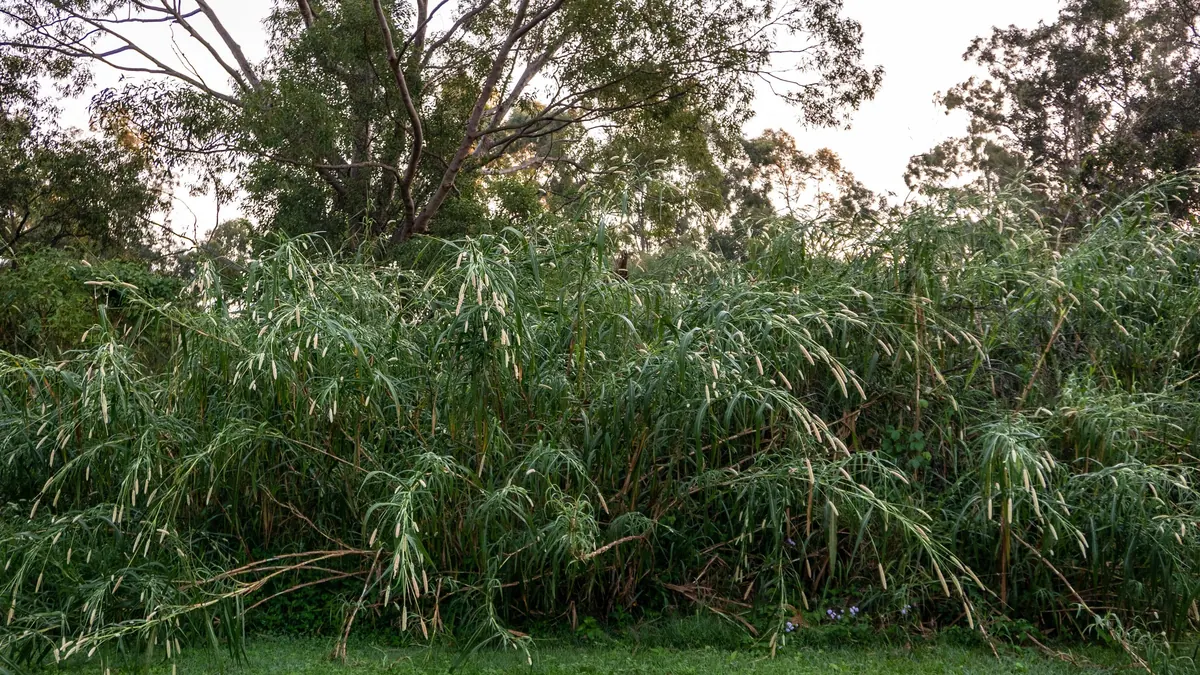
Pennisetum hybrid grass — BMP: 18 studies, weighted mean 266 m³ CH₄/t VS
266 m³ CH₄/t VS weighted mean from 18 studies
neutral — editorial rating for biogas plants≈52 %
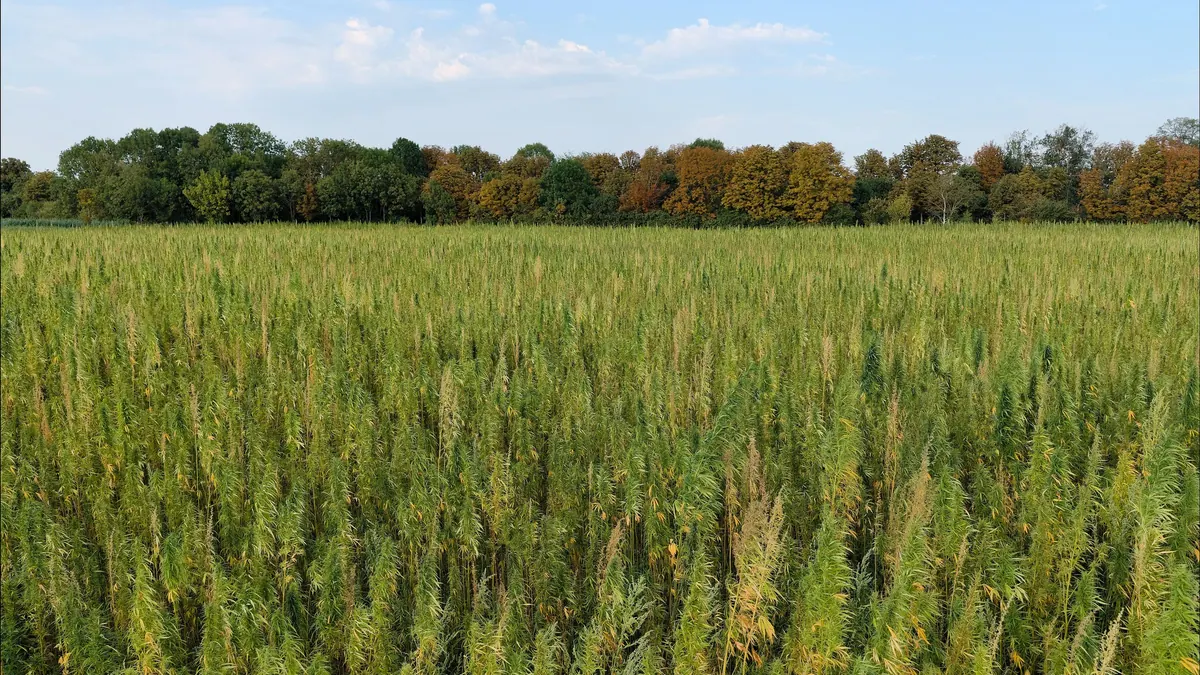
Hemp, stalks and whole plant — BMP: 3 studies, weighted mean 242 m³ CH₄/t VS
242 m³ CH₄/t VS weighted mean from 3 studies
≈52 %
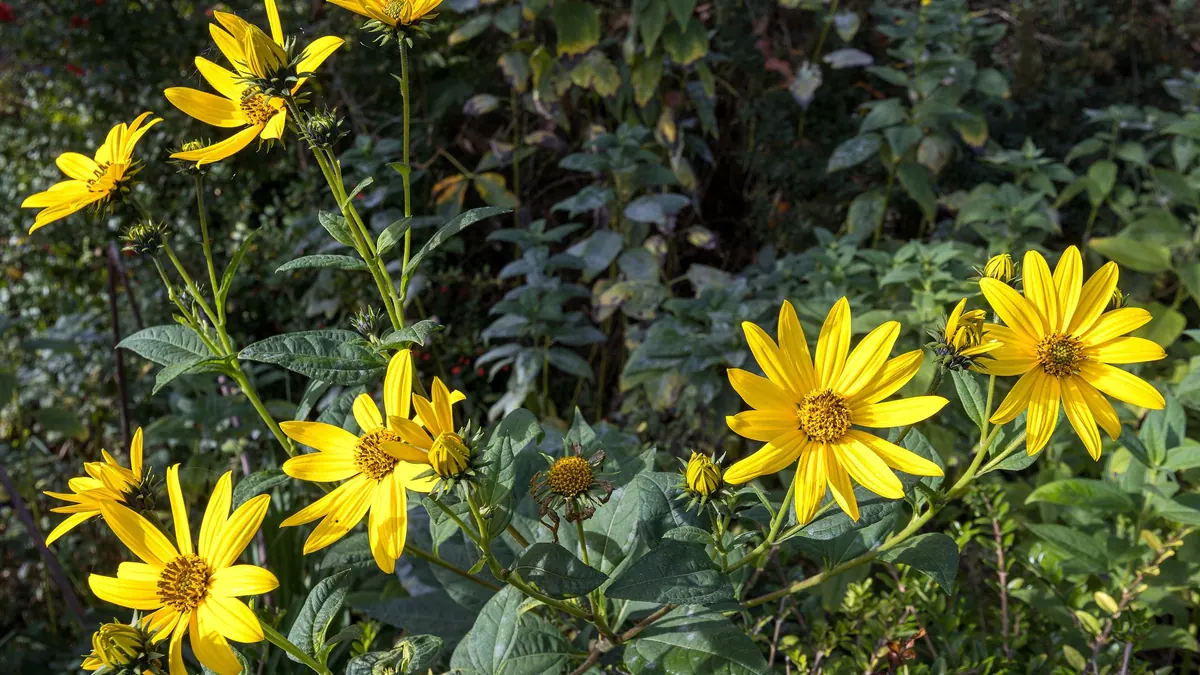
Jerusalem artichoke biomass — BMP: 11 studies, weighted mean 384 m³ CH₄/t VS
384 m³ CH₄/t VS weighted mean from 11 studies
good — editorial rating for biogas plants65 %
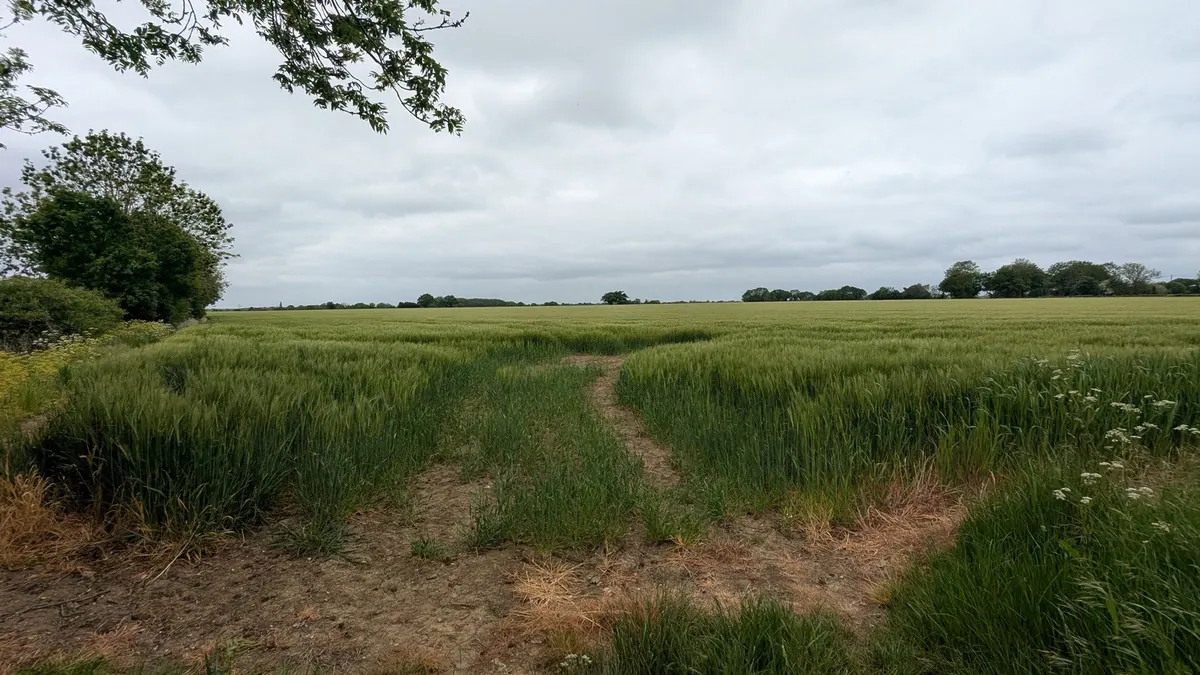
Barley, whole crop — BMP: 6 studies, weighted mean 419 m³ CH₄/t VS
419 m³ CH₄/t VS weighted mean from 6 studies
very good — editorial rating for biogas plants61 %