

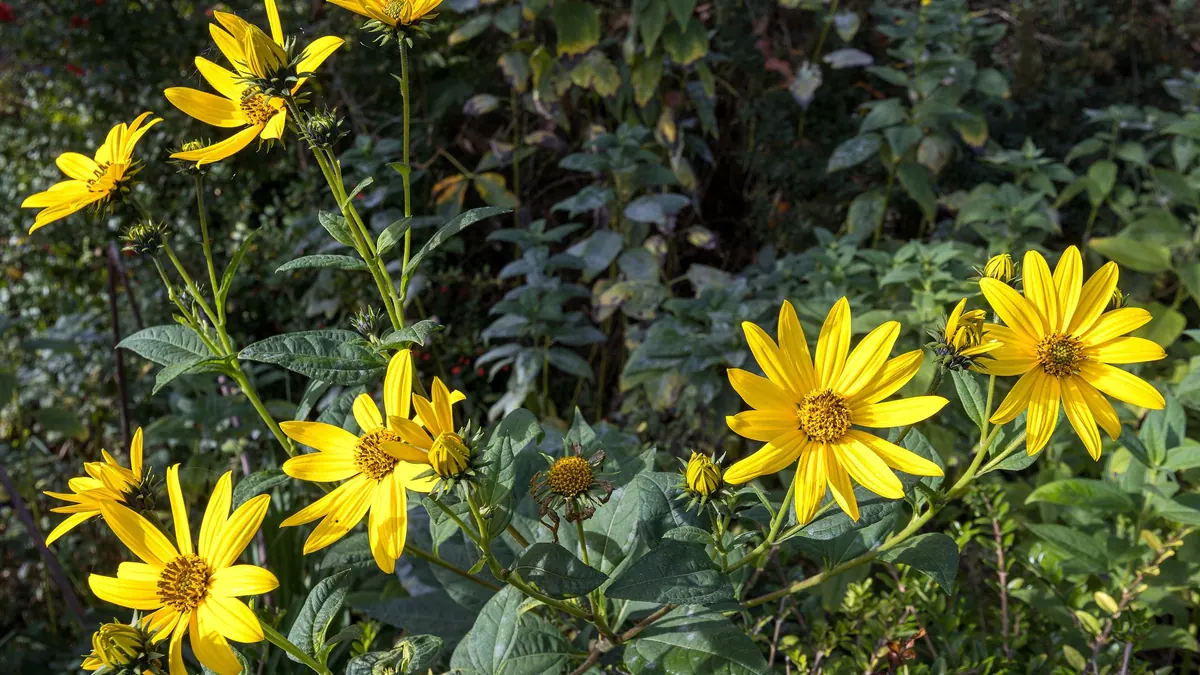
BMP testingEnergy crops and whole-crop plants (WCS)
Jerusalem artichoke biomass — BMP: 11 studies, weighted mean 384 m³ CH₄/t VS
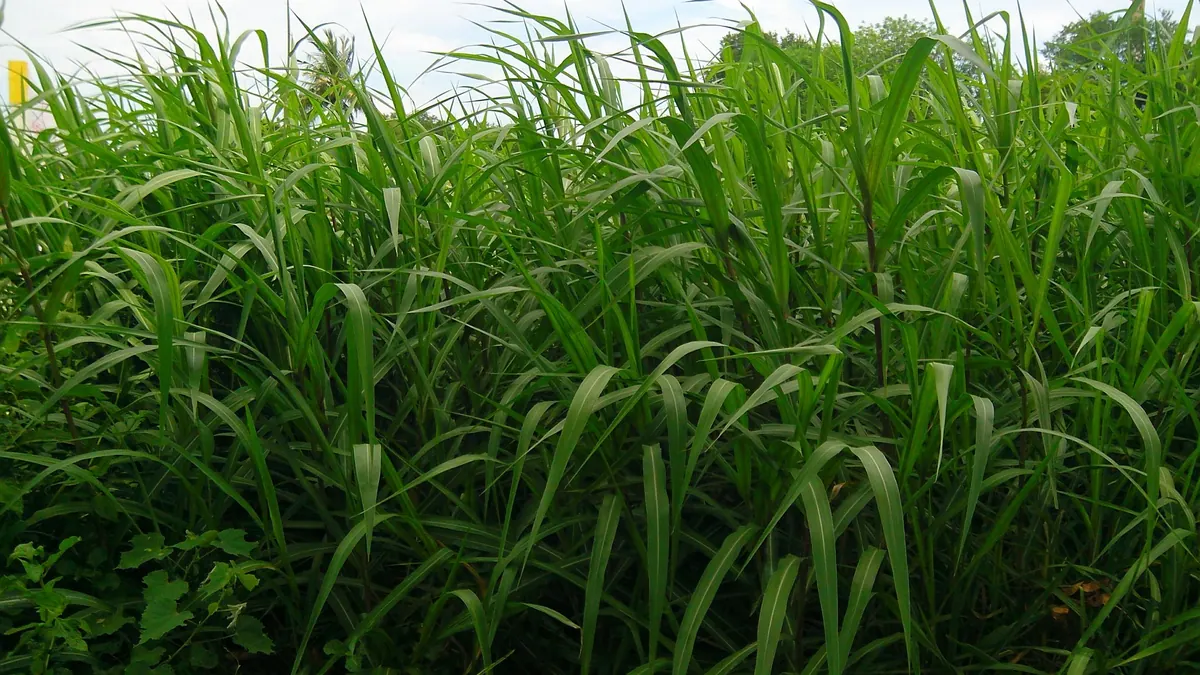
Jerusalem artichoke (sunchoke) as above-ground biomass is a perennial plant with a high green biomass yield. The dataset contains results from several studies, mainly for above-ground parts.
Photo JackyM59 / Wikimedia Commons, licence CC BY-SA 4.0, source file; changes: cropping

- Weighted mean
- 384m³ CH₄/t VS
- Range
- 252–680m³ CH₄/t VS
- Records
- 11studies
- Publications
- 5sources
- Temperatures
- 35 °C, 36 °C, 37 °C, 38 °Cof the test
Methane in biogas
High methane content · ≈ 6.5 kWh/m³ of biogas
measured mean of 2 studies BMP, range 61.1–68.4 %; in a batch test the CH₄ share tends to be higher than in a plant.
Rating for biogas plants
good — editorial rating for biogas plantsStable, usually accepted without a fee
Potential per tonne of fresh matter: high (94 m³ CH₄/t); process risk: acidification. No additional handling requirements.
Why? Rating factors
Potential per tonne +2
- +2potential 94 m³ CH₄/t fresh matter (BMP 384 × DM 27.1 % × VS 90 %)
Process stability −0.5
- −0.5acidification: rapid degradation / acidic pH, risk of VFA accumulation, needs buffering
Handling and costs 0
- 0no factors
Total points: 1.5 · thresholds: ≥ 2.5 very good, ≥ 1 good, below — neutral; negative with cumulative process risk.
Add to the co-digestion calculator CSV data
BMP curves from 11 studies
Weighted mean Individual records
Dashed lines are a model curve (first-order kinetics, B(t) = B₀·(1 − e−kt)); the end point comes from the publication. All curves are model curves.
Cumulative methane production over the test [m³ CH₄/t VS]. The thick line is the weighted mean of all records (384); dots mark the end values given in the publications. Point at the chart to read values; click a legend item to hide or show a record.
Records and sources
Download CSV| Source | BMP m³ CH₄/t VS | CH₄ in biogas % vol., measured | Temperature | Sample | Curve |
|---|---|---|---|---|---|
| Lehtomaki (2006) · 1 | 360 | — | 35 °C · mesophilic | Jerusalem Artichoke | end point (model curve) |
| Lehtomaki (2006) · 2 | 370 | — | 35 °C · mesophilic | Jerusalem Artichoke | end point (model curve) |
| Zubr (1986) · 1 DOI | 301 | 68.4 % | 35 °C · mesophilic | Jerusalem artichoke · pretreatment: Silage: Air tight glass jars , fermented 30-40 days at 20 oC. | end point (model curve) |
| Zubr (1986) · 2 DOI | 309 | 61.1 % | 35 °C · mesophilic | Jerusalem artichoke | end point (model curve) |
| Gunnarson et al. (1985) · 1 DOI | 650 | — | 37 °C · mesophilic | Jerusalem artichoke · pretreatment: Ensiled | end point (model curve) |
| Gunnarson et al. (1985) · 2 DOI | 680 | — | 37 °C · mesophilic | Jerusalem artichoke · pretreatment: Ensiled | end point (model curve) |
| Luna-delRisco et al. (2011) | 310 | — | 36 °C · mesophilic | Jerusalem Artichoke | end point (model curve) |
| Ruf i Emmerling (2018) · 1 DOI | 252 | — | 38 °C · mesophilic | Jerusalem Artichoke · pretreatment: particle size reduction/sample preparation (MY-D: physical treatment) | end point (model curve) |
| Ruf i Emmerling (2018) · 2 DOI | 269 | — | 38 °C · mesophilic | Jerusalem Artichoke · pretreatment: particle size reduction/sample preparation (MY-D: physical treatment) | end point (model curve) |
| Ruf i Emmerling (2018) · 3 DOI | 278 | — | 38 °C · mesophilic | Jerusalem Artichoke · pretreatment: particle size reduction/sample preparation (MY-D: physical treatment) | end point (model curve) |
| Ruf i Emmerling (2018) · 4 DOI | 301 | — | 38 °C · mesophilic | Jerusalem Artichoke · pretreatment: particle size reduction/sample preparation (MY-D: physical treatment) | end point (model curve) |
| Weighted mean | 384 | 64.8 % | arithmetic mean 371, SD 150 | ||
Typical composition
- Dry matter (DM)
- 27.1% (range 13.6–91.1)
- Volatile solids (VS)
- 90 % DM (range 83–95.2)
- Nitrogen
- 0.7 % DM
- C/N ratio
- 49
Median and range of the determinations reported in the publications behind this substrate's BMP records (read from: CROPGEN D4, MY-D); dry matter: 10 determinations, volatile solids: 6 determinations. The DM range includes fresh samples as well as samples partly dried or dried before the test – for fresh material the lower part of the range applies, ideally your own measurement.
Sources: Lehtomaki (2006); Zubr (1986); Gunnarson et al. (1985); Luna-delRisco et al. (2011); Ruf et al. (2018).
The composition of the raw material varies between batches — for plant calculations use an analysis of your own sample. The calculator inserts typical values automatically.
Process properties
Advantages
- Methane potential in the database: weighted mean 384 m³ CH₄/t VS (median 309; range 252–680; 11 records from 5 sources).
- Gunnarson 1985 and Lehtomäki 2006 describe Jerusalem artichoke as a biogas substrate; tubers and haulm degrade quickly.
Drawbacks and risks
- Wide spread (11 records) between tubers, haulm and harvest dates.
- Rapid degradation may acidify the system at a high share (Chen 2008).
Co-digestion — what to combine it with, what to watch out for
- combines well
substrates: high alkalinity (buffer) — e.g. Cattle manure, Pig slurry, Cattle slurry, Duck slurry, Rumen and digestive tract content
Slurry buffers the acidification from rapidly degradable tubers.[1][2]
Dosing
No source-based dose limits.
Introduce gradually, starting with a small dose and monitoring the process (e.g. FOS/TAC, pH, gas composition).
Practical requirements
- Provide for removal of sand and heavy contaminants: sand is often strongly bound to organic matter and is released only in the digester, and sediments reduce its usable capacity, so a scraper or bottom drain is needed (FNR 2010, Ch. 3).
- Ensiling makes it possible to store seasonal biomass; properly ensiled plants (in the study maize, sorghum, forage rye, triticale) can be stored for up to a year without loss of methane production (Herrmann et al. 2011).
Sources of the process data
- Chen, Y.; Cheng, J.J.; Creamer, K.S. (2008) Inhibition of anaerobic digestion process: A review. Bioresource Technology
- Weiland, P. (2010) Biogas production: current state and perspectives. Applied Microbiology and Biotechnology
- Lehtomaki, A. Viinikainen, T.A. Rintala, J.A (2006) Screening boreal energy crops and crop residues for methane biofuel production. Submitted to Biomass and Bioenergy
- Zubr, J. (1986) Methanogenic fermentation of fresh and ensiled plant materials. Biomass 11(3), 159–171
- Gunnarson, S.; Malmberg, A.; Mathisen, B.; Theander, O.; Thyselius, L.; Wünsche, U. (1985) Jerusalem artichoke (Helianthus tuberosus L.) for biogas production. Biomass 7(2), 85–97
- Luna-delRisco, M.; Normak, A.; Orupõld, K. (2011) Biochemical methane potential of different organic wastes and energy crops from Estonia. Agronomy Research 9(1–2), 331–342
- Ruf, T.; Emmerling, C. (2018) Site-adapted production of bioenergy feedstocks on poorly drained cropland through the cultivation of perennial crops. A feasibility study on biomass yield and biochemical methane potential. Biomass and Bioenergy 119, 429–435
- FNR (2010). Guía sobre el Biogás – Desde la producción hasta el uso (hiszp. wydanie „Leitfaden Biogas”, GIZ 2013)
- Herrmann et al. (2011). Effects of ensiling, silage additives and storage period on methane formation of biogas crops. Bioresour. Technol.
The co-digestion calculator will assess a specific mixture containing this substrate.
What it is and where it comes from
Jerusalem artichoke, or sunchoke (Helianthus tuberosus), originates from North America and is grown for edible and fodder tubers, and in energy research also for biomass. The plant is tall, grows quickly and gives a large yield of green above-ground biomass. The dataset contains records from several studies from the 1980s and later: mainly for above-ground parts and for biomass without more precise specification, under conditions from 35 to 38 °C.
Properties relevant to digestion
The green biomass of Jerusalem artichoke is moist, and as it matures the stalks become lignified and rich in lignin. The tubers contain inulin, a polysaccharide that is readily fermentable, but their inclusion is a separate topic and is not covered by this description. The above-ground parts have moderate protein and a considerable amount of fibre. Ensiling is possible, best at the pre-flowering stage. Chopping is essential because of the thick stalks. The plantation is perennial, but the tubers can regrow after eradication, which is sometimes troublesome in crop rotation.
How to read the spread of results
The harvest of above-ground biomass at different dates, varieties and regions gives a wide range of composition. Studies from the 1980s used different protocols from later ones, and the methods of conversion to standard conditions were not always the same. Added to this are chopping, the form of the material, inoculum, the substrate-to-inoculum ratio and test length. Not all record descriptions state explicitly whether only above-ground biomass was studied, and not tubers, which must also be taken into account.
In biogas plant practice
Jerusalem artichoke is a niche crop, of interest as a perennial energy plant for poorer soils. The above-ground biomass is harvested with a forage harvester and ensiled. Tubers, if harvested, have different properties and different uses, for example fodder and industrial. In the ration the green biomass behaves like other plant silages, with a need to control scum. Before establishing a plantation, the risk of uncontrolled regrowth must be taken into account and the profitability compared with other crops. A BMP test of your own batch is recommended. In comparison with other energy crops it must be remembered that Jerusalem artichoke has most often been considered for its tubers, and the above-ground biomass is a by-product. The economic balance of the crop therefore depends on whether the tubers will find a market, or whether the plantation is to serve biogas alone.
Methodology in brief
BMP is the amount of methane obtained from volatile solids (VS) in a batch test, given in m³ CH₄ per tonne of VS (numerically the same as NmL CH₄/g VS in the publications) and converted to normal conditions (0 °C, 101.325 kPa). The weighted mean gives each publication a total weight of 1, split equally between its results for the substrate — a paper testing twenty varieties does not outweigh a paper with a single sample. In inter-laboratory programmes the unit is the laboratory (total weight 1), and within it the weight of a test grows with the number of bottles (replicates). Results after pretreatment (e.g. thermal, chemical, enzymatic) are shown separately and are not included in the mean.
Solid lines are curves measured in the tests. Where a publication gives only the final result, we draw a first-order kinetic model, B(t) = B₀·(1 − e−kt): only the end point comes from the publication, and the shape of the curve serves purely as visualisation — do not read the production on a particular day from it. For this substrate k = 0.085 d−1 was assumed (median of rate constants k reported in the sources and/or fitted to the mean measured curves).
The statistics describe the spread of published results — a descriptive compilation, not a meta-analysis or a guarantee of plant yield.
Bibliography
- Lehtomaki, A. Viinikainen, T.A. Rintala, J.A (2006). Screening boreal energy crops and crop residues for methane biofuel production. Submitted to Biomass and Bioenergy.
- Zubr, J. (1986). Methanogenic fermentation of fresh and ensiled plant materials. Biomass 11(3), 159–171. DOI: 10.1016/0144-4565(86)90064-8 DOI
- Gunnarson, S.; Malmberg, A.; Mathisen, B.; Theander, O.; Thyselius, L.; Wünsche, U. (1985). Jerusalem artichoke (Helianthus tuberosus L.) for biogas production. Biomass 7(2), 85–97. DOI: 10.1016/0144-4565(85)90036-8 DOI
- Luna-delRisco, M.; Normak, A.; Orupõld, K. (2011). Biochemical methane potential of different organic wastes and energy crops from Estonia. Agronomy Research 9(1–2), 331–342. https://www.semanticscholar.org/paper/25cf2d7bba4758136830a9a02caf3ecd997173bb source
- Ruf, T.; Emmerling, C. (2018). Site-adapted production of bioenergy feedstocks on poorly drained cropland through the cultivation of perennial crops. A feasibility study on biomass yield and biochemical methane potential. Biomass and Bioenergy 119, 429–435. DOI: 10.1016/j.biombioe.2018.10.007 DOI
All sources of the site: bibliography.
Other substrates in the group “Energy crops and whole-crop plants (WCS)”
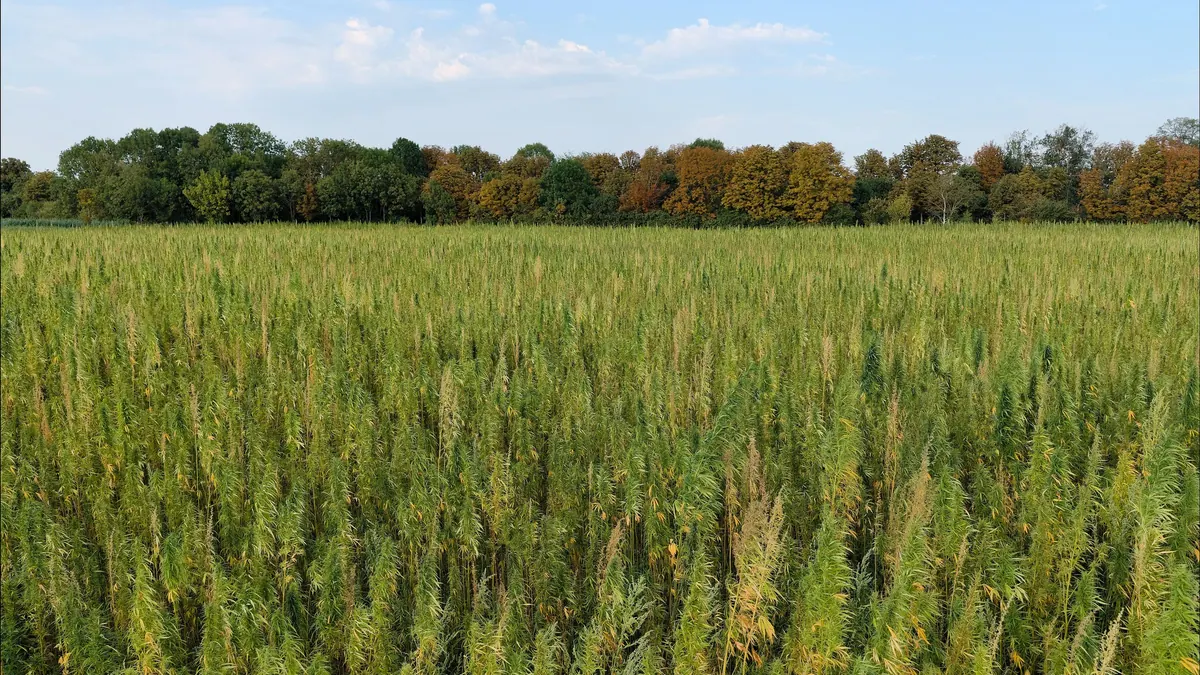
Hemp, stalks and whole plant — BMP: 3 studies, weighted mean 242 m³ CH₄/t VS
242 m³ CH₄/t VS weighted mean from 3 studies
≈52 %
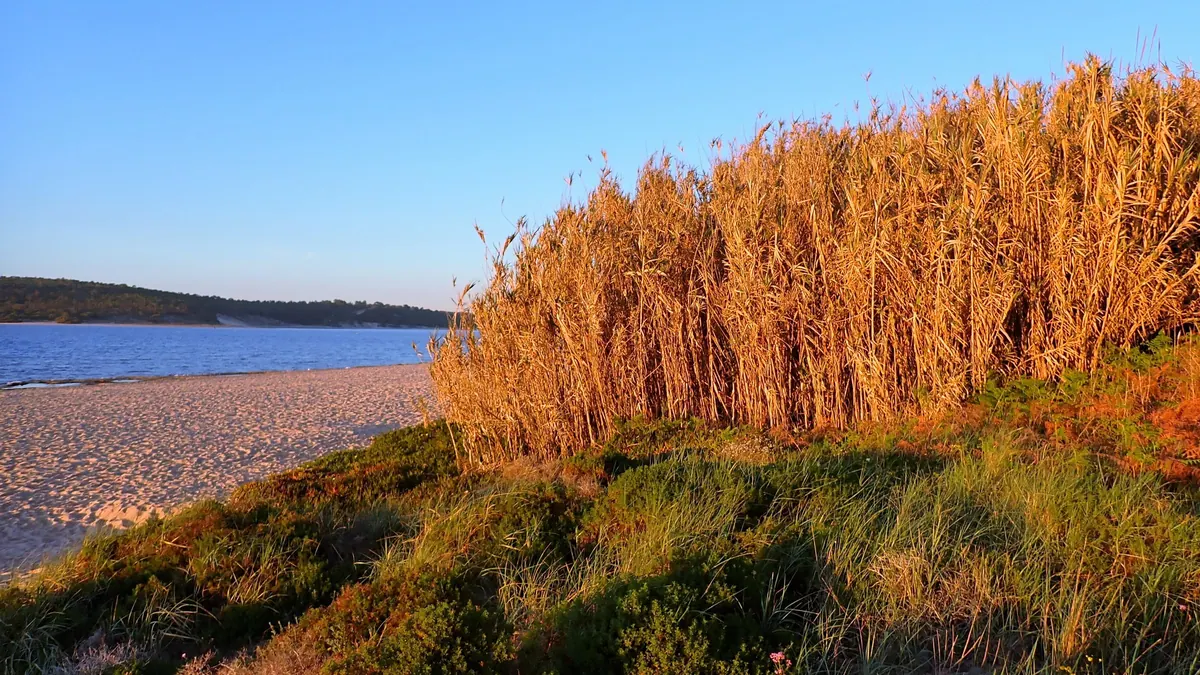
Giant reed — BMP: 3 studies, weighted mean 252 m³ CH₄/t VS
252 m³ CH₄/t VS weighted mean from 3 studies
≈52 %
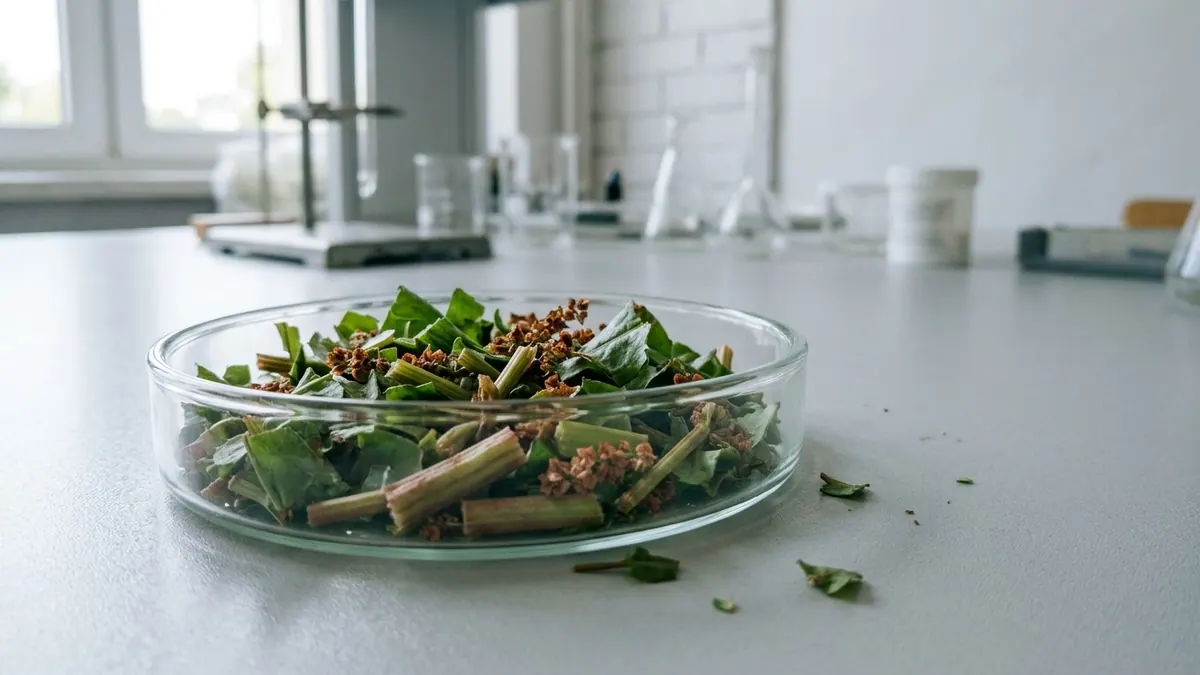
Energy dock — BMP: 5 studies, weighted mean 271 m³ CH₄/t VS
271 m³ CH₄/t VS weighted mean from 5 studies
≈52 %
Energycane (Saccharum hybrids) — BMP: 19 studies, weighted mean 281 m³ CH₄/t VS
281 m³ CH₄/t VS weighted mean from 19 studies
≈52 %