

BMP testingWild, invasive and medicinal plants
Common reed — BMP: 15 studies, weighted mean 170 m³ CH₄/t VS
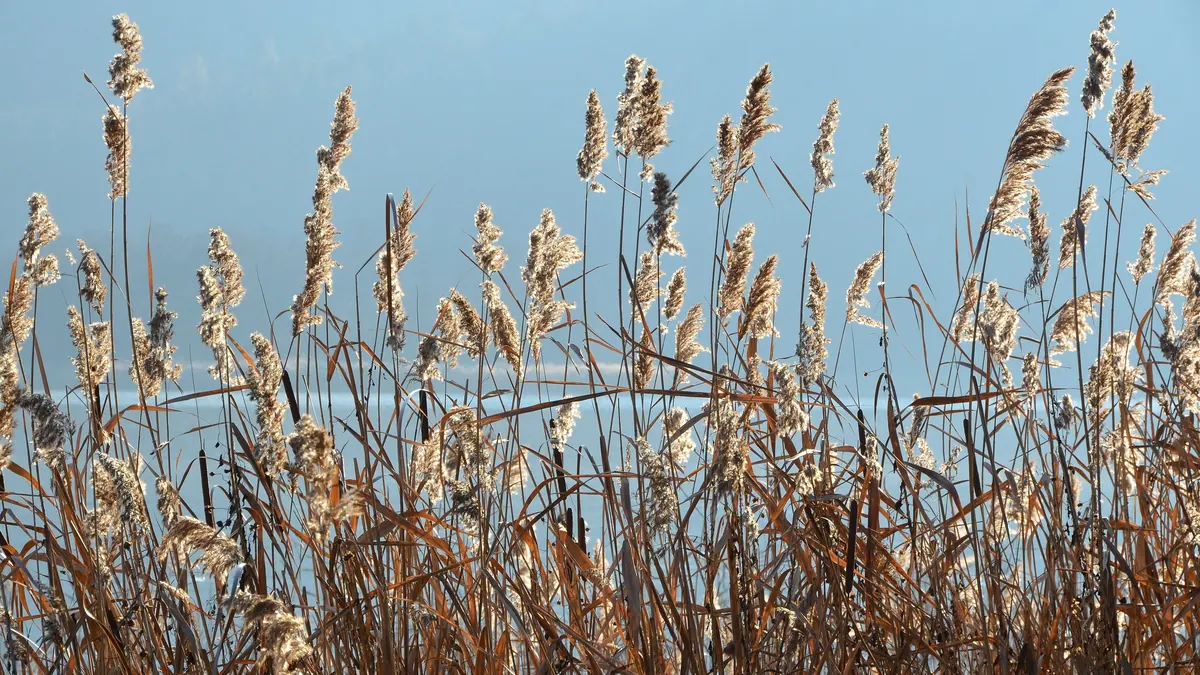
Common reed (Phragmites australis) is a widespread wetland plant harvested as paludiculture biomass; results depend on harvest date and genotype.
Photo Johann Jaritz / Wikimedia Commons, licence CC BY-SA 3.0 at, source file; changes: cropping

- Weighted mean
- 170m³ CH₄/t VS
- Range
- 138–244m³ CH₄/t VS
- Records
- 15studies
- Publications
- 4sources
- Temperatures
- 38 °Cof the test
Methane in biogas
Medium methane content · ≈ 5.2 kWh/m³ of biogas
estimate from the substrate type The collected studies contain no measurement. The interval follows from the approximate composition (carbohydrate-dominated (no protein or fat characteristics)) and the yields of compound groups according to FNR.
Rating for biogas plants
not rated — editorial rating for biogas plants
Not rated: no dry matter or volatile solids in the data. We calculate the rating when the dry matter and volatile solids of the material are known.
Add to the co-digestion calculator CSV data
BMP curves from 15 studies
Weighted mean Individual records
Dashed lines are a model curve (first-order kinetics, B(t) = B₀·(1 − e−kt)); the end point comes from the publication. All curves are model curves.
Cumulative methane production over the test [m³ CH₄/t VS]. The thick line is the weighted mean of all records (170); dots mark the end values given in the publications. Point at the chart to read values; click a legend item to hide or show a record.
Show the remaining records in the legend (3)
Records and sources
Download CSV| Source | BMP m³ CH₄/t VS | Temperature | Sample | Curve |
|---|---|---|---|---|
| Moeller et al. (2018) DOI | 169 | — | Reed (Phragmites australis), sample 21 | end point (model curve) |
| Baute et al. (2018) DOI | 140 | 38 °C · mesophilic | Phragmites australis (species mean) | end point (model curve) |
| Eller et al. (2020) · 1 DOI | 195 | — | Phragmites australis IT genotype, fertilization B | end point (model curve) |
| Eller et al. (2020) · 2 DOI | 200 | — | Phragmites australis NL genotype, fertilization A | end point (model curve) |
| Eller et al. (2020) · 3 DOI | 208 | — | Phragmites australis NL genotype, fertilization B | end point (model curve) |
| Eller et al. (2020) · 4 DOI | 223 | — | Phragmites australis IT genotype, fertilization C | end point (model curve) |
| Eller et al. (2020) · 5 DOI | 224 | — | Phragmites australis DK genotype, fertilization A | end point (model curve) |
| Eller et al. (2020) · 6 DOI | 225 | — | Phragmites australis IT genotype, fertilization A | end point (model curve) |
| Eller et al. (2020) · 7 DOI | 230 | — | Phragmites australis RO genotype, fertilization A | end point (model curve) |
| Eller et al. (2020) · 8 DOI | 233 | — | Phragmites australis RO genotype, fertilization C | end point (model curve) |
| Eller et al. (2020) · 9 DOI | 234 | — | Phragmites australis RO genotype, fertilization B | end point (model curve) |
| Eller et al. (2020) · 10 DOI | 236 | — | Phragmites australis NL genotype, fertilization C | end point (model curve) |
| Eller et al. (2020) · 11 DOI | 244 | — | Phragmites australis DK genotype, fertilization C | end point (model curve) |
| Czubaszek et al. (2021) · 1 DOI | 138 | — | Phragmites australis (PA), dry fermentation | end point (model curve) |
| Czubaszek et al. (2021) · 2 DOI | 160 | — | Phragmites australis (PA), wet fermentation | end point (model curve) |
| Weighted mean | 170 | arithmetic mean 204, SD 36 | ||
Process properties
Advantages
- Methane potential in the database: weighted mean 170 m³ CH₄/t VS (median 223; range 138–244; 15 records from 4 sources).
- The best-described wetland plant in the dataset (15 records); mean result 226 ± 19 L CH4/kg VS for European genotypes (Eller 2020).
Drawbacks and risks
- Spread of results in the database: standard deviation 36 at a mean of 204 m³ CH₄/t VS (15 records from 4 sources).
Co-digestion — what to combine it with, what to watch out for
- combines well
- combines well
Dosing
No source-based dose limits. In the comparative papers reed was digested as a mono-substrate in BMP tests — this is not evidence of a co-digestion dose.
Practical requirements
- Shred: shredding increases the surface available for degradation and speeds it up, but does not necessarily raise the final gas yield (FNR 2010, Ch. 3 “Triturado”).
- Provide for removal of sand and heavy contaminants: sand is often strongly bound to organic matter and is released only in the digester, and sediments reduce its usable capacity, so a scraper or bottom drain is needed (FNR 2010, Ch. 3).
Sources of the process data
- Eller, F.; Ehde, P.M.; Oehmke, C.; Ren, L.; Brix, H.; Sorrell, B.K.; Weisner, S.E.B. (2020) Biomethane Yield from Different European Phragmites australis Genotypes, Compared with Other Herbaceous Wetland Species Grown at Different Fertilization Regimes. Resources 9(5), 57
- Weiland, P. (2010) Biogas production: current state and perspectives. Applied Microbiology and Biotechnology
- Baute, K.; Van Eerd, L.L.; Robinson, D.E.; Sikkema, P.H.; Mushtaq, M.; Gilroyed, B.H. (2018) Comparing the Biomass Yield and Biogas Potential of Phragmites australis with Miscanthus x giganteus and Panicum virgatum Grown in Canada. Energies 11(9), 2198
- Herrmann, C. et al. (2016) Biogas crops grown in energy crop rotations: Linking chemical composition and methane production characteristics. Bioresource Technology
- Hendriks, A.T.W.M.; Zeeman, G. (2009) Pretreatments to enhance the digestibility of lignocellulosic biomass. Bioresource Technology
- Moeller, L.; Bauer, A.; Wedwitschka, H.; Stinner, W.; Zehnsdorf, A. (2018) Crop Characteristics of Aquatic Macrophytes for Use as a Substrate in Anaerobic Digestion Plants—A Study from Germany. Energies 11(11), 3016
- Czubaszek, R.; Wysocka-Czubaszek, A.; Wichtmann, W.; Banaszuk, P. (2021) Specific Methane Yield of Wetland Biomass in Dry and Wet Fermentation Technologies. Energies 14(24), 8373
- FNR (2010). Guía sobre el Biogás – Desde la producción hasta el uso (hiszp. wydanie „Leitfaden Biogas”, GIZ 2013)
The co-digestion calculator will assess a specific mixture containing this substrate.
What it is and where it comes from
Common reed (Phragmites australis) grows on the banks of lakes and rivers, in wetlands and in constructed wetlands throughout Poland and Europe. The biomass has traditionally been harvested as a raw material for thatching roofs, and is now also used as an energy material and in so-called paludiculture, that is, cultivation on waterlogged organic soils. Studies have described reed from Germany, Canada and from a genotype experiment (IT, NL) under different fertilisation.
Properties relevant to digestion
Reed is a lignocellulosic material with a high content of cellulose, hemicellulose and lignin and a low content of soluble sugars. Its composition depends on the harvest date: summer biomass is greener and contains more protein and water, whereas winter biomass is dry, lignified and poorer in nitrogen. Digestibility is therefore lower for winter harvests. Without shredding the structure is poorly accessible, and long stems clog feeding systems. The high C/N ratio requires the addition of nitrogen. The material may contain soil and silt from the habitat.
How to read the spread of results
The fifteen records from several sources include samples from different countries, species averages and genotypes grown at two fertilisation levels, so the spread reflects real variability of the material. The most important factors are harvest date, genotype, fertilisation, stem age, degree of shredding, test duration and inoculum. Some records do not state the temperature; one is for mesophilic conditions at 38 °C.
In biogas plant practice
Reed is an additive of limited potential that requires shredding and often pretreatment. It combines well with slurry and with material that hydrolyses quickly. Winter harvesting is convenient logistically, but yields less digestible biomass. Availability depends on wetland protection policy and peatland rewetting. In protected areas, reed harvesting is subject to environmental restrictions that must be checked before planning supplies.
In addition, reed from constructed wetlands may contain elevated amounts of heavy metals and nutrients accumulated during water treatment, which must be checked before it is used and before the digestate is applied. For this reason the origin of the batch is as important as the BMP result.
Finally, there is the question of seasonal access to reed beds: winter harvesting requires frozen ground or specialist machinery, and mowing during the bird breeding season is sometimes restricted, which affects the real supply of biomass.
Methodology in brief
BMP is the amount of methane obtained from volatile solids (VS) in a batch test, given in m³ CH₄ per tonne of VS (numerically the same as NmL CH₄/g VS in the publications) and converted to normal conditions (0 °C, 101.325 kPa). The weighted mean gives each publication a total weight of 1, split equally between its results for the substrate — a paper testing twenty varieties does not outweigh a paper with a single sample. In inter-laboratory programmes the unit is the laboratory (total weight 1), and within it the weight of a test grows with the number of bottles (replicates). Results after pretreatment (e.g. thermal, chemical, enzymatic) are shown separately and are not included in the mean.
Solid lines are curves measured in the tests. Where a publication gives only the final result, we draw a first-order kinetic model, B(t) = B₀·(1 − e−kt): only the end point comes from the publication, and the shape of the curve serves purely as visualisation — do not read the production on a particular day from it. For this substrate k = 0.134 d−1 was assumed (median of rate constants k reported in the sources and/or fitted to the mean measured curves).
The statistics describe the spread of published results — a descriptive compilation, not a meta-analysis or a guarantee of plant yield.
Bibliography
- Moeller, L.; Bauer, A.; Wedwitschka, H.; Stinner, W.; Zehnsdorf, A. (2018). Crop Characteristics of Aquatic Macrophytes for Use as a Substrate in Anaerobic Digestion Plants—A Study from Germany. Energies 11(11), 3016. DOI: 10.3390/en11113016 DOI
- Baute, K.; Van Eerd, L.L.; Robinson, D.E.; Sikkema, P.H.; Mushtaq, M.; Gilroyed, B.H. (2018). Comparing the Biomass Yield and Biogas Potential of Phragmites australis with Miscanthus x giganteus and Panicum virgatum Grown in Canada. Energies 11(9), 2198. DOI: 10.3390/en11092198 DOI
- Eller, F.; Ehde, P.M.; Oehmke, C.; Ren, L.; Brix, H.; Sorrell, B.K.; Weisner, S.E.B. (2020). Biomethane Yield from Different European Phragmites australis Genotypes, Compared with Other Herbaceous Wetland Species Grown at Different Fertilization Regimes. Resources 9(5), 57. DOI: 10.3390/resources9050057 DOI
- Czubaszek, R.; Wysocka-Czubaszek, A.; Wichtmann, W.; Banaszuk, P. (2021). Specific Methane Yield of Wetland Biomass in Dry and Wet Fermentation Technologies. Energies 14(24), 8373. DOI: 10.3390/en14248373 DOI
All sources of the site: bibliography.
Other substrates in the group “Wild, invasive and medicinal plants”
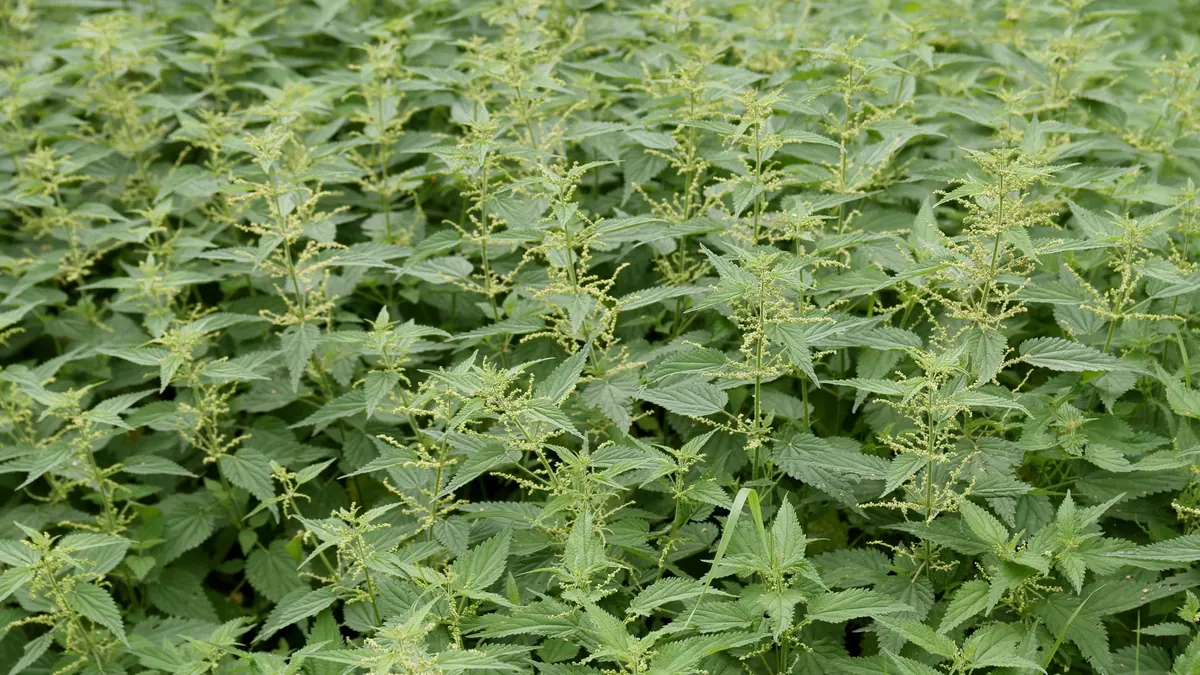
Stinging nettle — BMP: 2 studies, weighted mean 315 m³ CH₄/t VS
315 m³ CH₄/t VS weighted mean from 2 studies
≈52 %
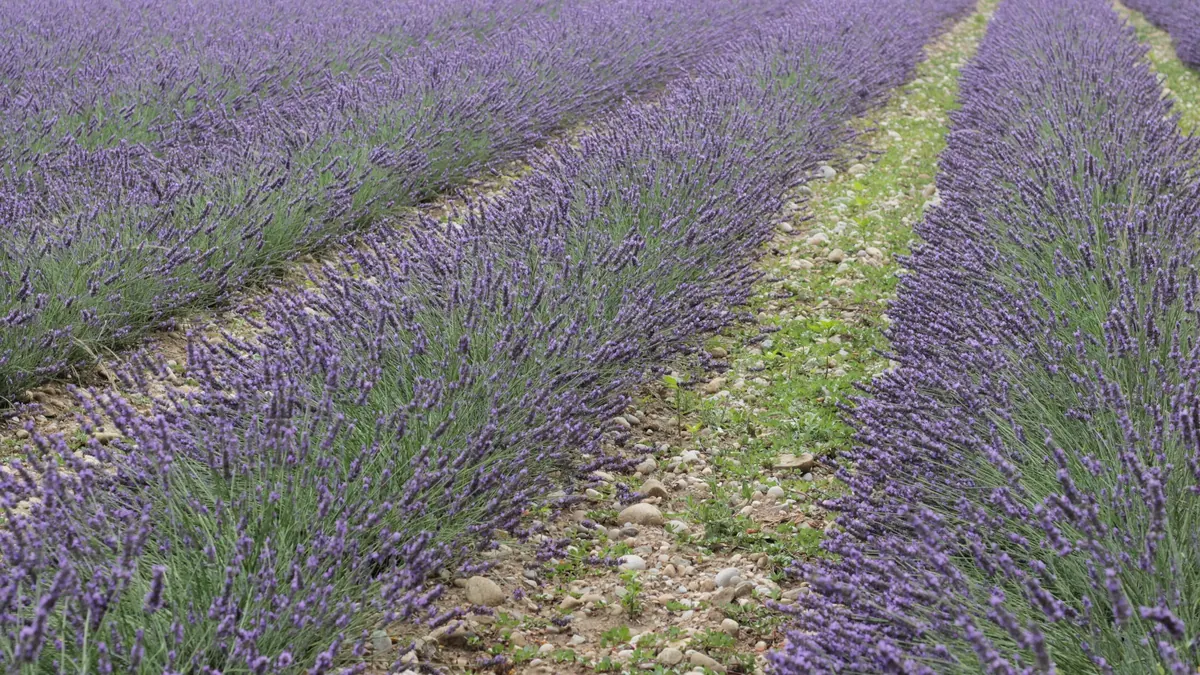
Lavender flowers and distillation residues — BMP: 2 studies, weighted mean 186 m³ CH₄/t VS
186 m³ CH₄/t VS weighted mean from 2 studies
≈52 %
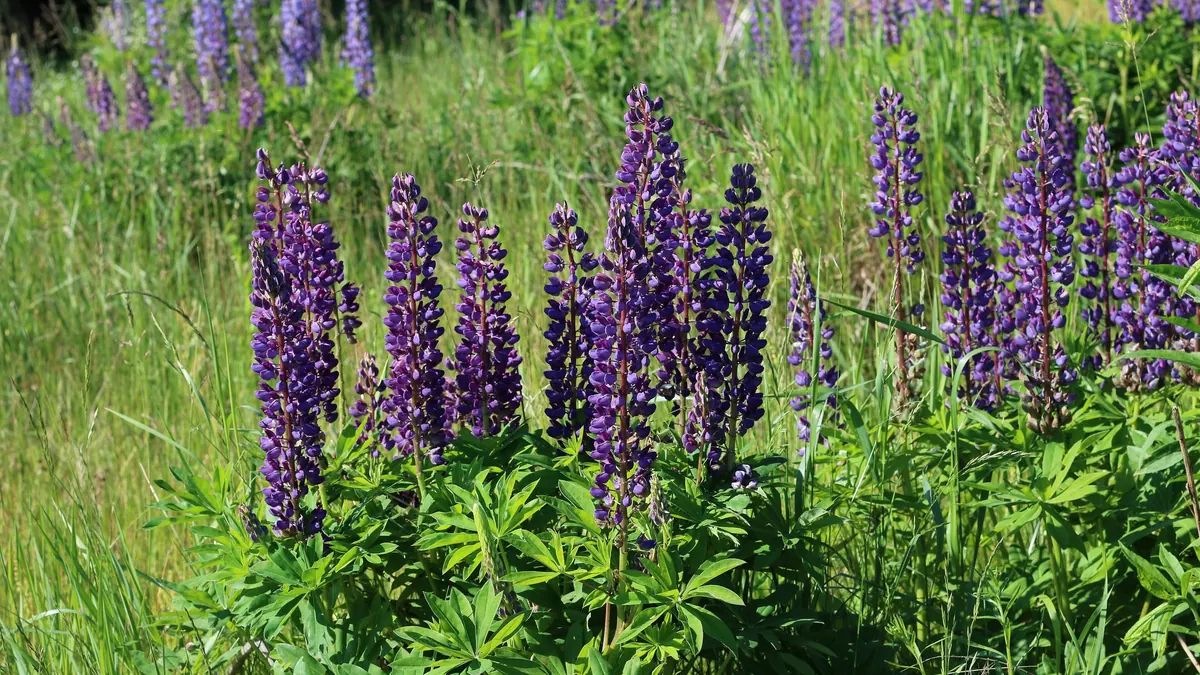
Bigleaf lupine — BMP: 2 studies, weighted mean 335 m³ CH₄/t VS
335 m³ CH₄/t VS weighted mean from 2 studies
≈52 %
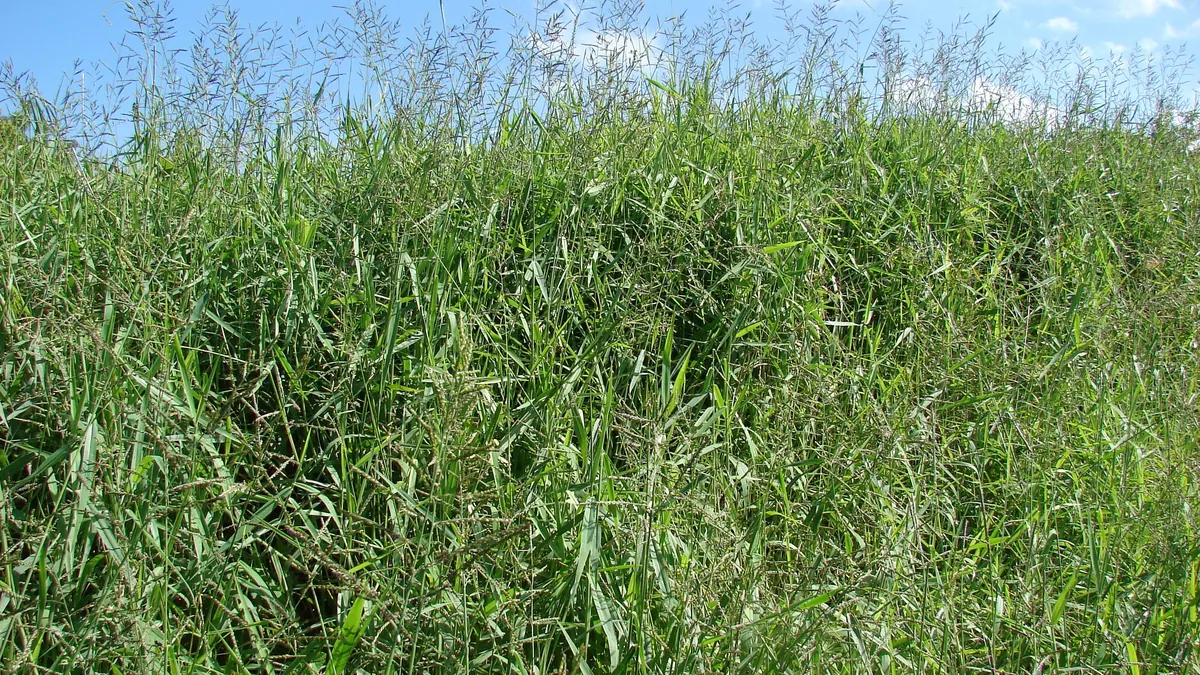
Para grass — BMP: 2 studies, weighted mean 240 m³ CH₄/t VS
240 m³ CH₄/t VS weighted mean from 2 studies
≈52 %