

BMP testingWild, invasive and medicinal plantssingle study (2 samples)
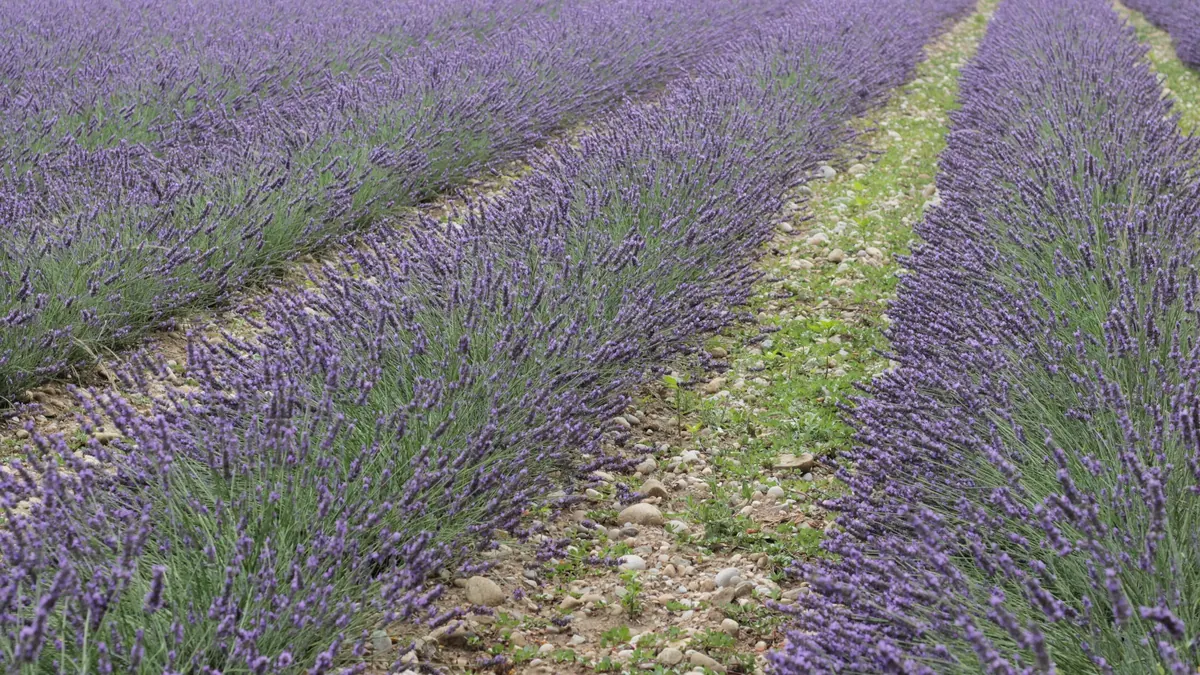
Lavender flowers and distillation residues — BMP: 2 studies, weighted mean 186 m³ CH₄/t VS
Lavender flowers and residues after oil distillation are a herb waste of low lignin; essential oils in fresh flowers can inhibit digestion.
Photo John Samuel / Wikimedia Commons, licence CC BY-SA 4.0, source file; changes: cropping

- Weighted mean
- 186m³ CH₄/t VS
- Range
- 171–200m³ CH₄/t VS
- Records
- 2single study (2 samples)
- Publications
- 1source
- Temperatures
- 38 °Cof the test
Methane in biogas
Medium methane content · ≈ 5.2 kWh/m³ of biogas
estimate from the substrate type The collected studies contain no measurement. The interval follows from the approximate composition (protein from total nitrogen (N 0.9 % DM × 6.25)) and the yields of compound groups according to FNR.
Rating for biogas plants
not rated — editorial rating for biogas plants
Not rated: the dry matter in the data refers to a sample dried for the test, not to the material as delivered. We calculate the rating when the dry matter and volatile solids of the material are known.
Add to the co-digestion calculator CSV data
BMP curves from 2 studies
Weighted mean Individual records
Dashed lines are a model curve (first-order kinetics, B(t) = B₀·(1 − e−kt)); the end point comes from the publication. All curves are model curves.
Cumulative methane production over the test [m³ CH₄/t VS]. The thick line is the weighted mean of all records (186); dots mark the end values given in the publications. Point at the chart to read values; click a legend item to hide or show a record.
Records and sources
Download CSV| Source | BMP m³ CH₄/t VS | Temperature | Sample | Curve |
|---|---|---|---|---|
| Lallement et al. (2023) · 1 DOI | 171 | 38 °C · mesophilic | flower residue lavender | end point (model curve) |
| Lallement et al. (2023) · 2 DOI | 200 | 38 °C · mesophilic | flower lavender | end point (model curve) |
| Weighted mean | 186 | arithmetic mean 186, SD 21 | ||
Typical composition
- Dry matter (DM)
- 85.8% (range 82.8–88.7)
- Volatile solids (VS)
- 93 % DM (range 92–94)
- Nitrogen
- 0.9 % DM
- C/N ratio
- 57.4
Median and range of the determinations reported in the publications behind this substrate's BMP records (read from: MY-D); dry matter: 2 determinations, volatile solids: 2 determinations. C/N was calculated as the ratio of C and N content (% DM) from the same source.
Sources: Lallement et al. (2023).
The composition of the raw material varies between batches — for plant calculations use an analysis of your own sample. The calculator inserts typical values automatically.
Process properties
Low confidence: the description is based on general characteristics of the substrate group, not on studies of this material. Treat it as a hint to be verified.
Advantages
- Methane potential in the database: weighted mean 186 m³ CH₄/t VS (median 186; range 171-200; 2 records from 1 source).
- Described in a modern database of the composition and methane potential of biomasses (Lallement 2023).
Drawbacks and risks
- Spread of results in the database: standard deviation 21 at a mean of 186 m³ CH₄/t VS (2 records from 1 source).
Co-digestion — what to combine it with, what to watch out for
- combines well
group: Animal excreta (slurry, manure, poultry litter)
Dilution in slurry reduces the concentration of any inhibitors.[1]
Dosing
No dose data; add gradually as a lignocellulosic supplement.
Introduce gradually, starting with a small dose and monitoring the process (e.g. FOS/TAC, pH, gas composition).
Practical requirements
- Shred: shredding increases the surface available for degradation and speeds it up, but does not necessarily raise the final gas yield (FNR 2010, Ch. 3 “Triturado”).
Sources of the process data
- Weiland, P. (2010) Biogas production: current state and perspectives. Applied Microbiology and Biotechnology
- Chen, Y.; Cheng, J.J.; Creamer, K.S. (2008) Inhibition of anaerobic digestion process: A review. Bioresource Technology
- Hendriks, A.T.W.M.; Zeeman, G. (2009) Pretreatments to enhance the digestibility of lignocellulosic biomass. Bioresource Technology
- Lallement, A.; Peyrelasse, C.; Lagnet, C.; Barakat, A.; Schraauwers, B.; Maunas, S.; Monlau, F. (2023) A Detailed Database of the Chemical Properties and Methane Potential of Biomasses Covering a Large Range of Common Agricultural Biogas Plant Feedstocks. Waste 1(1), 195–227
- FNR (2010). Guía sobre el Biogás – Desde la producción hasta el uso (hiszp. wydanie „Leitfaden Biogas”, GIZ 2013)
The co-digestion calculator will assess a specific mixture containing this substrate.
What it is and where it comes from
Lavender (Lavandula angustifolia) is grown for its flowers and essential oil. In Poland the plantations are small, and waste arises after harvest and steam distillation. The residue after distillation, i.e. the spent biomass, is usually composted or burned. The dataset describes both lavender flowers and residues after distillation.
Properties relevant to digestion
Lavender biomass is fibrous in character: it contains cellulose, hemicellulose and lignin, and also protein and small amounts of sugars. Fresh flowers contain an essential oil with linalool and linalyl acetate, which have antimicrobial activity and can lower the activity of methanogens at high concentrations. After distillation most of the oil is removed, which reduces the risk of inhibition. The material is dry or semi-dry, tolerates storage well and is easy to size-reduce.
How to read the spread of results
The dataset contains several records from a single study, under mesophilic conditions at 38 °C: flower residues and lavender flowers. The results are similar. Differences between fresh flowers and residue after distillation depend on the degree of oil removal, the lavender variety, the harvest date, size reduction and the inoculum. A single study does not allow variability between laboratories to be assessed or the result to be applied to other varieties.
In biogas plant practice
Lavender is of marginal significance and can supplement the feed on herb farms that process their own biomass. The residue after distillation is safer for the process than fresh flowers. It should be size-reduced and introduced in a small share with slurry. Waste from herb processing from outside the farm is waste, and residues from the farm's own cultivation are treated as agricultural products.
For producers of lavender oil, digestion of the residue after distillation can be a way of managing the waste without composting. Before implementation, however, the dry matter and residual oil content in the specific batch should be confirmed, because distillation efficiency differs between plants.
If only fresh lavender biomass is available, it is safer to wilt it or ensile it with other green forage, because part of the oil then volatilises and the threat to the microflora decreases.
The value of these results is limited to the range of varieties and the distillation technology used in the study. In the practice of lavender plantations the waste is dispersed and seasonal, so composting on site is usually more cost-effective than transport to a biogas plant.
Methodology in brief
BMP is the amount of methane obtained from volatile solids (VS) in a batch test, given in m³ CH₄ per tonne of VS (numerically the same as NmL CH₄/g VS in the publications) and converted to normal conditions (0 °C, 101.325 kPa). The weighted mean gives each publication a total weight of 1, split equally between its results for the substrate — a paper testing twenty varieties does not outweigh a paper with a single sample. In inter-laboratory programmes the unit is the laboratory (total weight 1), and within it the weight of a test grows with the number of bottles (replicates). Results after pretreatment (e.g. thermal, chemical, enzymatic) are shown separately and are not included in the mean.
Solid lines are curves measured in the tests. Where a publication gives only the final result, we draw a first-order kinetic model, B(t) = B₀·(1 − e−kt): only the end point comes from the publication, and the shape of the curve serves purely as visualisation — do not read the production on a particular day from it. For this substrate k = 0.134 d−1 was assumed (median of rate constants k reported in the sources and/or fitted to the mean measured curves).
The statistics describe the spread of published results — a descriptive compilation, not a meta-analysis or a guarantee of plant yield.
Bibliography
- Lallement, A.; Peyrelasse, C.; Lagnet, C.; Barakat, A.; Schraauwers, B.; Maunas, S.; Monlau, F. (2023). A Detailed Database of the Chemical Properties and Methane Potential of Biomasses Covering a Large Range of Common Agricultural Biogas Plant Feedstocks. Waste 1(1), 195–227. DOI: 10.3390/waste1010014 DOI
All sources of the site: bibliography.
Other substrates in the group “Wild, invasive and medicinal plants”
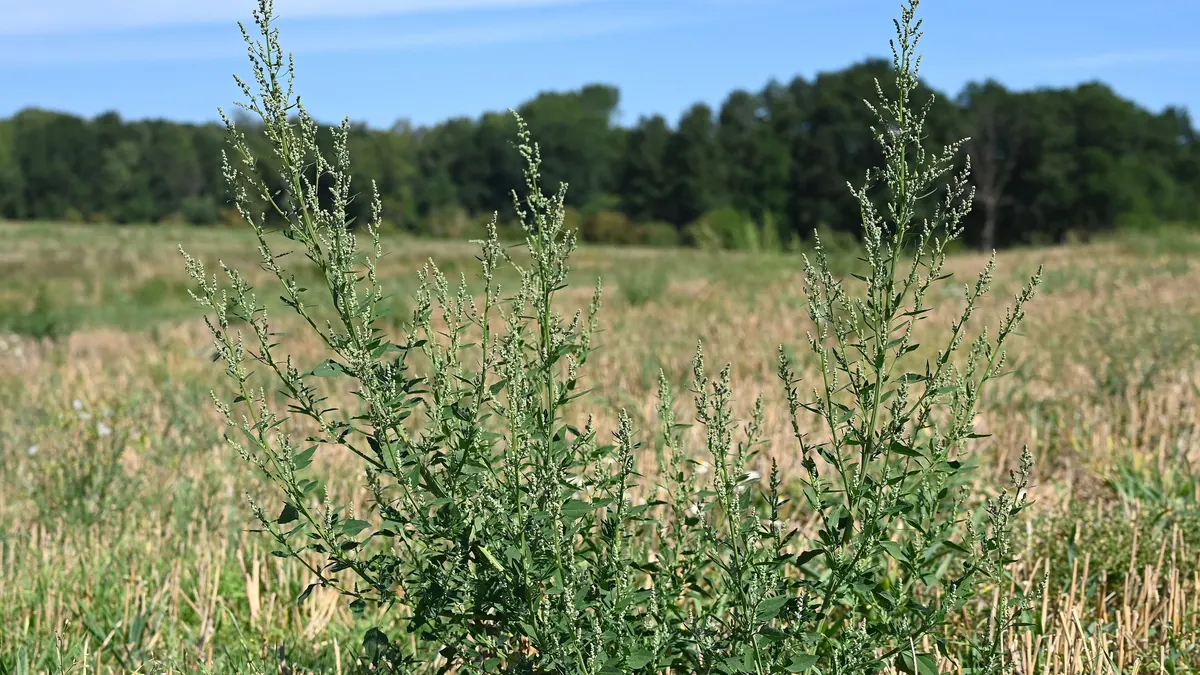
Fat hen (Chenopodium album) — BMP: 2 studies, weighted mean 216 m³ CH₄/t VS
216 m³ CH₄/t VS weighted mean from 2 studies
≈52 %
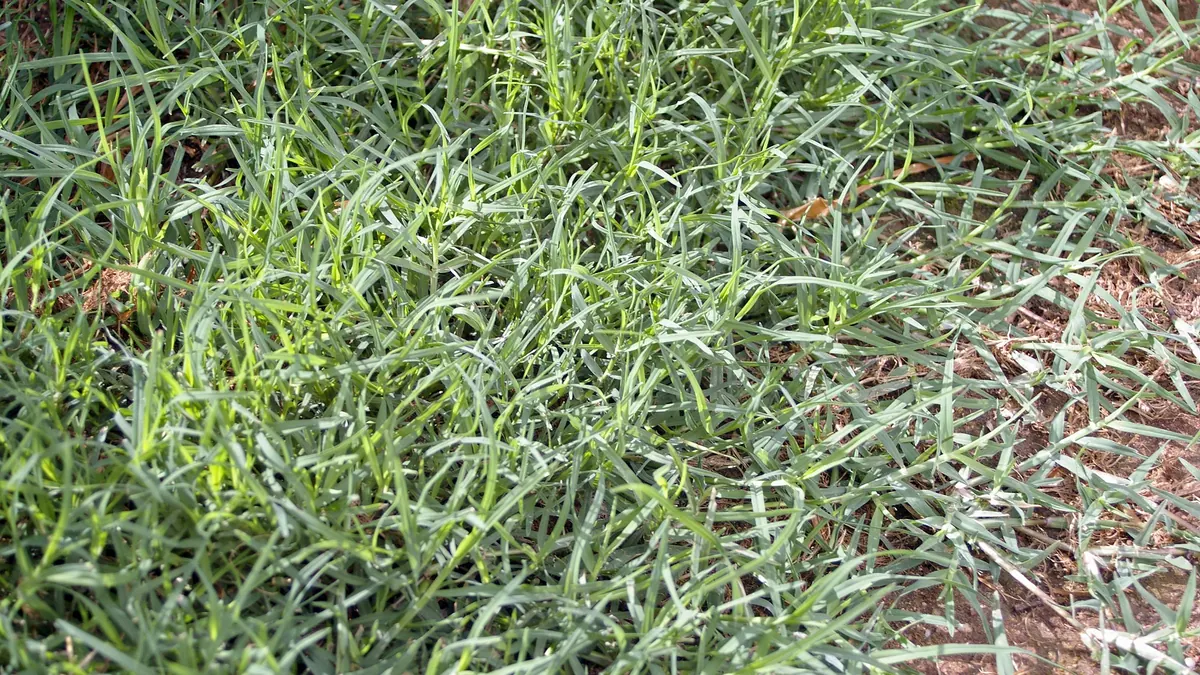
Bermuda grass — BMP: 5 studies, weighted mean 202 m³ CH₄/t VS
202 m³ CH₄/t VS weighted mean from 5 studies
good — editorial rating for biogas plants≈52 %
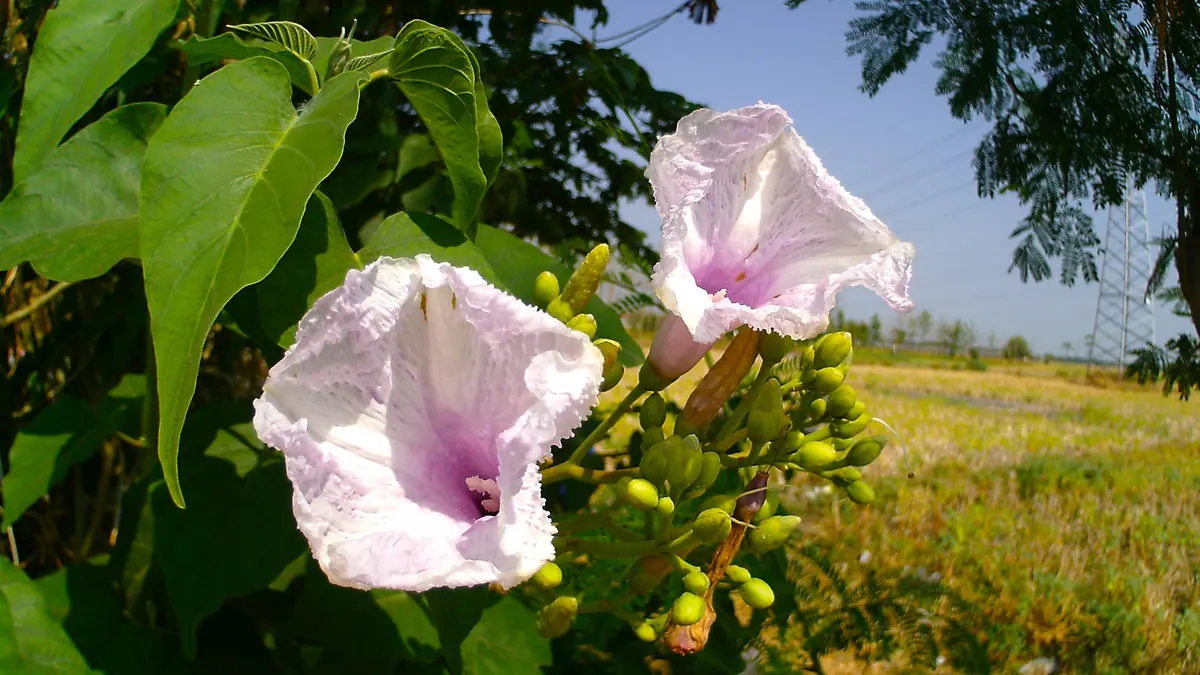
Ipomoea fistulosa leaves — BMP: 5 studies, weighted mean 415 m³ CH₄/t VS
415 m³ CH₄/t VS weighted mean from 5 studies
very good — editorial rating for biogas plants≈52 %
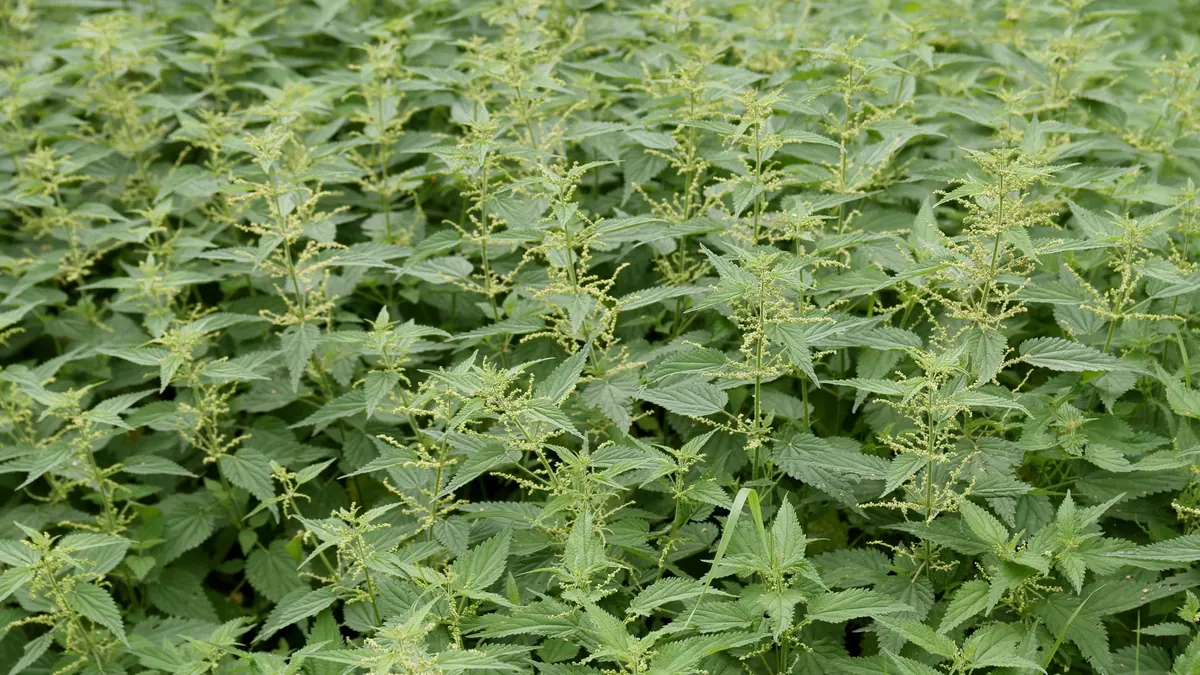
Stinging nettle — BMP: 2 studies, weighted mean 315 m³ CH₄/t VS
315 m³ CH₄/t VS weighted mean from 2 studies
≈52 %