Waste-to-energyEvent
Bogotá: biogas from Doña Juana — 1.7 MW today and a plan for over 25 MW by 2022
Bogotá's authorities described the biogas recovery system at the Doña Juana landfill: 1.7 MW of capacity, about 290 wells, 11,700 m³/h of gas and a plan to exceed 25 MW by 2022.
Other language versions: polski.
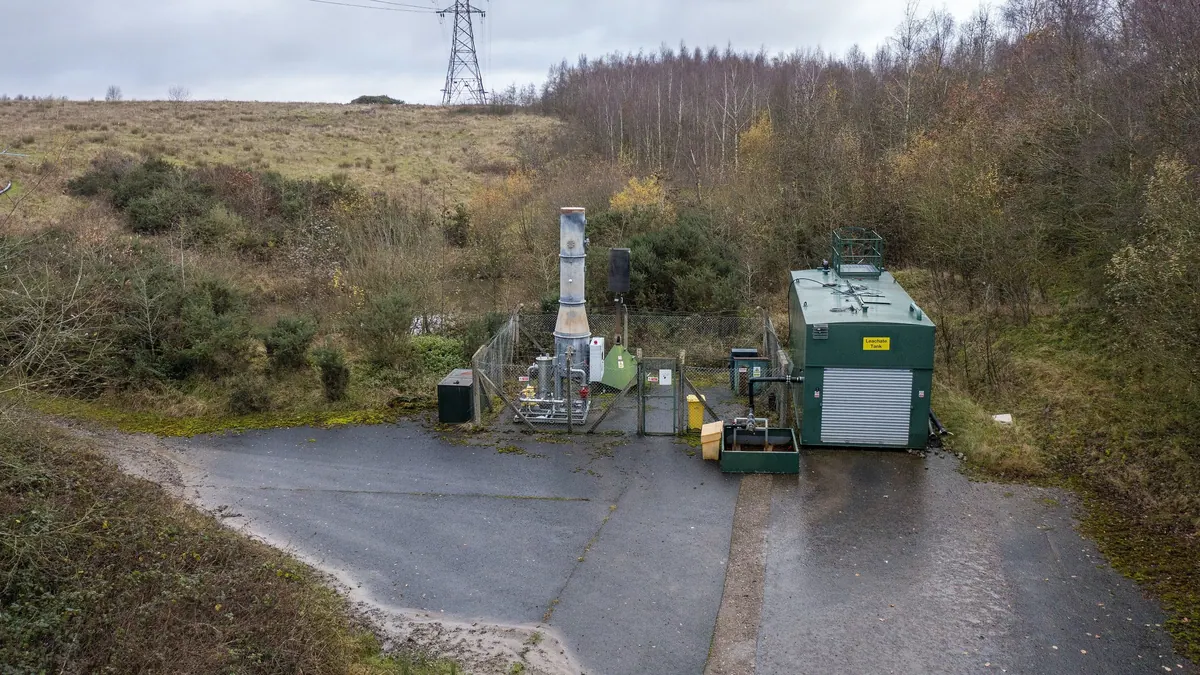

The Doña Juana landfill, Bogotá's main waste disposal site, produces biogas that is captured and flared, and part of it is used to generate electricity. According to city information from August 2021 (a UAESP post of 5 August), 1.7 MW was being generated at that time, enough for about 4,000 homes, and the plan was to exceed 25 MW by 2022, which would supply over 60,000 households.
Scale of the system
The city reported that about 290 wells have been drilled in the waste, and a 76-kilometre high-density polyethylene pipeline carries the gas to three stacks, where it is flared. About 11,700 m³ of biogas per hour is captured, against a target of 16,000 m³/h. As a result, almost 800,000 tonnes of CO₂ a year (in equivalent) do not reach the atmosphere, and after the expansion the target is 1,156,000 tonnes.
Where the project comes from
According to statements by Freddy Aldana of UAESP, the gas is burned at a temperature above a thousand degrees, and part of it is directed to electricity generation systems, with the power sold to the national grid. The emission reductions translate into Certified Emission Reductions (carbon credits) sold on the domestic and international market; these give the city income (Spanish regalías) exceeding 3 billion pesos. 20% of the credits is transferred to the District, and 4% of the energy, which gives a total of 24% of funds allocated to social projects in the landfill's impact zone. The project operator is the company Biogás Doña Juana.
Why it matters
Doña Juana is one of Colombia's largest landfills, and gas capture reduces methane emissions and odour nuisance. In the project discussed, the main product is electricity, not biomethane; we did not analyse the regulations on biomethane injection into the grid in Colombia.
For residents of the surrounding neighbourhoods, biogas capture also has practical significance, because it reduces the odour nuisance of the landfill.
Uncertainties
We have not established whether the plan to exceed 25 MW was achieved, and we do not know the plant's current capacity. The city's information did not give the year the power plant was commissioned. The figures on emission reductions differ between announcements, so it is worth checking the operator's latest data.
What this means for Poland and Europe
In large cities, landfills are often integrated with biogas-based power generation. The Bogotá case shows that the main obstacle is often not the gas capture itself but the sale of energy and obtaining financing from the emissions allowance market, which can be unstable.
Sources
Related articles