Law and regulationEvent
China: 77 biomass energy projects in 2020 central support, including 13 biogas projects
The NDRC and NEA announced a list of 77 biomass energy projects for 2020 with central support: 1.714 GW, a limit of 1.5 billion yuan. Biogas accounts for 13 projects and 21 MW.
Other language versions: polski.
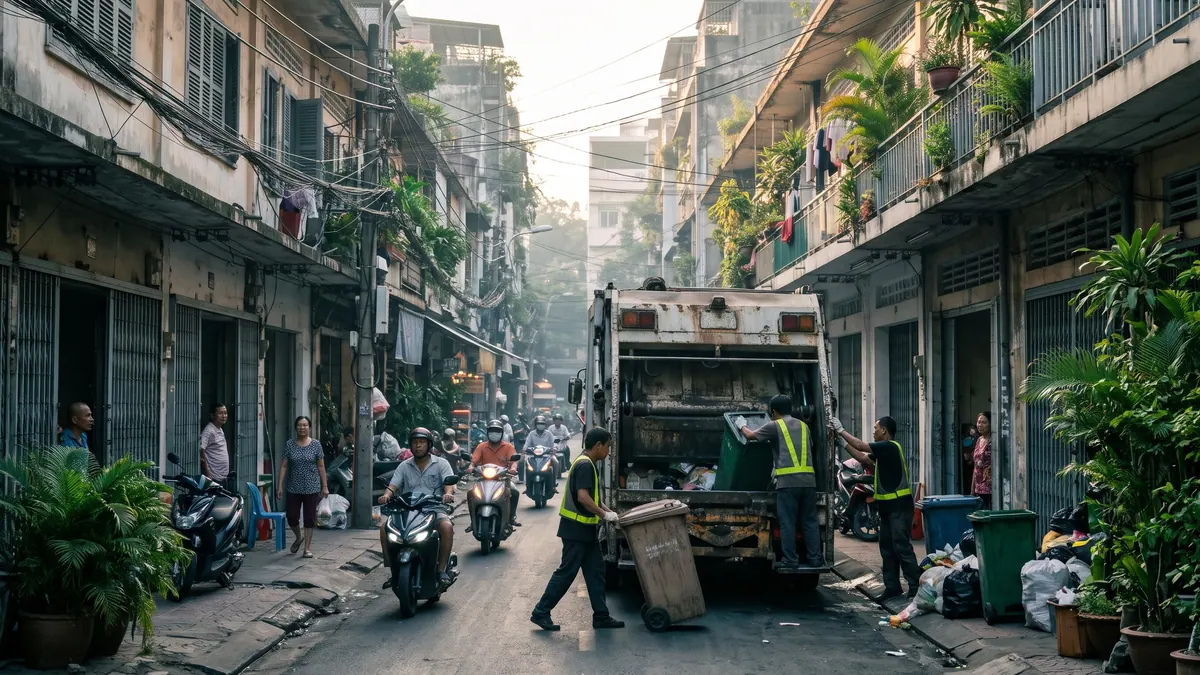
Chinese support for energy from biomass in 2020 was no longer a simple rate per kilowatt-hour, but a limited central budget in which projects competed for a place. The November notice shows how small a share biogas had in it.
What was announced
Notice No. 865 (2020) of the General Offices of the National Development and Reform Commission (NDRC) and the National Energy Administration (NEA), dated 17 November and published on 25 November 2020, gives the results of project applications for central support for biomass energy. 77 projects from 20 provinces and regions were selected. The breakdown is as follows:
| Project type | Number | Capacity |
|---|---|---|
| agricultural and forestry biomass | 18 | about 530 MW |
| waste incineration | 46 | about 1.163 GW |
| biogas | 13 | about 21 MW |
| total | 77 | 1.714 GW |
The total subsidy demand of the selected projects reached 1.5 billion yuan, i.e. the amount of new central funds provided for 2020. Under the implementation plan (No. 1421 of 2020), once the annual pool is exhausted local authorities may not approve further projects that need central support.
How projects were selected
The provinces first carried out applications, verification and publication, and then the National Renewable Energy Information Management Centre carried out a uniform assessment and ranking of projects without reservations. The notice does not set out the ranking criteria.
Background: the 2010 tariff
The national tariff for agricultural and forestry biomass, announced by the NDRC in 2010, was 0.75 yuan/kWh (about USD 0.11 according to the IEA). The earlier supplement, introduced in 2006 by NDRC implementing rules to the renewable energy act, is 0.25 yuan/kWh added to the coal-fired energy prices in the given province and applicable for 15 years. The difference relative to conventional prices was covered by a charge on energy consumers.
Conclusion
Biogas is a margin of the Chinese support system: 21 MW against more than 1.1 GW of incinerators. To put the scale in perspective: even a single large waste incinerator can have a capacity of several dozen MW. The trend is clear: the pool of central funds is limited and projects compete for support, which means declining predictability for the investor.
Sources
Related articles