BiomethaneEvent
Gas package: definitions of renewable and low-carbon gases and easier access for biomethane
On 15 December 2021 the Commission proposed a directive and a regulation reforming the gas market: definitions of renewable and low-carbon gases, certification, easier grid access and tariff discounts for renewable gases.
Other language versions: polski.
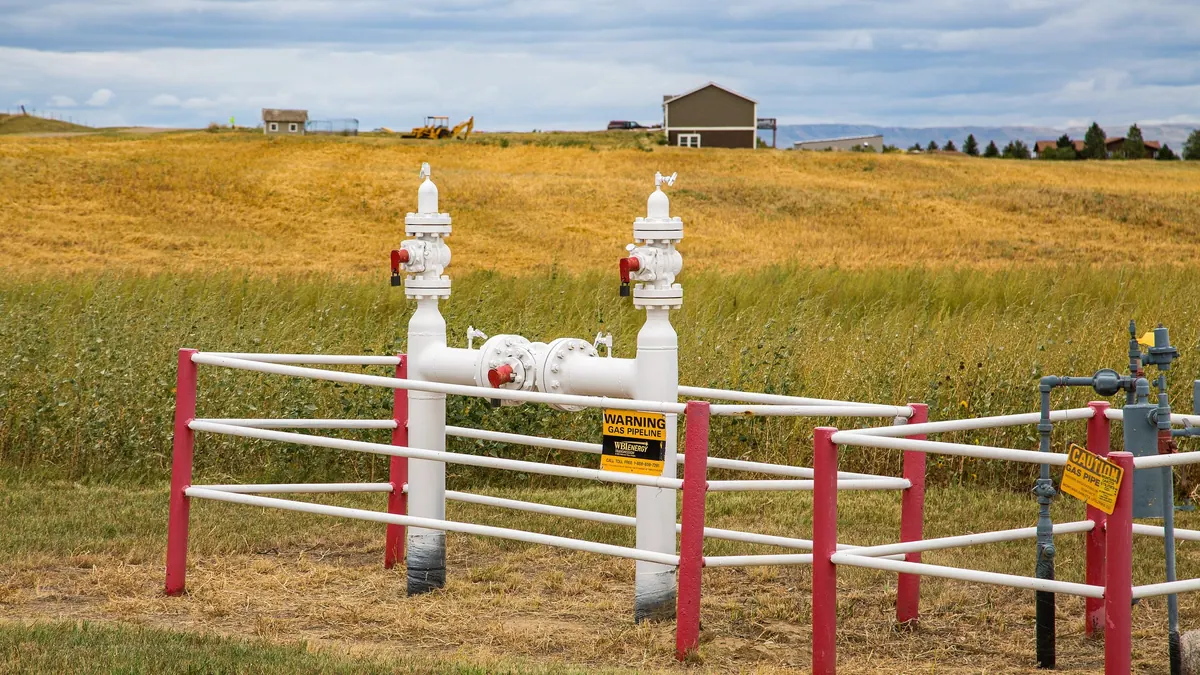

On 15 December 2021 the European Commission presented the gas package (Hydrogen and Decarbonised Gas Market Package): a proposal for a directive (COM(2021) 803) and a regulation (COM(2021) 804) on common rules for the markets for renewable gases, natural gas and hydrogen. The package is meant to align the law with climate goals: to define renewable and low-carbon gases, make it easier to feed them into the grid and gradually reduce the role of fossil gas.
Main elements
- definitions – introducing uniform definitions of renewable gas (including biomethane and renewable hydrogen) and low-carbon gas (including hydrogen and gaseous fuels meeting a life-cycle emission reduction threshold);
- certification and guarantees of origin – a system confirming origin and emission reductions, including in cross-border trade;
- tariff discounts – reduced network charges for feeding renewable and low-carbon gases into the grid;
- connection – obligations on network operators concerning the connection of renewable gas producers;
- hydrogen – rules for the operation of hydrogen networks and the hydrogen market;
- limiting contracts – a ban on concluding new long-term contracts for natural gas supplies without emission abatement whose term would extend beyond 2049.
The proposal did not, however, introduce a binding target for the share of renewable gases, which some of the industry had sought, including the Gas for Climate consortium.
Significance for biomethane
For biomethane producers the package is the most important EU act since the Renewable Energy Directive. Discounts on charges and the obligation to connect reduce the costs of market entry, and the certification system creates a basis for trading the renewable attribute. In Poland this meant that national regulations for biomethane, on which the ministry had been working since the sector agreement in November, would have to take the EU framework into account.
Tensions
The package provoked a debate about the role of natural gas, low-carbon hydrogen and nuclear energy in the future mix, and about the balance between renewable gases and hydrogen. Representatives of the biogas industry pointed out that the definitions and criteria must be simple to apply for small producers.
What next
The proposals went to the European Parliament and the Council. For investors, the key questions were whether the discounts and connection provisions would be kept in the final texts and what emission reduction criteria would be adopted for low-carbon gases.
What about quantitative targets
The absence of a binding target for renewable gases meant that their development was to be driven primarily by rules on grid access, tariffs and certification, and by the targets contained in the Renewable Energy Directive. Part of the industry considered this too weak a signal for investors, while network operators pointed to the need to preserve flexibility and technological neutrality.
Impact on Poland
For Poland the package meant the need to adapt energy law: rules on connection, tariffs and the system of guarantees of origin for gases. Polish entities, including the transmission system operator and distribution companies, therefore had time to prepare for the changes, and national work on biomethane regulations could be synchronised with the EU ones.
Sources
Questions and answers
What is low-carbon gas in the gas package?
It includes hydrogen and gaseous fuels produced from fossil fuels with CO₂ capture or from nuclear energy that meet the life-cycle emission reduction threshold. It is distinguished from renewable gases, including biomethane, by the source of the feedstock.
Related articles