IPCC: report on climate change impacts and adaptation. What does it mean for agriculture and waste?
On 28 February 2022 the IPCC published Part II of its Sixth Assessment Report – on climate change impacts and adaptation. Its conclusions on agriculture and food systems also affect the biogas industry.
Other language versions: polski.
On 28 February 2022 the Intergovernmental Panel on Climate Change (IPCC) published the Working Group II report of its Sixth Assessment Report (AR6), entitled "Climate Change 2022: Impacts, Adaptation and Vulnerability". The document assesses the impacts of climate change, the vulnerability of natural and social systems, and the possibilities for adaptation. The main message is unequivocal: risks are growing faster than previously assumed, and the possibilities for adaptation shrink with every further degree of warming.
What changes
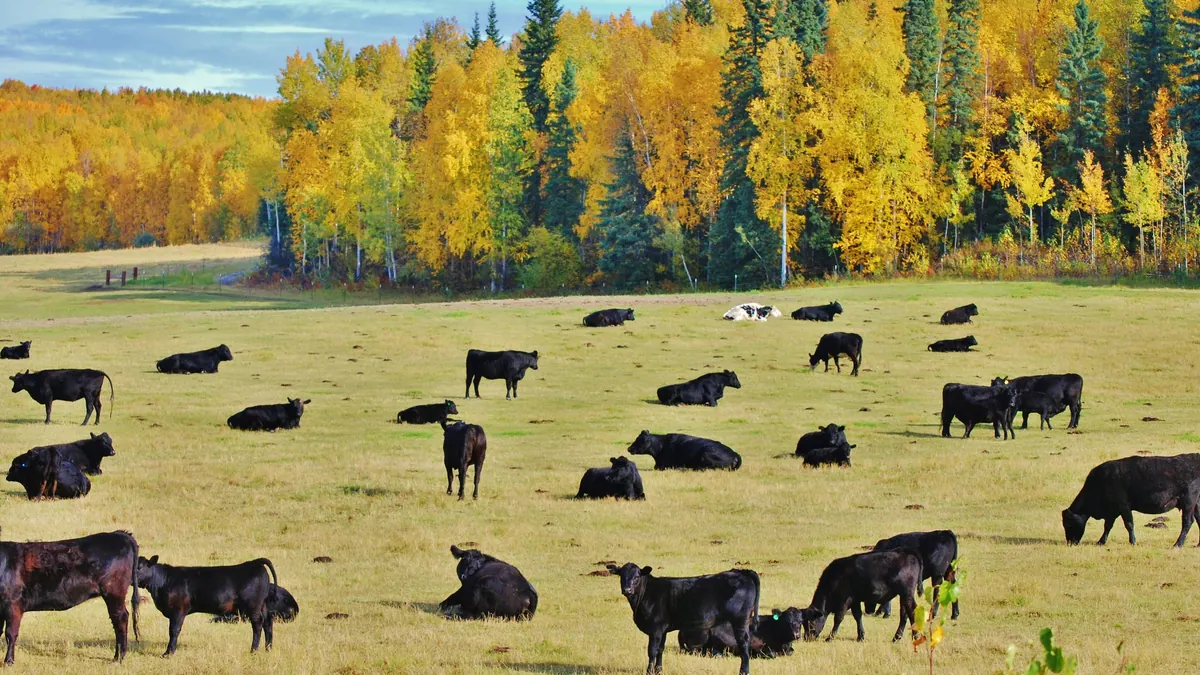
The report is not a legal act but a scientific basis for climate policy. Two threads matter for the agri-food industry and waste management. The first is the impact of climate change on food production: droughts, heat waves, extreme weather events and changes in growing seasons increase risks to crops and livestock. The second is the role of the sectors in emissions – agriculture and waste are important sources of methane, a gas with a high greenhouse potential over the short term.
The IPCC assessment stresses that emission reduction and adaptation must go hand in hand. For farms this means, among other things, better management of manure and slurry, storage with emission control, and the use of organic waste as a resource.
Significance for the industry in Poland
In Poland agriculture is a significant source of methane emissions (livestock farming, manure storage), and landfills are another large area of emissions of this gas. Methane fermentation makes it possible to capture methane that would otherwise go into the atmosphere and turn it into energy. Manure and slurry directed to a biogas plant instead of open tanks are a real reduction in emissions from the farm, and digestate can replace part of the mineral fertilisers.
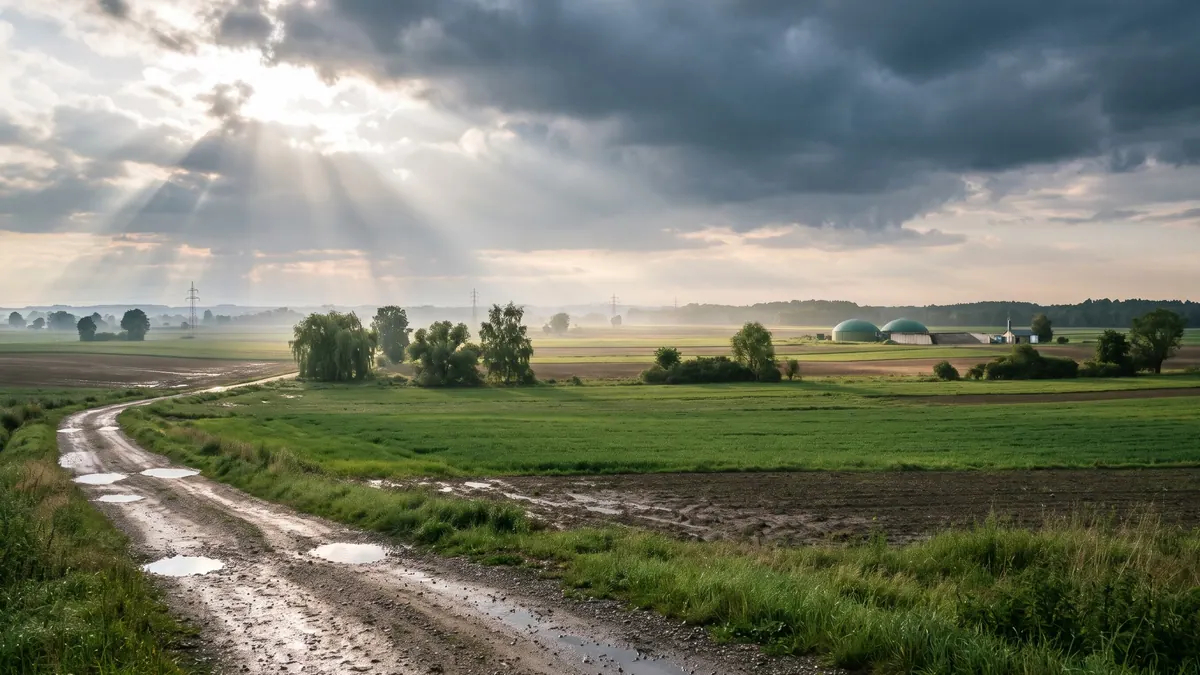
Agricultural and waste-processing biogas plants therefore fit not only energy goals but also adaptation and agri-environmental policies. The condition, however, is technological tightness: digestate stores, methane leaks from the installation and proper operation determine the real climate balance.
A note on the difference in scale
Two things are worth distinguishing: methane is a short-lived but powerful greenhouse gas, and reducing it brings a quick effect for temperature. Carbon dioxide stays in the atmosphere much longer. For this reason action on methane – in agriculture, waste and energy – is regarded as one of the fastest ways of slowing warming, alongside CO₂ reductions. For the biogas industry this is a context in which its role will increasingly be judged not only through the production of energy but also through the avoided emissions from feedstocks that, without digestion, would emit methane into the atmosphere.
What next
The next part of the AR6 report – on mitigation (Working Group III) – is to be published in spring 2022 and will directly address methane and energy. For EU and Polish policy this is an additional argument for speeding up action, including developing renewable gases and reducing emissions from agriculture and waste.
Sources
Related articles