Digestate and fertilisersExplainer
Vinasse and filter cake: why Brazilian sugar mills combine biogas with fertilising fields
Vinasse is a liquid waste from distilling ethanol from cane, traditionally used as a fertiliser. We explain what anaerobic digestion changes, what role filter cake plays and what the limitations are.
Other language versions: polski.
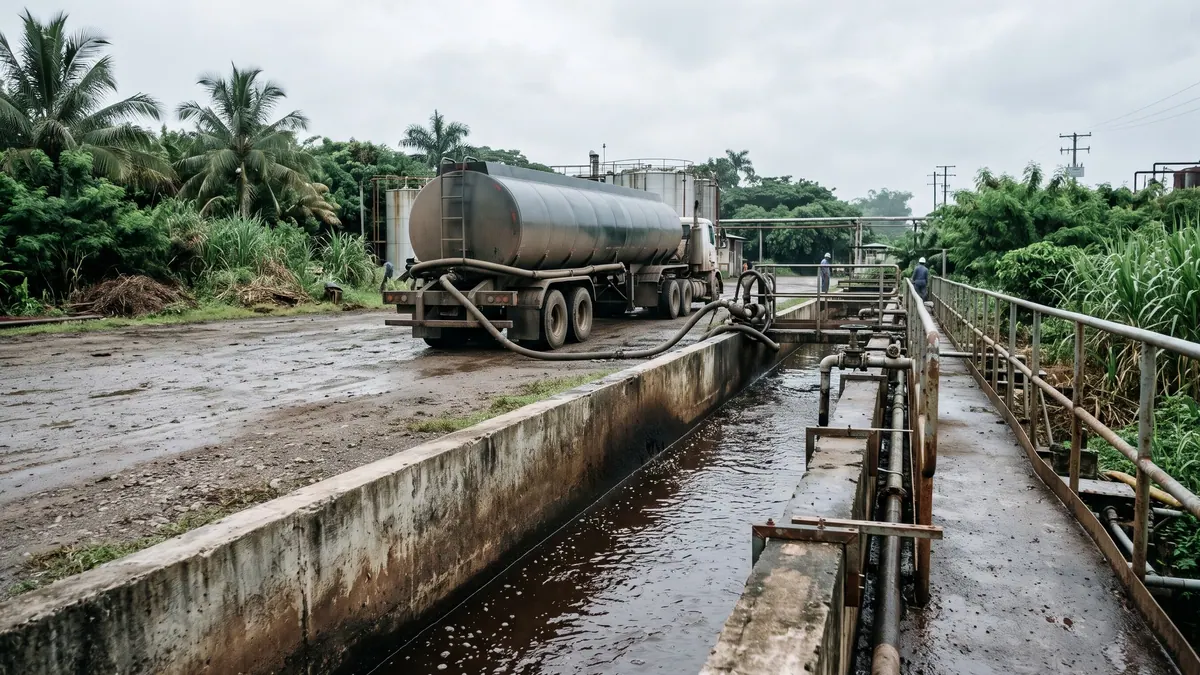
Vinasse and filter cake are two waste streams of the Brazilian sugar-and-ethanol industry which traditionally return to the cane fields as fertiliser and are now increasingly also a biogas feedstock. Anaerobic digestion recovers part of their energy in the form of methane, while the fertiliser components, especially potassium, nitrogen and phosphorus, largely remain in the digestate and can still be applied in the field.
Where these materials come from
Vinasse (vinhaça in Portuguese) is the liquid residue from distilling the fermentation wort, and it is produced in many times the quantity of ethanol – according to a paper in the Brazilian Journal of Microbiology, each litre of cane ethanol is accompanied by 8–18 litres of vinasse, which leaves the distillation column at a temperature of about 90 °C, has a pH of 3–4 and consists of 94–97% water. Filter cake (torta de filtro) is the solid sludge from filtering the cane juice. Additional streams are bagasse (the fibrous residue after pressing out the juice) and straw, which are used mainly for energy or as an auxiliary feedstock.
Traditionally: fertigation
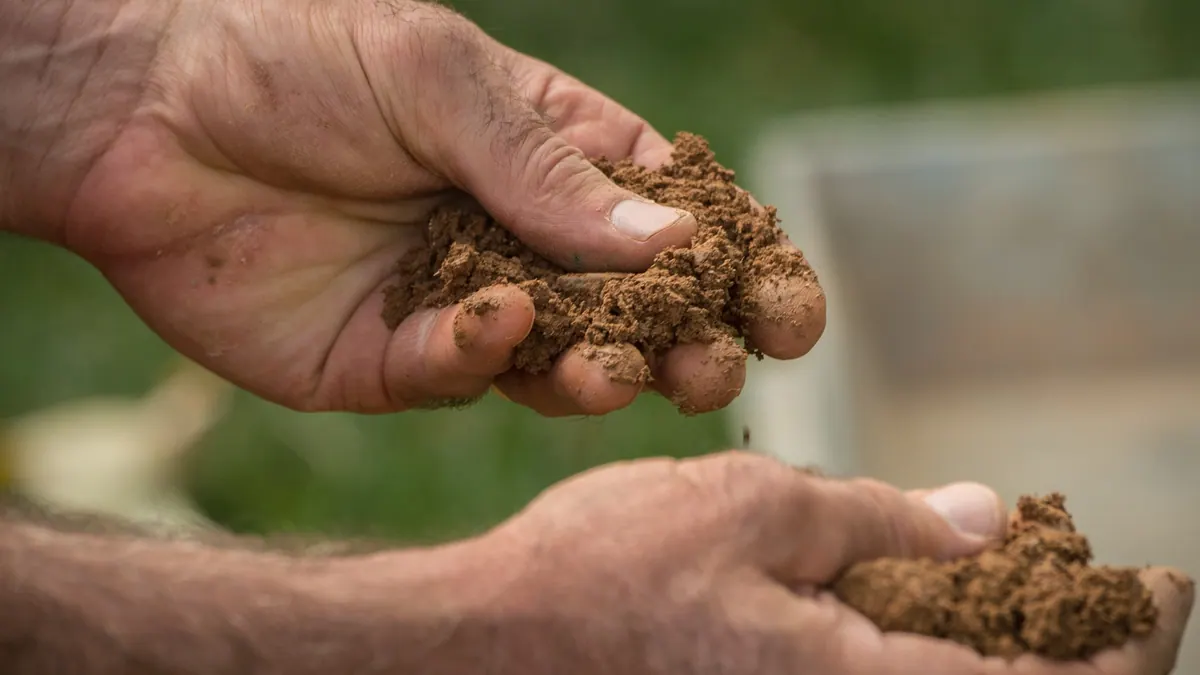
In Brazil vinasse is spread on cane fields as a liquid fertiliser (fertirrigação), which supplies the plants with potassium and other nutrients and with water. This practice has limitations, however: large volumes are costly to transport, and excessive application can lead to soil salinisation or leaching of nutrients into waters.
What biogas adds
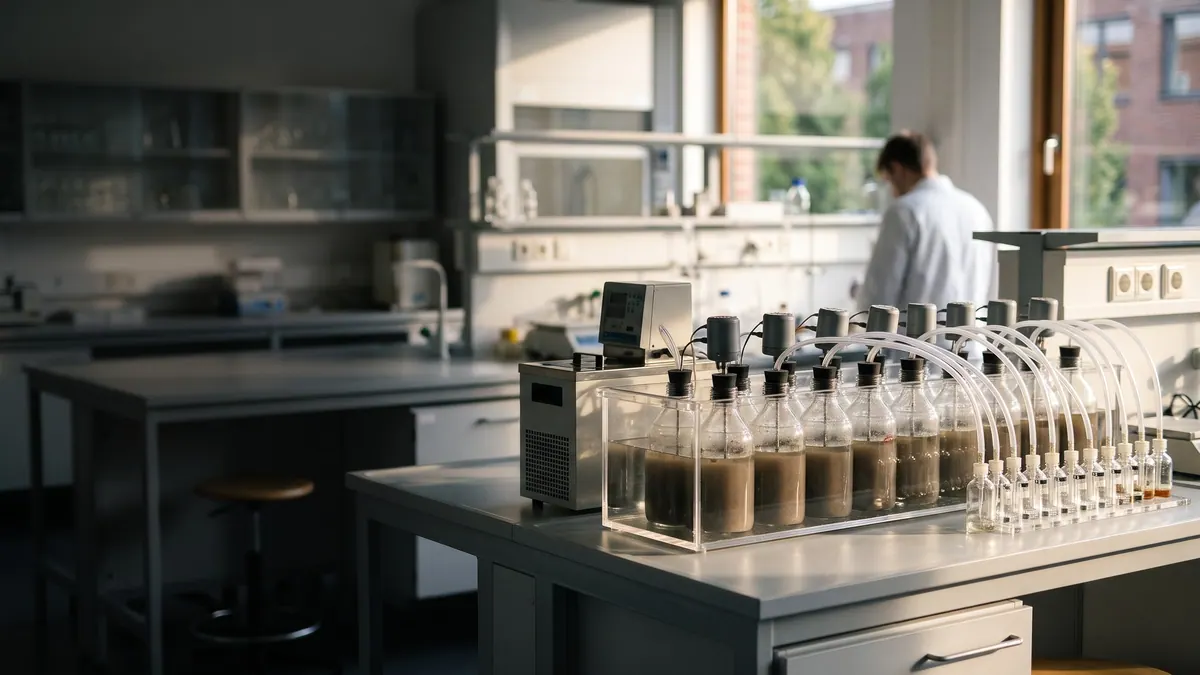
Anaerobic digestion makes it possible to convert part of the organic matter contained in vinasse into biogas. Laboratory and pilot studies show varied yields: in a study of cane wastes (vinasse, filter cake, bagasse, straw) methane yields ranged from 5 to 181 Nm³ per tonne of fresh mass, and in UASB reactors running on vinasse the highest yields were 0.181 and 0.185 L CH₄ per gram of COD removed. The differences result from the different properties of the materials and the way the process is run.
Digestate: what changes
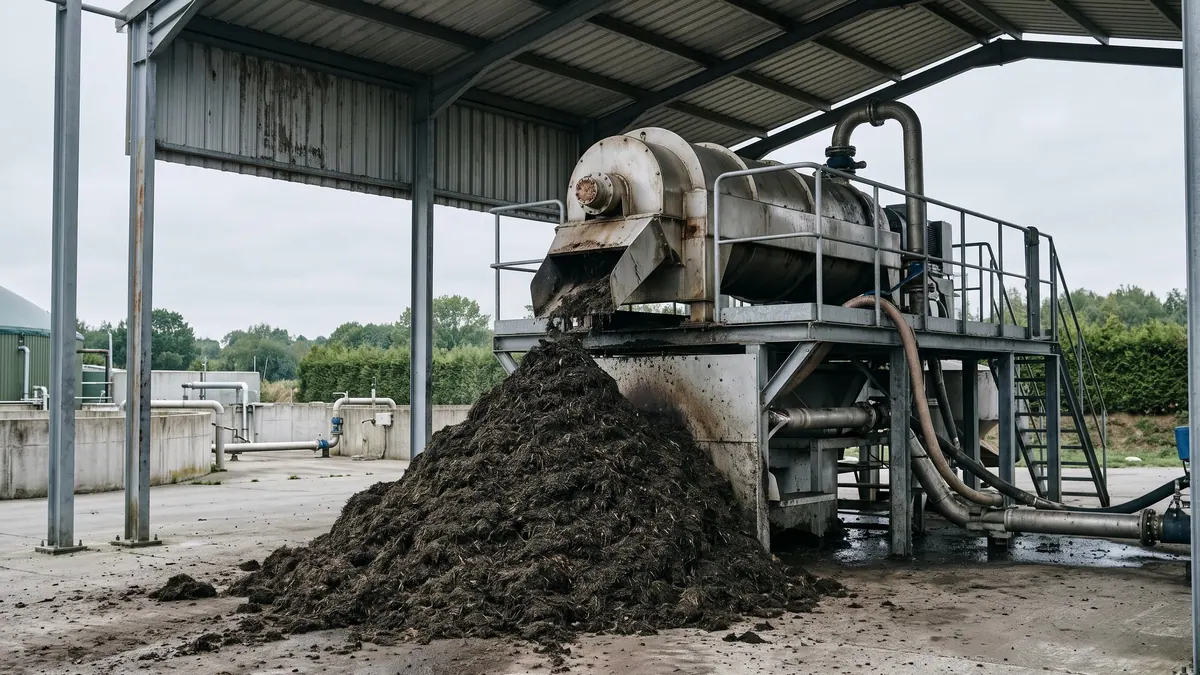
Digestion does not remove potassium or most mineral components, and partly converts organic nitrogen into forms more available to plants. Thanks to this the digestate, which retains its fertigation capability, remains valuable. In addition there is less odour nuisance and a lower organic load reaching the field. The character of the material also changes: the digestate requires pH management and storage, and its dosing must be adjusted to the needs of the crop, so as not to exceed the recommended amounts of potassium.
An industrial example
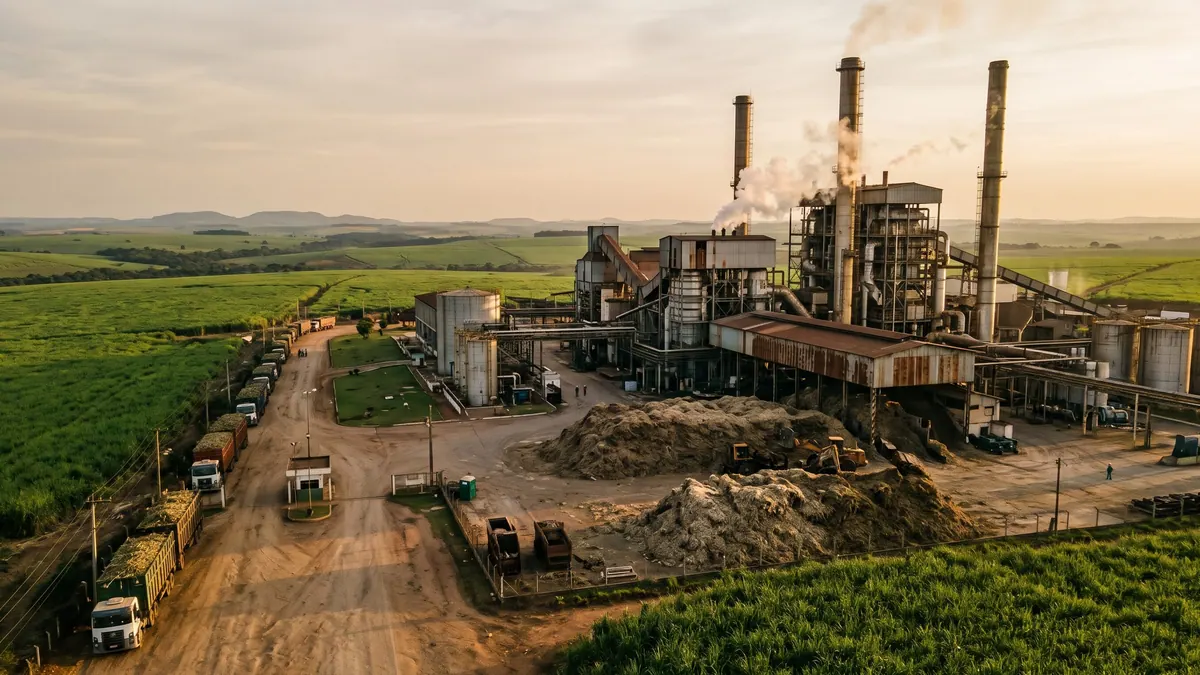
Raízen started up in 2020 in Guariba (SP), at the Bonfim mill, a biogas power plant with a capacity of 21 MW, fed with vinasse and filter cake.
How dilution is dealt with
Vinasse has a low dry matter concentration, so the reactors must be large, and the organic load must be spread over a suitable volume. Reactors with a high capacity to retain biomass, such as UASB, are used, which allow liquids with a low solids content to be processed at a short retention time. Filter cake, as a solid material, requires a different approach: mixing or co-digestion with a liquid, to avoid pumping problems.
Nutrient balance
When designing digestate management one must take into account that potassium remains entirely in the material. The dose is set on the basis of the potassium content of the vinasse and the needs of the crop, not the nitrogen content. The fertilisation plan should therefore be based on chemical analyses of the digestate, carried out regularly because of the variability of the feedstock.
The role in the cane campaign
Most plants work seasonally, so a biogas plant at a sugar mill must be designed to cope with periods of downtime: it either stores vinasse, or processes other substrates, or accepts outages. The profitability of the investment and the utilisation of capacity depend on this.
In practice this means the need to agree in advance what happens to the vinasse outside the campaign: whether it is stored in tanks or goes directly to the field, and whether the biogas plant has additional substrates (e.g. waste from distilleries or other agricultural streams) that will allow gas production to be maintained all year round. This has a direct impact on the choice of the size of the reactor and storage tanks.
Challenges
- Seasonality — cane processing lasts part of the year, so vinasse deliveries are uneven.
- Large volumes and low concentration — require large reactors or thickening.
- Sulphates — vinasse contains sulphur compounds, which increases the hydrogen sulphide content of the biogas.
- Digestate logistics — fertilisation must comply with environmental requirements.
What this means for Poland and Europe
In Poland the analogous streams are distillery stillage and sugar beet pulp. The Brazilian experience shows that the processing industry can combine biogas production with the cycling of fertiliser components, provided that the system includes both the installation and an agronomic plan for the digestate.
Sources
- Biogas Production from Sugarcane Waste: Assessment on Kinetic Challenges for Process Designing — Int. J. Mol. Sci. 16(9), 20685 (2015)
- Barros et al., Brazilian Journal of Microbiology 47:628-39 (2016) — Biomethane production from vinasse in UASB reactors
- Notícias Agrícolas — Raízen anuncia a construção da sua segunda planta de biogás (27.04.2022) (aktualizacja)
Related articles