

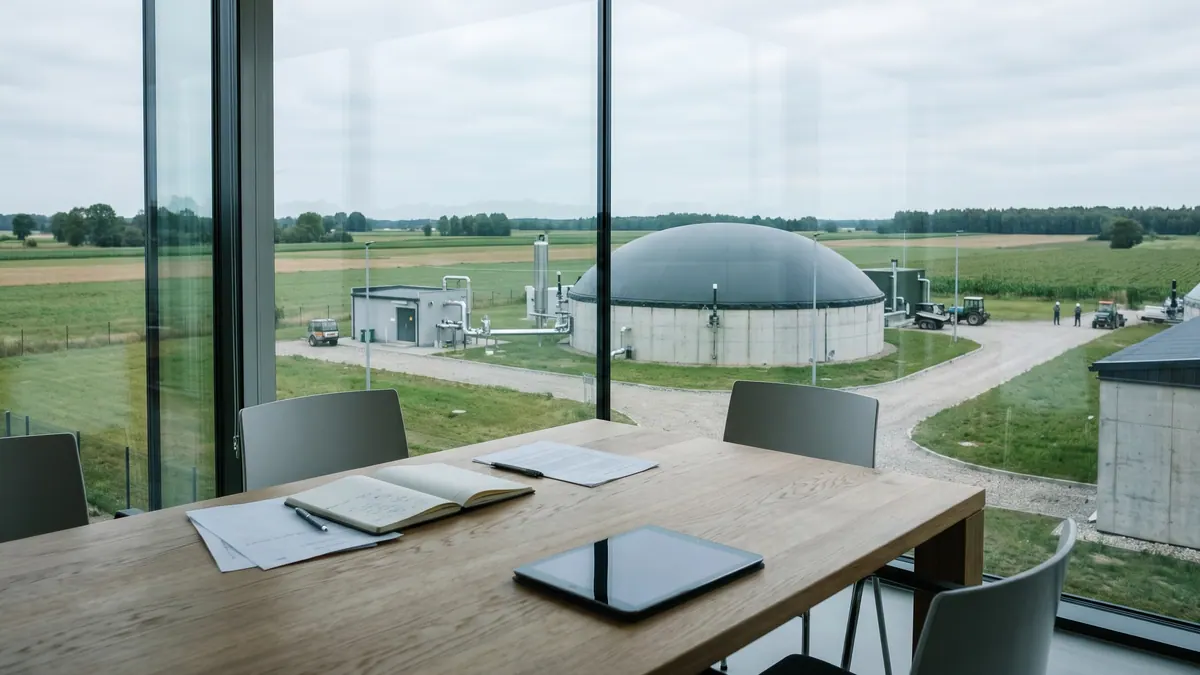
Austria: new EAG rates for 2024–2025. Biogas 32.83 ct/kWh, biomass up to 25.75 ct/kWh
The ordinance of 14 March 2024 (BGBl. II 77/2024) sets market premium values for biomass and biogas for 2024–2025, together with tender dates.
The biogas and biomethane market is shaped by EU rules (including the RED directives, the Methane Regulation and the EU ETS) and national ones (the Renewable Energy Sources Act, the Energy Law, the Waste Act).
RSSThe ordinance of 14 March 2024 (BGBl. II 77/2024) sets market premium values for biomass and biogas for 2024–2025, together with tender dates.

For new biomass installations the bid cap in the EEG tender rose from 17.67 to 19.43 ct/kWh, for biomethane to 21.03 ct/kWh. For existing ones it stays at 19.83 ct/kWh.
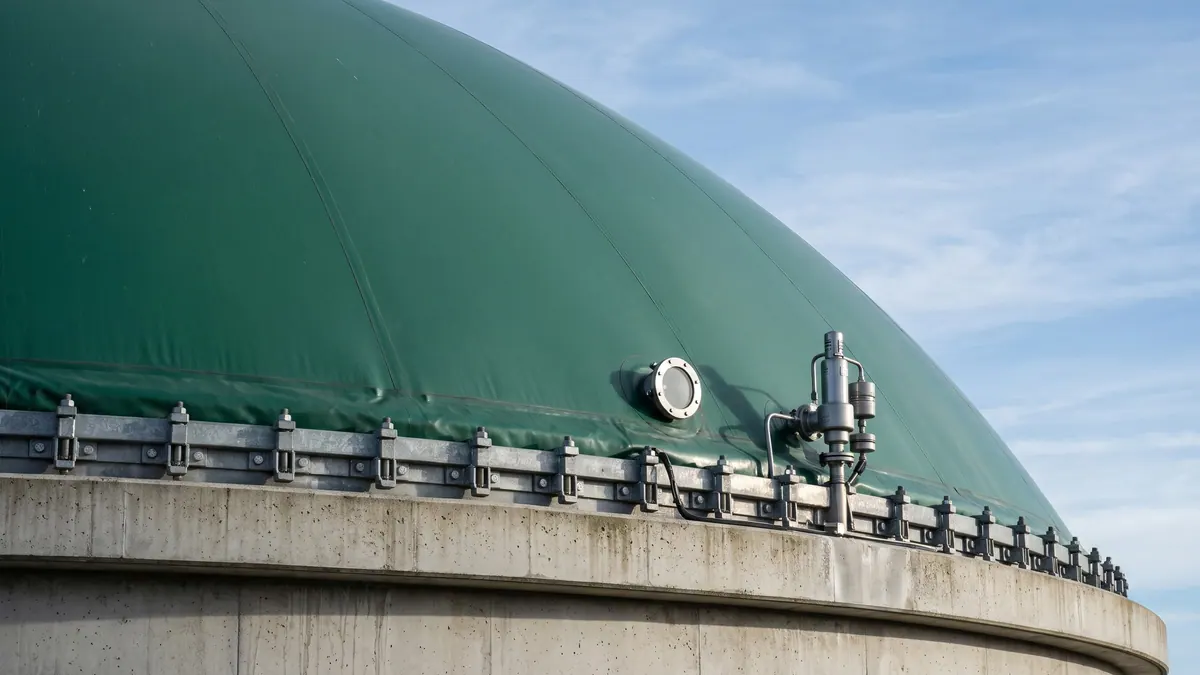
A building permit for a biogas plant requires an environmental decision, a plan or WZ, a design and agreements. We explain the order of steps, deadlines and documents for acceptance.
On 30 January 2024 the European Commission opened an in-depth investigation into two Swedish schemes exempting non-food biogas and biopropane from energy and carbon taxes.
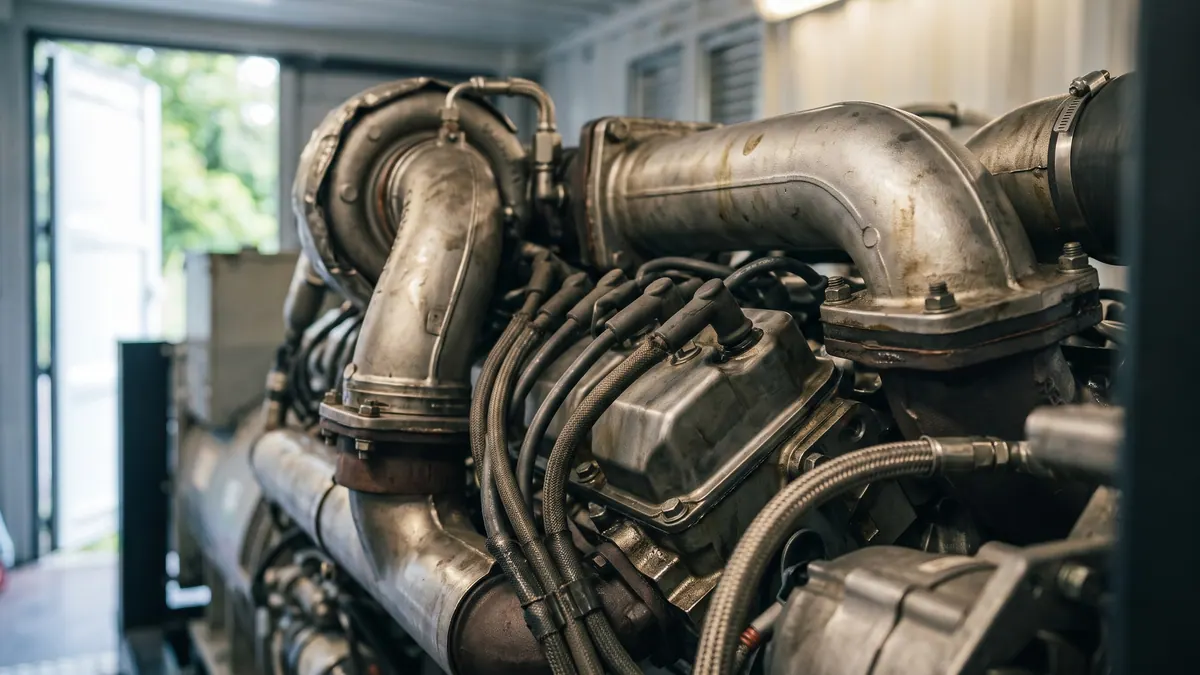
Connecting a biogas plant to the grid begins with an application for connection conditions and an advance payment of PLN 30/kW. We describe the deadlines, documents, contract, charges and rules for capacity curtailment.

Following the November 2023 amendment of the act, Korea is finalising a clean hydrogen certification system based on life cycle assessment; the emissions threshold is 4 kg CO₂eq/kg H₂.

A typical biogas plant is not covered by the EU ETS: the system covers combustion installations with a thermal capacity above 20 MW. We explain the rules, the role of biomass and the indirect effect of allowance prices.
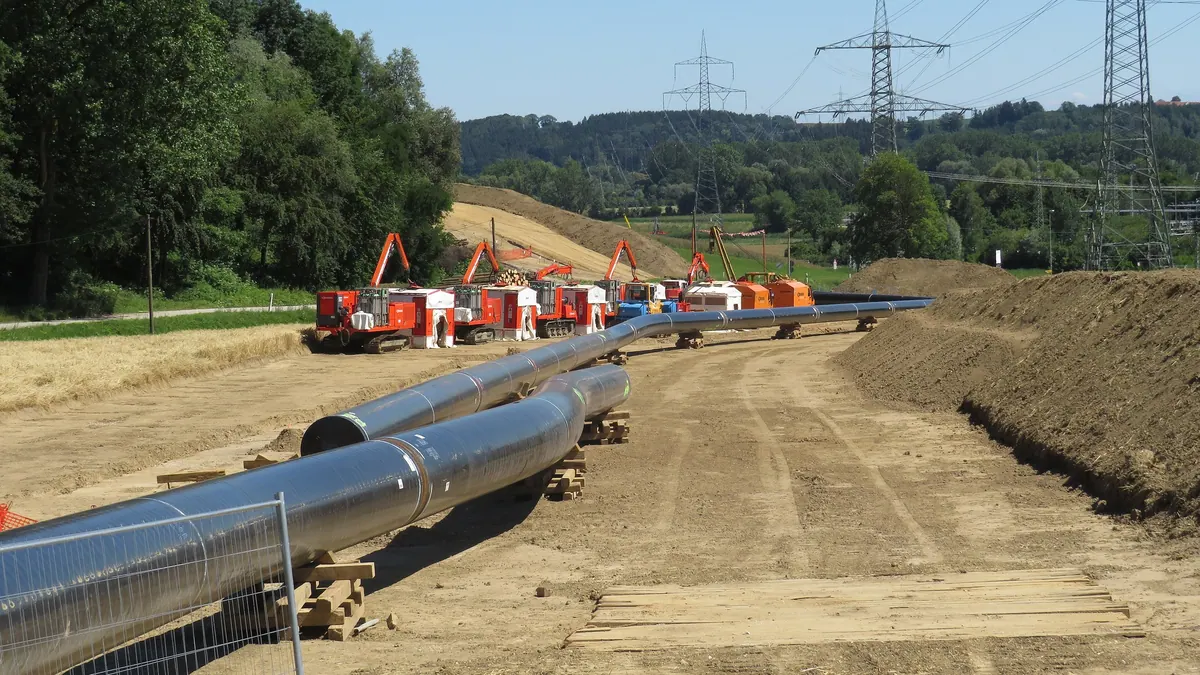
On 8 December 2023 the EU Parliament and Council agreed the regulation on markets for renewable gases, natural gas and hydrogen; the directive was agreed in late November. The transitional period for the hydrogen market was set at the end of 2032.
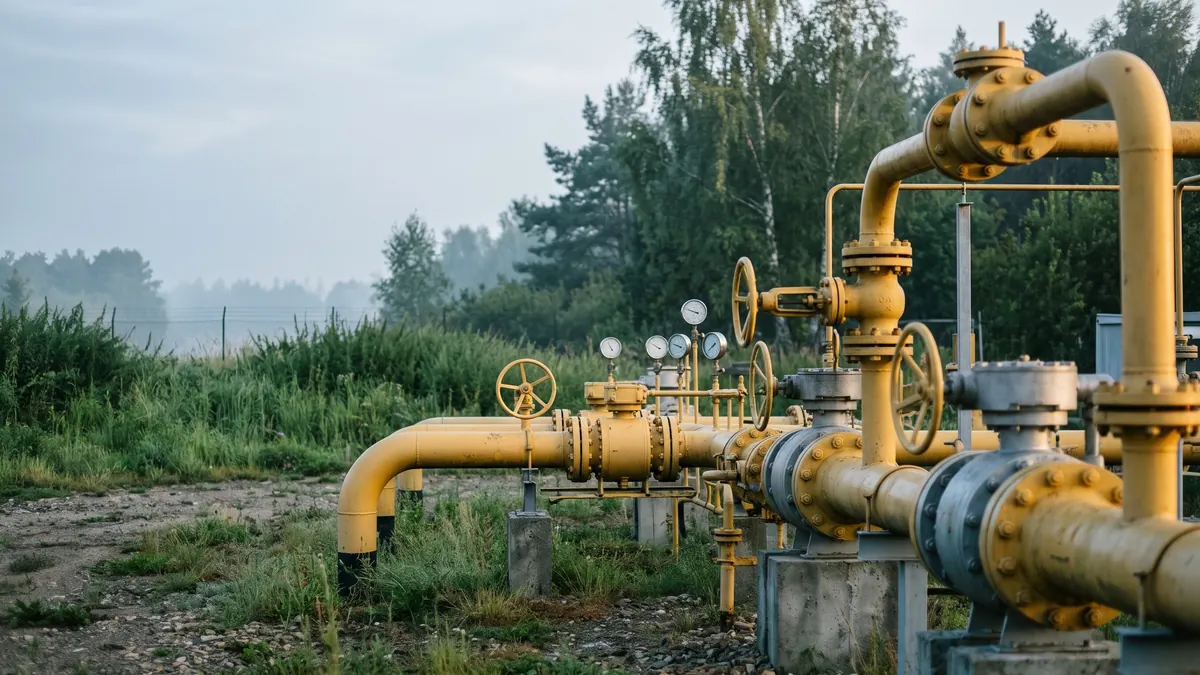
On 25 November 2023 the National Biofuel Coordination Committee announced a schedule for mandatory CBG blending: 1% in the 2025–26 financial year, 3% in 2026–27, 4% in 2027–28 and 5% from 2028–29.

Directive (EU) 2023/2413 (RED III) entered into force on 20 November 2023. Member States have until 21 May 2025 to implement most of the provisions, including those on biomethane, transport and industry.
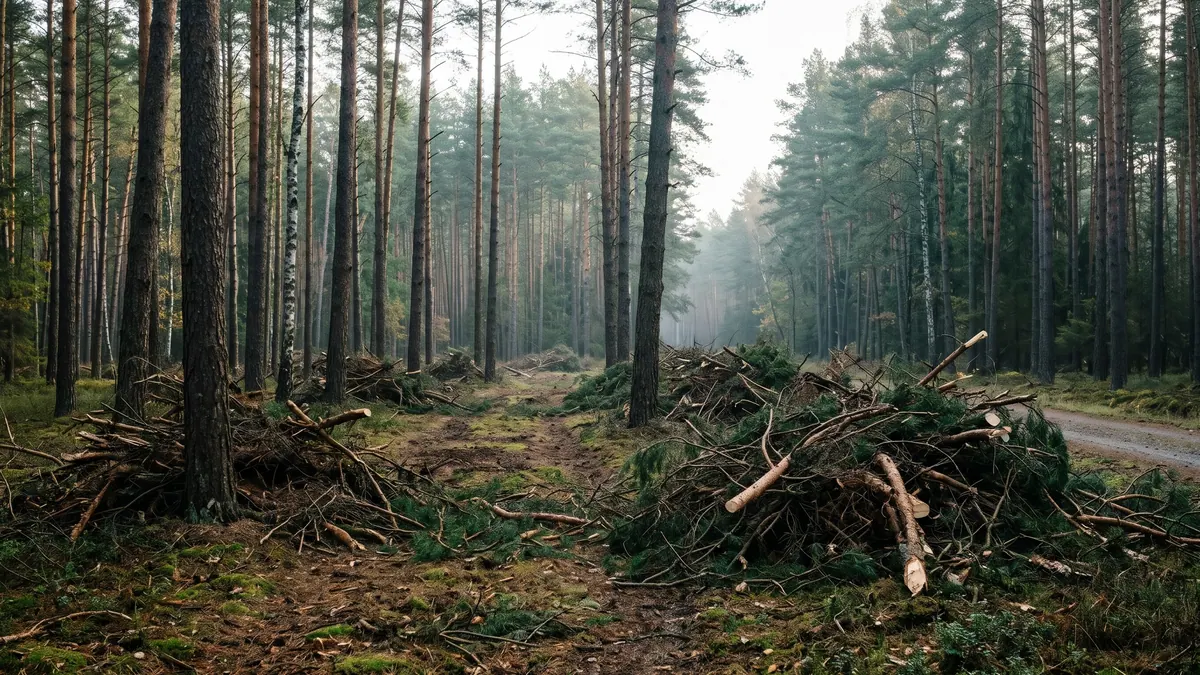
On 13 October 2023 the Portuguese government announced a tender for 60 MW of grid connection capacity for new biomass power plants; a single plant may apply for a maximum of 10 MW.
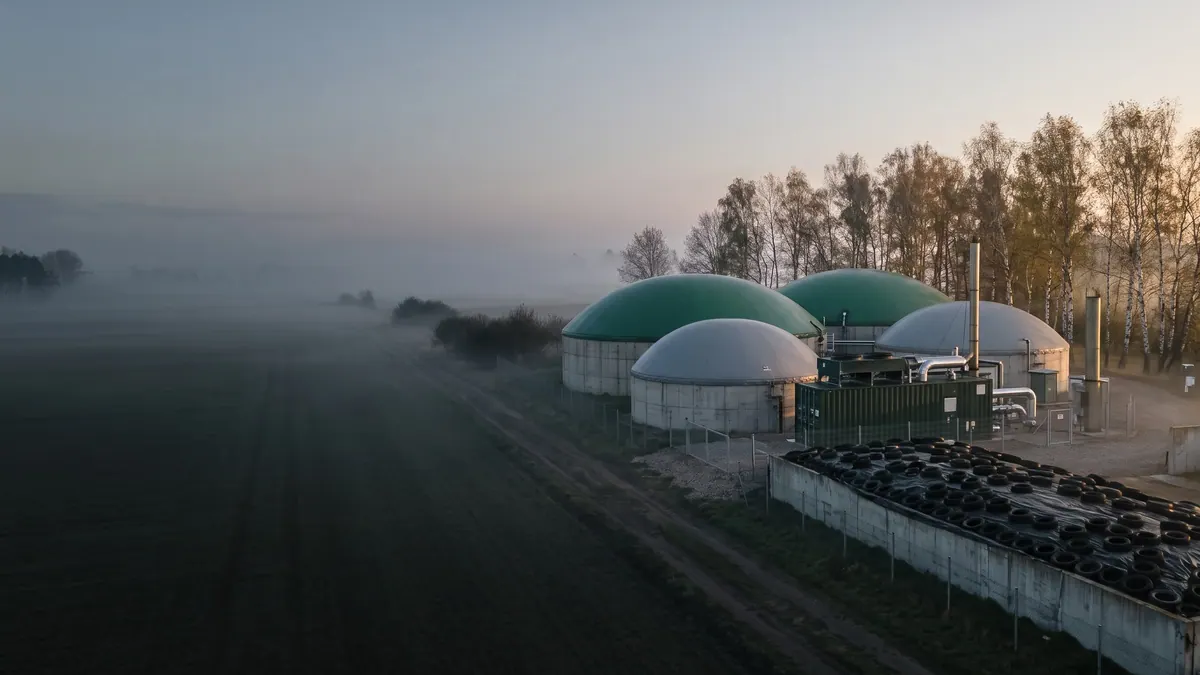
The environmental impact report is the most important annex to an application for an environmental decision. We explain what Article 66 requires, who writes it and how to describe odours, noise and transport.
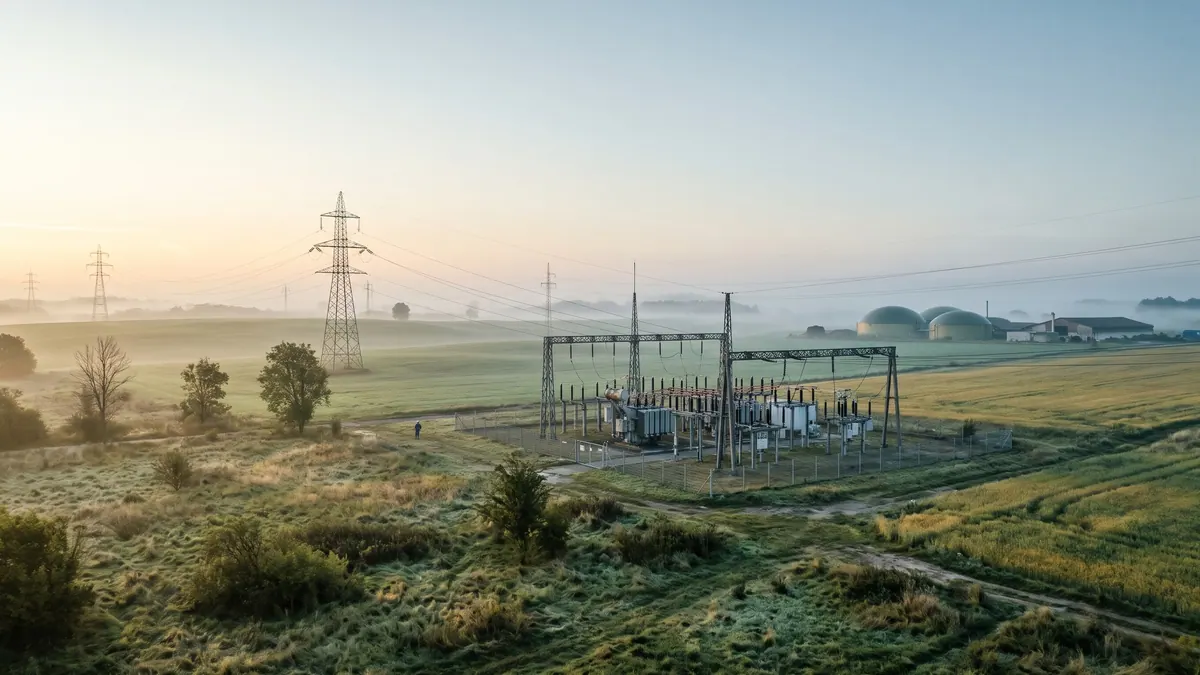
On 5 October 2023 the French regulator CRE gave its opinion on a draft amendment to the BG16 tariff: indexation is to run from the date of application, not from the start of the contract.
On 9 October 2023 the Council of the EU formally adopted the new Renewable Energy Directive (RED III) with a binding target of 42.5% in 2030. The directive will be signed and published, and countries will implement it within about 18 months.
On 12 September 2023 the European Parliament approved the text of RED III agreed with the Council in March. The binding renewables target for 2030 is 42.5%, and the directive changes the rules for biomass, transport and gas certification.

From 1 October 2023 the Green Gas Support Scheme pays 6.09 p/kWh in Tier 1, 3.90 in Tier 2 and 3.45 in Tier 3. The third band rose from 1.72 p/kWh.
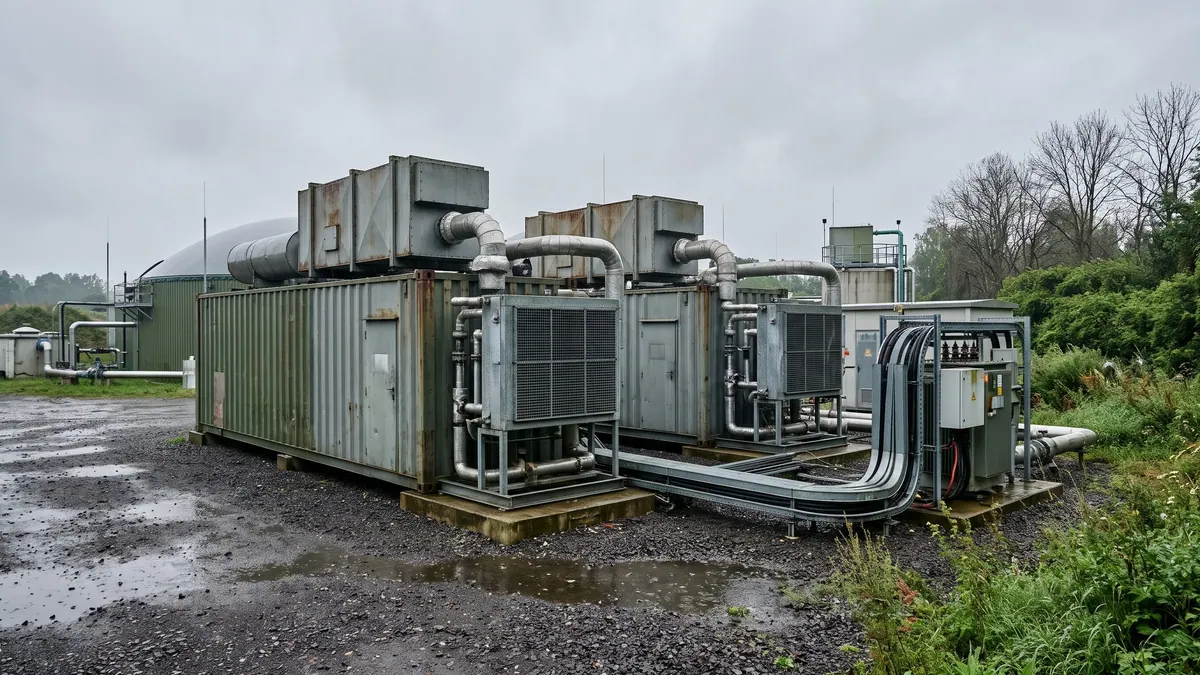
A biogas plant may require an integrated permit, an emissions permit, a waste processing authorisation or only a notification. We explain what applies when and according to which thresholds.
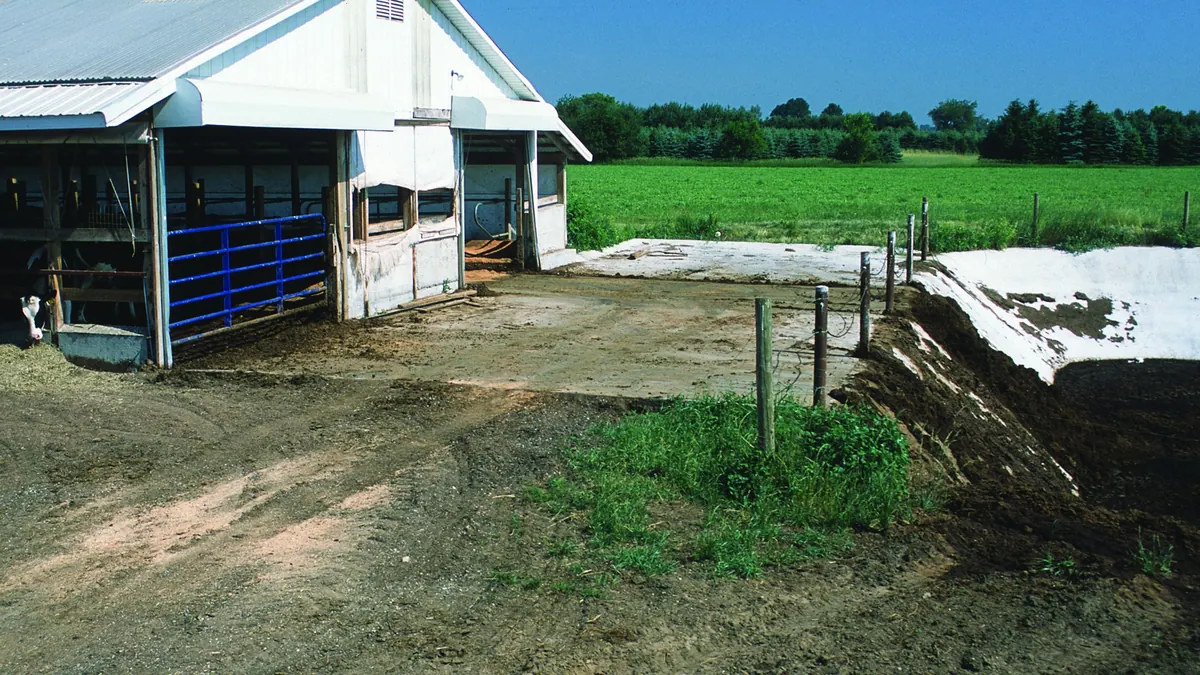
Manure and slurry are category 2 UPPZ, and kitchen waste is category 3. We explain the exceptions from treatment, the effects of mixing, distances from animals and documents for transport.
In July 2023 Panama's cabinet approved the National Green Hydrogen and Derivatives Strategy (ENHIVE): a target of 500 thousand t of hydrogen and derivatives by 2030 and 5% bunkering of ships with hydrogen-based fuels.
On 21 June 2023 the EPA announced the final Renewable Fuel Standard volumes for 2023–2025, assuming 25% annual growth of RNG in the cellulosic category and without eRIN provisions.
The Bulgarian regulator's decision of 30 June 2023 sets feed-in tariffs for a year from 1 July. Energy from biomass was added to the list, and premiums were differentiated for installations up to 500 kW and above.
On 27 June 2023 the European Commission adopted a package of delegated acts under the taxonomy with criteria for the four remaining environmental objectives: water, the circular economy, pollution and biodiversity.
On 19 June 2023 the Commission approved an amendment to the Estonian scheme SA.102228: the budget rises by €650 million to €1.37 billion. The premium for renewables, including in cogeneration, is €53.7/MWh.
The environmental decision (DUŚ) is a condition of the building permit for most biogas plants. We explain when it is required, how long the procedure takes and who gives an opinion on the application.