

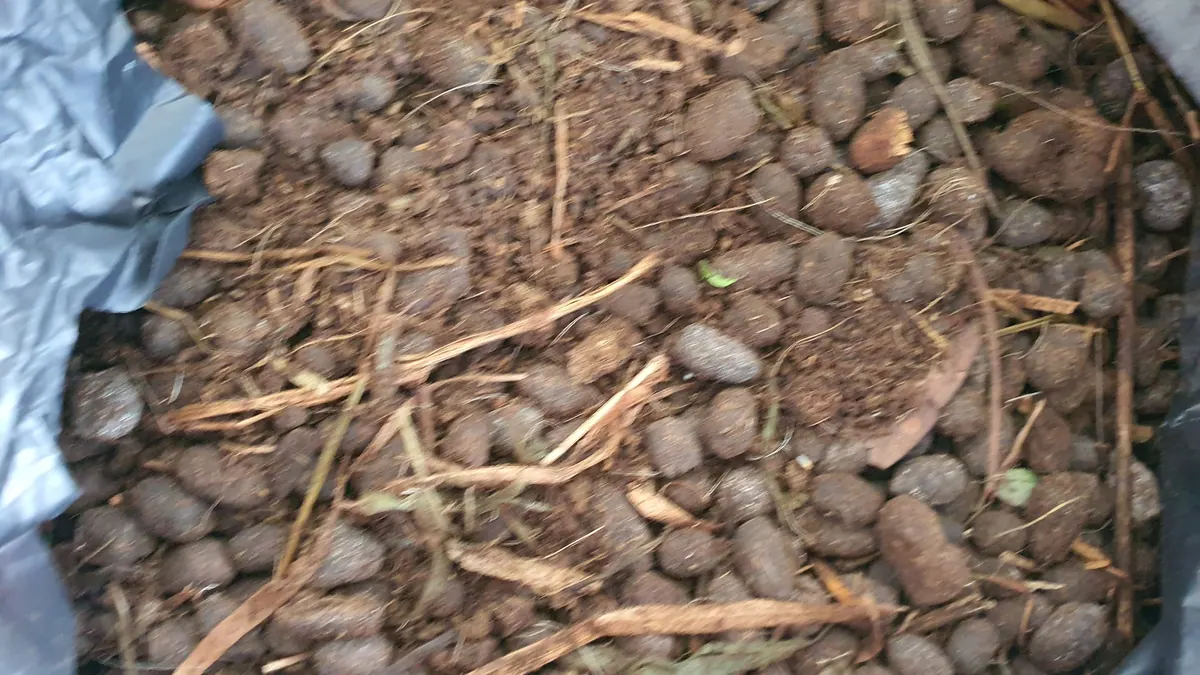
BMP testingAnimal excreta (slurry, manure, poultry litter)
Goat manure — BMP: 2 studies, weighted mean 157 m³ CH₄/t VS
Goat manure is a rarely studied material of moderate methane potential; the dataset contains several records from several studies, so the data are indicative.
rating: goodCH₄ ≈ 54 % (estimate)
Photo Ahmad Mukhlis / Wikimedia Commons, licence CC BY 4.0, source file; changes: cropping

- Weighted mean
- 157m³ CH₄/t VS
- Range
- 144–170m³ CH₄/t VS
- Records
- 2studies
- Publications
- 2sources
- Temperatures
- 36 °C, 37 °Cof the test
Methane in biogas
Medium methane content · ≈ 5.4 kWh/m³ of biogas
estimate from the substrate type The collected studies contain no measurement. The interval follows from the approximate composition (animal manure (process classification)) and the yields of compound groups according to FNR.
Rating for biogas plants
good — editorial rating for biogas plantsStable, usually accepted without a fee
Potential per tonne of fresh matter: moderate, but limited by the poor degradability of the organic matter (52 m³ CH₄/t); stabilises the process (high alkalinity). Handling costs: fibres, floating layer, slow degradation.
Why? Rating factors
Potential per tonne +1
- +1potential 52 m³ CH₄/t fresh matter (BMP 157 × DM 58.4 % × VS 57 %); low degradability of VS (BMP 157 m³ CH₄/t VS) — points capped
Process stability +1.5
- +1.5high alkalinity — stabilises the pH of the mixture
Handling and costs −1
- −0.5fibres, floating layer — shredding and intensive mixing
- −0.5slow degradation — long retention time
Total points: 1.5 · thresholds: ≥ 2.5 very good, ≥ 1 good, below — neutral; negative with cumulative process risk.
Add to the co-digestion calculator CSV data
BMP curves from 2 studies
Weighted mean Individual records
Dashed lines are a model curve (first-order kinetics, B(t) = B₀·(1 − e−kt)); the end point comes from the publication. All curves are model curves.
Cumulative methane production over the test [m³ CH₄/t VS]. The thick line is the weighted mean of all records (157); dots mark the end values given in the publications. Point at the chart to read values; click a legend item to hide or show a record.
Records and sources
Download CSV| Source | BMP m³ CH₄/t VS | Temperature | Sample | Curve |
|---|---|---|---|---|
| Cu et al. (2014) DOI | 170 | 37 °C · mesophilic | goat manure | end point (model curve) |
| Kafle i Chen (2016) DOI | 144 | 36 °C · mesophilic | goat manure | end point (model curve) |
| Weighted mean | 157 | arithmetic mean 157, SD 18 | ||
Typical composition
- Dry matter (DM)
- 58.4% (range 35.3–81.6)
- Volatile solids (VS)
- 57 % DM (range 57–57)
Median and range of the determinations reported in the publications behind this substrate's BMP records (read from: MY-D); dry matter: 2 determinations, volatile solids: 1 determination. The DM range includes fresh samples as well as samples partly dried or dried before the test – for fresh material the lower part of the range applies, ideally your own measurement.
Sources: Cu et al. (2014); Kafle et al. (2016).
The composition of the raw material varies between batches — for plant calculations use an analysis of your own sample. The calculator inserts typical values automatically.
Process properties
Low confidence: the description is based on general characteristics of the substrate group, not on studies of this material. Treat it as a hint to be verified.
Advantages
- Methane potential in the Substraty.pl BMP dataset: weighted mean 156.9 m³ CH₄/t VS (SD 18.3; 2 records, 2 sources).
- Goat manure: studied in a BMP test together with four other manures (Kafle and Chen 2016).
Drawbacks and risks
- Pellets with fibre - slow hydrolysis; size reduction improves access (Kafle and Chen 2016).
Dosing
No source-based threshold; as for manure.
Introduce gradually, starting with a small dose and monitoring the process (e.g. FOS/TAC, pH, gas composition).
Practical requirements
- ABP cat. 2 (Art. 9 of Reg. 1069/2009): manure, slurry and digestive tract content may be digested without prior sterilisation if the authority does not recognise a risk of spreading a serious transmissible disease (Art. 13(e)(ii)); in that case a minimum of 70 °C for a minimum of 60 min applies (Reg. 142/2011, Annex V Ch. III Section 1), and where they are the only material of animal origin in the installation, the authority may approve other requirements (Section 2 point 3).
- Shred: shredding increases the surface available for degradation and speeds it up, but does not necessarily raise the final gas yield (FNR 2010, Ch. 3 “Triturado”).
Sources of the process data
- Kafle, Chen (2016). Comparison on batch anaerobic digestion of five different livestock manures and prediction of BMP using different statistical models. Waste Manag.
- Rozporządzenie (WE) nr 1069/2009 określające przepisy sanitarne dotyczące produktów ubocznych pochodzenia zwierzęcego (art. 9, 10, 12–14, 24)
- Rozporządzenie Komisji (UE) nr 142/2011 wykonujące rozporządzenie (WE) nr 1069/2009 (zał. IV rozdz. III, zał. V rozdz. I i III)
- FNR (2010). Guía sobre el Biogás – Desde la producción hasta el uso (hiszp. wydanie „Leitfaden Biogas”, GIZ 2013)
The co-digestion calculator will assess a specific mixture containing this substrate.
What it is and where it comes from
Goat manure is a mixture of goat excreta and bedding. Goats are kept in herds usually of small scale, on farms, agritourism holdings and in cheese production. The quantities of manure are small, so it rarely forms a stand-alone substrate for a biogas plant. The dataset contains several records from different studies, examined at mesophilic temperature.
Properties relevant to digestion
Goat excreta take the form of dry pellets, which contain mainly undigested dietary fibre, that is, cellulose, hemicelluloses and lignin. The nitrogen content is moderate, and the ammonia risk is lower than with poultry and pig excreta. Because of the compact structure of the pellets and the addition of bedding, the material decomposes slowly, and comminution before digestion improves enzyme access. Like other manure substrates, it provides microflora and trace elements, and the unit potential is rather moderate.
How to read the spread of results
The records come from different studies, so the difference may result from the goats' diet (roughage or concentrate), the type and amount of bedding, the manure storage time, and from methodology: temperature, inoculum, substrate-to-inoculum ratio and test length. With a small number of values, variability of the material cannot be distinguished from laboratory differences, and the range does not describe the uncertainty for the whole type of manure.
In biogas plant practice
Goat manure can be used as a supplement to a manure mixture on the farm where it arises. It requires shredding and even dosing, and its share will usually be small because of the scale of production. Manure is a natural fertiliser on the farm, and in the context of ABP it is category 2 material, which may be used in a biogas plant under the conditions set out in EU and national regulations.
For comparison with other manures, this material is drier and more compact, which increases the need for comminution. Because of the small scale of goat production, this entry should be treated as a supplement, not as a basis for substrate planning. For your own batch a simple BMP test is advisable, which will show the real potential.
It is worth adding that goat and sheep manure are often described together in the literature, so data for small ruminants can be difficult to separate.
Methodology in brief
BMP is the amount of methane obtained from volatile solids (VS) in a batch test, given in m³ CH₄ per tonne of VS (numerically the same as NmL CH₄/g VS in the publications) and converted to normal conditions (0 °C, 101.325 kPa). The weighted mean gives each publication a total weight of 1, split equally between its results for the substrate — a paper testing twenty varieties does not outweigh a paper with a single sample. In inter-laboratory programmes the unit is the laboratory (total weight 1), and within it the weight of a test grows with the number of bottles (replicates). Results after pretreatment (e.g. thermal, chemical, enzymatic) are shown separately and are not included in the mean.
Solid lines are curves measured in the tests. Where a publication gives only the final result, we draw a first-order kinetic model, B(t) = B₀·(1 − e−kt): only the end point comes from the publication, and the shape of the curve serves purely as visualisation — do not read the production on a particular day from it. For this substrate k = 0.393 d−1 was assumed (median of rate constants k reported in the sources and/or fitted to the mean measured curves).
The statistics describe the spread of published results — a descriptive compilation, not a meta-analysis or a guarantee of plant yield.
Bibliography
- Cu, T.T.T.; Nguyen, T.X.; Triolo, J.M.; Pedersen, L.; Le, V.D.; Le, P.D.; Sommer, S.G. (2014). Biogas Production from Vietnamese Animal Manure, Plant Residues and Organic Waste: Influence of Biomass Composition on Methane Yield. Asian-Australasian Journal of Animal Sciences 28(2), 280–289. DOI: 10.5713/ajas.14.0312 DOI
- Kafle, G.K.; Chen, L. (2016). Comparison on batch anaerobic digestion of five different livestock manures and prediction of biochemical methane potential (BMP) using different statistical models. Waste Management 48, 492–502. DOI: 10.1016/j.wasman.2015.10.021 DOI
All sources of the site: bibliography.
Other substrates in the group “Animal excreta (slurry, manure, poultry litter)”
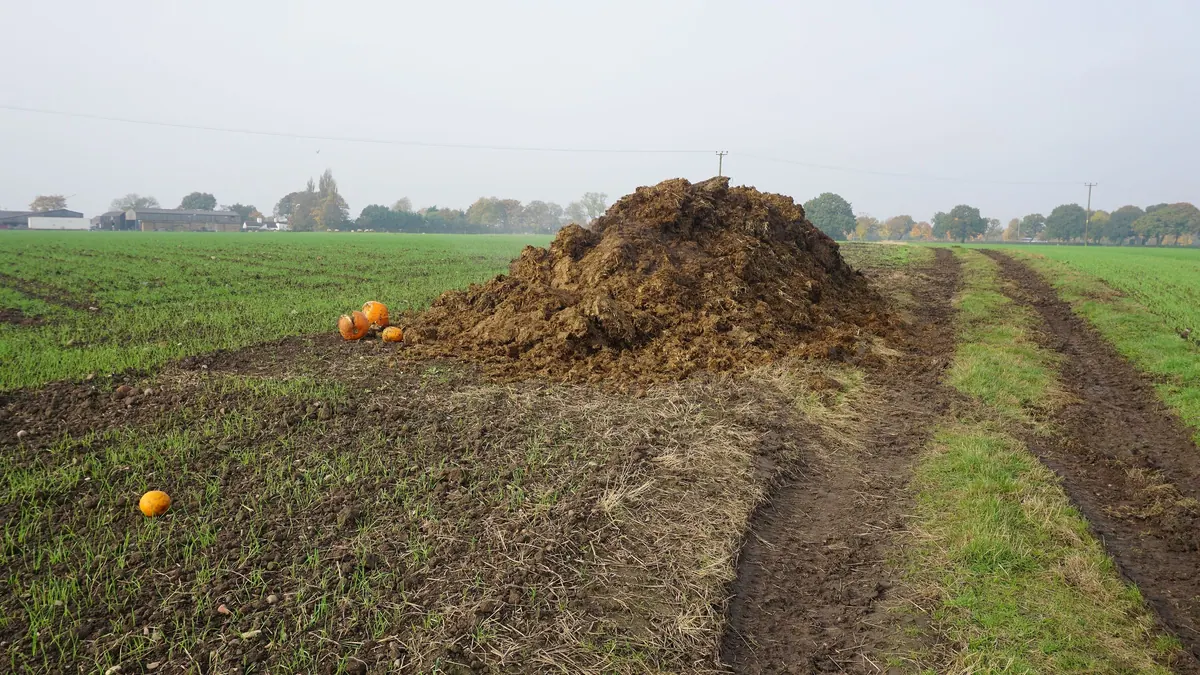
Mixed/unspecified manure — BMP: 5 studies, weighted mean 289 m³ CH₄/t VS
289 m³ CH₄/t VS weighted mean from 5 studies
good — editorial rating for biogas plants≈53 %
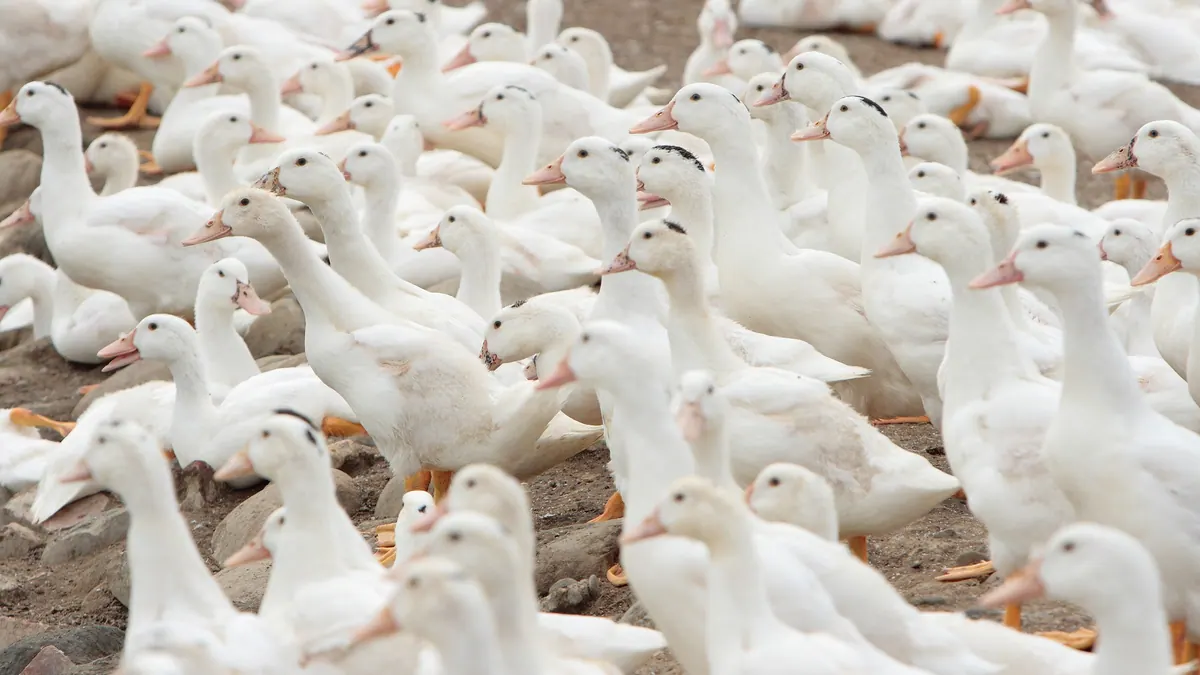
Duck slurry — BMP: 6 studies, weighted mean 395 m³ CH₄/t VS
395 m³ CH₄/t VS weighted mean from 6 studies
neutral — editorial rating for biogas plants≈55 %
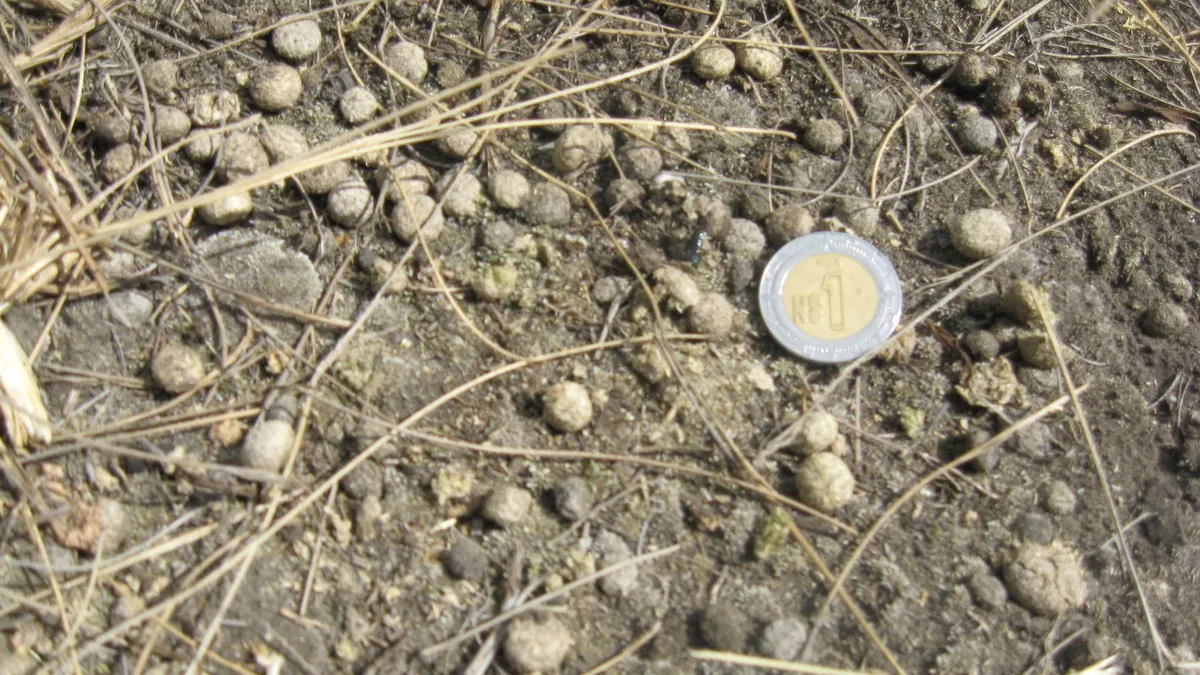
Rabbit manure — BMP: 2 studies, weighted mean 218 m³ CH₄/t VS
218 m³ CH₄/t VS weighted mean from 2 studies
neutral — editorial rating for biogas plants≈54 %
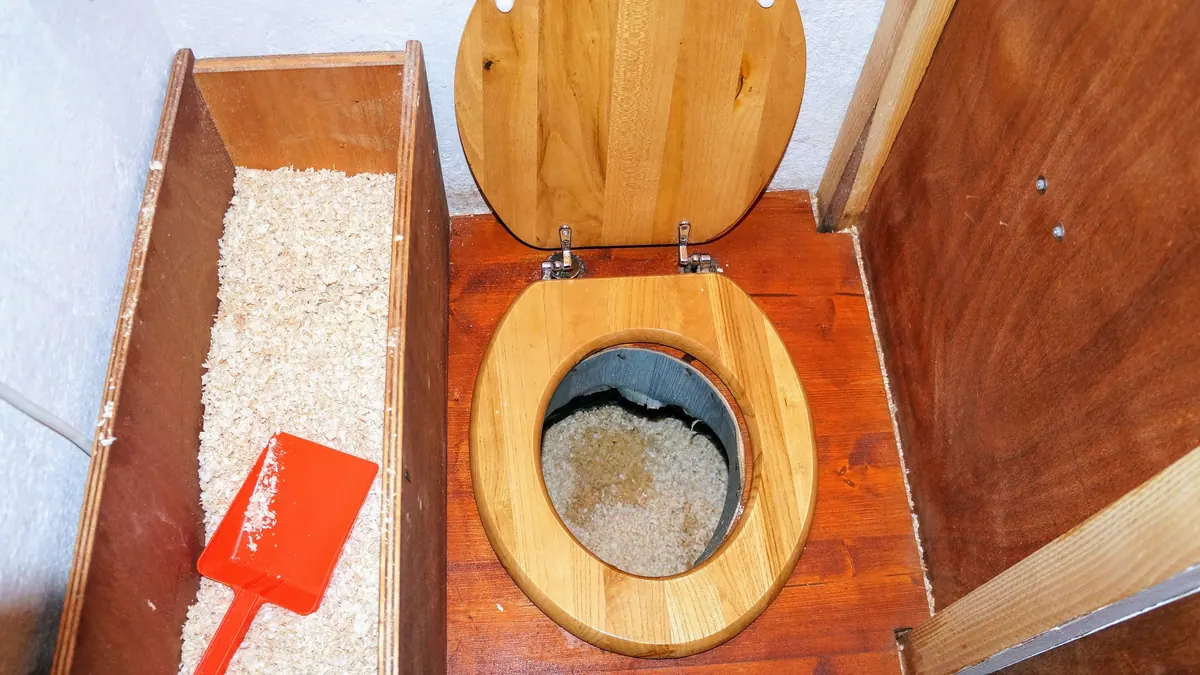
Human faeces/excreta — BMP: 2 studies, weighted mean 322 m³ CH₄/t VS
322 m³ CH₄/t VS weighted mean from 2 studies
≈56 %