

BMP testingAlgae and aquatic plantssingle study (2 samples)
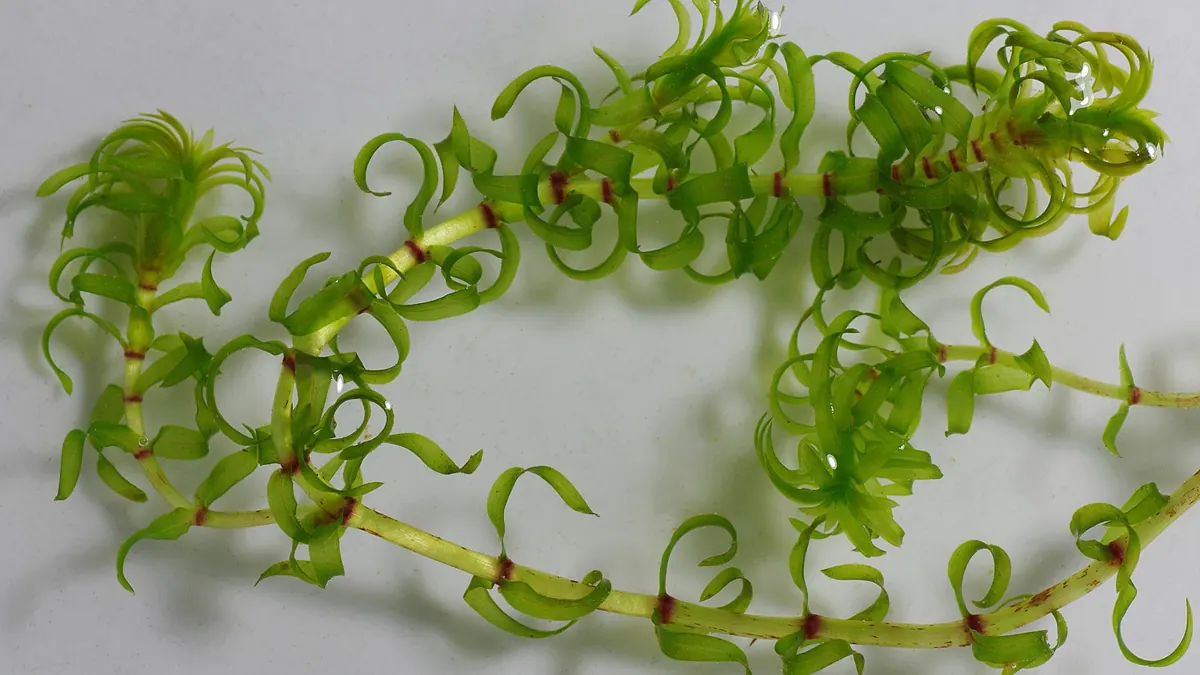
Western waterweed — BMP: 2 studies, weighted mean 218 m³ CH₄/t VS
Nuttall's waterweed (Elodea nuttallii) is a submerged invasive plant, removed from rivers and canals; the BMP data include several samples from a single source.
Photo Christian Fischer / Wikimedia Commons, licence CC BY-SA 3.0, source file; changes: cropping

- Weighted mean
- 218m³ CH₄/t VS
- Range
- 204–233m³ CH₄/t VS
- Records
- 2single study (2 samples)
- Publications
- 1source
- Temperatures
- —of the test
Methane in biogas
Medium methane content · ≈ 5.2 kWh/m³ of biogas
estimate from the substrate type The collected studies contain no measurement. The interval follows from the approximate composition (carbohydrate-dominated (no protein or fat characteristics)) and the yields of compound groups according to FNR.
Rating for biogas plants
not rated — editorial rating for biogas plants
Not rated: no dry matter or volatile solids in the data. We calculate the rating when the dry matter and volatile solids of the material are known.
Add to the co-digestion calculator CSV data
BMP curves from 2 studies
Weighted mean Individual records
Dashed lines are a model curve (first-order kinetics, B(t) = B₀·(1 − e−kt)); the end point comes from the publication. All curves are model curves.
Cumulative methane production over the test [m³ CH₄/t VS]. The thick line is the weighted mean of all records (218); dots mark the end values given in the publications. Point at the chart to read values; click a legend item to hide or show a record.
Records and sources
Download CSV| Source | BMP m³ CH₄/t VS | Temperature | Sample | Curve |
|---|---|---|---|---|
| Moeller et al. (2018) · 1 DOI | 204 | — | Western waterweed (Elodea nuttallii), sample 12 | end point (model curve) |
| Moeller et al. (2018) · 2 DOI | 233 | — | Western waterweed (Elodea nuttallii), Parthe, fresh | end point (model curve) |
| Weighted mean | 218 | arithmetic mean 218, SD 20 | ||
Process properties
Low confidence: the description is based on general characteristics of the substrate group, not on studies of this material. Treat it as a hint to be verified.
No published process studies
The literature we use does not describe the advantages or drawbacks of digesting this substrate beyond the BMP test results. Below are process characteristics assigned on the basis of the type of material — an editorial classification, not a study result.
- dilutes the feed (low DM)
- low dry matter, dilutes the feed
- seasonal
- seasonal availability — requires storage
- variable composition
- high variability of composition between batches
Dosing
The sources do not give a safe share of this substrate in the feed.
Sources of the process data
- Crop Characteristics of Aquatic Macrophytes for Use as a Substrate in Anaerobic Digestion Plants—A Study from Germany
- Biochemical methane potential and biodegradability of complex organic substrates
- Effects of size and thermophilic pre-hydrolysis of banana peel during anaerobic digestion, and biomethanation potential of key tropical fruit wastes
- Effect of particle size on biogas generation from biomass residues
The co-digestion calculator will assess a specific mixture containing this substrate.
What it is and where it comes from
Nuttall's waterweed (Elodea nuttallii) is a submerged aquatic plant native to North America, today widespread in many water bodies and watercourses of Europe. It grows vigorously and is sometimes removed as part of the maintenance of rivers, canals and lakes. The dataset includes several samples: one from the River Parthe in Germany (fresh biomass) and another designated as a numbered sample. They were examined in one source.
Properties relevant to digestion
The plant is more than 90% water, and its dry matter is mainly carbohydrates with a small lignin content, protein and ash. In alkaline water the waterweed deposits calcium carbonate on its leaves, which increases the share of mineral matter and lowers the VS share. Biomass collected from rivers also contains sand and fine sediment, which must be removed. Aquatic plants can accumulate heavy metals from the water, so their content must be checked before the digestate is used. Protein contributes nitrogen, but in moderate amounts.
How to read the spread of results
The records come from a single source and describe different batches of biomass. The composition of waterweed changes with the season (growth, flowering period), depth, water cleanliness and the amount of calcium deposited on the leaves. The method of harvest (water mowers, by hand), the time from harvest to test, comminution and drying, temperature and inoculum also matter. With a small number of records, a representative range cannot be determined.
In biogas plant practice
Waterweed is considered as a supplementary feedstock where its harvest is forced anyway by water management. Before digestion it must be dewatered, shredded and cleaned of sand, and because of its low dry matter content it should be mixed with more concentrated substrates. Because of seasonality and the small resource, obtaining it is local in nature. Nuttall's waterweed appears on the EU list of invasive alien species (Regulation (EU) No 1143/2014), so restrictions apply to it concerning, among other things, transport and release, and the collected biomass must be managed in such a way as not to spread the species. The legal status of biomass collected from waters depends on the purpose of harvesting and on permits, including the rules concerning invasive species.
It is also worth knowing that the mass development of submerged plants is often the result of an excess of nutrients in the water, so removing the biomass is sometimes also a way of taking part of the nitrogen and phosphorus out of the water.
Methodology in brief
BMP is the amount of methane obtained from volatile solids (VS) in a batch test, given in m³ CH₄ per tonne of VS (numerically the same as NmL CH₄/g VS in the publications) and converted to normal conditions (0 °C, 101.325 kPa). The weighted mean gives each publication a total weight of 1, split equally between its results for the substrate — a paper testing twenty varieties does not outweigh a paper with a single sample. In inter-laboratory programmes the unit is the laboratory (total weight 1), and within it the weight of a test grows with the number of bottles (replicates). Results after pretreatment (e.g. thermal, chemical, enzymatic) are shown separately and are not included in the mean.
Solid lines are curves measured in the tests. Where a publication gives only the final result, we draw a first-order kinetic model, B(t) = B₀·(1 − e−kt): only the end point comes from the publication, and the shape of the curve serves purely as visualisation — do not read the production on a particular day from it. For this substrate k = 0.102 d−1 was assumed (median of rate constants k reported in the sources and/or fitted to the mean measured curves).
The statistics describe the spread of published results — a descriptive compilation, not a meta-analysis or a guarantee of plant yield.
Bibliography
- Moeller, L.; Bauer, A.; Wedwitschka, H.; Stinner, W.; Zehnsdorf, A. (2018). Crop Characteristics of Aquatic Macrophytes for Use as a Substrate in Anaerobic Digestion Plants—A Study from Germany. Energies 11(11), 3016. DOI: 10.3390/en11113016 DOI
All sources of the site: bibliography.
Other substrates in the group “Algae and aquatic plants”
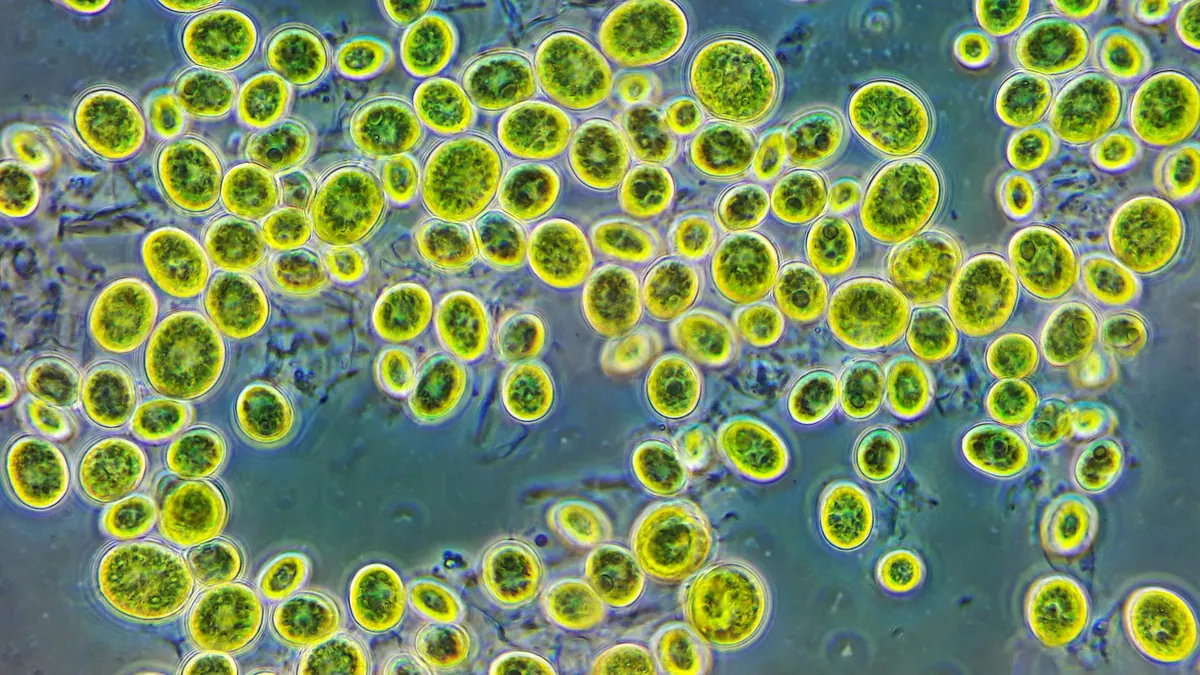
Chlorella sp. — BMP: 4 studies, weighted mean 229 m³ CH₄/t VS
229 m³ CH₄/t VS weighted mean from 4 studies
≈58 %
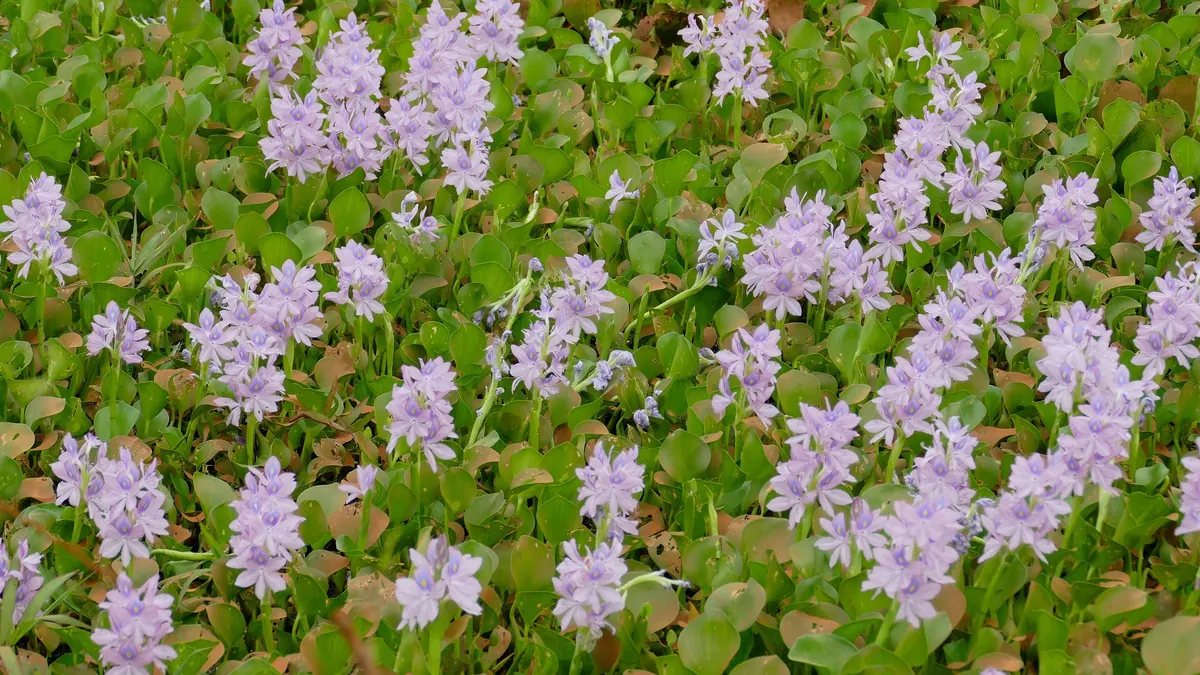
Water hyacinth — BMP: 3 studies, weighted mean 191 m³ CH₄/t VS
191 m³ CH₄/t VS weighted mean from 3 studies
≈52 %
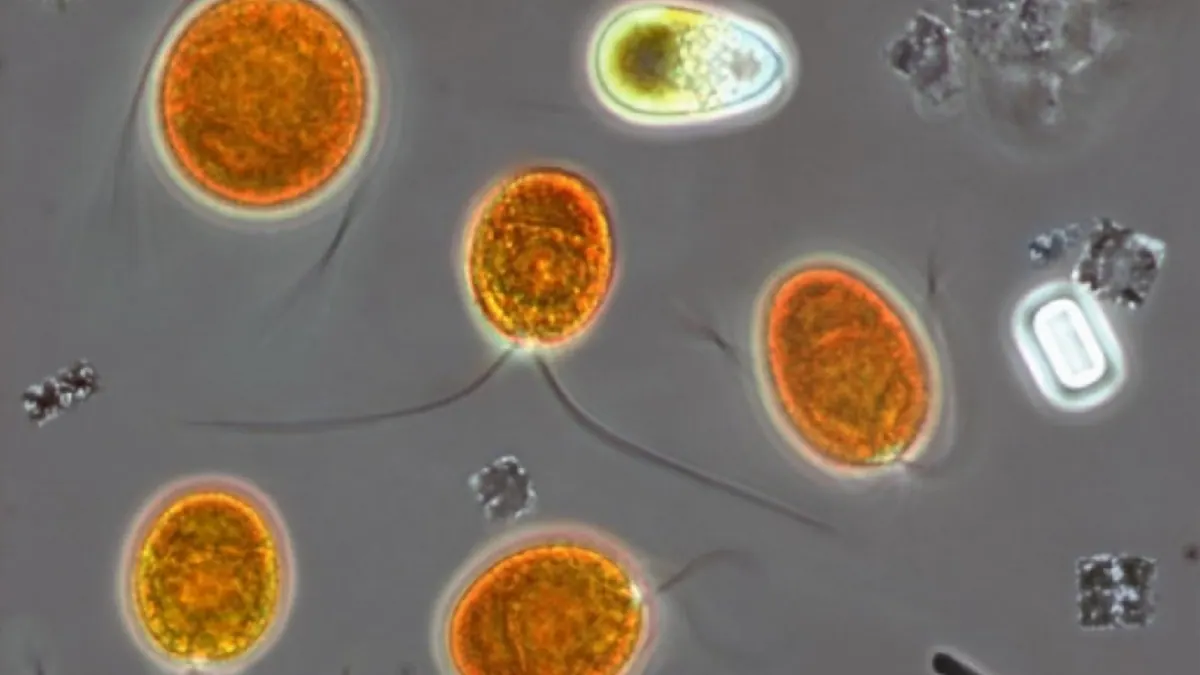
Dunaliella salina — BMP: 3 studies, weighted mean 221 m³ CH₄/t VS
221 m³ CH₄/t VS weighted mean from 3 studies
≈58 %
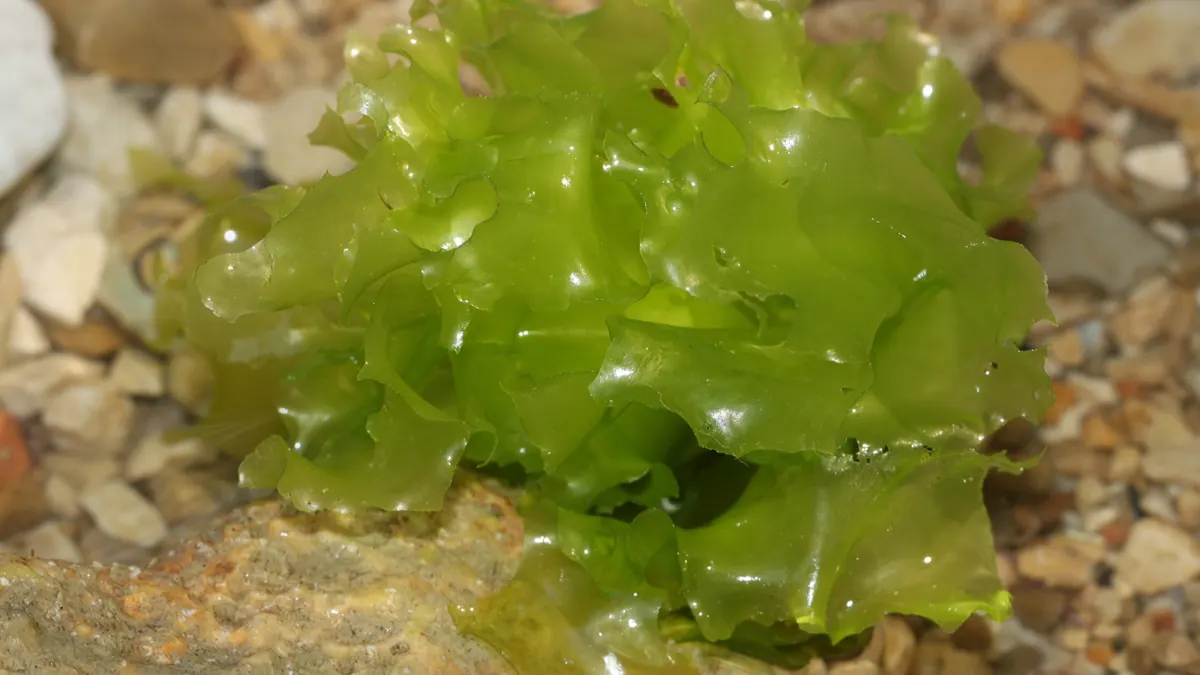
Sea lettuce (Ulva lactuca) — BMP: 2 studies, weighted mean 247 m³ CH₄/t VS
247 m³ CH₄/t VS weighted mean from 2 studies
≈52 %