Waste and circular economyEvent
California: SB 1383 biowaste regulations came into force on 1 January 2022
From 1 January 2022 the implementing regulations for SB 1383 apply in California: a 75% reduction in landfilling of organic waste by 2025 and recovery of 20% of food.
Other language versions: polski.
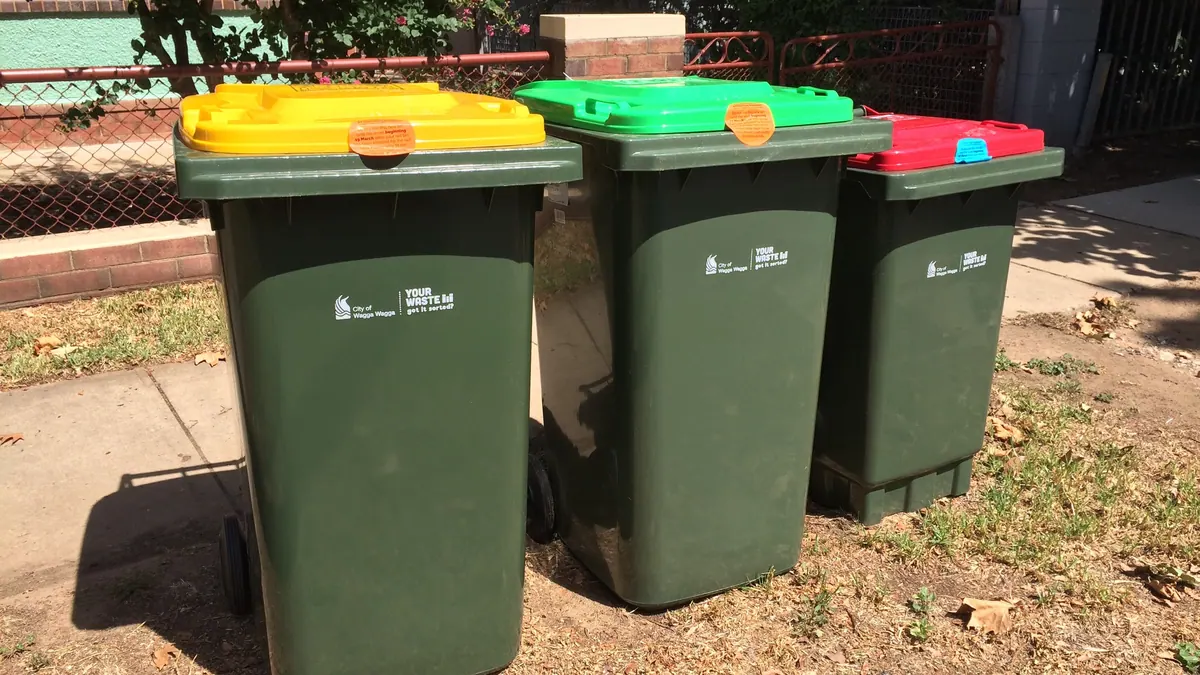

At the start of 2022 the implementing regulations for the SB 1383 law (Lara, 2016) began to apply in California, aimed at reducing emissions of short-lived climate pollutants, including methane from landfills. According to CalRecycle the law sets targets for 2025: 75% less organic waste going to landfills and the redirection of 20% of unsold, edible food to organisations engaged in its recovery. The approval of the regulations by the Office of Administrative Law and their entry into force at the start of 2022 is a date separate from the statutory targets, from which local governments had to launch their programmes.
Why organic waste?
Organic waste — food scraps, green waste, paper and cardboard — makes up, according to CalRecycle, about half of what Californians send to landfills. Once landfilled it decomposes anaerobically and emits methane: CalRecycle states that organics in landfills account for about 20% of the methane emitted in the state, and landfills themselves are the third largest source of methane in California. Diverting biowaste from landfills is therefore one of the key elements of the state's emission reduction strategy.
Obligations of local governments and business
According to the CalRecycle description all jurisdictions must provide organic waste collection to residents and businesses and recycling of it, purchase products made from processed organic material (e.g. compost and mulch) and report on the implementation of programmes. Counties are responsible for planning processing and food recovery capacity, and some food service businesses must donate unsold food. Record keeping is required for inspection purposes. CalRecycle also states that Californians throw away 5–6 million tonnes of food a year, and the law requires businesses to donate their surpluses instead of throwing them away.
Significance for biogas
The obligation to purchase products from biowaste creates organised demand for compost and energy from biogas, and a growing stream of separated kitchen and green waste can feed composting and anaerobic digestion installations. California's LCFS (Low Carbon Fuel Standard) system additionally rewards fuels with low carbon intensity, which links waste obligations with the renewable fuels market.
What this means for Poland and Europe
Polish obligations on selective collection of biowaste and EU landfill reduction targets have a similar logic. The Californian experience shows that collection alone is not enough – processing infrastructure and mechanisms of demand for compost and biomethane are needed.
Sources
Related articles