BiomethaneGuide
Converting a biogas plant with cogeneration into a biomethane plant (retrofit): step by step
A biogas plant with a CHP engine can be converted into a biomethane plant by adding upgrading and a grid connection. We indicate what needs to be calculated: biogas, heat for digestion, support, permits and the schedule.
Other language versions: polski.
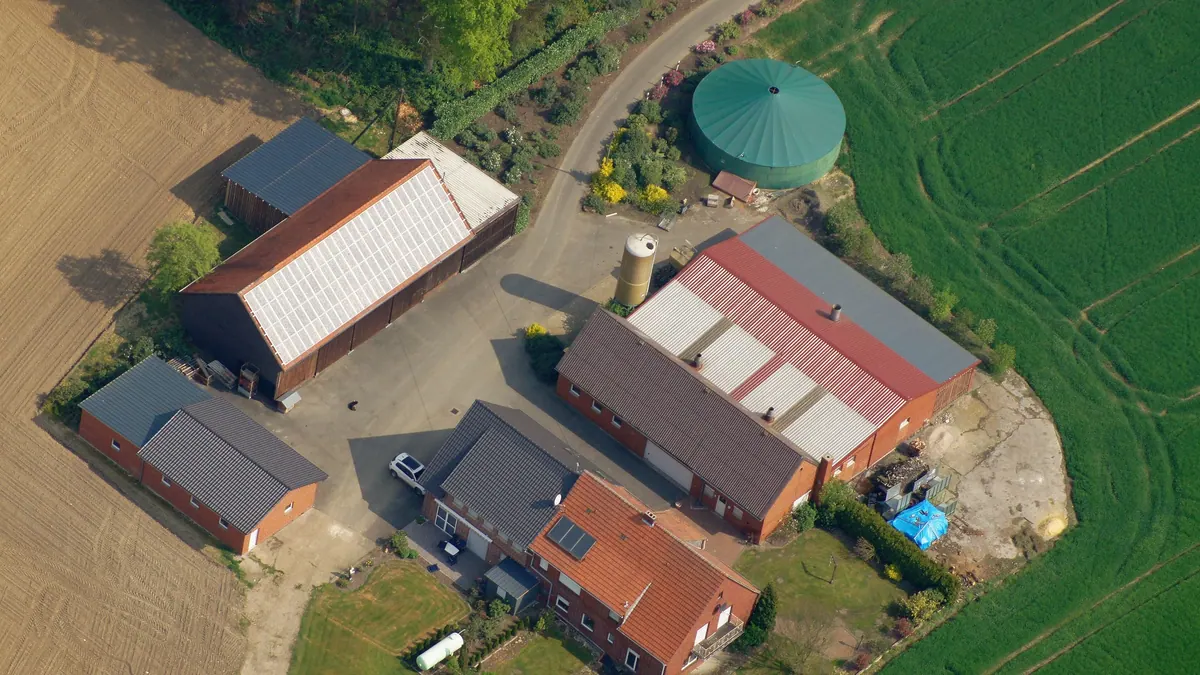

A biogas plant retrofit involves converting an installation with a cogeneration engine (CHP) into a biomethane plant by adding pre-treatment, upgrading, compression, an injection station and a grid connection; the digesters, stores and part of the infrastructure remain. A biogas plant with an electrical capacity of 1 MW usually produces about 450–500 m³/h of biogas, i.e. about 250 m³/h of methane, which after upgrading gives about 250 m³/h of biomethane (about 2.5 MW of chemical power). The key questions concern the heat balance, support, the connection and the economics.
Step 1: biogas balance
From the installation's data, determine the actual biogas production (m³/h) and composition (CH₄, H₂S, O₂, N₂). Example: an electrical capacity of 1 MW at an electrical efficiency of 40% means a chemical fuel power of 2.5 MW. At an energy content of 5.5 kWh/m³ of biogas, this gives 455 m³/h of biogas, i.e. about 250 m³/h CH₄ (55%). After upgrading with a slip of 0.5%, about 249 m³/h of methane is obtained, and at a purity of 98% – about 254 m³/h of biomethane. Annual production (8000 h): about 2.0 million m³, i.e. about 20 GWh.
Step 2: heat for digestion
The CHP engine also supplied heat for heating the digesters (maintaining about 38–42°C in mesophilic mode), usually from over a dozen to several dozen percent of the engine's heat. After the CHP is switched off, it has to be replaced:
- with a biogas boiler (burning roughly several to a dozen or so percent of the gas energy),
- with a biomass boiler,
- with a heat pump (electricity),
- with waste heat from upgrading or compression,
- by partially retaining a smaller CHP unit.
Heat demand depends on winter temperature, insulation and the feedstock, so it requires calculation. The chosen solution affects the emissions balance and the volume of biomethane sold.
Step 3: upgrading technology
The selection is described in a separate article (decision matrix). At a small scale (250 m³/h of biomethane), membranes or containerised PSA are often used. Pre-treatment (desulphurisation, drying, activated carbon) is necessary, designed for the actual biogas composition. If biological desulphurisation introduces air, oxygen and nitrogen in the biomethane must be taken into account.
Step 4: grid and connection
Begin with an application for connection conditions, and an analysis of capacity and pressure. With a small installation (250 m³/h), the local medium-pressure grid may have a problem with summer offtake, so consider variants (reverse compression, connection to a higher-pressure grid, bioCNG). Plan an injection station with quality and quantity metering.
Step 5: support and contracts
Check which contracts and support systems apply to the existing installation (feed-in tariffs, premiums, auctions, electricity sales contracts) and what the consequences are of their termination or a change in the subject of the activity. In many systems, ending electricity generation may result in loss of rights or the need to repay support, so seek the opinion of a lawyer and the regulator. A biomethane plant has a different revenue model (gas, guarantees of origin, possible premiums for transport fuel).
Step 6: permits
A change of technology may require changes to environmental and building permits, arrangements with the Office of Technical Inspection (Urząd Dozoru Technicznego), an update of explosion protection documentation and impact assessments (including off-gas emissions). Also check the integrated permit or other decisions concerning operation.
Step 7: economic calculation
Illustrative example: new CAPEX for upgrading, the station and the connection of PLN 18 million (assumption), additional OPEX of PLN 2.2 million/year (energy, servicing, certification), no revenue from electricity and heat (from the existing CHP), new revenue from the sale of 20 GWh of biomethane. With an interest rate of 8% and a period of 12 years (annuity factor of about 0.1327), the annual capital instalment is about PLN 2.4 million, and the additional cost is about PLN 4.6 million per year, i.e. PLN 230/MWh of biomethane – over and above existing substrate and operating costs. Compare this with the lost revenue from electricity and heat. The figures are assumed; the calculation should be carried out on your own data.
Step 8: schedule
A typical schedule: preliminary analysis (1–3 months), connection conditions (several months), design and permits (6–12 months), equipment delivery (6–12 months), installation and commissioning (several months). The whole process can take from 1.5 to 3 years.
Summary
A retrofit makes it possible to use existing infrastructure, but requires the issues of heat, support and the connection to be sorted out. A well-prepared analysis makes it possible to assess whether changing the revenue model pays off.
Sources
Related articles