European Parliament adopts the IED revision. Larger pig and poultry farms come within the directive
On 12 March 2024 the European Parliament approved the agreement on the Industrial Emissions Directive. It covers larger pig and poultry farms, but not cattle.
Other language versions: polski.
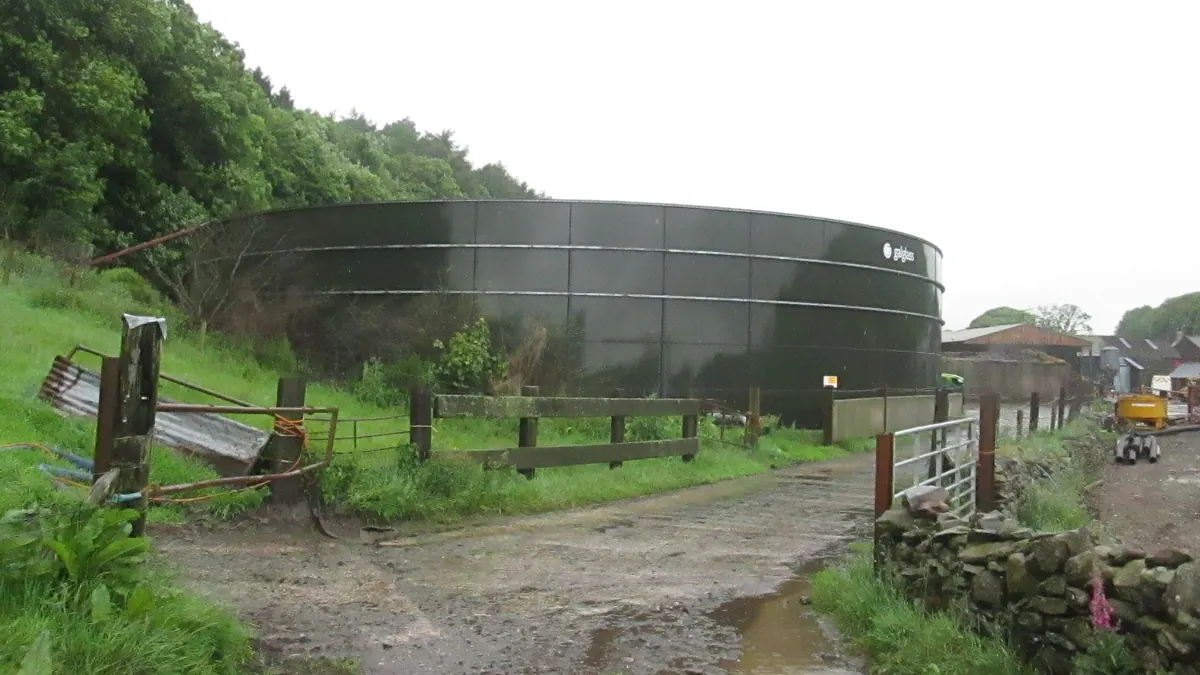

On 12 March 2024 the European Parliament approved the agreement on the revision of the Industrial Emissions Directive (IED), with 393 votes in favour, 173 against and 49 abstentions. What matters for the biogas sector is that the new requirements apply to large pig and poultry farms, that is, producers of slurry, manure and poultry droppings – substrates popular in agricultural biogas plants.
What is changing
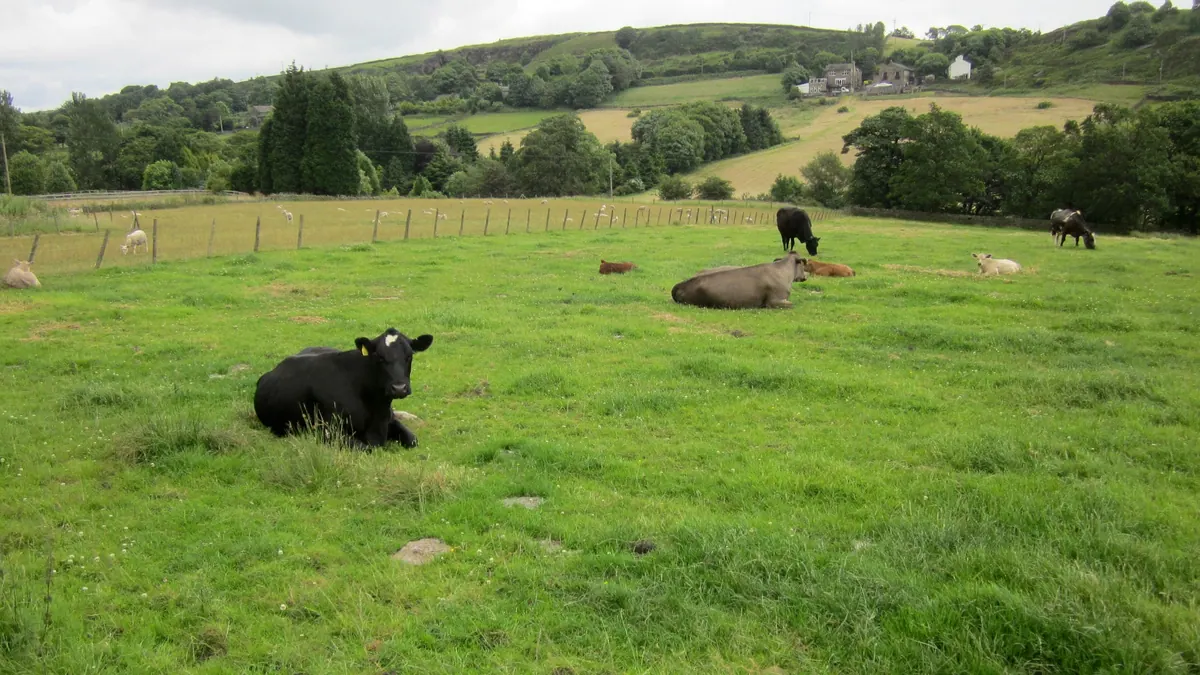
The revision extended the scope of the directive to more farms. According to the co-legislators' arrangements, pig farms above 350 LSU (livestock units) and larger poultry farms came within the scope of the IED. Cattle farms, whose inclusion had been proposed by the Commission, ultimately fell out of scope. In return, the Commission is to assess by 31 December 2026 whether further action is needed on emissions from livestock farming, including cattle.
After the vote in Parliament, the act still has to be approved by the Council and will then be published in the Official Journal of the EU. Member States will have about two years to transpose it.
Why this matters for biogas
The IED creates an integrated permitting system based on best available techniques (BAT). For farms covered by the new rules, this means, among other things, higher requirements for storing and applying natural fertilisers, reducing ammonia and methane emissions, and monitoring. Slurry processed in a biogas plant, followed by digestate applied as fertiliser, is one possible way of meeting these requirements, because fermentation reduces methane emissions from stored slurry and can shorten its storage time in open tanks.
Significance for the industry in Poland
Poland is a major producer of pigs and poultry, so the new rules concern many medium and large farms. For farm owners this is an additional administrative and investment burden, but also an argument for cooperating with biogas plants, for which manure is a substrate. It must be remembered, however, that there are limits: a biogas plant does not replace an integrated permit or exempt a farm from BAT requirements, and every use of digestate is subject to the rules of the Nitrates Directive and national fertiliser regulations.
The industry should monitor transposition. The two-year transposition period means that the details for Poland (thresholds, transitional periods, technical requirements) will appear in national drafts in 2025–2026.
What next
The next step will be approval of the act by the Council and publication in the Official Journal of the EU. On the national side, it is the Polish legislator that will introduce thresholds and rules in environmental protection law. The Commission's assessment at the end of 2026, in turn, may open the way to extending the rules to cattle. Farmers and advisers should therefore watch national drafts, and agricultural biogas plants should prepare for increased interest from farms in manure management services.
Sources
Related articles