Law and regulationAnalysis
ISCC EU vs REDcert2 certification for biogas plants: a comparison of the systems
ISCC EU and REDcert2 are two voluntary schemes recognised by the Commission for biomass and biomethane. We compare scope, audit, mass balance and selection criteria, without guessing at costs.
Other language versions: polski.
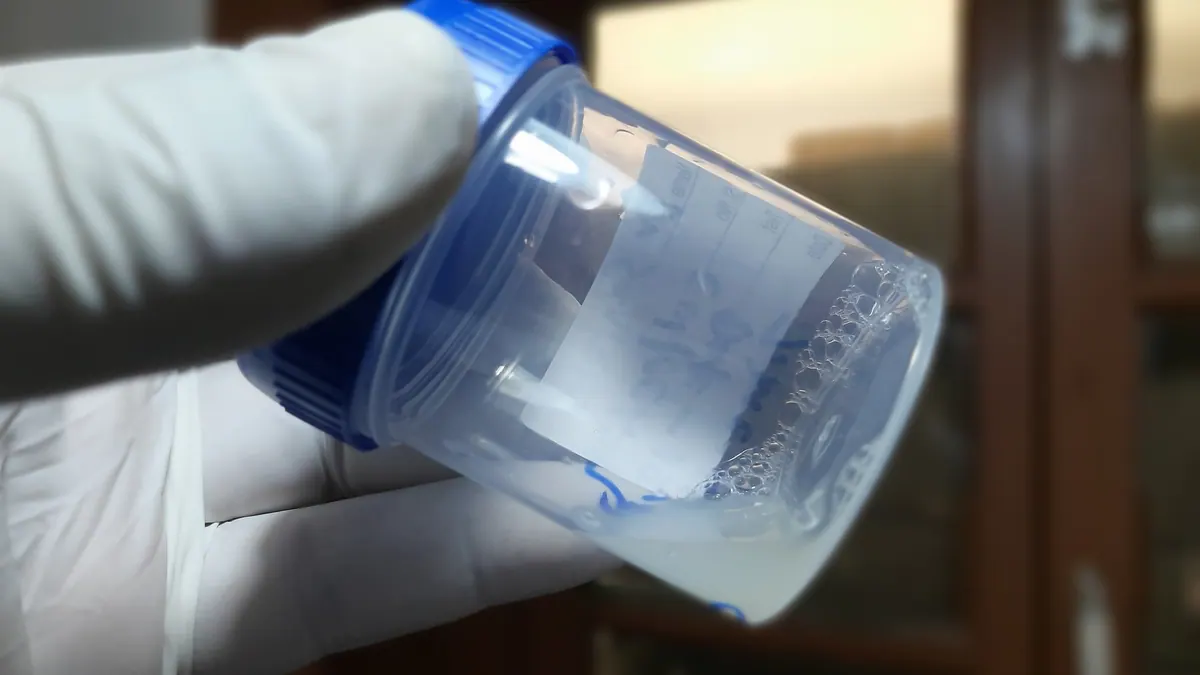

ISCC EU and REDcert2 are two voluntary schemes that the European Commission has recognised as tools for confirming sustainability criteria and GHG emission reduction for biomass and biomass fuels. For a biogas plant both serve the same function: they make it possible to demonstrate that biogas or biomethane meets the requirements of the RED II directive. What differs is the scope of operation, the organisation of the audit and market practice. The entry describes the position as of May 2022.
What voluntary schemes are
Article 30(4) of the RED II directive allows the Commission to decide that a voluntary national or international scheme demonstrates compliance with the criteria. Member States may then not reject a certificate issued under such a scheme, as long as the scope of recognition covers the given raw material and pathway. A biogas plant obtains a certificate from an independent certification body that has the approval of the scheme administrator. ISCC is administered by the German organisation ISCC, and REDcert is run by the German company REDcert GmbH. In Poland there is also the national KZR INiG scheme.
What they have in common
- Certification of the links in the chain. The certificate covers entities from the first gathering point (farm, collective waste delivery point) through the biogas plant and the upgrading installation to the trader.
- An annual audit carried out by an independent body, which checks documents, procedures and the reliability of the data.
- Mass balance – the quantity of product declared as sustainable cannot exceed the quantity of raw material, taking conversion factors into account.
- Sustainability documents issued for the consignments that pass through the chain.
- GHG calculations according to the RED II methodology, with default or actual values.
How they differ – selection criteria
| Aspect | ISCC EU | REDcert2 | What to check |
|---|---|---|---|
| Market reach | international scheme covering many sectors (a separate variant, ISCC PLUS, for markets outside EU regulation) | scheme originating from German agriculture and the biofuels sector, aimed mainly at the EU market | whether the buyer requires a specific scheme |
| Requirements for farms | own rules for first gathering points and farmers | own rules for farmers and gathering points | number and size of substrate suppliers |
| Supporting tools | own documents, calculators, training | own documents, data and training | how the certification body helps with calculations |
| Biomethane market | widely known to fuel and industry buyers | widely known, among others in Germany | acceptance in sales contracts |
The table above is general in nature. The details of the rules and the scope of recognition change, so before choosing download the scheme's current documents and ask the certification body for the requirements in writing.
What decides the choice in practice
- The buyer's requirement. The trader or the plant meeting fuel obligations often specifies which scheme it accepts.
- The target market. If the biomethane is to go to several countries, wide acceptance counts.
- Substrate structure. A large number of small suppliers increases the workload with declarations, regardless of the scheme.
- Availability of certification bodies in the region and their experience with biogas.
- Integration with databases. With the EU database (UDB) coming, schemes that facilitate data exchange are useful.
We do not give costs: they depend on the number of links, the size of the installation and the certification body, and they change over time.
The certification process step by step
- Choose the scheme and the certification body; obtain the approval of the scheme administrator.
- Define the scope: links, locations, products.
- Implement procedures for the mass balance, for collecting declarations from suppliers and for converting substrates.
- Carry out the GHG calculations and prepare the documentation.
- Go through the initial audit and obtain the certificate.
- Maintain records, issue sustainability documents, repeat the audit every year.
Typical mistakes
- Lack of declarations from farmers or waste suppliers before deliveries begin.
- Changing the substrate recipe without updating the GHG calculations.
- A mismatch in the mass balance: selling as sustainable a larger quantity than the balance allows.
- Omitting links in the chain (for example an intermediate store) from the scope of certification.
The role of the certification body
The certification body is not part of the scheme, but it operates on the basis of the approval of the scheme administrator and is subject to its rules. It carries out the audit, assesses the emission calculations and issues the certificate, usually for a year. For the investor this means that the body's real experience in biogas is sometimes as important as the choice of the scheme itself: a good body will suggest which documents to collect from suppliers, how to set up the mass balance and how to prepare for the audit without unnecessary corrections.
What happens after the audit
The certificate does not end the work. The biogas plant must issue documents confirming the sustainability of consignments on an ongoing basis, keep records of deliveries, update the emission calculations when the substrate mix changes, and inform the body of significant changes (change of technology, new supplier, new store location). Irregularities detected at the next audit may result in suspension or withdrawal of the certificate, and this directly blocks the sale of biomethane as renewable.
Questions a biomethane buyer asks
- Which certification scheme and which scope of recognition covers the product?
- Is the mass balance kept at installation level and consistent with the scheme's requirements?
- What is the GHG emission value of the consignment and on what basis was it calculated?
- Does the consignment benefit from public support?
- Does the buyer have a right of access to the documents in case of doubt?
Prepare the answers before contract negotiations – it shortens the time and strengthens the seller's position.
This text is for information only and does not constitute legal advice; before an investment or formal decision, check the current wording of the legislation and consult a lawyer or the relevant authority.
Sources
Questions and answers
Can a biogas plant hold certification in both ISCC and REDcert at the same time?
The rules depend on the schemes'' regulations and the certification body; in practice, one scheme is chosen for a given supply chain to avoid ambiguity in the mass balance and double counting of batches.
Is a certificate the same as an administrative permit?
No. A certificate is a private-law document of a voluntary scheme that confirms compliance with the criteria; it does not replace environmental permits, a building permit or registration with KOWR.
Related articles