Switching to a new silage harvest: how to avoid process upsets after a batch change
New silage differs in dry matter, digestibility and acid profile, so a batch change is often the start of upsets. How to introduce it and what to monitor.
Other language versions: Polski, Deutsch, Español, Français, Italiano, Nederlands.
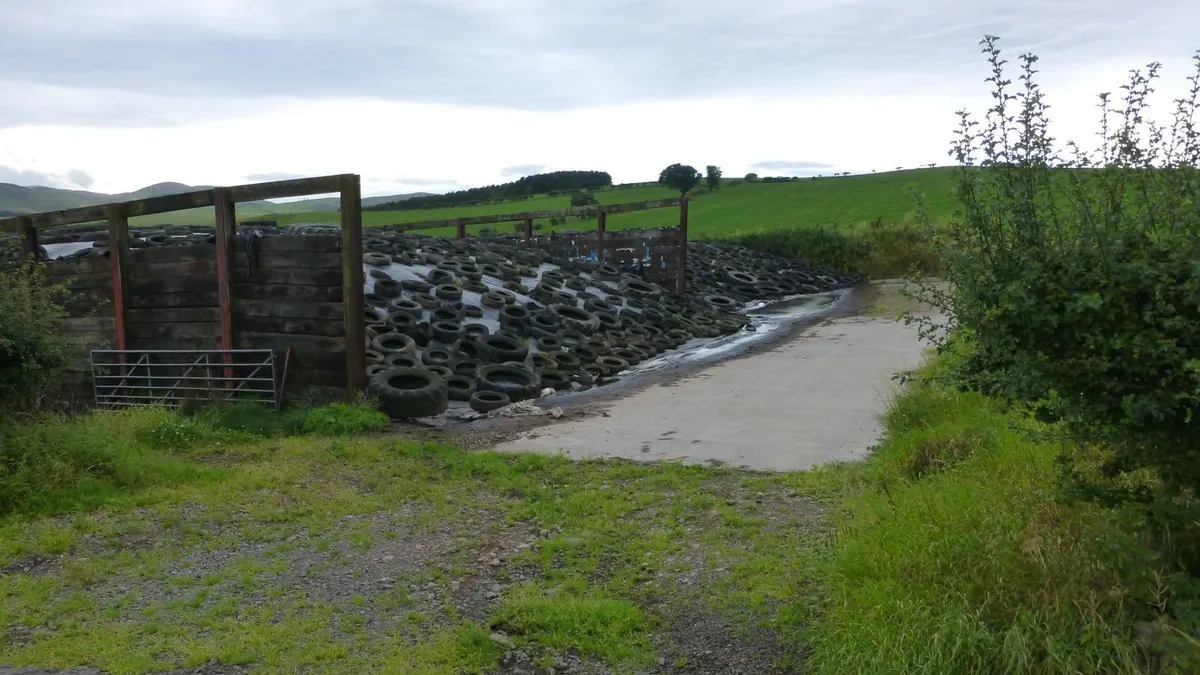

A change of silage batch, especially the switch from old to new after the harvest, is a moment of increased risk at a biogas plant: the same mass in tonnes means a different organic load and a different degradation profile. This guide is operational, not agronomic: we leave out the choice of varieties and harvest date, which are covered by the text on maize silage. We focus on what the operator can do at the level of dosing and monitoring.
Why the new batch behaves differently
Silage from different harvests differs in several parameters:
- Dry matter. The year and harvest conditions change it by a few percentage points; this directly changes the amount of organic matter in a tonne.
- Digestibility. The share of starch and fibre depends on the maturity of the plants, which changes the rate of degradation.
- Acid profile. The content of lactic, acetic and possibly butyric acid affects the early acid load that reaches the digester.
- Stage of maturation. Young silage, ensiled a few weeks ago, is still stabilising; it contains more readily available sugars and therefore degrades faster.
The practical effect: a few percent of difference in dry matter and a higher availability of sugars can change the organic loading rate (OLR) without any change in the number of tonnes per day.
Preparation before the change
- Test the batch. A feed analysis for the new silage: dry matter, organic dry matter, fibre, starch, fermentation acids. For important batches it is also worth doing a BMP test, if possible.
- Recalculate the dose. Instead of keeping the tonnage, keep the target OLR and adjust the mass to the actual organic dry matter.
- Plan gradual blending. For example, over 7–14 days increase the share of the new batch every 1–2 days, until only the new one is used. The exact pace depends on the differences between batches and the stability of the process.
- Secure a stock of the old batch, so that the change is smooth and not forced by the clamp running out.
What to monitor after the change
- VFA and FOS/TAC: changes in volatile acids signal overloading or a slowing of methanogenesis. The methodology of the indicator is covered by separate texts on VFA and FOS/TAC.
- Biogas composition: a fall in the share of methane or a rise in H₂S and CO₂ after the change is often the first signal.
- Foaming: a higher availability of sugars may increase the tendency to foam; level movement and sensor readings are discussed in the article on level measurements.
- Engine power and gas production: daily gas production per tonne of organic dry matter makes it possible to quickly assess whether the new batch gives the expected yield.
If the indicators depart from the norm, go back the last increase step instead of waiting until the problem deepens.
Common mistakes
- Replacing the whole dose in one day, because "the silage is the same".
- Dosing young silage in full quantity without observation.
- No record in the log of which batch is currently in use, which makes later analysis harder.
- Skipping the clamp face: the surface layer spoils faster and should not go into the digester.
Dependence on other substrates
Silage is rarely the only feedstock. A change in its parameters affects the balance of the mix, so with a new batch it is worth checking the total mix (slurry, manure, other substrates). Planning the mix is covered by the text on co-digestion, and maintaining a steady feed by the text on feeding stability.
Illustrative example of recalculating the dose
A hypothetical example: the old silage had 33% dry matter, the new one has 30%. At a dose of 20 tonnes per day the old batch supplied about 6.6 tonnes of dry matter, and the new one of the same mass about 6.0 tonnes. The difference is small, so if the tonnage is kept gas production will fall, and the operator may hastily increase the dose. In the second, opposite situation, when the new silage is drier, the same mass will supply more material and the load will rise above plan. That is why the dose is best expressed in kilograms of organic dry matter per cubic metre of digester per day, not in tonnes of fresh mass.
Practical notes
In practice a simple spreadsheet helps, in which the date of the change, the parameters of both batches, the doses and the results of checks from subsequent days are recorded. After the season, such a record makes it possible to assess how quickly the process responded to changes and to choose the pace of future transitions. It is also good to warn the laboratory service or your own laboratory about the coming change, so that acid analyses are carried out more often than the usual schedule requires.
What to remember
- A new batch is a new substrate: test it and recalculate the dose.
- Blend batches gradually and watch the indicators.
- Monitor VFA, gas and foam for at least several days after the change.
- Document which batch is currently in use.
Sources
Related articles