

BMP testingFruit, vegetables and their residuessingle study (2 samples)
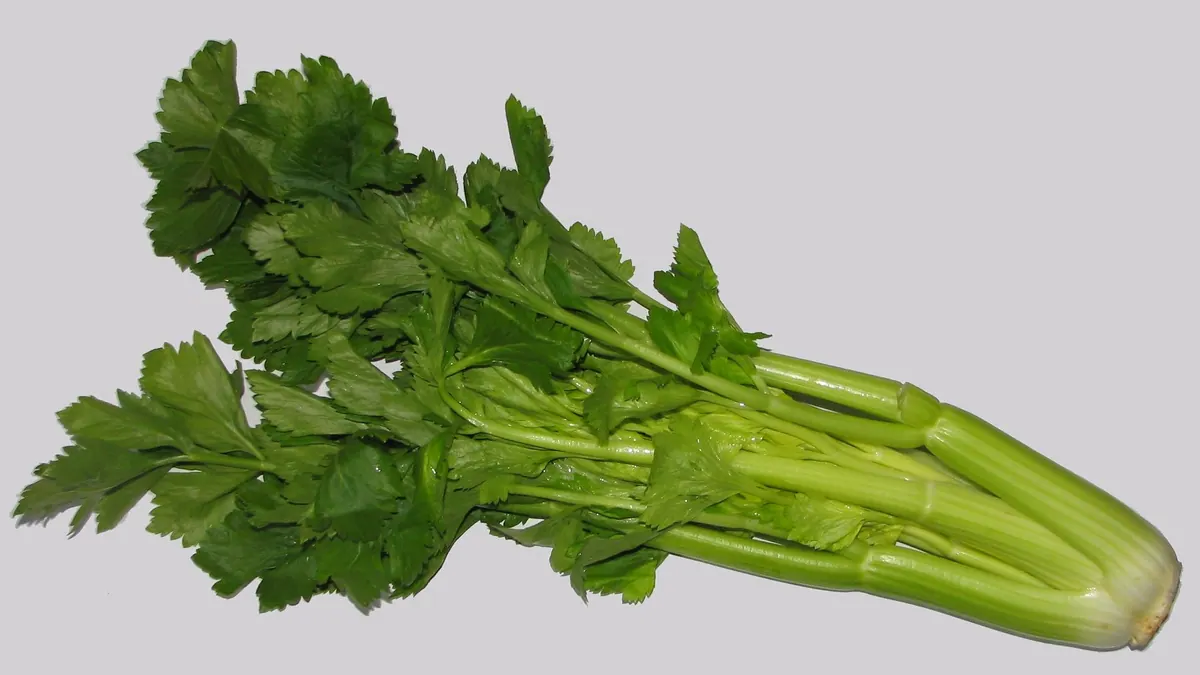
Celery (leaves and stalks) — BMP: 2 studies, weighted mean 236 m³ CH₄/t VS
Celery (leaves and stalks) is a fibrous vegetable waste with low lignin, watery and quick to spoil, with strongly aromatic volatile compounds.
Photo Popolon / Wikimedia Commons, licence CC BY-SA 3.0, source file; changes: cropping

- Weighted mean
- 236m³ CH₄/t VS
- Range
- 196–275m³ CH₄/t VS
- Records
- 2single study (2 samples)
- Publications
- 1source
- Temperatures
- —of the test
Methane in biogas
Medium methane content · ≈ 5.5 kWh/m³ of biogas
estimate from the substrate type The collected studies contain no measurement. The interval follows from the approximate composition (protein from total nitrogen (N 2.5 % DM × 6.25)) and the yields of compound groups according to FNR.
Rating for biogas plants
not rated — editorial rating for biogas plants
Not rated: no dry matter or volatile solids in the data. We calculate the rating when the dry matter and volatile solids of the material are known.
Add to the co-digestion calculator CSV data
BMP curves from 2 studies
Weighted mean Individual records
Dashed lines are a model curve (first-order kinetics, B(t) = B₀·(1 − e−kt)); the end point comes from the publication. All curves are model curves.
Cumulative methane production over the test [m³ CH₄/t VS]. The thick line is the weighted mean of all records (236); dots mark the end values given in the publications. Point at the chart to read values; click a legend item to hide or show a record.
Records and sources
Download CSV| Source | BMP m³ CH₄/t VS | Temperature | Sample | Curve |
|---|---|---|---|---|
| Cai et al. (2019) · 1 DOI | 196 | — | Celery (Apium graveolens) – Leaf | end point (model curve) |
| Cai et al. (2019) · 2 DOI | 275 | — | Celery (Apium graveolens) – Stem | end point (model curve) |
| Weighted mean | 236 | arithmetic mean 236, SD 56 | ||
Typical composition
- Volatile solids (VS)
- 70.2 % DM (range 68.5–72)
- Nitrogen
- 2.5 % DM
- C/N ratio
- 13.8
Median and range of the determinations reported in the publications behind this substrate's BMP records (read from: BCBPD); dry matter: 0 determinations, volatile solids: 2 determinations. C/N was calculated as the ratio of C and N content (% DM) from the same source. No DM in the sources – the calculator has to ask for a value.
Sources: Cai et al. (2019).
The composition of the raw material varies between batches — for plant calculations use an analysis of your own sample. The calculator inserts typical values automatically.
Process properties
Low confidence: the description is based on general characteristics of the substrate group, not on studies of this material. Treat it as a hint to be verified.
No published process studies
The literature we use does not describe the advantages or drawbacks of digesting this substrate beyond the BMP test results. Below are process characteristics assigned on the basis of the type of material — an editorial classification, not a study result.
- dilutes the feed (low DM)
- low dry matter, dilutes the feed
- seasonal
- seasonal availability — requires storage
- poor in trace elements
- poor in trace elements — mono-digestion requires supplementation
- variable composition
- high variability of composition between batches
- fibrous
- lignocellulose, long fibres → floating layer, harder mixing, slow degradation
Co-digestion — what to combine it with, what to watch out for
- combines well
substrates: nitrogen-rich — e.g. Pig slurry, Poultry manure, Waste activated sludge (secondary sludge), Chlorella vulgaris, Nannochloropsis salina
A nitrogen-rich co-substrate balances the low C/N of fruit and vegetable waste (Bouallagui et al. 2009).[1]
Dosing
No source limits on the dose for this substrate.
Sources of the process data
- Improvement of fruit and vegetable waste anaerobic digestion performance and stability with co-substrates addition
- Prediction of methane production performances based on determination of organic components for different vegetable wastes
- Effects of size and thermophilic pre-hydrolysis of banana peel during anaerobic digestion, and biomethanation potential of key tropical fruit wastes
- Effect of particle size on biogas generation from biomass residues
The co-digestion calculator will assess a specific mixture containing this substrate.
What it is and where it comes from
Celery (Apium graveolens var. dulce) is a vegetable grown for its leaf stalks, eaten raw or cooked. The waste arises in packing houses and in processing (salads, juices, vegetable mixes), where leaves, ends and portions that do not meet standards are cut off. In Poland the crop is small in scale compared with celeriac.
Properties relevant to digestion
The stalks contain a lot of water and fibre (cellulose and hemicellulose), which gives them their structure; the leaves are richer in protein and have a higher share of soluble sugars. Lignin is low, although older stalks may be more lignified. The material hydrolyses quickly and carries no significant inhibitors, although celery contains essential oils and volatile compounds (phthalides), which are of no significance at typical shares. Long fibres can wind around agitators if the material is not well chopped, and the very low dry matter limits the energy density.
How to read the spread of results
The dataset contains several records from one study: leaves and stalks, without a stated test temperature. The difference between them shows that the result depends on the fraction, and hence on the proportion of leaves and stalks in a particular batch of waste. Additional sources of variability are cultivar, harvest date, chopping, the way the sample was prepared, and inoculum. A single study does not allow repeatability to be assessed.
In biogas plant practice
Celery is a marginal addition to the feed, justified only when the waste arises close to the plant. After chopping it can be dosed together with slurry or silage. Storage is limited to a few days because of rapid spoilage. Waste from processing and trade is waste, so accepting it requires the appropriate permits, whereas residues from one's own crop may be used like agricultural products.
To standardise the batch, it is worth chopping the leaves and stalks together rather than separately, because the dose is then more repeatable and the agitators are less exposed to winding by long fibres, which are particularly tough in celery.
It is also worth remembering seasonality: the largest quantities of waste appear in summer and autumn, so the supply plan should allow for periods when the availability of celery is negligible, and should not rely on it for a constant share of the feed.
Methodology in brief
BMP is the amount of methane obtained from volatile solids (VS) in a batch test, given in m³ CH₄ per tonne of VS (numerically the same as NmL CH₄/g VS in the publications) and converted to normal conditions (0 °C, 101.325 kPa). The weighted mean gives each publication a total weight of 1, split equally between its results for the substrate — a paper testing twenty varieties does not outweigh a paper with a single sample. In inter-laboratory programmes the unit is the laboratory (total weight 1), and within it the weight of a test grows with the number of bottles (replicates). Results after pretreatment (e.g. thermal, chemical, enzymatic) are shown separately and are not included in the mean.
Solid lines are curves measured in the tests. Where a publication gives only the final result, we draw a first-order kinetic model, B(t) = B₀·(1 − e−kt): only the end point comes from the publication, and the shape of the curve serves purely as visualisation — do not read the production on a particular day from it. For this substrate k = 0.245 d−1 was assumed (median of rate constants k reported in the sources and/or fitted to the mean measured curves).
The statistics describe the spread of published results — a descriptive compilation, not a meta-analysis or a guarantee of plant yield.
Bibliography
- Cai, F.; 1. Biomass Energy and Environmental Engineering Research Center, College of Chemical Engineering, Beijing University of Chemical Technology, Beijing 100029, China; Yan, H.; Zhang, R.; Liu, G.; Chen, C.; 2. Department of Biological and Agricultural Engineering, University of California, Davis, CA 95616, USA (2019). Prediction of methane production performances based on determination of organic components for different vegetable wastes. International Journal of Agricultural and Biological Engineering 12(3), 154–159. DOI: 10.25165/j.ijabe.20191203.4705 DOI
All sources of the site: bibliography.
Other substrates in the group “Fruit, vegetables and their residues”
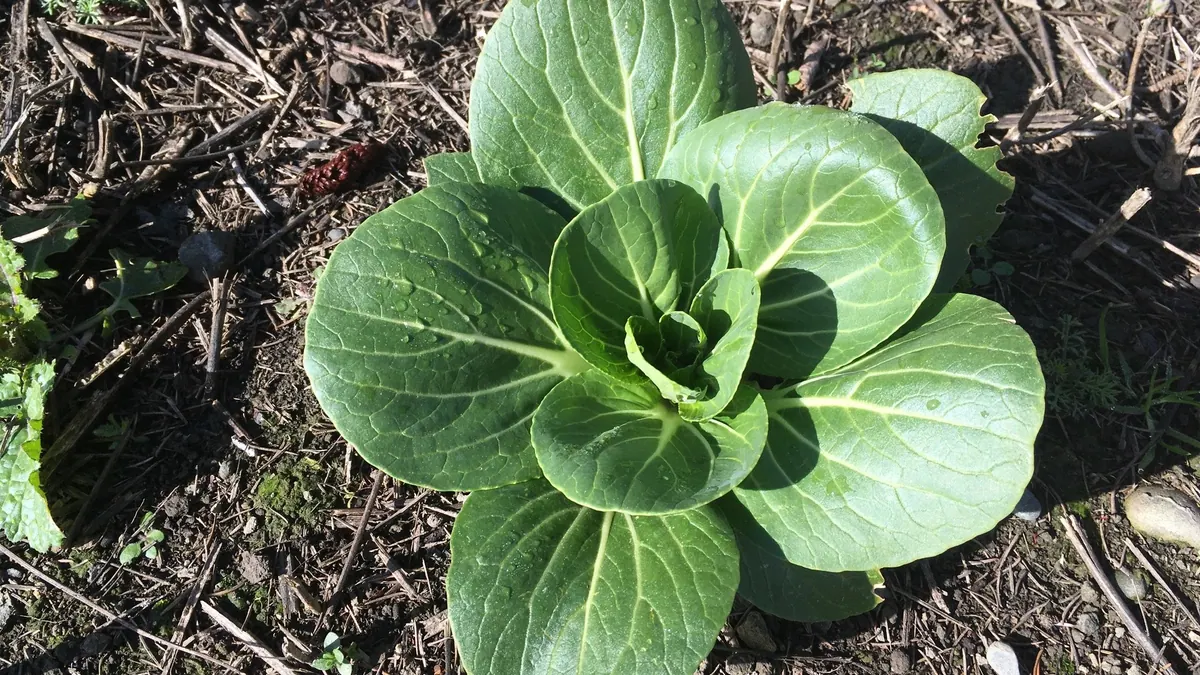
Other leafy and stem vegetables (bok choy, amaranth, garlic chives, garlic shoots, water dropwort, toon sprouts, zucchini and turnip leaves) — BMP: 8 studies, mean 253 m³ CH₄/t VS
253 m³ CH₄/t VS weighted mean from 8 studies
≈58 %
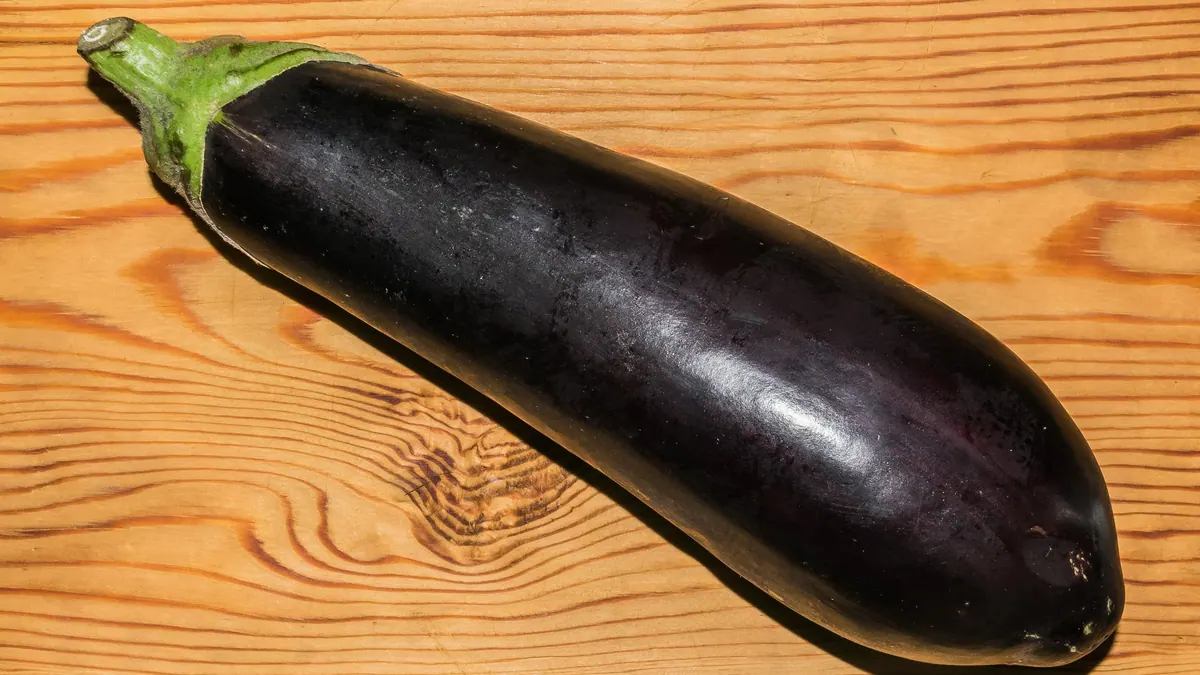
Eggplant (fruit) — BMP: 2 studies, weighted mean 333 m³ CH₄/t VS
333 m³ CH₄/t VS weighted mean from 2 studies
≈54 %
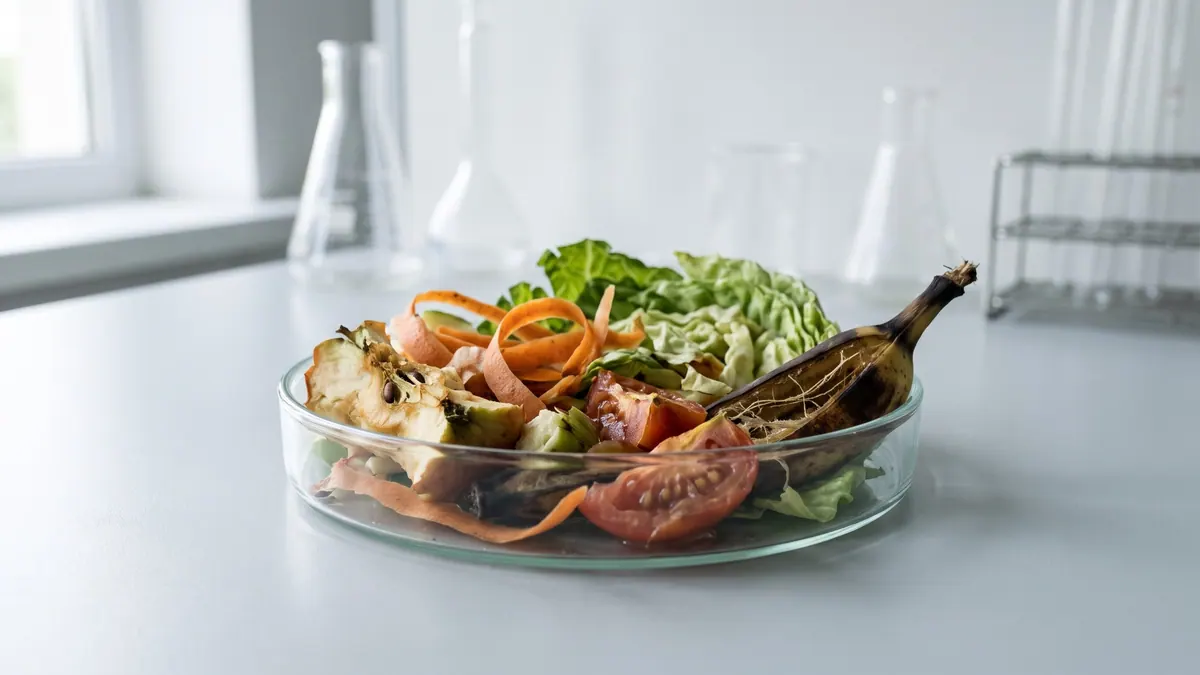
Fruit and vegetable waste (mixed) — BMP: 5 studies, weighted mean 305 m³ CH₄/t VS
305 m³ CH₄/t VS weighted mean from 5 studies
neutral — editorial rating for biogas plants≈55 %
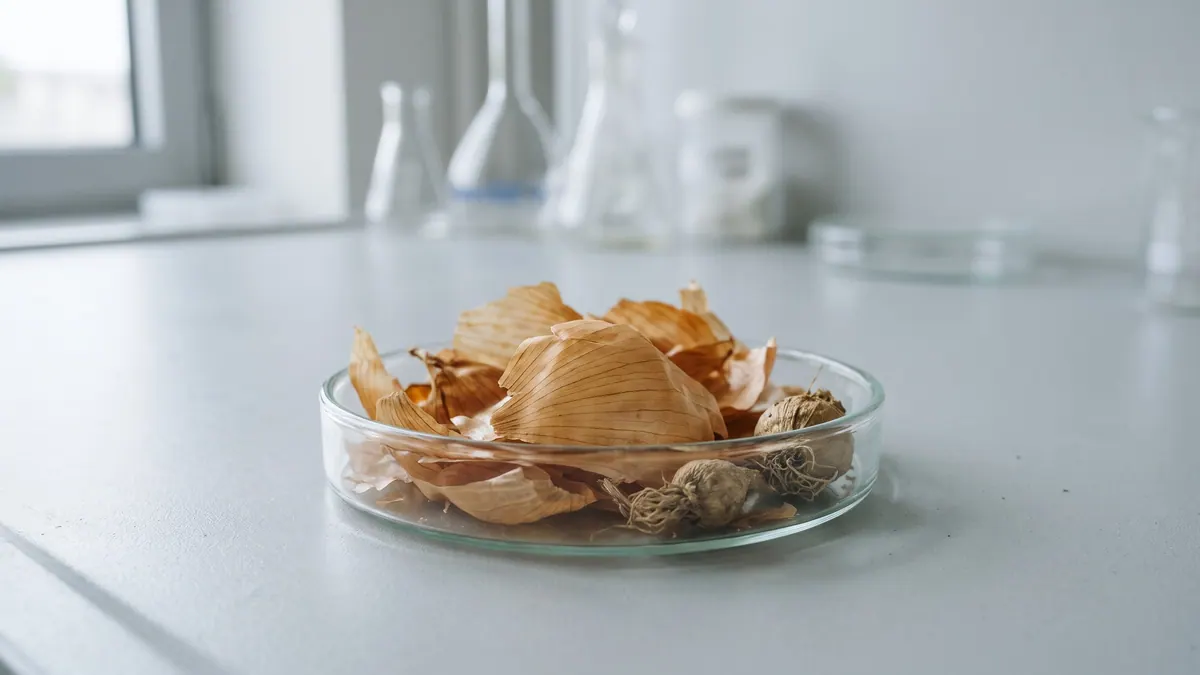
Onion peels and residues — BMP: 2 studies, weighted mean 462 m³ CH₄/t VS
462 m³ CH₄/t VS weighted mean from 2 studies
≈52 %