

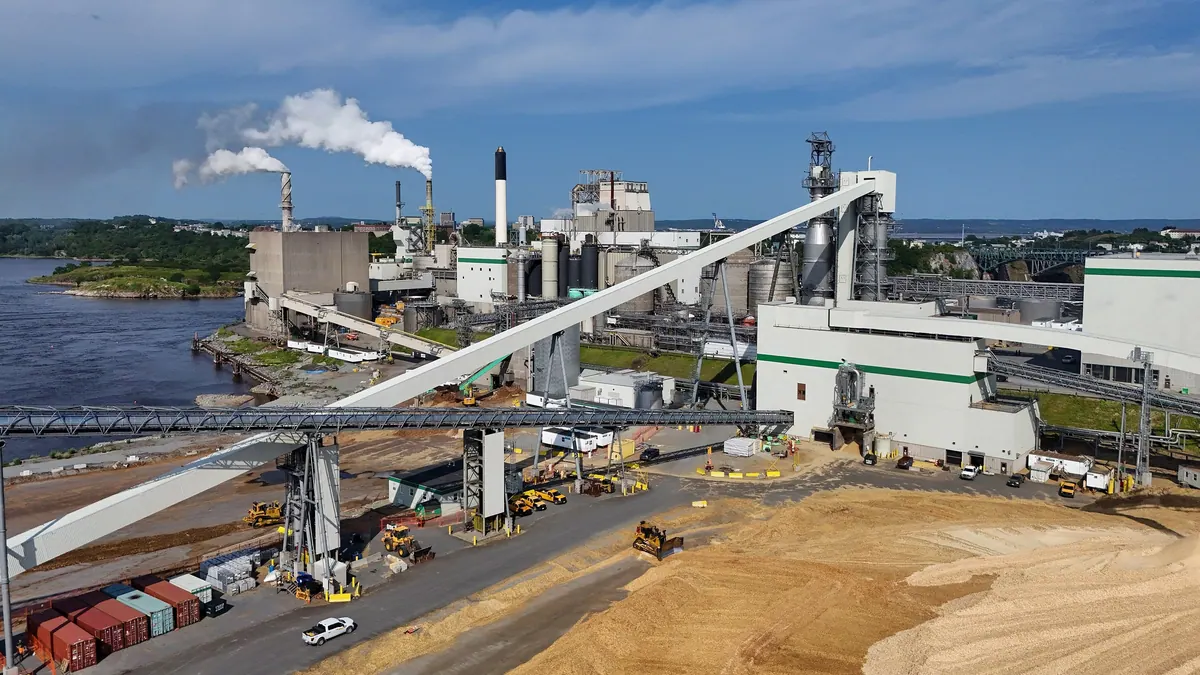
BMP testingSewage and industrial sludgessingle study (2 samples)
Pulp residues from paper industry — BMP: 2 studies, weighted mean 346 m³ CH₄/t VS
Pulp mill waste (pulp residues) is a fibrous material rich in cellulose; it was examined in a single study at 37 and 55 °C.
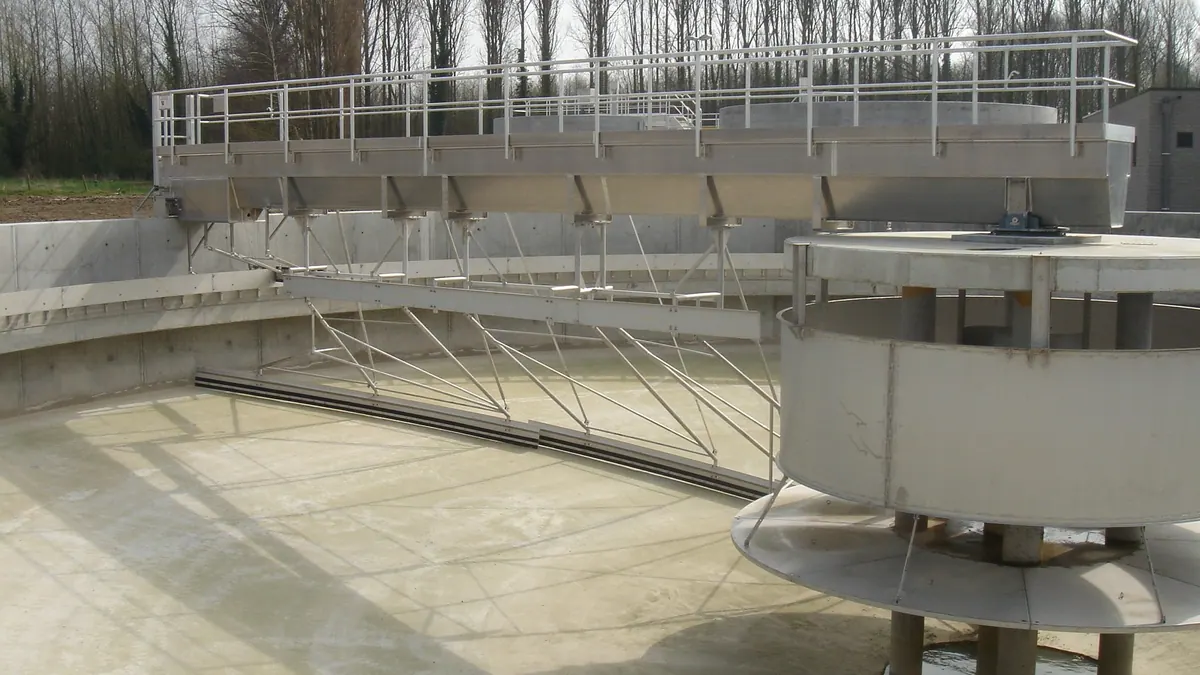
Photo Quintin Soloviev / Wikimedia Commons, licence CC BY 4.0, source file; changes: cropping

- Weighted mean
- 346m³ CH₄/t VS
- Range
- 323–368m³ CH₄/t VS
- Records
- 2single study (2 samples)
- Publications
- 1source
- Temperatures
- 37 °C, 55 °Cof the test
Methane in biogas
Medium methane content · ≈ 5.2 kWh/m³ of biogas
estimate from the substrate type The collected studies contain no measurement. The interval follows from the approximate composition (carbohydrate-dominated (no protein or fat characteristics)) and the yields of compound groups according to FNR.
Rating for biogas plants
not rated — editorial rating for biogas plants
Not rated: no dry matter or volatile solids in the data. We calculate the rating when the dry matter and volatile solids of the material are known.
Add to the co-digestion calculator CSV data
BMP curves from 2 studies
Weighted mean Individual records
Dashed lines are a model curve (first-order kinetics, B(t) = B₀·(1 − e−kt)); the end point comes from the publication. All curves are model curves.
Cumulative methane production over the test [m³ CH₄/t VS]. The thick line is the weighted mean of all records (346); dots mark the end values given in the publications. Point at the chart to read values; click a legend item to hide or show a record.
Records and sources
Download CSV| Source | BMP m³ CH₄/t VS | Temperature | Sample | Curve |
|---|---|---|---|---|
| Walter et al. (2016) · 1 DOI | 323 | 37 °C · mesophilic | Pulp residues (PR), non-pretreated, 37 C | end point (model curve) |
| Walter et al. (2016) · 2 DOI | 368 | 55 °C · thermophilic | Pulp residues (PR), non-pretreated, 55 C | end point (model curve) |
| Weighted mean | 346 | arithmetic mean 346, SD 32 | ||
Process properties
Low confidence: the description is based on general characteristics of the substrate group, not on studies of this material. Treat it as a hint to be verified.
Advantages
- Methane potential in the Substraty.pl BMP dataset: weighted mean 345.5 m³ CH₄/t VS (SD 31.8; 2 records, 1 source).
- Cellulose with a low lignin content after bleaching (Bayr et al. 2012).
Drawbacks and risks
- Poor in N and P - supplementation needed (Bayr et al. 2012).
- Residual chemicals from the process may inhibit (Chen et al. 2008).
Co-digestion — what to combine it with, what to watch out for
- combines well
substrates: high alkalinity (buffer) — e.g. Cattle manure, Pig slurry, Cattle slurry, Duck slurry, Rumen and digestive tract content
Dosing
No source threshold.
Introduce gradually, starting with a small dose and monitoring the process (e.g. FOS/TAC, pH, gas composition).
Practical requirements
- Shred: shredding increases the surface available for degradation and speeds it up, but does not necessarily raise the final gas yield (FNR 2010, Ch. 3 “Triturado”).
Sources of the process data
- Hagos et al. (2017). Anaerobic co-digestion process for biogas production: progress, challenges and perspectives. Renew. Sustain. Energy Rev.
- Weiland, P. (2010) Biogas production: current state and perspectives. Applied Microbiology and Biotechnology
- Bayr et al. (2012). Thermophilic anaerobic digestion of pulp and paper mill primary sludge and co-digestion of primary and secondary sludge. Water Res.
- Chen, Cheng, Creamer (2008). Inhibition of anaerobic digestion process: A review. Bioresour. Technol.
- Hendriks, Zeeman (2009). Pretreatments to enhance the digestibility of lignocellulosic biomass. Bioresour. Technol.
- FNR (2010). Guía sobre el Biogás – Desde la producción hasta el uso (hiszp. wydanie „Leitfaden Biogas”, GIZ 2013)
The co-digestion calculator will assess a specific mixture containing this substrate.
What it is and where it comes from
Pulp waste arises in the production of pulp and paper as fibres and coarse particles rejected on screens and in pulp treatment. It contains cellulose fibres, hemicelluloses, residual lignin and fillers. The dataset includes one study with untreated waste, examined at 37 °C and 55 °C. Paper plants most often manage such waste on site: they burn it, use it as a raw material or send it for composting.
Properties relevant to digestion
The main component is cellulose, slowly hydrolysed because of its crystallinity, but largely not shielded by lignin if the pulp was chemically bleached. The material is poor in nitrogen and phosphorus, so it needs supplementation with nutrients. The fibres require comminution, because without it they form compact agglomerates. Residues of chemicals from the process (sulphates, chlorine compounds, residual liquors) may in unusual cases inhibit microorganisms. The ash content depends on the fillers and washing.
How to read the spread of results
The dataset consists of a small number of records from a single publication, which differ in temperature. The difference shows the effect of the test conditions, not the variability of the feedstock. In more general terms, the result is determined by the type of pulp (mechanical, sulphate, sulphite), the degree of bleaching, the share of fine fractions, moisture and comminution. The inoculum, nutrient additions and test length also matter, because the decomposition of cellulose is slow.
In biogas plant practice
These wastes could supplement mixtures with a low C/N ratio, but their availability outside the plant is limited. Comminution, the addition of nutrients and a check for the presence of process chemicals would be necessary. Waste from the paper industry is industrial waste, and its acceptance requires an appropriate code and the installation's permit. The data are informational.
For comparison with sludges from paper mill wastewater treatment, fibrous wastes contain more cellulose and less bacterial biomass, so their behaviour in the digester is closer to paper than to sludge. In practice the fate of such a waste is decided by the cost-effectiveness of burning it in the plant's boilers, not of digestion. It is, however, worth knowing this potential when planning the plant's waste management.
Because the description of the dataset is brief, a dedicated BMP test is necessary.
Methodology in brief
BMP is the amount of methane obtained from volatile solids (VS) in a batch test, given in m³ CH₄ per tonne of VS (numerically the same as NmL CH₄/g VS in the publications) and converted to normal conditions (0 °C, 101.325 kPa). The weighted mean gives each publication a total weight of 1, split equally between its results for the substrate — a paper testing twenty varieties does not outweigh a paper with a single sample. In inter-laboratory programmes the unit is the laboratory (total weight 1), and within it the weight of a test grows with the number of bottles (replicates). Results after pretreatment (e.g. thermal, chemical, enzymatic) are shown separately and are not included in the mean.
Solid lines are curves measured in the tests. Where a publication gives only the final result, we draw a first-order kinetic model, B(t) = B₀·(1 − e−kt): only the end point comes from the publication, and the shape of the curve serves purely as visualisation — do not read the production on a particular day from it. For this substrate k = 0.091 d−1 was assumed (no kinetic data for the group – the median of all available rate constants k (93 values) was used).
The statistics describe the spread of published results — a descriptive compilation, not a meta-analysis or a guarantee of plant yield.
Bibliography
- Walter, A.; Silberberger, S.; Juárez, M.F.D.; Insam, H.; Franke-Whittle, I.H. (2016). Biomethane potential of industrial paper wastes and investigation of the methanogenic communities involved. Biotechnology for Biofuels 9(1), 21. DOI: 10.1186/s13068-016-0435-z DOI
All sources of the site: bibliography.
Other substrates in the group “Sewage and industrial sludges”
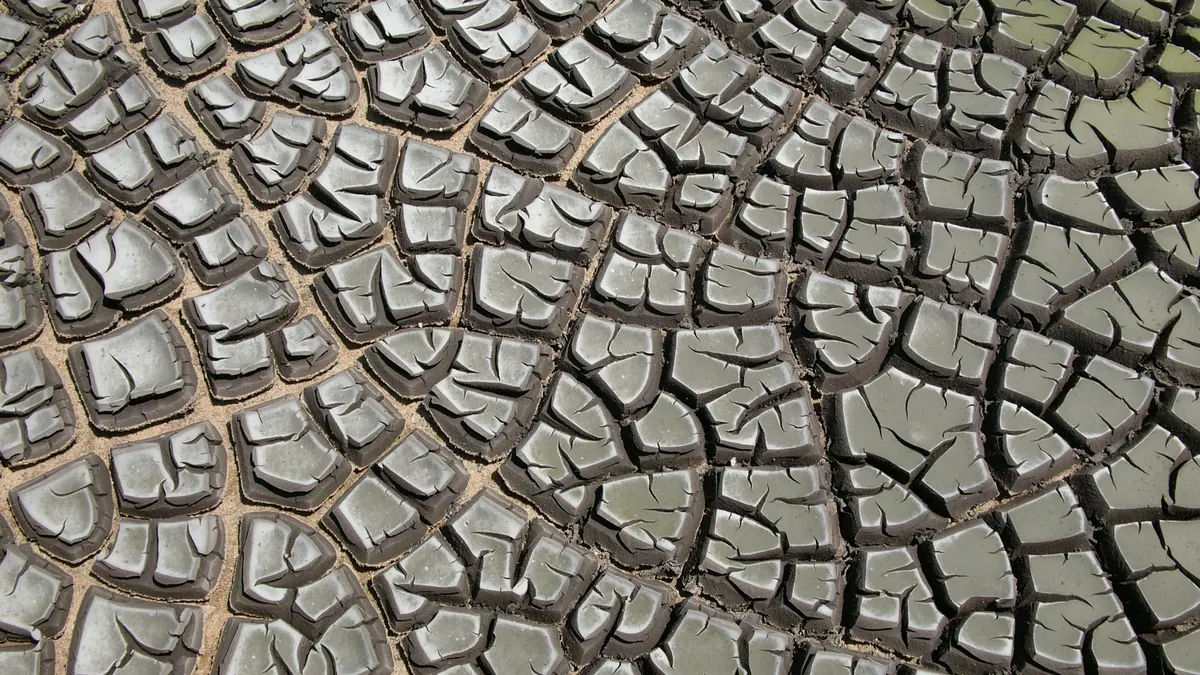
Municipal sewage sludge (mixed) — BMP: 15 studies, weighted mean 250 m³ CH₄/t VS
250 m³ CH₄/t VS weighted mean from 15 studies
neutral — editorial rating for biogas plants≈54 %
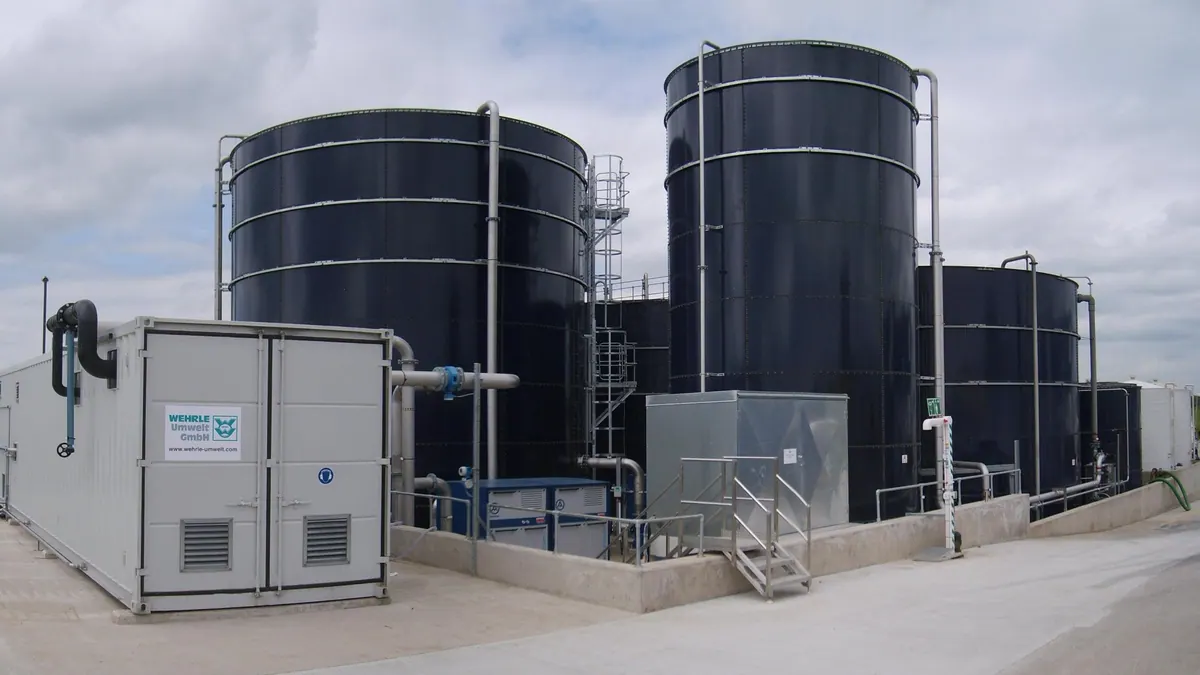
Dairy wastewater biological sludge — BMP: 2 studies, weighted mean 293 m³ CH₄/t VS
293 m³ CH₄/t VS weighted mean from 2 studies
negative — editorial rating for biogas plants≈66 %
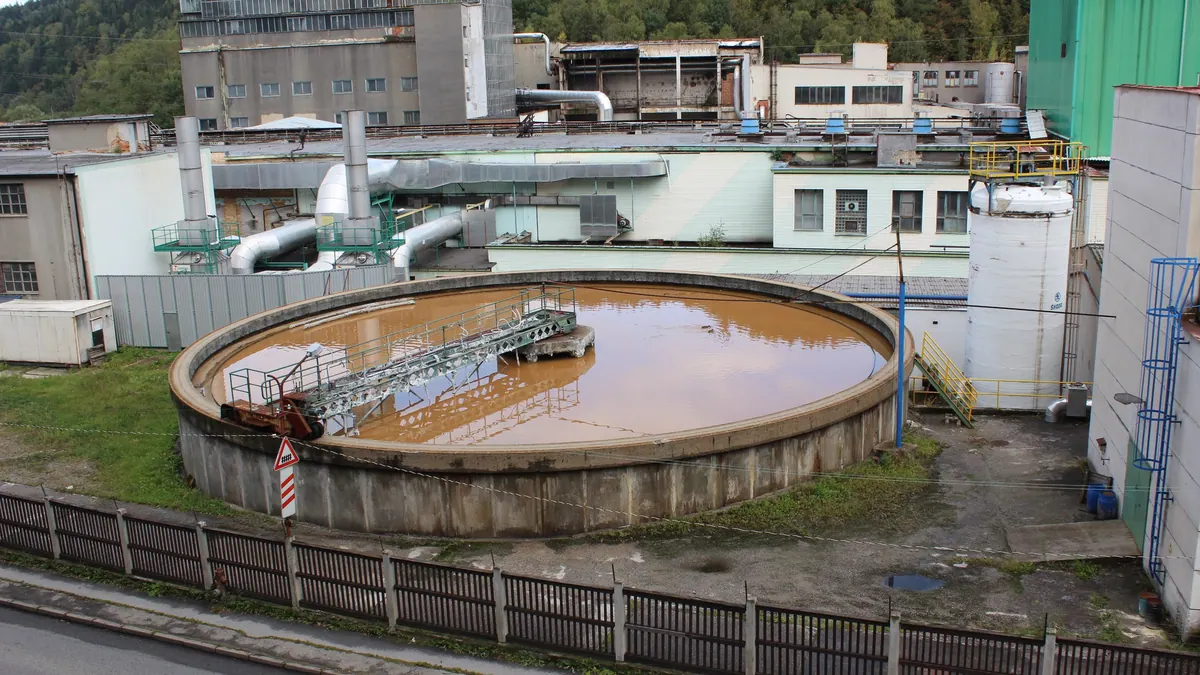
Pulp and paper mill biosludge — BMP: 25 studies, weighted mean 100 m³ CH₄/t VS
100 m³ CH₄/t VS weighted mean from 25 studies
negative — editorial rating for biogas plants≈52 %
Primary sludge — BMP: 13 studies, weighted mean 340 m³ CH₄/t VS
340 m³ CH₄/t VS weighted mean from 13 studies
≈63 %