

BMP testingMunicipal and green waste, paper and textiles
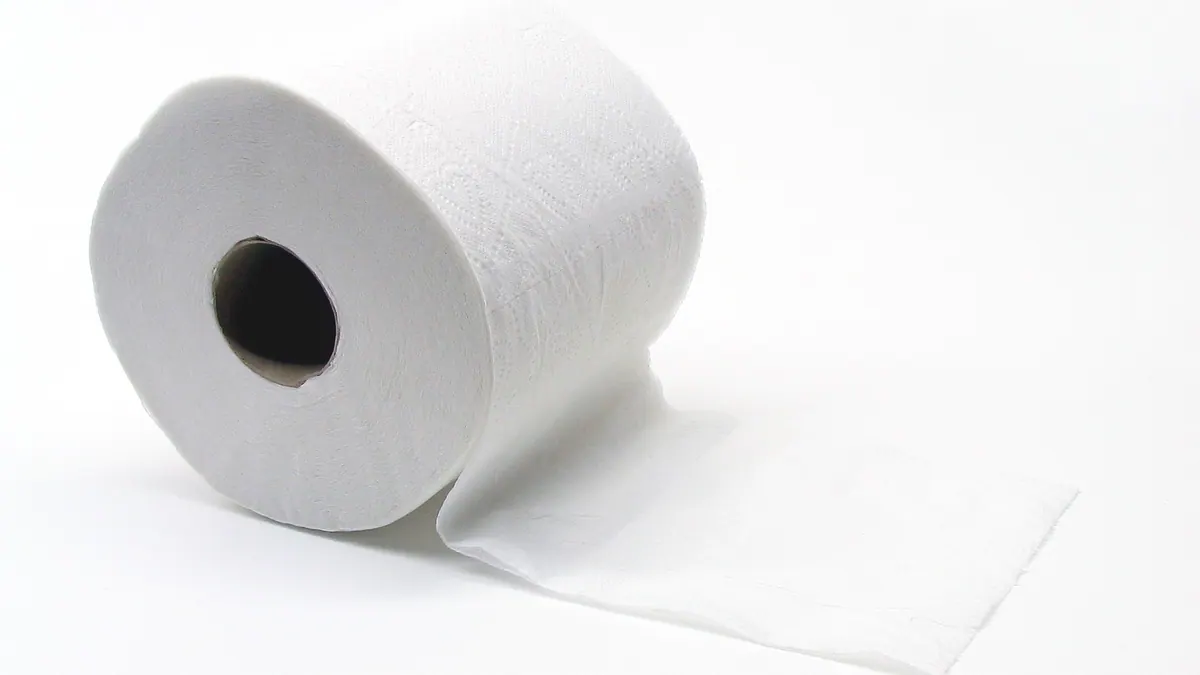
Tissue and toilet paper — BMP: 2 studies, weighted mean 372 m³ CH₄/t VS
Toilet paper and tissues are thin cellulose fibres with almost no lignin, which digest relatively well and quickly, although they are poor in nitrogen.
Photo Brandon Blinkenberg / Wikimedia Commons, licence CC BY 2.5, source file; changes: cropping

- Weighted mean
- 372m³ CH₄/t VS
- Range
- 359–386m³ CH₄/t VS
- Records
- 2studies
- Publications
- 2sources
- Temperatures
- 38 °Cof the test
Methane in biogas
Low methane content · ≈ 5.1 kWh/m³ of biogas
estimate from the substrate type The collected studies contain no measurement. The interval follows from the approximate composition (protein from total nitrogen (N 0.1 % DM × 6.25)) and the yields of compound groups according to FNR.
Rating for biogas plants
not rated — editorial rating for biogas plants
Not rated: no dry matter or volatile solids in the data. We calculate the rating when the dry matter and volatile solids of the material are known.
Add to the co-digestion calculator CSV data
BMP curves from 2 studies
Weighted mean Individual records
Dashed lines are a model curve (first-order kinetics, B(t) = B₀·(1 − e−kt)); the end point comes from the publication. All curves are model curves.
Cumulative methane production over the test [m³ CH₄/t VS]. The thick line is the weighted mean of all records (372); dots mark the end values given in the publications. Point at the chart to read values; click a legend item to hide or show a record.
Records and sources
Download CSV| Source | BMP m³ CH₄/t VS | Temperature | Sample | Curve |
|---|---|---|---|---|
| Li et al. (2020) DOI | 359 | — | Tissue paper () | end point (model curve) |
| Dubrovskis et al. (2019) DOI | 386 | 38 °C · mesophilic | Toilet paper | end point (model curve) |
| Weighted mean | 372 | arithmetic mean 372, SD 19 | ||
Typical composition
- Volatile solids (VS)
- 99.5 % DM (range 99.5–99.5)
- Nitrogen
- 0.1 % DM
- C/N ratio
- 429
Median and range of the determinations reported in the publications behind this substrate's BMP records (read from: BCBPD); dry matter: 0 determinations, volatile solids: 1 determination. C/N was calculated as the ratio of C and N content (% DM) from the same source. No DM in the sources – the calculator has to ask for a value.
Sources: Li et al. (2020).
The composition of the raw material varies between batches — for plant calculations use an analysis of your own sample. The calculator inserts typical values automatically.
Process properties
Low confidence: the description is based on general characteristics of the substrate group, not on studies of this material. Treat it as a hint to be verified.
Advantages
- Methane potential in the Substraty.pl BMP dataset: weighted mean 372.4 m³ CH₄/t VS (SD 19.2; 2 records, 2 sources).
- Toilet paper and tissues: a source of cellulose, no risk of ammonia or acidification (Hendriks and Zeeman 2009).
Drawbacks and risks
- Wet wipes may contain synthetic fibres.
Co-digestion — what to combine it with, what to watch out for
- combines well
substrates: high alkalinity (buffer) — e.g. Cattle manure, Pig slurry, Cattle slurry, Duck slurry, Rumen and digestive tract content
Dosing
No source threshold.
Introduce gradually, starting with a small dose and monitoring the process (e.g. FOS/TAC, pH, gas composition).
Practical requirements
- Shred: shredding increases the surface available for degradation and speeds it up, but does not necessarily raise the final gas yield (FNR 2010, Ch. 3 “Triturado”).
Sources of the process data
- Hagos et al. (2017). Anaerobic co-digestion process for biogas production: progress, challenges and perspectives. Renew. Sustain. Energy Rev.
- Weiland (2010). Biogas production: current state and perspectives. Appl. Microbiol. Biotechnol.
- Hendriks, Zeeman (2009). Pretreatments to enhance the digestibility of lignocellulosic biomass. Bioresour. Technol.
- FNR (2010). Guía sobre el Biogás – Desde la producción hasta el uso (hiszp. wydanie „Leitfaden Biogas”, GIZ 2013)
The co-digestion calculator will assess a specific mixture containing this substrate.
What it is and where it comes from
Hygiene paper (toilet paper, tissues, paper towels) consists of products made of soft, short cellulose fibres, often with an admixture of waste paper. After use it goes into the sewer, where it breaks down into fibres and becomes part of the suspended solids in the wastewater, or into municipal waste in the case of tissues and towels. At treatment plants part of the fibres is removed on screens and sieves and in the primary clarifier, so the paper is an important carbon component of primary sludge. The dataset contains several records: toilet paper and tissues or hygiene paper.
Properties relevant to digestion
Hygiene paper consists almost entirely of cellulose and hemicelluloses, and the lignin content is low because the pulp was bleached. The fibres are thin and loosely bound, so they hydrolyse faster than dense office paper or board. The material is poor in nitrogen and phosphorus, which in mono-digestion requires nutrient supplementation. The ash content is low, but some products contain wet-strength agents, fragrances or care additives, which degrade poorly in the digester. Wet wipes often contain synthetic fibres and do not degrade.
How to read the spread of results
The records are similar, but come from several different studies and describe non-identical materials. Differences may result from the type of paper (toilet, cosmetic, towels), the proportion of virgin and secondary fibres, additives and the degree of size reduction. In one record the temperature is not given. The inoculum, the substrate-to-inoculum ratio, nutrient additions and test length also have an effect. The small number of records does not define a typical range, and results for wet wipes with synthetic fibres would be different.
In biogas plant practice
Hygiene paper is not a deliberately dosed substrate, but a constant component of sewage sludges, in which it enriches the cellulose fraction of primary sludge. At biogas plants accepting hygiene waste, wipes with synthetic fibres must be separated out, because they clog pumps and agitators. Size reduction eases dosing. Paper from municipal waste is waste (group 20), and its acceptance requires a plant permit. Hygiene waste from medical facilities is subject to separate rules and should not be treated as ordinary paper.
Compared with other grades of paper, hygiene paper is the easiest to degrade, which illustrates well that fibre length, bleaching and the absence of lignin determine this, not the name of the material. Because of the small number of records, a BMP test of your own remains the best source of information on a specific batch.
Methodology in brief
BMP is the amount of methane obtained from volatile solids (VS) in a batch test, given in m³ CH₄ per tonne of VS (numerically the same as NmL CH₄/g VS in the publications) and converted to normal conditions (0 °C, 101.325 kPa). The weighted mean gives each publication a total weight of 1, split equally between its results for the substrate — a paper testing twenty varieties does not outweigh a paper with a single sample. In inter-laboratory programmes the unit is the laboratory (total weight 1), and within it the weight of a test grows with the number of bottles (replicates). Results after pretreatment (e.g. thermal, chemical, enzymatic) are shown separately and are not included in the mean.
Solid lines are curves measured in the tests. Where a publication gives only the final result, we draw a first-order kinetic model, B(t) = B₀·(1 − e−kt): only the end point comes from the publication, and the shape of the curve serves purely as visualisation — do not read the production on a particular day from it. For this substrate k = 0.110 d−1 was assumed (median of rate constants k reported in the sources and/or fitted to the mean measured curves).
The statistics describe the spread of published results — a descriptive compilation, not a meta-analysis or a guarantee of plant yield.
Bibliography
- Li, W.; Khalid, H.; Amin, F.R.; Zhang, H.; Dai, Z.; Chen, C.; Liu, G. (2020). Biomethane production characteristics, kinetic analysis, and energy potential of different paper wastes in anaerobic digestion. Renewable Energy 157, 1081–1088. DOI: 10.1016/j.renene.2020.04.035 DOI
- Dubrovskis, V.; Plume, I.; Straume, I. (2019). Methane production potential from variety of unprinted papers. Engineering for Rural Development. DOI: 10.22616/erdev2019.18.n112 DOI
All sources of the site: bibliography.
Other substrates in the group “Municipal and green waste, paper and textiles”
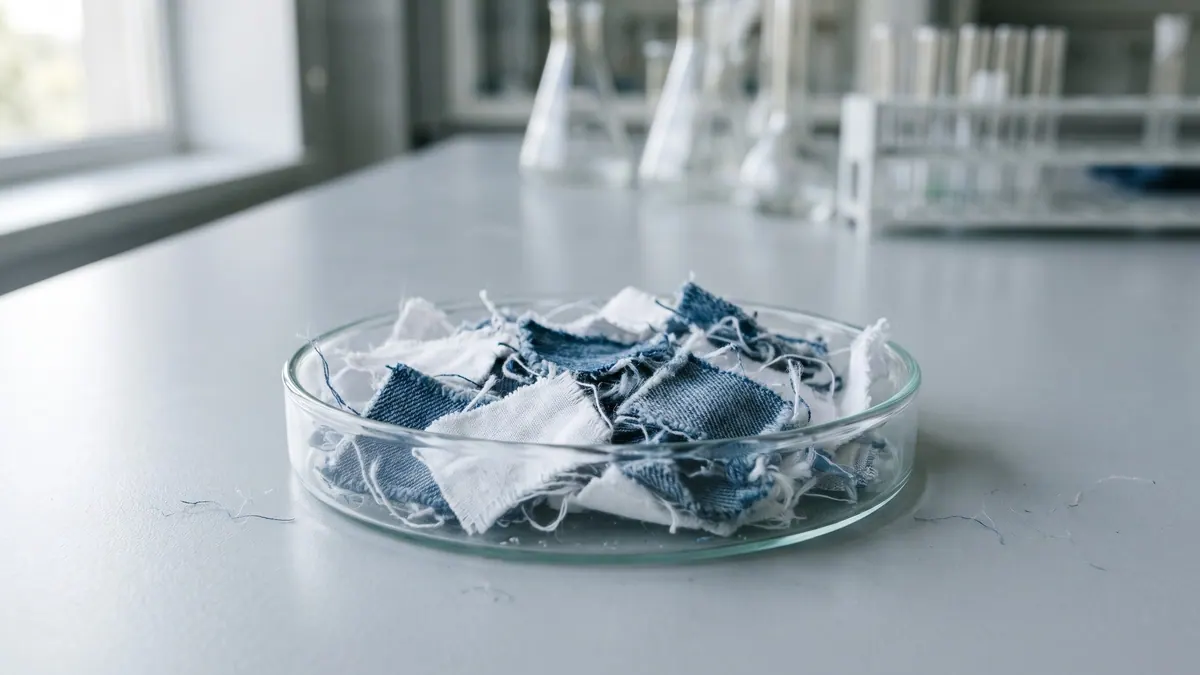
Cotton textiles (incl. denim) — BMP: 7 studies, weighted mean 239 m³ CH₄/t VS
239 m³ CH₄/t VS weighted mean from 7 studies
neutral — editorial rating for biogas plants≈51 %
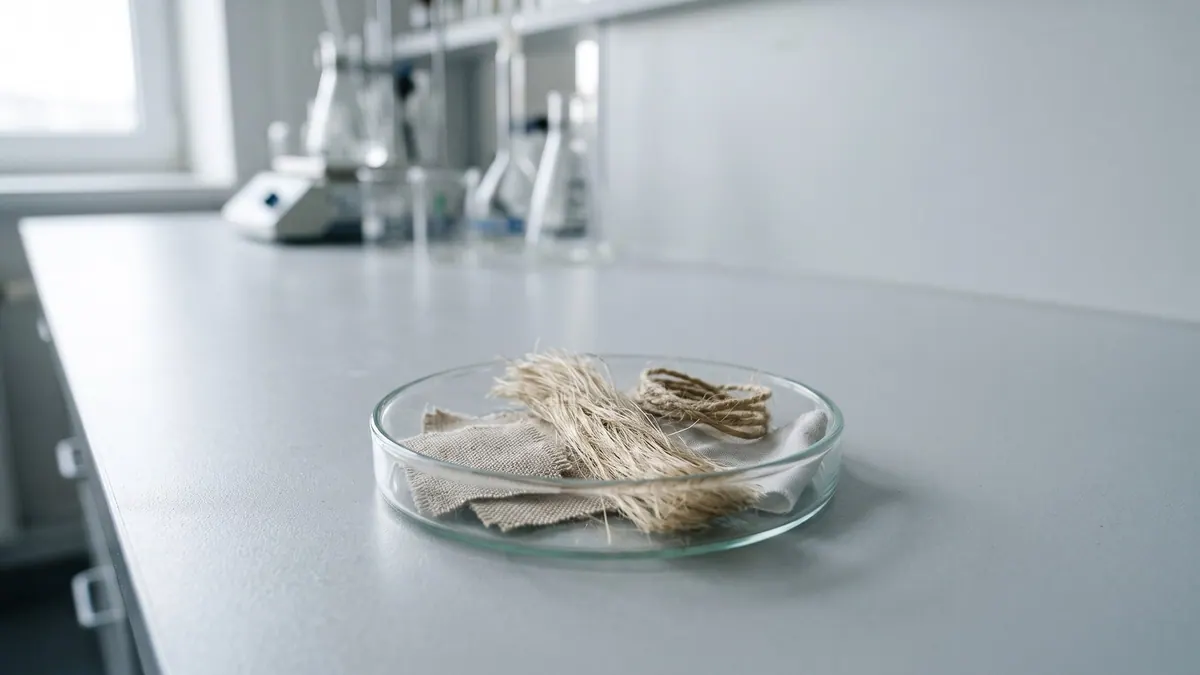
Plant-fibre and viscose textile wastes (flax, hemp, ramie, sisal, abaca, kapok, rayon) — BMP: 7 studies, mean 303 m³ CH₄/t VS
303 m³ CH₄/t VS weighted mean from 7 studies
≈51 %
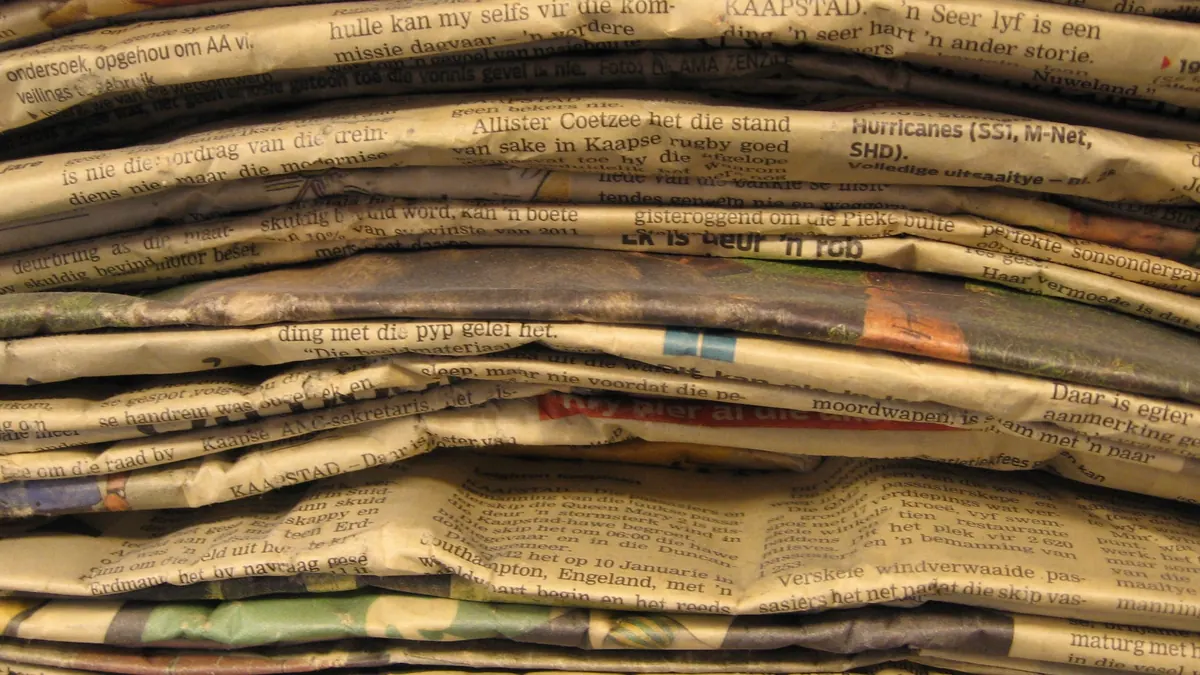
Newspaper — BMP: 7 studies, weighted mean 81 m³ CH₄/t VS
81 m³ CH₄/t VS weighted mean from 7 studies
neutral — editorial rating for biogas plants≈52 %
Organic fraction of municipal solid waste — BMP: 13 studies, weighted mean 187 m³ CH₄/t VS
187 m³ CH₄/t VS weighted mean from 13 studies
neutral — editorial rating for biogas plants≈58 %