

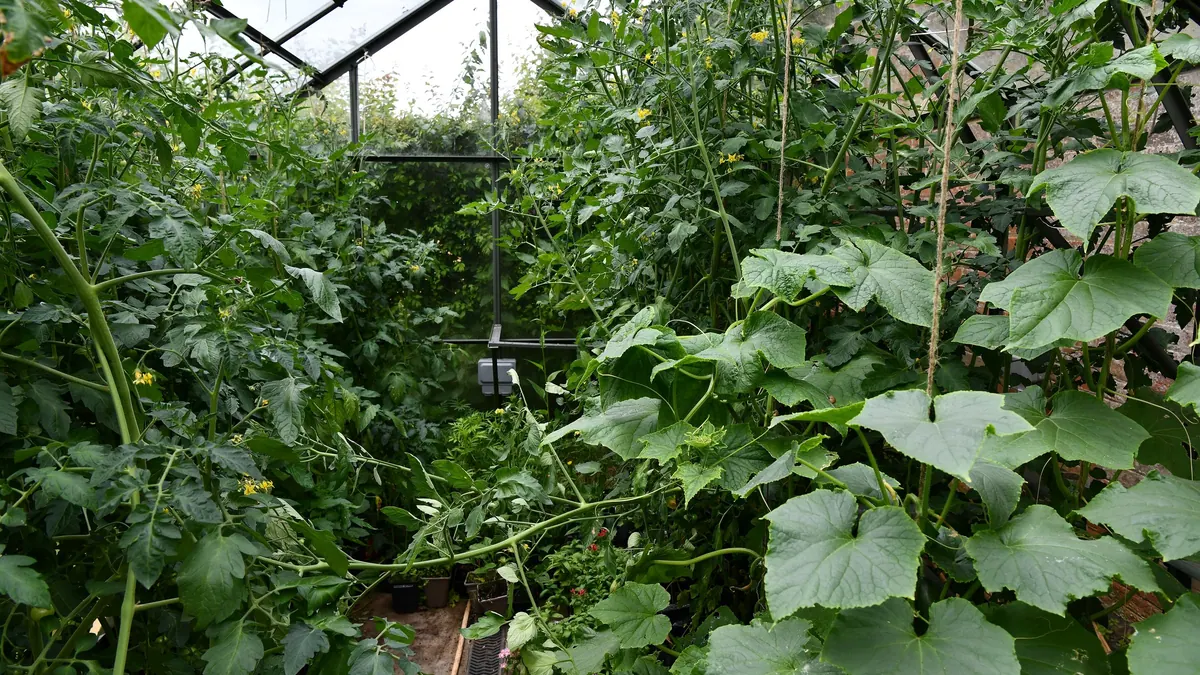
BMP testingStraws and crop residues
Tomato leaves and stems — BMP: 6 studies, weighted mean 200 m³ CH₄/t VS
Tomato leaves, stems and side shoots are a large stream of residues from greenhouse cultivation. Moist and variable in composition, they require clearing of strings and clips.
Photo Michael Garlick / Wikimedia Commons, licence CC BY-SA 2.0, source file; changes: cropping

- Weighted mean
- 200m³ CH₄/t VS
- Range
- 124–298m³ CH₄/t VS
- Records
- 6studies
- Publications
- 3sources
- Temperatures
- 36 °C, 38 °Cof the test
Methane in biogas
Medium methane content · ≈ 5.8 kWh/m³ of biogas
measured mean of 1 study BMP; in a batch test the CH₄ share tends to be higher than in a plant.
Rating for biogas plants
not rated — editorial rating for biogas plants
Not rated: no dry matter or volatile solids in the data. We calculate the rating when the dry matter and volatile solids of the material are known.
Add to the co-digestion calculator CSV data
BMP curves from 6 studies
Weighted mean Individual records
Dashed lines are a model curve (first-order kinetics, B(t) = B₀·(1 − e−kt)); the end point comes from the publication. All curves are model curves.
Cumulative methane production over the test [m³ CH₄/t VS]. The thick line is the weighted mean of all records (200); dots mark the end values given in the publications. Point at the chart to read values; click a legend item to hide or show a record.
Records and sources
Download CSV| Source | BMP m³ CH₄/t VS | CH₄ in biogas % vol., measured | Temperature | Sample | Curve |
|---|---|---|---|---|---|
| Shin et al. (2011) · 1 DOI | 170 | — | 38 °C · mesophilic | Tomato stem | end point (model curve) |
| Shin et al. (2011) · 2 DOI | 268 | — | 38 °C · mesophilic | Tomato leaf | end point (model curve) |
| Gioulounta et al. (2023) · 1 DOI | 233 | — | — | Tomato stalks (season average) | end point (model curve) |
| Gioulounta et al. (2023) · 2 DOI | 242 | — | — | Tomato leaves (season average) | end point (model curve) |
| Gioulounta et al. (2023) · 3 DOI | 298 | — | — | Tomato suckers (season average) | end point (model curve) |
| Li et al. (2018) DOI | 124 | 57.9 % | 36 °C · mesophilic | Tomato crop residues (TOR) | end point (model curve) |
| Weighted mean | 200 | 57.9 % | arithmetic mean 223, SD 64 | ||
Process properties
Advantages
- Methane potential in the database: weighted mean 200 m³ CH₄/t VS (median 238; range 124–298; 6 records from 3 sources).
Drawbacks and risks
- Tomato leaves and suckers had a lower methane production rate than stems, which the authors attribute to possible inhibitors or slowly degradable compounds (Gioulounta 2023).
Co-digestion — what to combine it with, what to watch out for
- combines well
group: Animal excreta (slurry, manure, poultry litter)
Manure/slurry supplies N and buffer.[1]
Dosing
No source-based dose limits; initially a small share with VFA monitoring.
Introduce gradually, starting with a small dose and monitoring the process (e.g. FOS/TAC, pH, gas composition).
Practical requirements
- Shred: shredding increases the surface available for degradation and speeds it up, but does not necessarily raise the final gas yield (FNR 2010, Ch. 3 “Triturado”).
- Remove foreign contaminants before dosing: material from biowaste may contain interfering substances, and the co-substrate should be free of them (FNR 2010, Ch. 3).
Sources of the process data
- Weiland, P. (2010) Biogas production: current state and perspectives. Applied Microbiology and Biotechnology
- Chen, Y.; Cheng, J.J.; Creamer, K.S. (2008) Inhibition of anaerobic digestion process: A review. Bioresource Technology
- Shin, K.S.; Kim, C.H.; Lee, S.E.; Yoon, Y.M. (2011) Biochemical Methane Potential of Agricultural Byproduct in Greenhouse Vegetable Crops. Korean Journal of Soil Science and Fertilizer 44(6), 1252–1257
- Hendriks, A.T.W.M.; Zeeman, G. (2009) Pretreatments to enhance the digestibility of lignocellulosic biomass. Bioresource Technology
- Gioulounta, K.; Matska, M.; Piskilopoulos, A.; Stamatelatou, K. (2023) Greenhouse Residues’ Potential for Biogas Production. Applied Sciences 13(9), 5445
- Li, P.; Li, W.; Sun, M.; Xu, X.; Zhang, B.; Sun, Y. (2018) Evaluation of Biochemical Methane Potential and Kinetics on the Anaerobic Digestion of Vegetable Crop Residues. Energies 12(1), 26
- FNR (2010). Guía sobre el Biogás – Desde la producción hasta el uso (hiszp. wydanie „Leitfaden Biogas”, GIZ 2013)
The co-digestion calculator will assess a specific mixture containing this substrate.
What it is and where it comes from
Tomato grown under cover is trained on long shoots, and during the season side shoots and lower leaves are removed. At the end of cultivation whole plants remain, which must be taken down from the structure. It is one of the larger streams of horticultural residues in countries with developed greenhouse production. The studies included in the compilation concern stems, leaves and side shoots (including seasonal averages from one of the studies), as well as whole crop residues.
Properties relevant to digestion
Tomato residues have a high moisture content. Leaves and side shoots are more digestible than woody stems, so with longer cultivation the share of poorly degradable fractions rises. In practice foreign elements are troublesome: ropes, clips and wires, which must be removed before size reduction. In addition the waste may contain residues of plant protection products and plant pathogens, and the material spoils quickly unless it is ensiled or fed to the digester soon after harvest. The C/N ratio is usually higher than in kitchen waste, but lower than in straws.
How to read the spread of results
The studies cover stems, leaves, side shoots and a mixture of residues, so the records do not describe an identical material. In one study seasonal averages from different dates were given, in others single samples. The growing season, variety, fertilisation and age of the plants affect the proportion of fibre to readily available compounds. Sample preparation (drying, milling) and the test conditions (inoculum, S/I ratio) add variability; the temperature is not given everywhere.
In biogas plant practice
Tomato residues are one of the more realistic horticultural substrates: a high concentration of greenhouses in one region makes it possible to organise regular deliveries. The material should be size-reduced and cleaned, and with longer storage ensiled or fed quickly after harvest. It is dosed as a supplement to the mix, and the process is monitored for an excessive share of fibre and contaminants. Before signing an agreement with a horticultural farm it is worth running a BMP test of a representative batch and checking the compliance of the waste with the permits held. For the greenhouse producer, handing residues to a biogas plant is sometimes cheaper than disposing of them, which can ease negotiations, but the quality of the delivery must be watched: with artificial contaminants pumps and separators wear out quickly, and downtime costs more than the saving on the material.
Methodology in brief
BMP is the amount of methane obtained from volatile solids (VS) in a batch test, given in m³ CH₄ per tonne of VS (numerically the same as NmL CH₄/g VS in the publications) and converted to normal conditions (0 °C, 101.325 kPa). The weighted mean gives each publication a total weight of 1, split equally between its results for the substrate — a paper testing twenty varieties does not outweigh a paper with a single sample. In inter-laboratory programmes the unit is the laboratory (total weight 1), and within it the weight of a test grows with the number of bottles (replicates). Results after pretreatment (e.g. thermal, chemical, enzymatic) are shown separately and are not included in the mean.
Solid lines are curves measured in the tests. Where a publication gives only the final result, we draw a first-order kinetic model, B(t) = B₀·(1 − e−kt): only the end point comes from the publication, and the shape of the curve serves purely as visualisation — do not read the production on a particular day from it. For this substrate k = 0.136 d−1 was assumed (median of rate constants k reported in the sources and/or fitted to the mean measured curves).
The statistics describe the spread of published results — a descriptive compilation, not a meta-analysis or a guarantee of plant yield.
Bibliography
- Shin, K.S.; Kim, C.H.; Lee, S.E.; Yoon, Y.M. (2011). Biochemical Methane Potential of Agricultural Byproduct in Greenhouse Vegetable Crops. Korean Journal of Soil Science and Fertilizer 44(6), 1252–1257. DOI: 10.7745/kjssf.2011.44.6.1252 DOI
- Gioulounta, K.; Matska, M.; Piskilopoulos, A.; Stamatelatou, K. (2023). Greenhouse Residues’ Potential for Biogas Production. Applied Sciences 13(9), 5445. DOI: 10.3390/app13095445 DOI
- Li, P.; Li, W.; Sun, M.; Xu, X.; Zhang, B.; Sun, Y. (2018). Evaluation of Biochemical Methane Potential and Kinetics on the Anaerobic Digestion of Vegetable Crop Residues. Energies 12(1), 26. DOI: 10.3390/en12010026 DOI
All sources of the site: bibliography.
Other substrates in the group “Straws and crop residues”
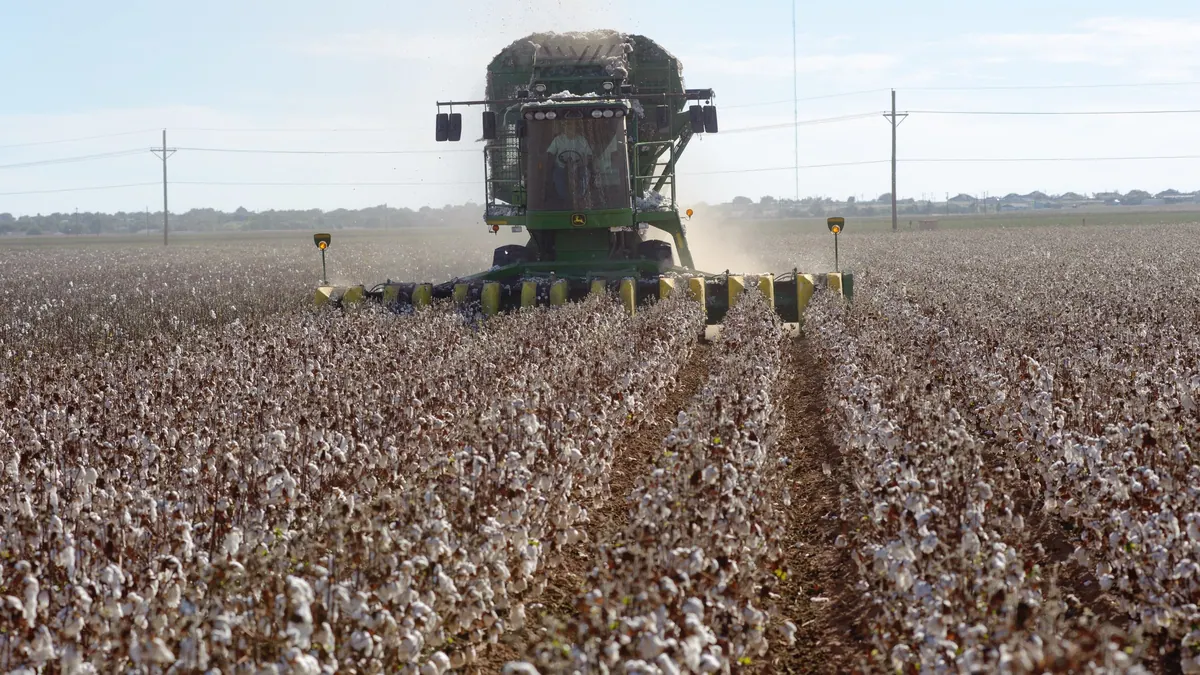
Cotton stalks — BMP: 2 studies, weighted mean 82 m³ CH₄/t VS
82 m³ CH₄/t VS weighted mean from 2 studies
≈51 %
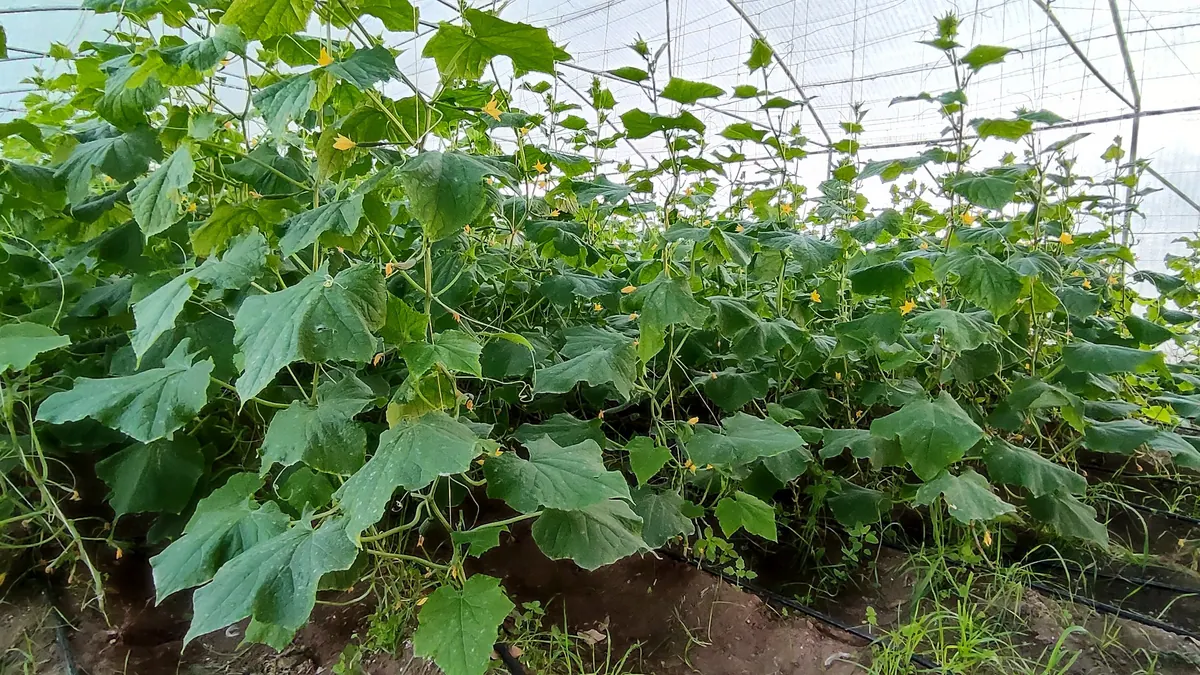
Cucumber leaves and stems — BMP: 6 studies, weighted mean 237 m³ CH₄/t VS
237 m³ CH₄/t VS weighted mean from 6 studies
60 %
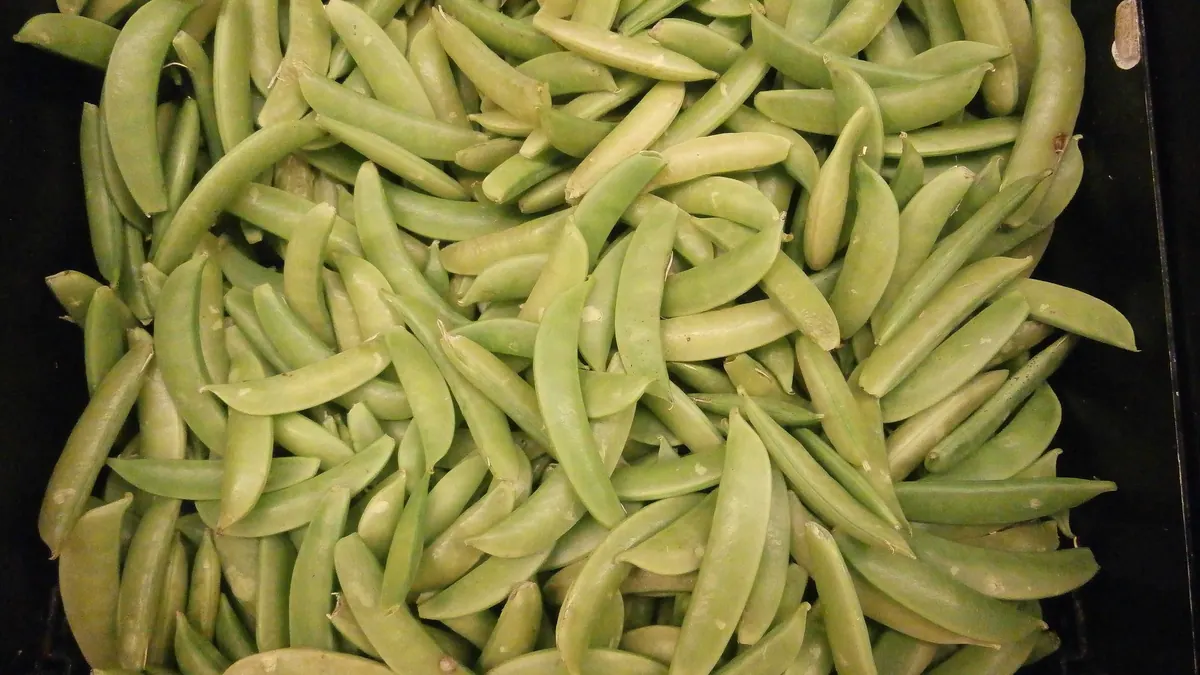
Legume crop and processing residues (pea pods, bean haulm and husks, pea leaves) — BMP: 5 studies, mean 264 m³ CH₄/t VS
264 m³ CH₄/t VS weighted mean from 5 studies
58 %
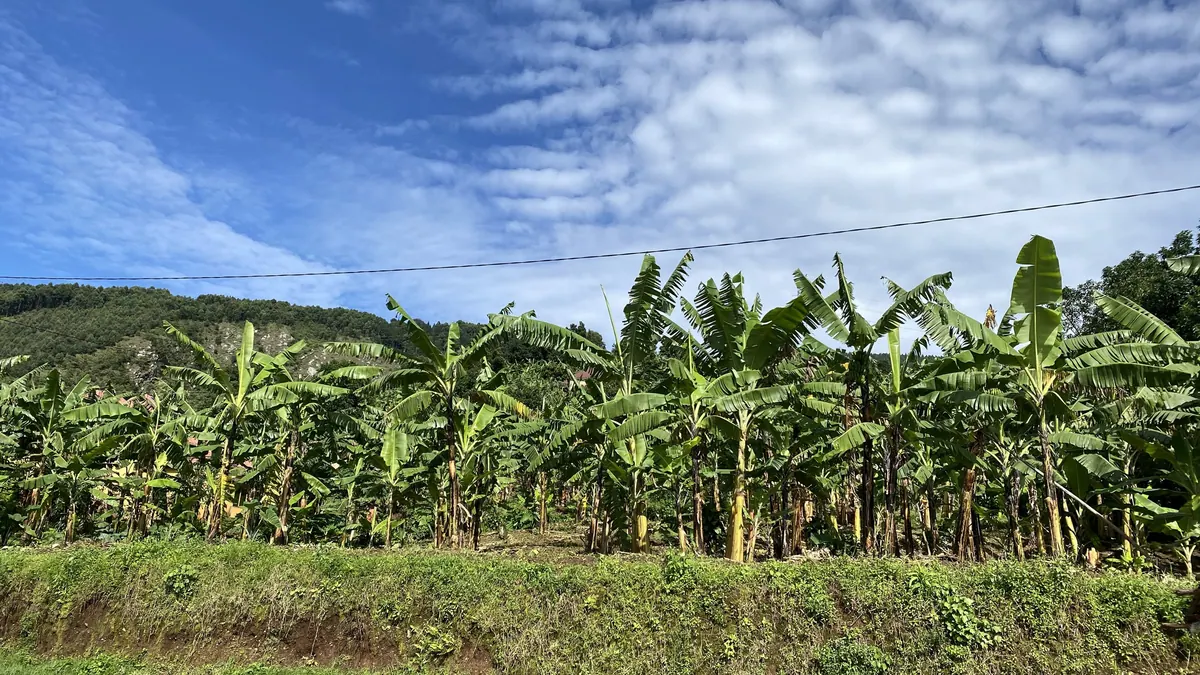
Banana stalks and leaves — BMP: 2 studies, weighted mean 262 m³ CH₄/t VS
262 m³ CH₄/t VS weighted mean from 2 studies
≈52 %