

BMP testingStraws and crop residues
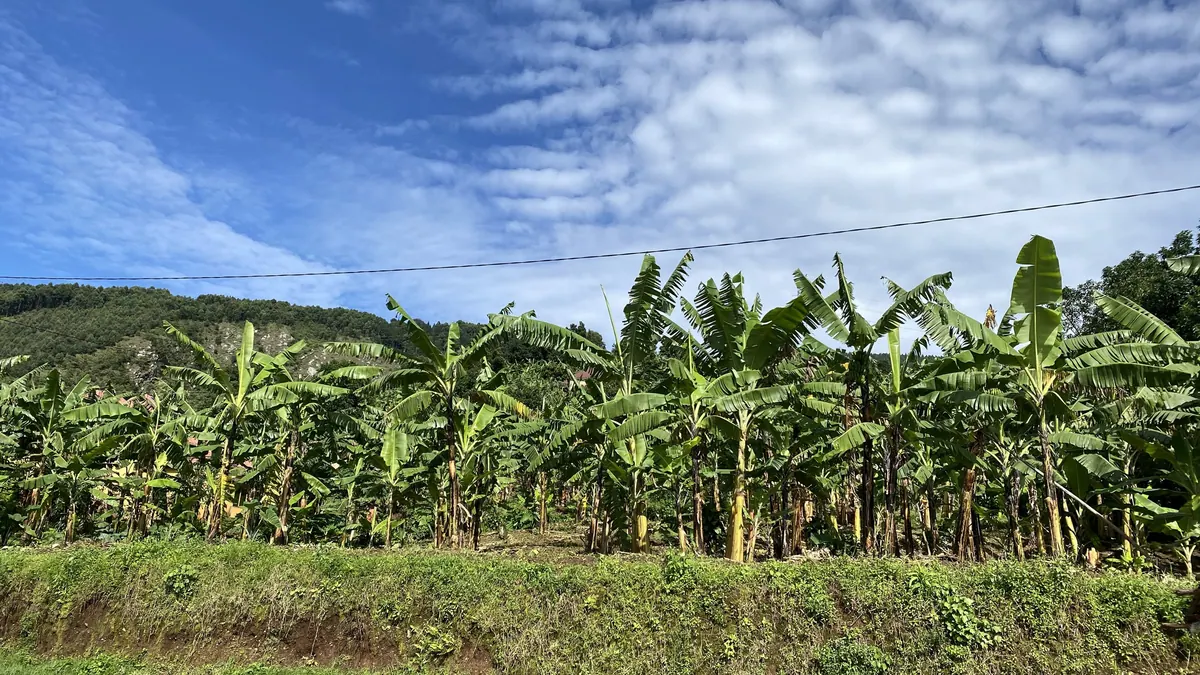
Banana stalks and leaves — BMP: 2 studies, weighted mean 262 m³ CH₄/t VS
Banana plants – pseudostems and leaves are the largest waste of banana plantations; records from different studies concern pseudostems and leaves from Cuba.
Photo BalukuBrian / Wikimedia Commons, licence CC BY-SA 4.0, source file; changes: cropping

- Weighted mean
- 262m³ CH₄/t VS
- Range
- 256–269m³ CH₄/t VS
- Records
- 2studies
- Publications
- 2sources
- Temperatures
- 37 °Cof the test
Methane in biogas
Medium methane content · ≈ 5.2 kWh/m³ of biogas
estimate from the substrate type The collected studies contain no measurement. The interval follows from the approximate composition (carbohydrate-dominated (no protein or fat characteristics)) and the yields of compound groups according to FNR.
Rating for biogas plants
not rated — editorial rating for biogas plants
Not rated: no dry matter or volatile solids in the data. We calculate the rating when the dry matter and volatile solids of the material are known.
Add to the co-digestion calculator CSV data
BMP curves from 2 studies
Weighted mean Individual records
Dashed lines are a model curve (first-order kinetics, B(t) = B₀·(1 − e−kt)); the end point comes from the publication. All curves are model curves.
Cumulative methane production over the test [m³ CH₄/t VS]. The thick line is the weighted mean of all records (262); dots mark the end values given in the publications. Point at the chart to read values; click a legend item to hide or show a record.
Records and sources
Download CSV| Source | BMP m³ CH₄/t VS | Temperature | Sample | Curve |
|---|---|---|---|---|
| Khan M.T. (2016) | 256 | 37 °C · mesophilic | Banana stalk | end point (model curve) |
| López-Dávila et al. (2022) DOI | 269 | — | Banana straw (leaves) | end point (model curve) |
| Weighted mean | 262 | arithmetic mean 262, SD 9 | ||
Process properties
Low confidence: the description is based on general characteristics of the substrate group, not on studies of this material. Treat it as a hint to be verified.
Advantages
- Methane potential in the database: weighted mean 262 m³ CH₄/t VS (median 262; range 256-269; 2 records from 2 sources).
Drawbacks and risks
- Spread of results in the database: standard deviation 9 at a mean of 262 m³ CH₄/t VS (2 records from 2 sources).
Co-digestion — what to combine it with, what to watch out for
- combines well
substrates: high dry matter — e.g. Wheat straw, Horse manure, Cattle manure, Cereal straw (unspecified), Meadow hay
Wet banana plant biomass balances dry, fibrous substrates (straw) in mixtures.[1][2]
Dosing
No source dose limits; the entry is mainly comparative.
Practical requirements
- Shred: shredding increases the surface available for degradation and speeds it up, but does not necessarily raise the final gas yield (FNR 2010, Ch. 3 “Triturado”).
Sources of the process data
- Khan M.T., Brule M., Maurer C., Argyropoulos D., Muller J., Oechsner H. (2016) Batch anaerobic digestion of banana waste - energy potential and modelling of methane production kinetics. AgricEngInt: CIGR Journal 18(1)
- Weiland, P. (2010) Biogas production: current state and perspectives. Applied Microbiology and Biotechnology
- Hendriks, A.T.W.M.; Zeeman, G. (2009) Pretreatments to enhance the digestibility of lignocellulosic biomass. Bioresource Technology
- López-Dávila, E.; Jiménez Hernández, J.; López González, L.M.; Barrera Cardoso, E.L.; Bravo Amarante, E.; Contreras Velázquez, L.M.; Romero-Romero, O. (2022) Biochemical methane potential of agro-wastes as a renewable source alternative for electrical energy production in Cuba. Ciencia & Tecnología Agropecuaria 23(1)
- FNR (2010). Guía sobre el Biogás – Desde la producción hasta el uso (hiszp. wydanie „Leitfaden Biogas”, GIZ 2013)
The co-digestion calculator will assess a specific mixture containing this substrate.
What it is and where it comes from
The banana is a herbaceous plant with an apparent trunk (the pseudostem) formed of overlapping leaf sheaths. After the fruit bunch is cut, the pseudostem is usually removed so that the plant can renew itself from suckers, and leaves are cut off during plantation maintenance. As a result, a great deal of residual biomass arises on plantations. The dataset contains several records from several studies: pseudostems and banana plant leaves from Cuba.
Properties relevant to digestion
The pseudostem consists mostly of water and cellulose fibres, with a small share of lignin; it also contains a lot of potassium. Leaves are more fibrous and contain more lignin and surface waxes. Both materials have a low protein concentration, so the high C/N ratio favours co-digestion with slurry or animal waste. Banana fibres can be long, which creates a risk of wrapping around agitators and pumps if the material is not chopped.
How to read the spread of results
The records describe different parts of the plant and come from separate studies, so they are not replicates. In one case the temperature is mesophilic, in the other it is not stated in the compilation. The variety, the age of the plant, the share of outer and inner sheaths (which differ in composition), moisture content, degree of size reduction and the inoculum all have an effect. For these reasons, figures from the literature indicate an order of magnitude and do not replace a BMP test on local material.
In biogas plant practice
In banana-producing countries, plantation residues are considered as a substrate for agricultural biogas plants, provided that the logistics of harvesting and transport (large mass and moisture content) are cost-effective. Typical solutions include size reduction on site, dewatering and co-digestion with animal excreta. In Poland the material does not occur, and the entry serves as a reference point for other plant wastes with high moisture content and a fibrous structure.
Methodology in brief
BMP is the amount of methane obtained from volatile solids (VS) in a batch test, given in m³ CH₄ per tonne of VS (numerically the same as NmL CH₄/g VS in the publications) and converted to normal conditions (0 °C, 101.325 kPa). The weighted mean gives each publication a total weight of 1, split equally between its results for the substrate — a paper testing twenty varieties does not outweigh a paper with a single sample. In inter-laboratory programmes the unit is the laboratory (total weight 1), and within it the weight of a test grows with the number of bottles (replicates). Results after pretreatment (e.g. thermal, chemical, enzymatic) are shown separately and are not included in the mean.
Solid lines are curves measured in the tests. Where a publication gives only the final result, we draw a first-order kinetic model, B(t) = B₀·(1 − e−kt): only the end point comes from the publication, and the shape of the curve serves purely as visualisation — do not read the production on a particular day from it. For this substrate k = 0.136 d−1 was assumed (median of rate constants k reported in the sources and/or fitted to the mean measured curves).
The statistics describe the spread of published results — a descriptive compilation, not a meta-analysis or a guarantee of plant yield.
Bibliography
- Khan M.T., Brule M., Maurer C., Argyropoulos D., Muller J., Oechsner H. (2016). Batch anaerobic digestion of banana waste - energy potential and modelling of methane production kinetics. AgricEngInt: CIGR Journal 18(1). https://cigrjournal.org/index.php/Ejounral/article/download/3244/2288 source
- López-Dávila, E.; Jiménez Hernández, J.; López González, L.M.; Barrera Cardoso, E.L.; Bravo Amarante, E.; Contreras Velázquez, L.M.; Romero-Romero, O. (2022). Biochemical methane potential of agro-wastes as a renewable source alternative for electrical energy production in Cuba. Ciencia & Tecnología Agropecuaria 23(1). DOI: 10.21930/rcta.vol23_num1_art:1890 DOI
All sources of the site: bibliography.
Other substrates in the group “Straws and crop residues”
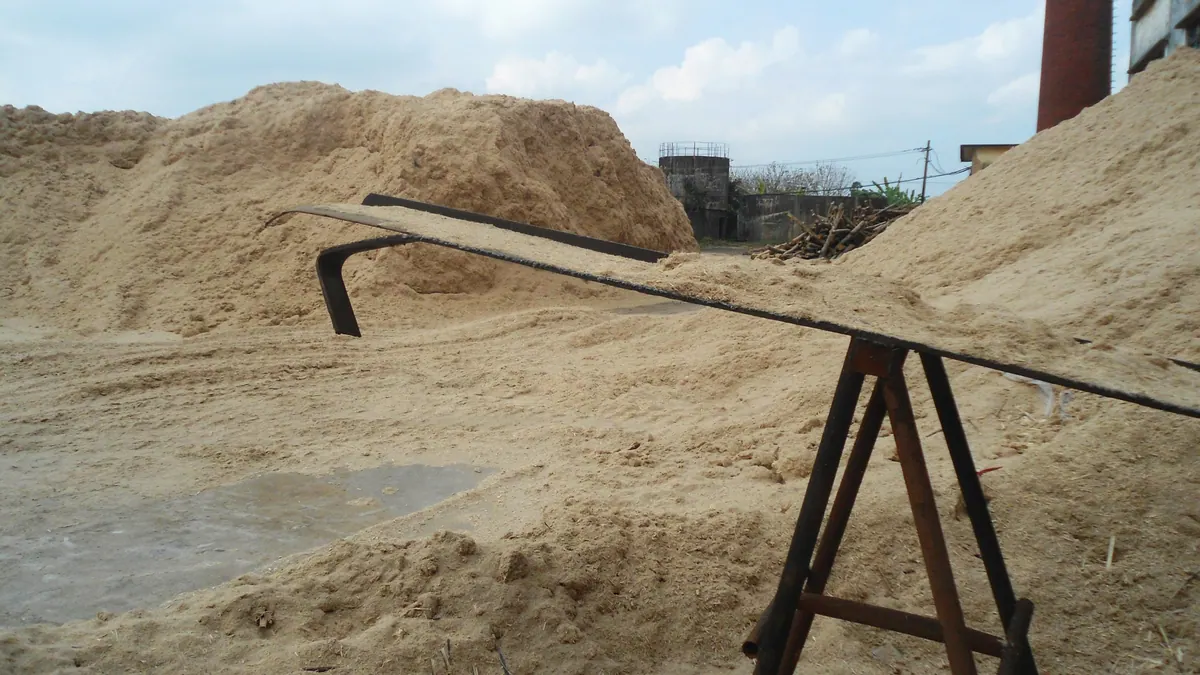
Sugarcane bagasse — BMP: 10 studies, weighted mean 205 m³ CH₄/t VS
205 m³ CH₄/t VS weighted mean from 10 studies
good — editorial rating for biogas plants≈51 %
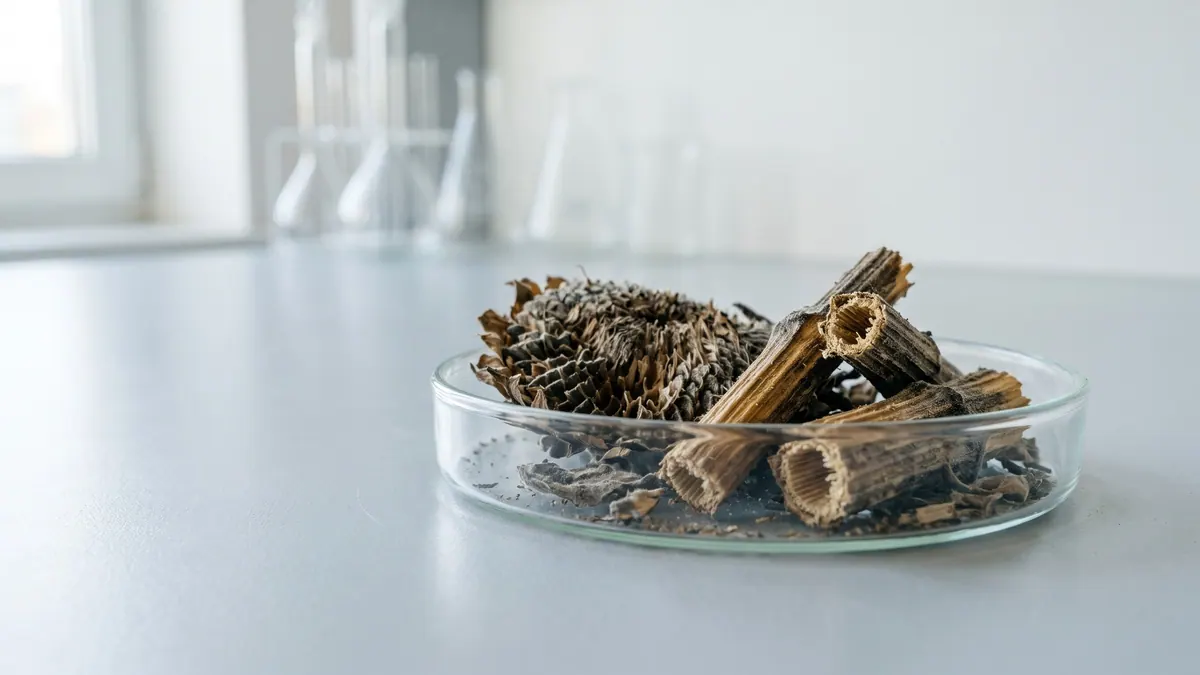
Sunflower residues (heads, stalks) — BMP: 2 studies, weighted mean 169 m³ CH₄/t VS
169 m³ CH₄/t VS weighted mean from 2 studies
≈52 %
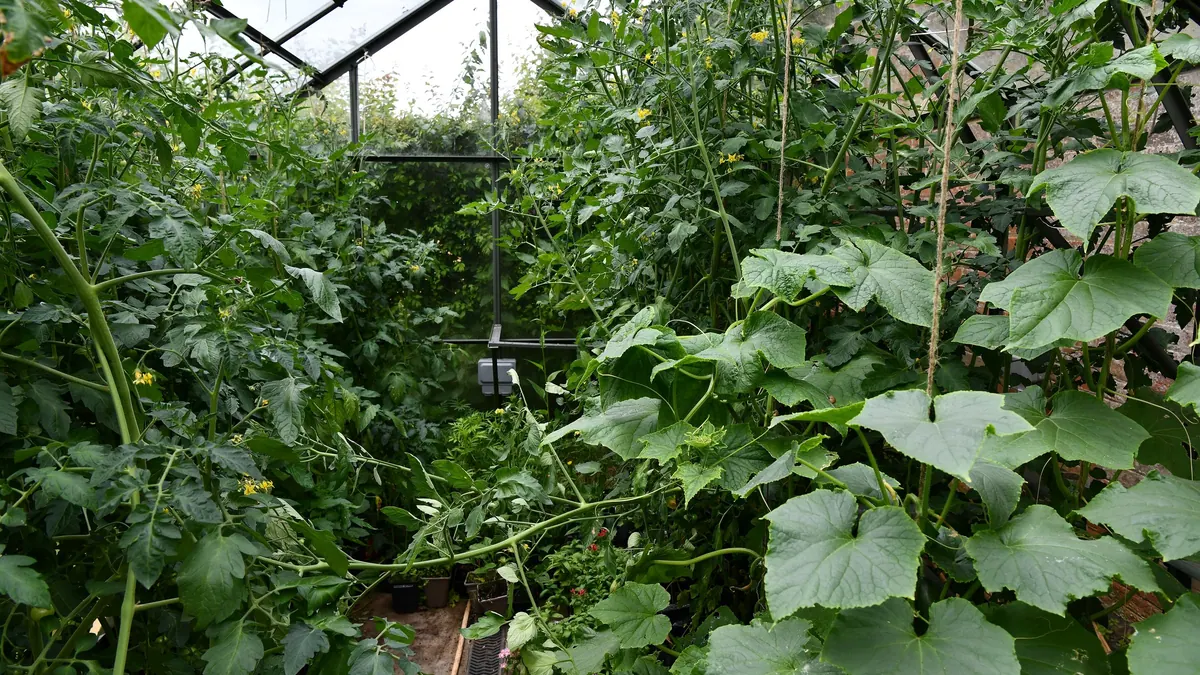
Tomato leaves and stems — BMP: 6 studies, weighted mean 200 m³ CH₄/t VS
200 m³ CH₄/t VS weighted mean from 6 studies
58 %
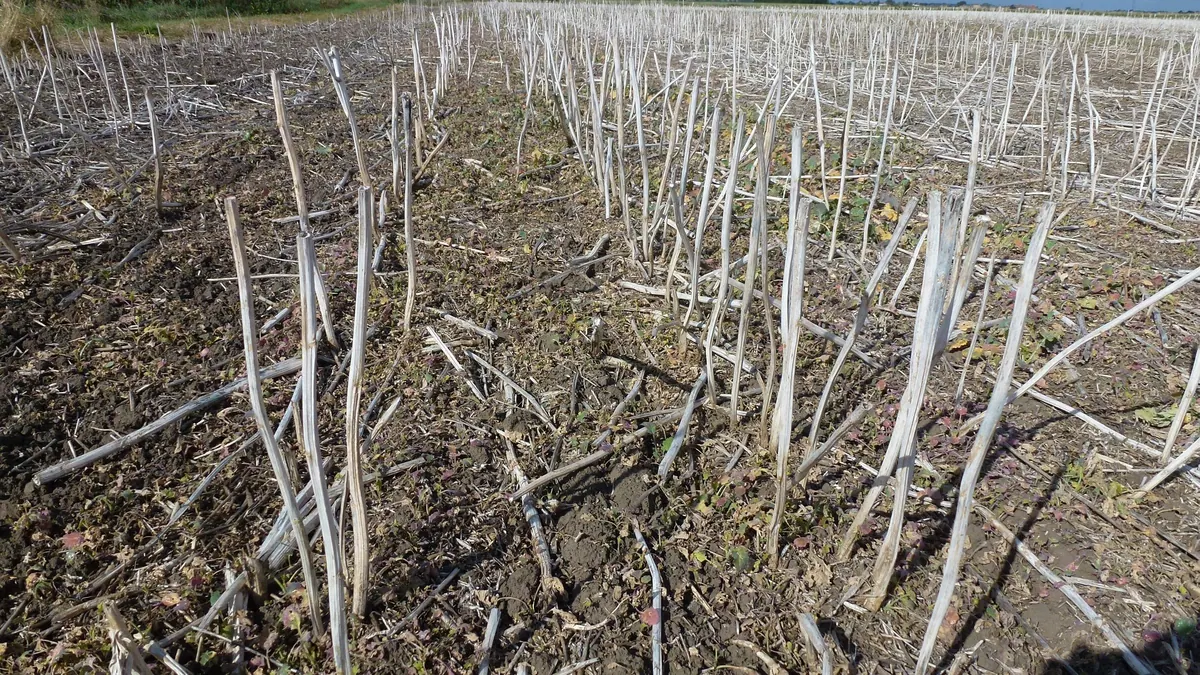
Rapeseed straw — BMP: 2 studies, weighted mean 241 m³ CH₄/t VS
241 m³ CH₄/t VS weighted mean from 2 studies
good — editorial rating for biogas plants≈53 %