How to choose the optimal substrate for a biogas plant? Parameters, mistakes and cost calculation
BMP, TS, VS, C:N and pH are the basic parameters of a substrate. We show how to assess sample quality, compare the cost of methane and avoid typical mistakes, using an example with explicit assumptions.
Other language versions: polski.
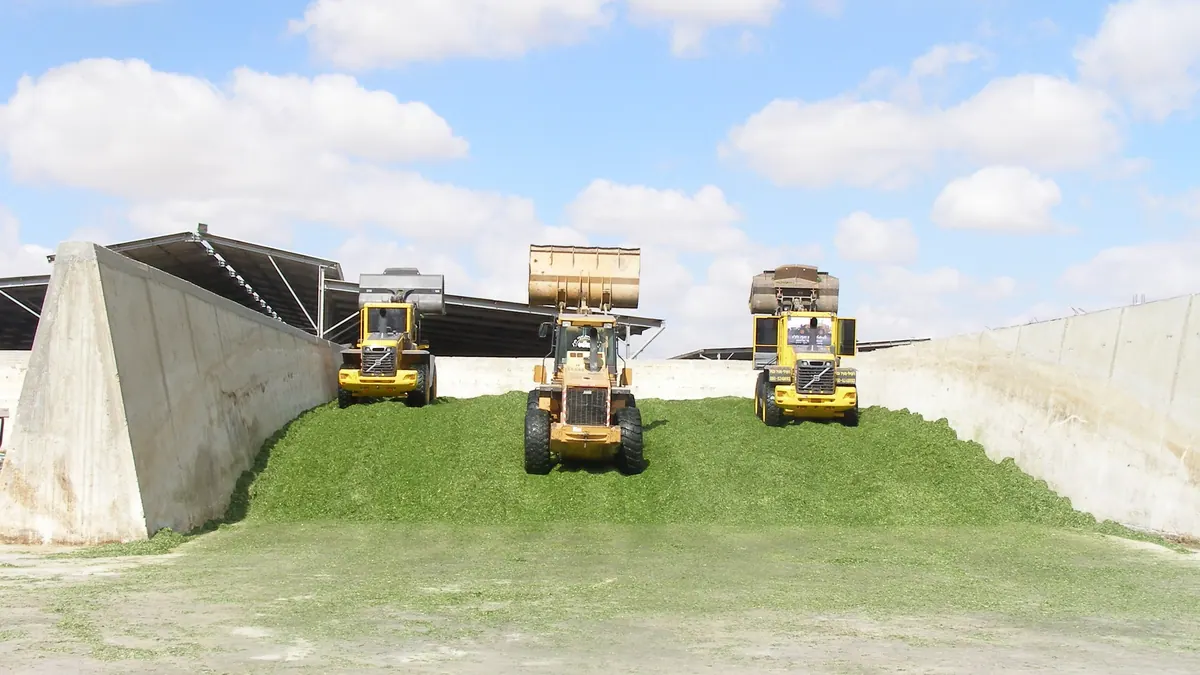

The best substrate does not always have the highest BMP, but the lowest cost of a delivered cubic metre of methane while maintaining process stability. That is why assessing a substrate requires putting together several parameters, reliable laboratory data and a simple economic calculation.
Key parameters
BMP
Biochemical methane potential (usually in NmL CH₄/g VS) shows how much methane can be obtained at most from a unit of organic matter. BMP alone is not enough to assess profitability: it must be set against price, logistics and impact on process stability (What is BMP).
TS and VS
Dry matter (TS) tells what part of the substrate is solid material and what part is water. Low TS (e.g. slurry with a few per cent TS) means transporting a large amount of water, which raises transport costs, while very high TS requires a suitable feeding and dilution system. VS is the organic fraction of dry matter (loss on ignition); only part of it is biodegradable. A high VS/TS share usually means greater energy potential, but the actual yield is determined by biodegradability (BMP) (Dry matter and volatile solids).
C:N and pH
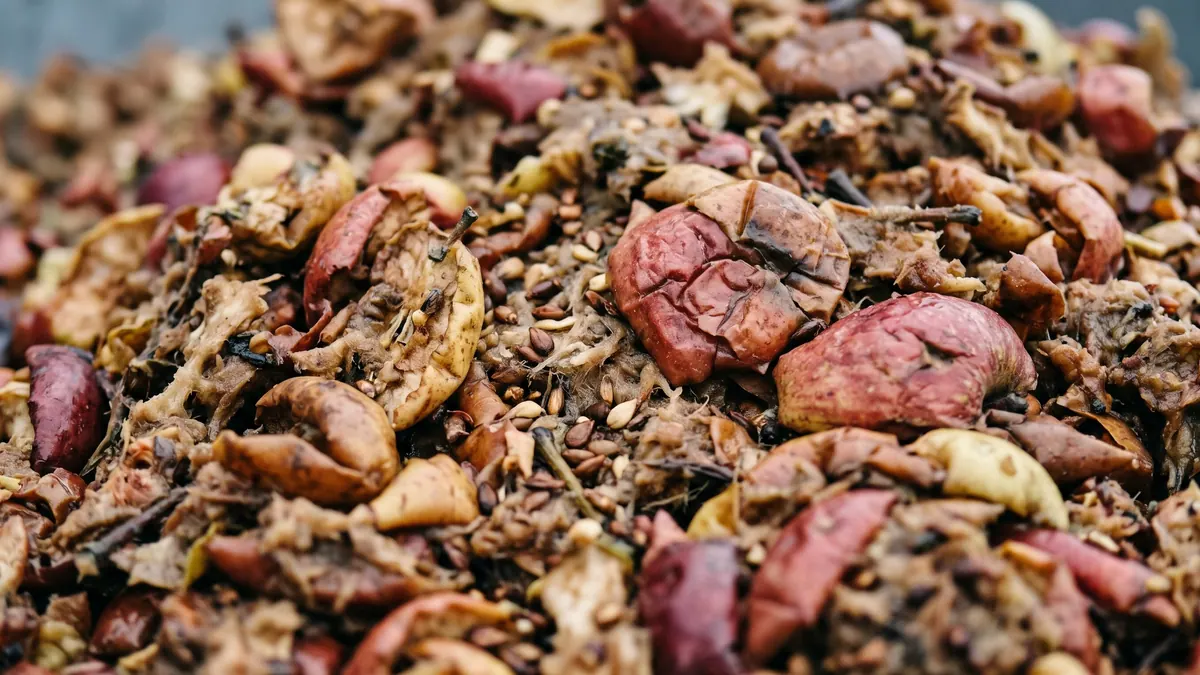
The optimum C:N ratio for fermentation is indicatively 20–30:1. Protein substrates (slaughterhouse waste, yeast) have a low C:N and can cause ammonia inhibition, while lignocellulosic ones (straw) have a high one and ferment slowly (C:N ratio in the mix). Acidic substrates (e.g. ensiled fruit waste with pH 3–4) can cause local acidification when dosed too quickly; pH in the digester is usually kept in the range of approx. 6.8–7.5.
How to assess substrate quality
- Take a representative sample: several samples from different batches, mixed.
- Order a basic analysis: TS, VS, pH, nitrogen and carbon.
- Carry out a BMP test: only a laboratory test gives a reliable potential for a given batch.
- Check for contaminants: heavy metals, antibiotics, plastics, which can inhibit the process or worsen digestate quality.
- Test the mixture if a new substrate is to be added to an existing recipe.
Cost calculation: an example with assumptions
The figures below are illustrative assumptions.
| Parameter | Maize silage | Food waste with a fee |
|---|---|---|
| Price of a delivered tonne of fresh matter | PLN 150 | −PLN 100 (the operator receives a fee) |
| TS | 33% | 25% |
| VS in TS | 96% | 90% |
| BMP (NmL CH₄/g VS) | 340 | 450 |
| CH₄ yield from 1 t of fresh matter | approx. 108 m³ | approx. 101 m³ |
| Cost per 1 m³ CH₄ (excluding own logistics) | approx. PLN 1.39 | approx. −PLN 0.99 |
The yield was calculated as TS × VS × BMP (e.g. 0.33 × 0.96 × 340 ≈ 108 m³ CH₄/t). The negative cost of waste results from the gate fee, but does not include the costs of sanitisation, depackaging, the risk of acidification and legal obligations. It does, however, show why waste is economically attractive if the process is not overloaded.
The most common mistakes
- Going by the price of a tonne alone, without converting to methane.
- Ignoring transport costs, especially for substrates with low TS.
- No laboratory tests and relying on catalogue data.
- Introducing a new substrate too quickly, without controlling FOS/TAC (FOS/TAC).
- Ignoring logistics and storage: availability, reliability of deliveries and storage conditions have a real impact on costs.
A year-round balance that takes seasonality into account is described in the entry Planning substrate demand. You will find compilations of BMP results from the literature in BMP studies.
When a decision requires additional data
When choosing a substrate of uncertain composition (processing waste, sludge, municipal waste) it is worth supplementing the assessment with additional analyses: the content of heavy metals, ammonia, sulphur, fats and inhibiting substances. When the substrate is to make up a large share of the recipe, a laboratory-scale trial in a continuous reactor is also recommended, not only a BMP test. Only a set of such data makes it possible to assess the risk to the process and to digestate quality. It is worth recording the result of such an assessment together with the delivery date and batch number, so that in case of problems they can easily be linked to a specific source.
Sources
Questions and answers
How do you calculate the cost of methane from a substrate?
Divide the price of a delivered tonne of fresh matter by the methane yield from that tonne. Yield = TS × VS × BMP (TS and VS as fractions, BMP in m³ CH₄ per kg VS, result per tonne after multiplying by 1000).
Related articles