
InnovationAnalysis
A world no worse than we found it: the closed loop and intergenerational responsibility
An Independence Day summary: environmental protection as a duty and a privilege, the closed loop in the practice of a biogas plant, and the honest limits of what technology can do.
Other language versions: Polski, Deutsch, Español, Français, Italiano, Nederlands.
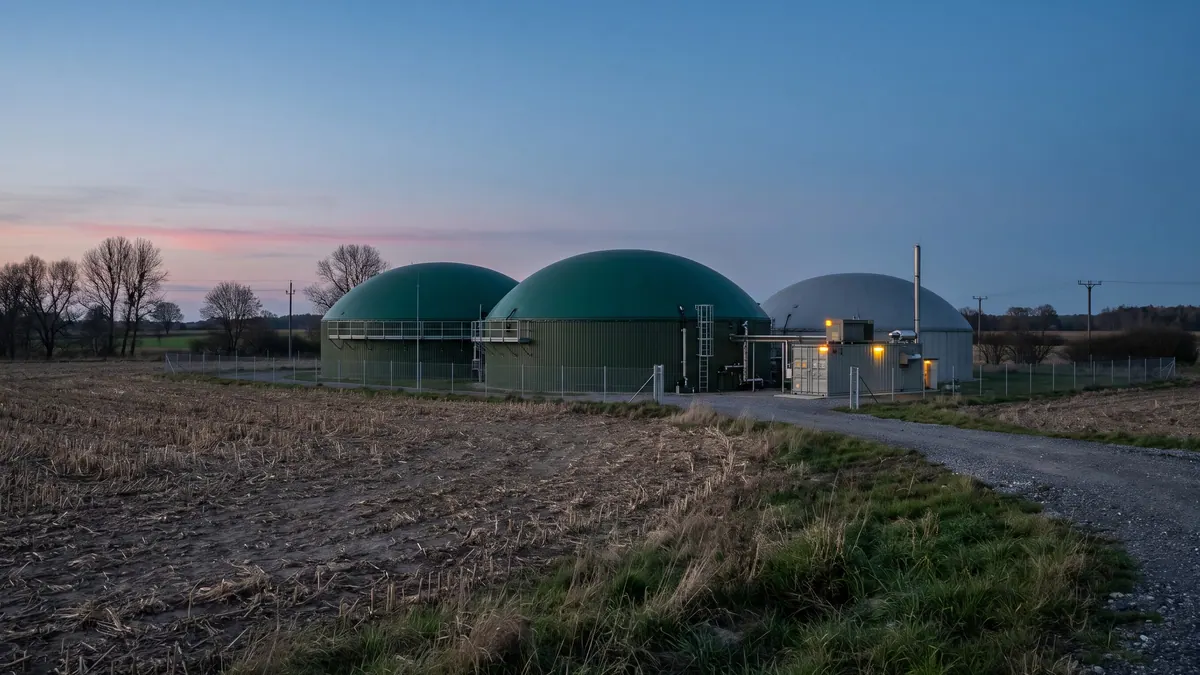
The eleventh of November is a day for remembering that independence was regained through the work, perseverance and responsibility of many people. That same responsibility has a second dimension, which becomes visible only after years: the condition in which we hand over land, water and air to those who come after us. This is not a slogan but a very concrete calculation: how much energy we generate from what we have, how many resources we waste, how much damage we leave behind. This article brings together the threads of the day's series of articles into a single idea.
Duty and privilege
Environmental protection is often perceived as a burden and a list of prohibitions. It can, however, be understood as a combination of duty and privilege. A duty, because the consequences of our decisions, from emissions to the way we manage waste, are borne by our children and grandchildren. A privilege, because no earlier generation has had such knowledge, measurements and tools to do it more wisely. To leave the world no worse than we found it is the minimum; to leave it better is an ambition within our reach, if we are consistent in small matters.
What the closed loop delivers in practice
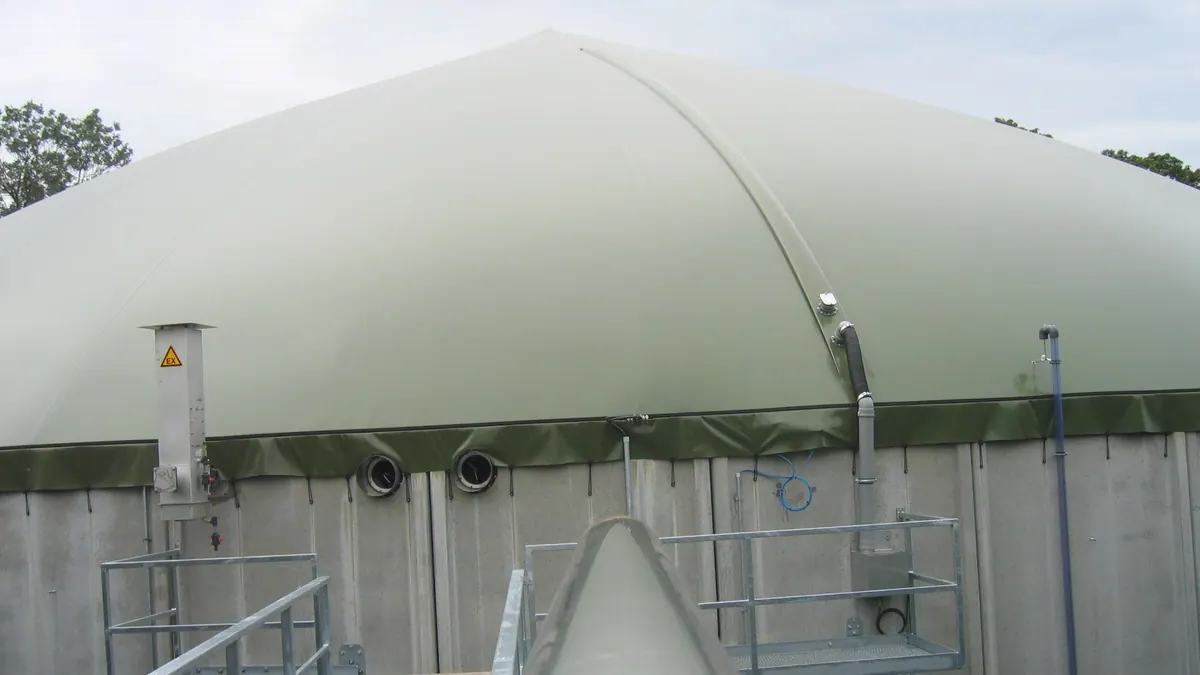
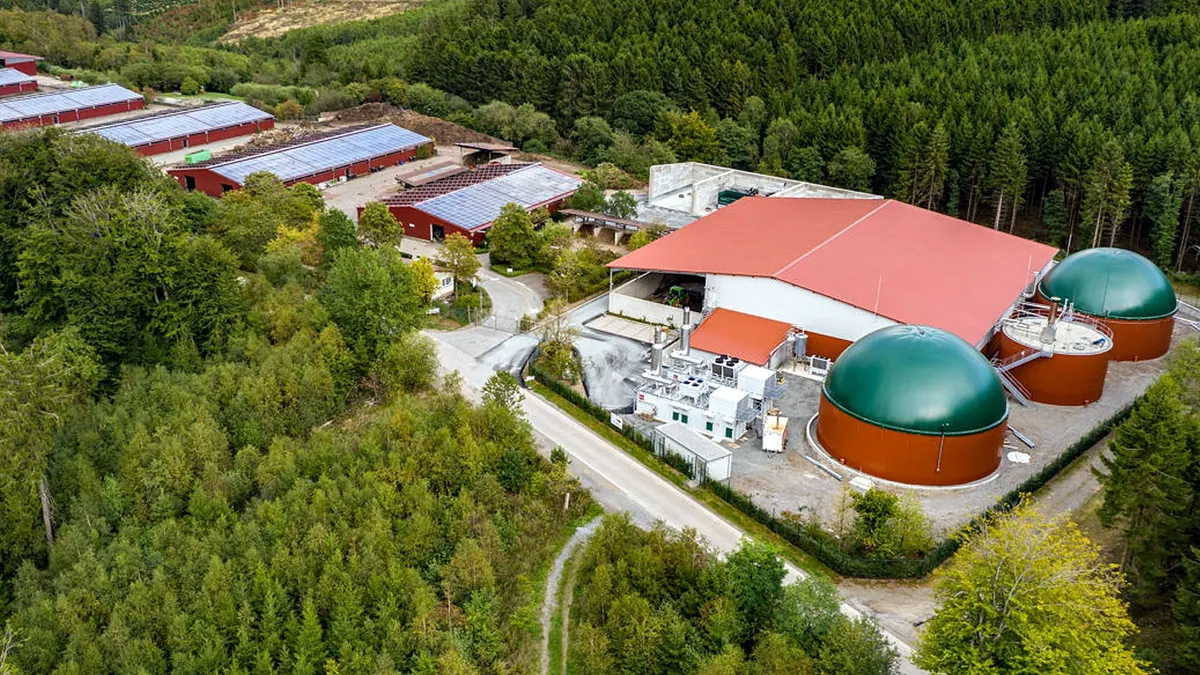
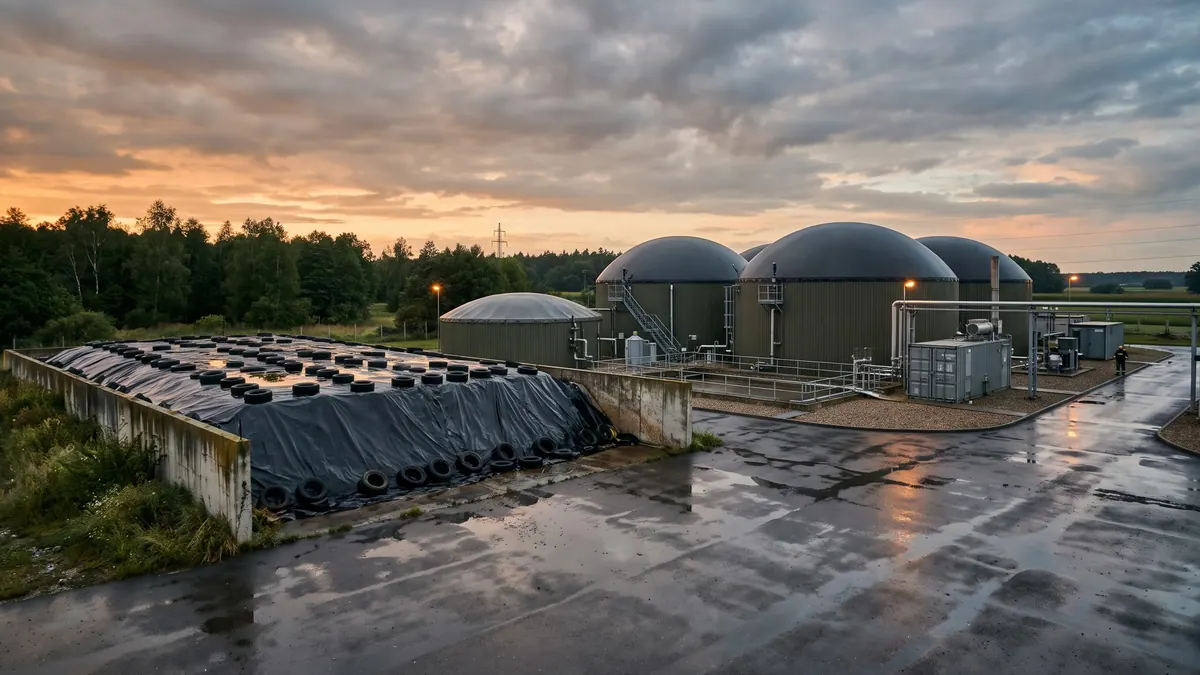
The circular economy is not a slogan about endless recycling but a principle: resources should retain their value for as long as possible, and waste should be the last option, not the first. A biogas plant shows this on a small scale. Slurry, processing residues and biowaste become biogas and digestate; the energy heats homes, and the nutrients return to the soil, reducing the need for mineral fertilisers. The Waste Framework Directive gives this approach the form of a hierarchy of waste management; we discussed the mechanism in the article The waste hierarchy and anaerobic digestion.
What we did in this series
In the first article we showed that energy independence begins locally: organic waste is a domestic source of energy and nutrients, and estimates of Poland's biomethane potential differ several-fold because they depend on assumptions. In the second we described how digestate and nutrient recovery can replace part of mineral fertilisers; according to EBA (2024 data), technically more than 16% of the mineral nitrogen used in European agriculture, though this is a potential and not a forecast. In the third we explained why biomethane is a domestic fuel and what conditions must be met for it to pay off. Later in the day we will publish three more: a realistic assessment of biohydrogen, an overview of the future of waste management for cities and the food industry, and innovations with an assessment of technology maturity.
Limits that need to be named
Rigour also means talking about what technology does not solve. Biogas will not replace all natural gas; according to the IEA, the world's biogas potential is about one quarter of gas demand, not the whole of it (IEA, 2025). Digestate requires a good balance, because excess nitrogen harms waters. Purpose-grown feedstocks may compete with food. An installation requires capital, competent operation and a buyer for its products. Each of these limits is a reason to select solutions carefully, not a reason to give them up.
Independence as a set of actions
Energy independence does not result from a single technology, nor is it a rivalry with anyone. It is made up of lower energy consumption, diverse sources, efficient grids, storage, cooperation with neighbours and, where it makes sense, green gases from local waste. A country that uses its own resources wisely is more resilient to fluctuations and more stable for its own citizens, and at the same time remains a good partner for others. The same logic works in a municipality, on a farm and in a factory.
Memory and responsibility
The tradition of statehood teaches that lasting things are built patiently. It is the same with resource management: soil takes decades to rebuild, and water in an aquifer is renewed slowly. Decisions that seem minor today, such as how digestate is stored, the timing of fertilisation or the sorting of kitchen scraps, accumulate over generations. That is why in the description of each solution we give its conditions and limitations: reliable information is a form of respect for those who will have to live with its consequences.
Three practical conclusions
- Start with what you have. Take stock of local organic waste streams, their quantity and quality, before choosing a technology.
- Close the loop locally. Make sure there is an outlet for digestate and heat, because profitability and public acceptance depend on them.
- Tell the truth about the numbers. Give ranges, data years and sources; avoid promises that will not survive the first balance.
In closing
Environmental protection is ordinary, everyday work: on the farm, in the municipality, in the factory and at home. Its effects are not spectacular from one day to the next, but after years they decide what world the next generations inherit. May this day remind us that independence is also the ability to manage what we have, so that future generations have more opportunities than we do. If you want to start from the beginning, you will find the opening of the series in the article Energy independence begins locally.
Sources
Questions and answers
Is biogas enough to ensure energy independence?
Not on its own. It is one of the domestic resources alongside efficiency, other renewable sources, networks and storage. Its importance grows where the feedstock is local and the product has a steady buyer.
What does a closed loop mean at a biogas plant?
That organic waste returns to use: the carbon contained in the waste passes into biogas (mainly as methane and CO₂), and the fertilising components return to the field in the digestate. The loop is never fully closed, because some components and energy are lost, but the aim is to make the best possible use of them.
Related articles