Market and investmentAnalysis
The biogas substrate market in Poland: trends and outlook for 2026
The substrate market in Poland is shaped by competition for silage, a growing supply of biowaste and the development of biomethane. The KOWR register shows about 209 agricultural biogas plants in May 2026.
Other language versions: polski.

The biogas substrate market in Poland is undergoing a structural change: the installed base is growing, agricultural biogas plants compete for silage and slurry, and in the background the stream of biowaste and interest in biomethane are growing. According to the KOWR register, in May 2026 there were 209 agricultural biogas plants, a clear increase compared with 2021 (116) and November 2022 (141).
Scale of the market
The register of agricultural biogas producers kept by KOWR showed at the beginning of March 2026 204 plants belonging to 170 producers, with a total electrical capacity of about 184.3 MW. As of 28 May 2026 the number rose to 209 plants and 175 entities. In March 2025 there were 181 plants. The report “Biogaz i biometan w Polsce 2026” estimates that the total number of biogas facilities (including landfill, wastewater treatment and municipal plants) exceeded 400 at the end of 2025. Different compilations give different figures, because they apply different definitions and dates.
Agricultural substrates
Silage from energy crops (maize, rye, grasses), slurry and manure have a predictable composition and stable quality, which makes the process easier to run. They are, however, tied to the agricultural market: production costs, land leases and cereal prices affect the cost of silage. For operators what matters is not only the cost of a tonne, but the cost of a cubic metre of methane, as discussed in the entry Planning substrate demand and in detail in Maize silage for biogas. Since 2023 what counts as agricultural biogas has been decided by the list of substrates in the regulation (Agricultural biogas in the Act on Renewable Energy Sources (ustawa o OZE)).
Waste substrates
Waste from food processing, municipal biowaste, sewage sludge or distillery stillage often have a higher methane potential and can bring a gate fee. Their availability is, however, less predictable, their composition variable and the regulations more complex (Waste Database (BDO), sanitary requirements). The rules for cost calculation are described in the entry Operating costs (OPEX) of an agricultural biogas plant.
Seasonality
Silage is produced mainly in the harvest period and must be stored throughout the year; fruit and vegetable waste peaks in summer and autumn, and meat waste is spread more evenly. Operators who can switch recipes flexibly achieve greater stability. Diversifying sources limits risk: an operator dependent on a single substrate is exposed to fluctuations in price and availability. Rules for annual balancing: Planning substrate demand.
Outlook for 2026
- Continued cost pressure on agricultural substrates, especially where many plants compete for the same supply area.
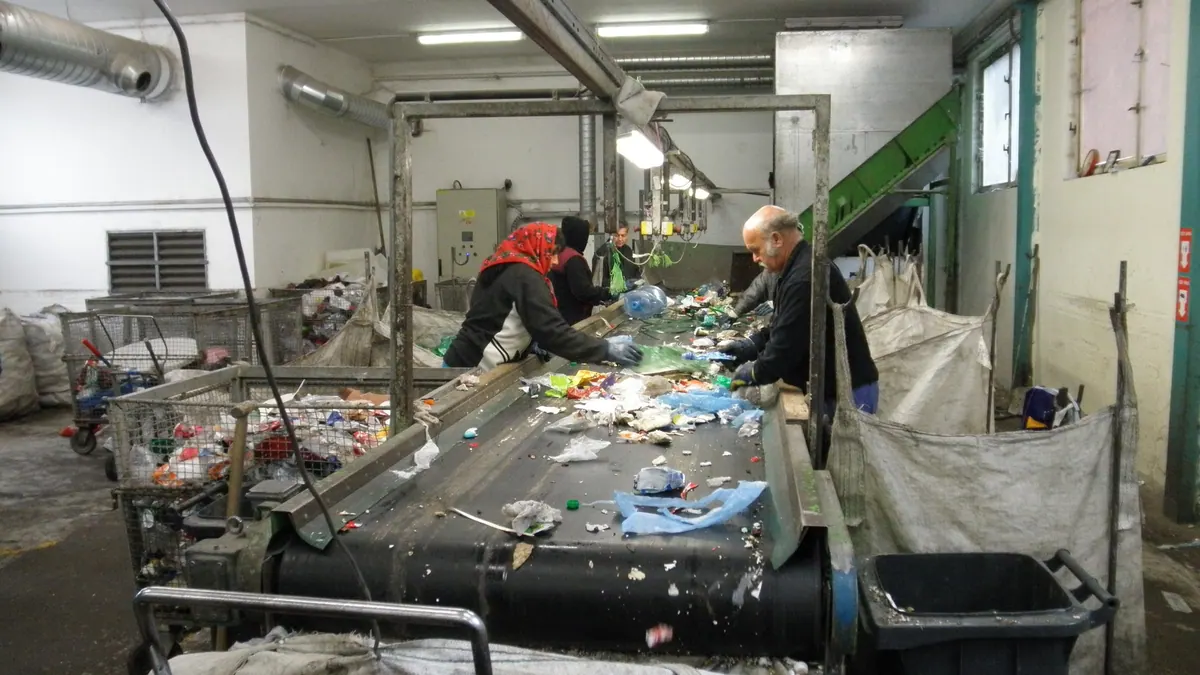
- A larger supply of biowaste after the extension of separate collection, although the quality of the stream requires depackaging.
- Development of biomethane: new plants increase demand for high-yielding substrates (The biomethane market in Europe).
- Digitalisation of purchasing and data: comparing substrate parameters (BMP, TS, VS) and prices, which is made easier by industry platforms and BMP studies.
Without your own BMP tests and a profitability balance it is not possible to assess reliably which substrate is the cheapest source of methane in a specific plant.
Factors worth following
In the coming months the substrate market will be affected, among other things, by: changes in the support system for biogas and biomethane, the pace of implementing RED III in Polish law (RED III: analysis of transposition in Poland), gas and emission allowance prices, weather conditions affecting yields and the pace of expanding biowaste collection infrastructure in municipalities. For an individual operator the local environment is often more important than general trends: how many competitors use the same substrate sources and what the real transport costs are.
A note on data
Compilations of the number of plants differ depending on the source and date, and not all are official. In analyses carried out for investment purposes, reference should be made to the current state of the KOWR register, data from the Energy Regulatory Office (URE) and industry reports.
Sources
Questions and answers
How many biogas plants operate in Poland?
According to KOWR data as of 28 May 2026, the register of agricultural biogas producers contained 209 installations belonging to 175 entities, and the total number of biogas installations (including those at wastewater treatment plants and landfills) at the end of 2025 was over 400.
Related articles