

BMP testingWood and woody biomass
Hardwood — BMP: 8 studies, weighted mean 153 m³ CH₄/t VS
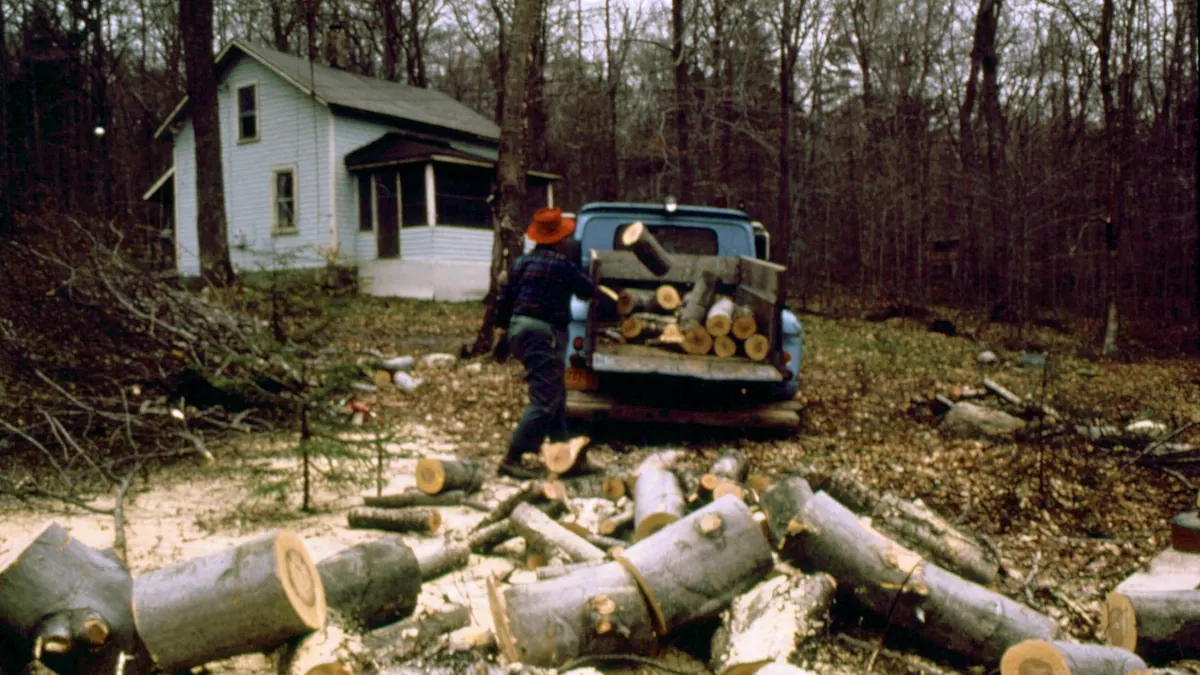
Hardwood (for example sweetgum, black locust, branches from green waste) has less lignin than softwood, but still degrades slowly without pretreatment.
rating: neutralCH₄ ≈ 52 % (estimate)
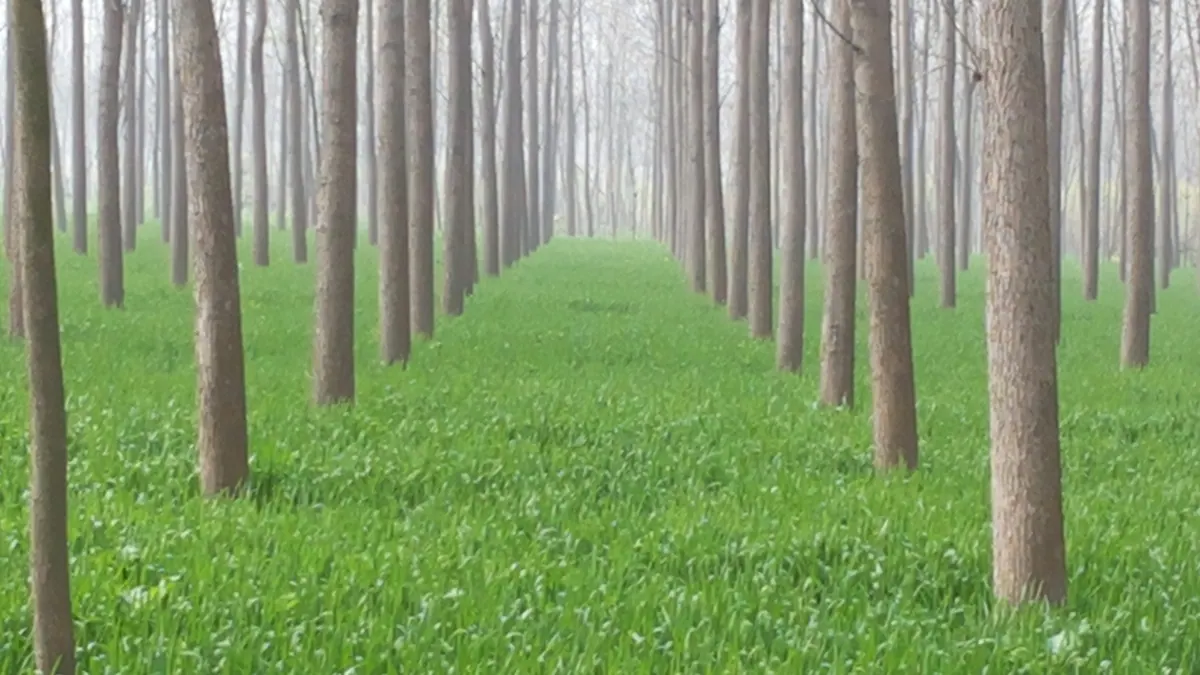
Photo Anne LaBastille / Wikimedia Commons, public domain, source file; changes: cropping

- Weighted mean
- 153m³ CH₄/t VS
- Range
- 45–270m³ CH₄/t VS
- Records
- 8studies
- Publications
- 4sources
- Temperatures
- 35 °C, 55 °Cof the test
Methane in biogas
Medium methane content · ≈ 5.2 kWh/m³ of biogas
estimate from the substrate type The collected studies contain no measurement. The interval follows from the approximate composition (carbohydrate-dominated (no protein or fat characteristics)) and the yields of compound groups according to FNR.
Rating for biogas plants
neutral — editorial rating for biogas plantsNo clear advantages — worth charging a fee for accepting it
Potential per tonne of fresh matter: moderate, but limited by the poor degradability of the organic matter (128 m³ CH₄/t); no particular threats to stability. Handling costs: fibres, floating layer, slow degradation.
Why? Rating factors
Potential per tonne +1
- +1potential 128 m³ CH₄/t fresh matter (BMP 153 × DM 92.7 % × VS 89.8 %); low degradability of VS (BMP 153 m³ CH₄/t VS) — points capped
Process stability 0
- 0no factors
Handling and costs −1
- −0.5fibres, floating layer — shredding and intensive mixing
- −0.5slow degradation — long retention time
Total points: 0 · thresholds: ≥ 2.5 very good, ≥ 1 good, below — neutral; negative with cumulative process risk.
Add to the co-digestion calculator CSV data
BMP curves from 8 studies
Weighted mean Individual records
Dashed lines are a model curve (first-order kinetics, B(t) = B₀·(1 − e−kt)); the end point comes from the publication. All curves are model curves.
Cumulative methane production over the test [m³ CH₄/t VS]. The thick line is the weighted mean of all records (153); dots mark the end values given in the publications. Point at the chart to read values; click a legend item to hide or show a record.
Records and sources
Download CSV| Source | BMP m³ CH₄/t VS | Temperature | Sample | Curve |
|---|---|---|---|---|
| Chynoweth et al. (1993) · 1 DOI | 210 | 35 °C · mesophilic | Sweetgum | end point (model curve) |
| Chynoweth et al. (1993) · 2 DOI | 240 | 35 °C · mesophilic | Black Locust | end point (model curve) |
| Nallathambi Gunaseelan (1997) DOI | 134 | 35 °C · mesophilic | branches (from municipal waste) (orig.: “Branches”): value quoted in a literature review | end point (model curve) |
| Krause et al. (2018) · 1 DOI | 45 | 35 °C · mesophilic | hardwood | end point (model curve) |
| Krause et al. (2018) · 2 DOI | 49 | 55 °C · thermophilic | hardwood | end point (model curve) |
| Krause et al. (2018) · 3 DOI | 170 | 55 °C · thermophilic | hardwood | end point (model curve) |
| Krause et al. (2018) · 4 DOI | 270 | 35 °C · mesophilic | hardwood | end point (model curve) |
| Costa et al. (2019) DOI | 121 | — | Birch (milled wood) | end point (model curve) |
| Weighted mean | 153 | arithmetic mean 155, SD 83 | ||
Typical composition
- Dry matter (DM)
- 92.7% (range 92.7–92.7)
- Volatile solids (VS)
- 89.8 % DM (range 85.8–93.9)
Median and range of the determinations reported in the publications behind this substrate's BMP records (read from: MY-D); dry matter: 1 determination, volatile solids: 2 determinations. Samples were tested dried/air-dry – the DM refers to the material in the test, not to fresh material.
Sources: Nallathambi Gunaseelan (1997); Krause et al. (2018).
The composition of the raw material varies between batches — for plant calculations use an analysis of your own sample. The calculator inserts typical values automatically.
Process properties
Advantages
- Methane potential in the database: weighted mean 153 m³ CH₄/t VS (median 152; range 45-270; 8 records from 4 sources).
Drawbacks and risks
- Lignin limits conversion; mature wood degrades slowly (review by Hendriks 2009).
- Spread of results in the database: standard deviation 83 at a mean of 155 m³ CH₄/t VS (8 records from 4 sources).
Co-digestion — what to combine it with, what to watch out for
- caution
Dosing
No source dose limits; treat as a lignocellulosic additive in mixtures with excreta, after shredding. Carry out a BMP test for the specific batch.
Practical requirements
- Control floating crust and sediment: when solids are fed directly into the digester, the risk of their formation depends on the substrate (FNR 2010, Ch. 3).
- Shredding (the finer, the faster the degradation; the effect of particle size is studied by Krause 2018)
Sources of the process data
- Krause, M.J.; Chickering, G.W.; Townsend, T.G.; Pullammanappallil, P. (2018) Effects of temperature and particle size on the biochemical methane potential of municipal solid waste components. Waste Management 71, 25–30
- Chynoweth, D.; Turick, C.; Owens, J.; Jerger, D.; Peck, M. (1993) Biochemical methane potential of biomass and waste feedstocks. Biomass and Bioenergy 5(1), 95–111
- Dahunsi, S. (2019) Mechanical pretreatment of lignocelluloses for enhanced biogas production: Methane yield prediction from biomass structural components. Bioresource Technology 280, 18–26
- Nallathambi Gunaseelan, V. (1997) Anaerobic digestion of biomass for methane production: A review. Biomass and Bioenergy 13(1-2), 83–114
- Hendriks, A.T.W.M.; Zeeman, G. (2009) Pretreatments to enhance the digestibility of lignocellulosic biomass. Bioresource Technology
- Costa, T.H.F.; Eijsink, V.G.H.; Horn, S.J. (2019) The use of lytic polysaccharide monooxygenases in anaerobic digestion of lignocellulosic materials. Biotechnology for Biofuels 12(1), 270
- Weiland, P. (2010) Biogas production: current state and perspectives. Applied Microbiology and Biotechnology
- FNR (2010). Guía sobre el Biogás – Desde la producción hasta el uso (hiszp. wydanie „Leitfaden Biogas”, GIZ 2013)
The co-digestion calculator will assess a specific mixture containing this substrate.
What it is and where it comes from
Hardwood includes species such as beech, oak, birch, black locust, sweetgum and alder. It comes from forestry, the wood industry and green space maintenance. The dataset includes samples of specific species, branches from municipal waste and samples described as hardwood, tested under mesophilic and thermophilic conditions. Fast-growing poplars and willows have been separated into their own substrates, because in practice they occur as energy crops.
Properties relevant to digestion
The composition of hardwood is cellulose, hemicelluloses (with a larger share of xylan than in softwood) and lignin. The lignin contains syringyl units and is somewhat less compact than in softwood, which eases hydrolysis but does not remove the main limitation. Young shoots and branches with a large share of bark and soft tissues degrade better than old, woody timber. Extractives are usually less troublesome than conifer resins. There is little nitrogen, so the C/N ratio is high.
How to read the spread of results
The spread is large, because the group combines very different materials: mature wood, young branches, fast-growing species and green waste. The result is determined by the species, age and part of the tree (heartwood, sapwood, bark), size reduction (dust or wood chips), temperature and test length, and any pretreatment. The dataset also includes a value quoted in a literature review, which means that the conditions under which it was obtained are known in less detail than in primary studies.
In biogas plant practice
Hardwood can be treated as a structural material or a contaminant, and not as a main substrate. In agricultural installations its use is limited by low yield relative to the cost of size reduction. If use is being considered, fine milling and an extended retention time must be thought through. Pretreatment (steam, alkaline, mechanical) is being researched, but is not standard in biogas plants. Wood waste is usually more cost-effective as a solid fuel.
Ultimately, if the use of green waste with branches is being considered, it is more justified to remove the coarser woody fraction beforehand and send it for composting or combustion, and to send only leaves and young shoots for digestion.
Methodology in brief
BMP is the amount of methane obtained from volatile solids (VS) in a batch test, given in m³ CH₄ per tonne of VS (numerically the same as NmL CH₄/g VS in the publications) and converted to normal conditions (0 °C, 101.325 kPa). The weighted mean gives each publication a total weight of 1, split equally between its results for the substrate — a paper testing twenty varieties does not outweigh a paper with a single sample. In inter-laboratory programmes the unit is the laboratory (total weight 1), and within it the weight of a test grows with the number of bottles (replicates). Results after pretreatment (e.g. thermal, chemical, enzymatic) are shown separately and are not included in the mean.
Solid lines are curves measured in the tests. Where a publication gives only the final result, we draw a first-order kinetic model, B(t) = B₀·(1 − e−kt): only the end point comes from the publication, and the shape of the curve serves purely as visualisation — do not read the production on a particular day from it. For this substrate k = 0.039 d−1 was assumed (median of rate constants k reported in the sources and/or fitted to the mean measured curves).
The statistics describe the spread of published results — a descriptive compilation, not a meta-analysis or a guarantee of plant yield.
Bibliography
- Chynoweth, D.; Turick, C.; Owens, J.; Jerger, D.; Peck, M. (1993). Biochemical methane potential of biomass and waste feedstocks. Biomass and Bioenergy 5(1), 95–111. DOI: 10.1016/0961-9534(93)90010-2 DOI
- Nallathambi Gunaseelan, V. (1997). Anaerobic digestion of biomass for methane production: A review. Biomass and Bioenergy 13(1-2), 83–114. DOI: 10.1016/s0961-9534(97)00020-2 DOI
- Krause, M.J.; Chickering, G.W.; Townsend, T.G.; Pullammanappallil, P. (2018). Effects of temperature and particle size on the biochemical methane potential of municipal solid waste components. Waste Management 71, 25–30. DOI: 10.1016/j.wasman.2017.11.015 DOI
- Costa, T.H.F.; Eijsink, V.G.H.; Horn, S.J. (2019). The use of lytic polysaccharide monooxygenases in anaerobic digestion of lignocellulosic materials. Biotechnology for Biofuels 12(1), 270. DOI: 10.1186/s13068-019-1611-8 DOI
All sources of the site: bibliography.
Other substrates in the group “Wood and woody biomass”
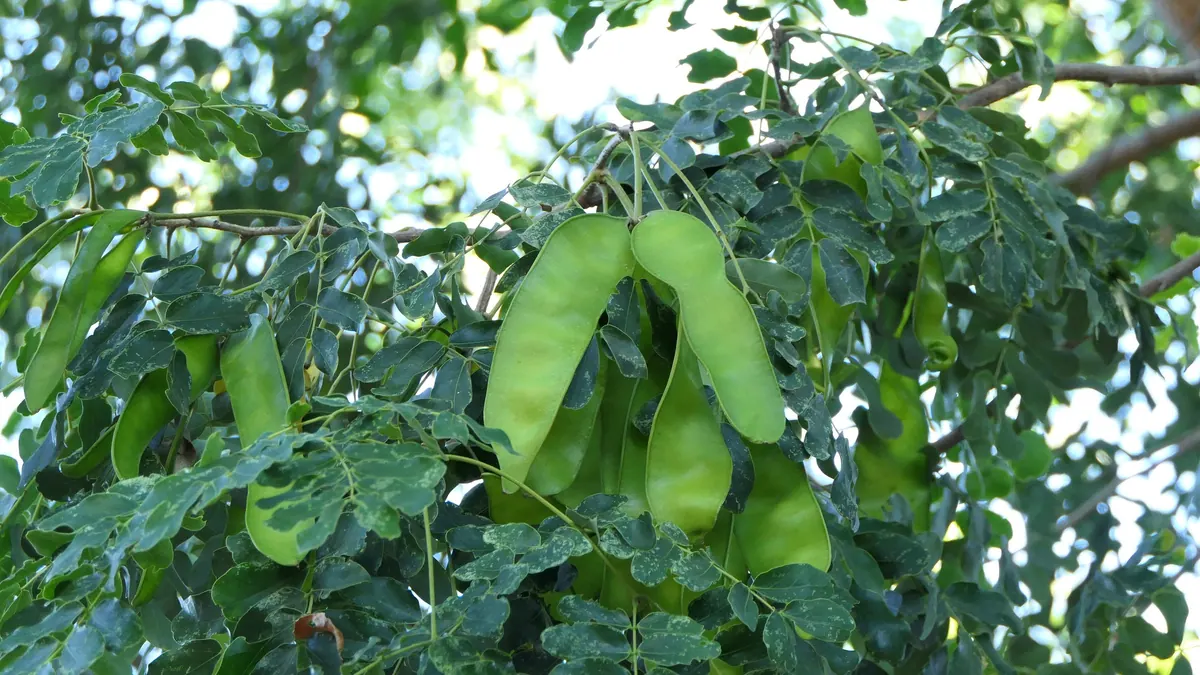
Albizia wood chips and leaves — BMP: 2 studies, weighted mean 137 m³ CH₄/t VS
137 m³ CH₄/t VS weighted mean from 2 studies
neutral — editorial rating for biogas plants≈54 %
Lignin-rich hydrolysis residue — BMP: 2 studies, weighted mean 105 m³ CH₄/t VS
105 m³ CH₄/t VS weighted mean from 2 studies
≈52 %
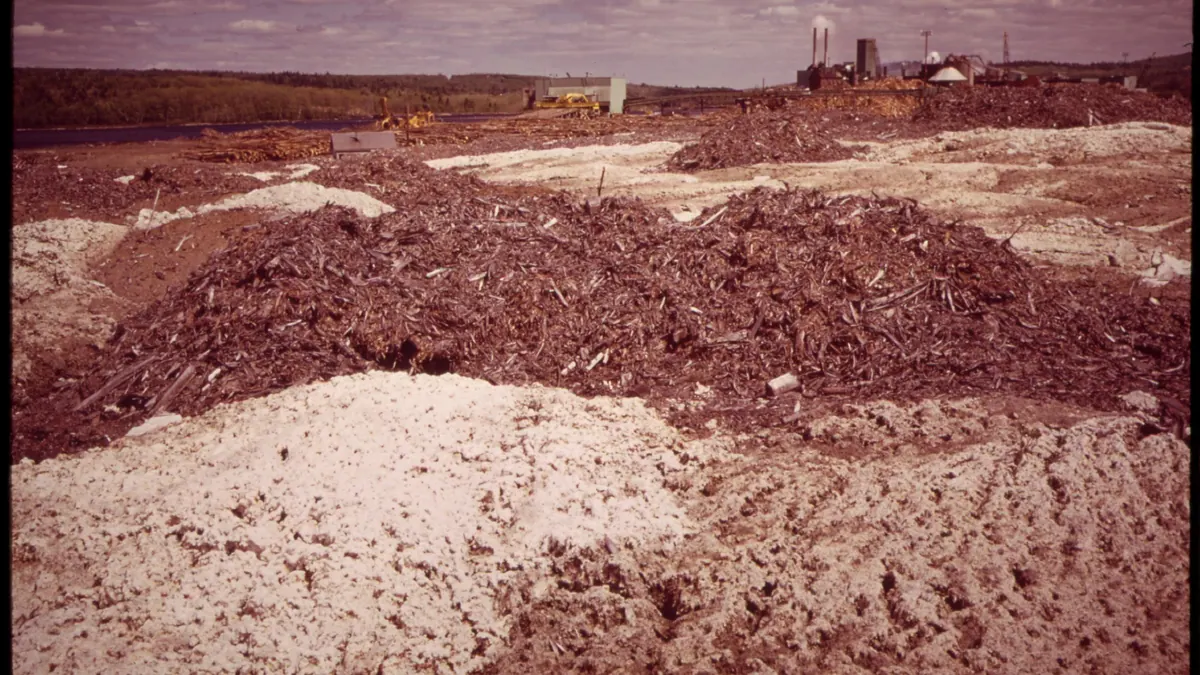
Wood residues from paper industry — BMP: 2 studies, weighted mean 144 m³ CH₄/t VS
144 m³ CH₄/t VS weighted mean from 2 studies
≈52 %
Poplar — BMP: 9 studies, weighted mean 282 m³ CH₄/t VS
282 m³ CH₄/t VS weighted mean from 9 studies
good — editorial rating for biogas plants≈52 %