

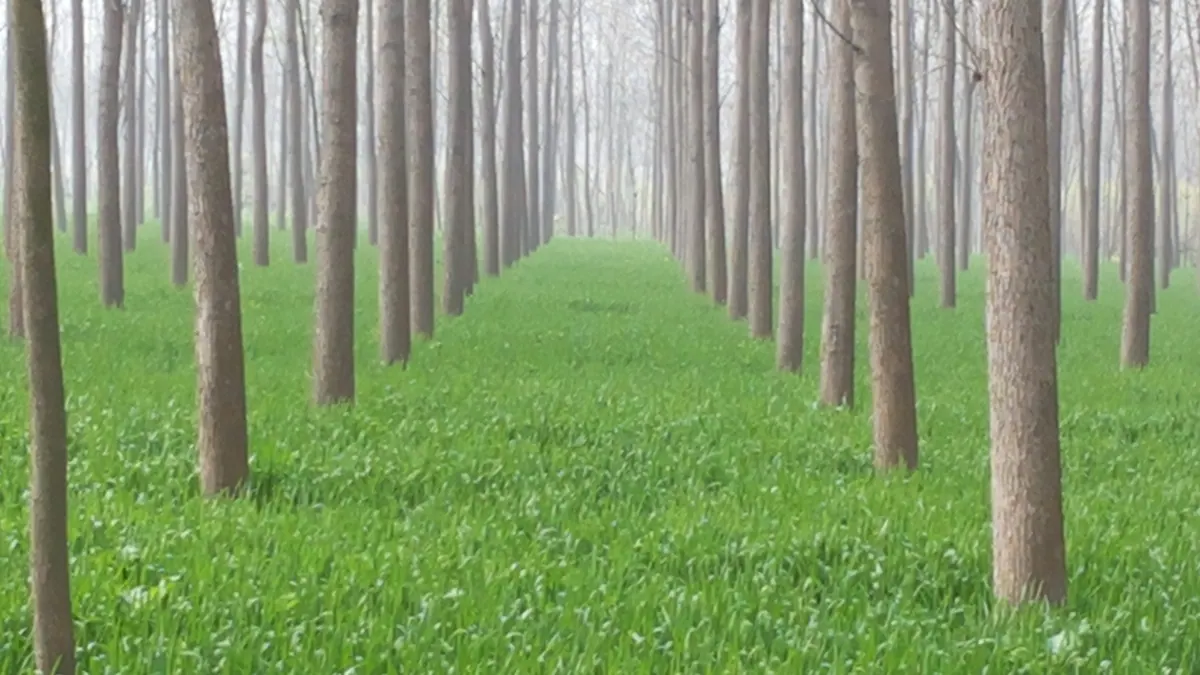
BMP testingWood and woody biomass
Poplar — BMP: 9 studies, weighted mean 282 m³ CH₄/t VS
Poplar as woody biomass from fast-growing plantations gives a moderate methane potential, higher than old wood, but requires thorough chopping.
rating: goodCH₄ ≈ 52 % (estimate)
Photo Bahar Ahmad Khan / Wikimedia Commons, licence CC BY-SA 4.0, source file; changes: cropping

- Weighted mean
- 282m³ CH₄/t VS
- Range
- 220–330m³ CH₄/t VS
- Records
- 9studies
- Publications
- 2sources
- Temperatures
- 35 °Cof the test
Methane in biogas
Medium methane content · ≈ 5.2 kWh/m³ of biogas
estimate from the substrate type The collected studies contain no measurement. The interval follows from the approximate composition (carbohydrate-dominated (no protein or fat characteristics)) and the yields of compound groups according to FNR.
Rating for biogas plants
good — editorial rating for biogas plantsStable, usually accepted without a fee
Potential per tonne of fresh matter: very high (239 m³ CH₄/t); no particular threats to stability. Handling costs: fibres, floating layer, slow degradation.
Why? Rating factors
Potential per tonne +3
- +3potential 239 m³ CH₄/t fresh matter (BMP 282 × DM 88.2 % × VS 95.8 %)
Process stability 0
- 0no factors
Handling and costs −1
- −0.5fibres, floating layer — shredding and intensive mixing
- −0.5slow degradation — long retention time
Total points: 2 · thresholds: ≥ 2.5 very good, ≥ 1 good, below — neutral; negative with cumulative process risk.
Add to the co-digestion calculator CSV data
BMP curves from 9 studies
Weighted mean Individual records
Dashed lines are a model curve (first-order kinetics, B(t) = B₀·(1 − e−kt)); the end point comes from the publication. All curves are model curves.
Cumulative methane production over the test [m³ CH₄/t VS]. The thick line is the weighted mean of all records (282); dots mark the end values given in the publications. Point at the chart to read values; click a legend item to hide or show a record.
Records and sources
Download CSV| Source | BMP m³ CH₄/t VS | Temperature | Sample | Curve |
|---|---|---|---|---|
| Tong et al. (1990) DOI | 291 | 35 °C · mesophilic | Wood grass · pretreatment: air dried | end point (model curve) |
| Chynoweth et al. (1993) · 1 DOI | 220 | 35 °C · mesophilic | Poplar | end point (model curve) |
| Chynoweth et al. (1993) · 2 DOI | 240 | 35 °C · mesophilic | Poplar | end point (model curve) |
| Chynoweth et al. (1993) · 3 DOI | 260 | 35 °C · mesophilic | Poplar | end point (model curve) |
| Chynoweth et al. (1993) · 4 DOI | 270 | 35 °C · mesophilic | Poplar | end point (model curve) |
| Chynoweth et al. (1993) · 5 DOI | 280 | 35 °C · mesophilic | Poplar | end point (model curve) |
| Chynoweth et al. (1993) · 6 DOI | 290 | 35 °C · mesophilic | Poplar | end point (model curve) |
| Chynoweth et al. (1993) · 7 DOI | 300 | 35 °C · mesophilic | Poplar | end point (model curve) |
| Chynoweth et al. (1993) · 8 DOI | 330 | 35 °C · mesophilic | Poplar | end point (model curve) |
| Weighted mean | 282 | arithmetic mean 276, SD 33 | ||
Typical composition
- Dry matter (DM)
- 88.2% (range 88.2–88.2)
- Volatile solids (VS)
- 95.8 % DM (range 95.8–95.8)
Median and range of the determinations reported in the publications behind this substrate's BMP records (read from: CROPGEN D4); dry matter: 1 determination, volatile solids: 1 determination. Samples were tested dried/air-dry – the DM refers to the material in the test, not to fresh material.
Sources: Tong et al. (1990).
The composition of the raw material varies between batches — for plant calculations use an analysis of your own sample. The calculator inserts typical values automatically.
Process properties
Advantages
- Methane potential in the database: weighted mean 282 m³ CH₄/t VS (median 280; range 220–330; 9 records from 2 sources).
Drawbacks and risks
- The results come from older studies (Tong 1990, Chynoweth 1993) on a specific material and may be overestimated relative to mature wood.
- Lignin limits degradation; mature material usually has a lower potential than young shoots (review by Hendriks 2009).
- The data come from two older papers (Tong 1990, Chynoweth 1993); no more recent confirmations.
Co-digestion — what to combine it with, what to watch out for
- caution
Similar in character to SRC — mixing does not reduce the risk of a floating crust and slow degradation.[1]
Dosing
No source-based dose limits; in practice as a component of a lignocellulosic mix after size reduction, with a BMP test for the batch.
Practical requirements
- Shred: shredding increases the surface available for degradation and speeds it up, but does not necessarily raise the final gas yield (FNR 2010, Ch. 3 “Triturado”).
Sources of the process data
- Chynoweth, D.; Turick, C.; Owens, J.; Jerger, D.; Peck, M. (1993) Biochemical methane potential of biomass and waste feedstocks. Biomass and Bioenergy 5(1), 95–111
- Tong, X.; Smith, L.H.; McCarty, P.L. (1990) Methane fermentation of selected lignocellulosic materials. Biomass 21(4), 239–255
- Dahunsi, S. (2019) Mechanical pretreatment of lignocelluloses for enhanced biogas production: Methane yield prediction from biomass structural components. Bioresource Technology 280, 18–26
- Hendriks, A.T.W.M.; Zeeman, G. (2009) Pretreatments to enhance the digestibility of lignocellulosic biomass. Bioresource Technology
- Weiland, P. (2010) Biogas production: current state and perspectives. Applied Microbiology and Biotechnology
- FNR (2010). Guía sobre el Biogás – Desde la producción hasta el uso (hiszp. wydanie „Leitfaden Biogas”, GIZ 2013)
The co-digestion calculator will assess a specific mixture containing this substrate.
What it is and where it comes from
Poplar (Populus) is a fast-growing tree grown on short-rotation plantations as energy biomass. It is harvested after one to several years of growth, usually in the form of chips. The dataset contains both one-year poplar (described as "wood grass") and general samples. In Poland, energy poplars and willows are grown on a small scale, mainly with solid fuel in mind.
Properties relevant to digestion
The biomass of young poplar shoots has a lower lignin share than mature wood, and the larger share of bark and soft tissues eases hydrolysis. Even so, lignin still limits degradation, and the material is dry and hard, so it requires thorough chopping. The nitrogen content is low and the C/N ratio high. Extractives, including phenolic glycosides, may to some extent inhibit, but this is usually not the main limitation. Shoots harvested in the first year are a better substrate than multi-year wood.
How to read the spread of results
The spread depends on the clone or variety, shoot age, harvest date (during the growing season or after leaf fall), the ratio of bark to wood and chopping. The test conditions also matter: temperature, duration and inoculum. Results for one-year poplar may differ clearly from those for wood several years old, and different studies use different definitions of the sample. The range in the dataset is therefore above all the variability of the material, and not measurement uncertainty.
In biogas plant practice
Poplar is rarely used as a substrate, because plantations are not established for this purpose, and the feedstock requires energy-intensive chopping. It can be considered as a supplement to a nitrogen-rich mix, but the risk of layering and a longer retention time must be taken into account. Pretreatment is studied scientifically. The legal requirements for biomass from dedicated crops depend on the type of support and the sustainability criteria applicable in the given scheme.
It should be added that, compared with maize and grasses, growing poplar gives less methane per hectare at a higher cost of biomass preparation, so its role is limited to experiments and to the sporadic use of local surpluses of chips.
Methodology in brief
BMP is the amount of methane obtained from volatile solids (VS) in a batch test, given in m³ CH₄ per tonne of VS (numerically the same as NmL CH₄/g VS in the publications) and converted to normal conditions (0 °C, 101.325 kPa). The weighted mean gives each publication a total weight of 1, split equally between its results for the substrate — a paper testing twenty varieties does not outweigh a paper with a single sample. In inter-laboratory programmes the unit is the laboratory (total weight 1), and within it the weight of a test grows with the number of bottles (replicates). Results after pretreatment (e.g. thermal, chemical, enzymatic) are shown separately and are not included in the mean.
Solid lines are curves measured in the tests. Where a publication gives only the final result, we draw a first-order kinetic model, B(t) = B₀·(1 − e−kt): only the end point comes from the publication, and the shape of the curve serves purely as visualisation — do not read the production on a particular day from it. For this substrate k = 0.039 d−1 was assumed (median of rate constants k reported in the sources and/or fitted to the mean measured curves).
The statistics describe the spread of published results — a descriptive compilation, not a meta-analysis or a guarantee of plant yield.
Bibliography
- Tong, X.; Smith, L.H.; McCarty, P.L. (1990). Methane fermentation of selected lignocellulosic materials. Biomass 21(4), 239–255. DOI: 10.1016/0144-4565(90)90075-u DOI
- Chynoweth, D.; Turick, C.; Owens, J.; Jerger, D.; Peck, M. (1993). Biochemical methane potential of biomass and waste feedstocks. Biomass and Bioenergy 5(1), 95–111. DOI: 10.1016/0961-9534(93)90010-2 DOI
All sources of the site: bibliography.
Other substrates in the group “Wood and woody biomass”
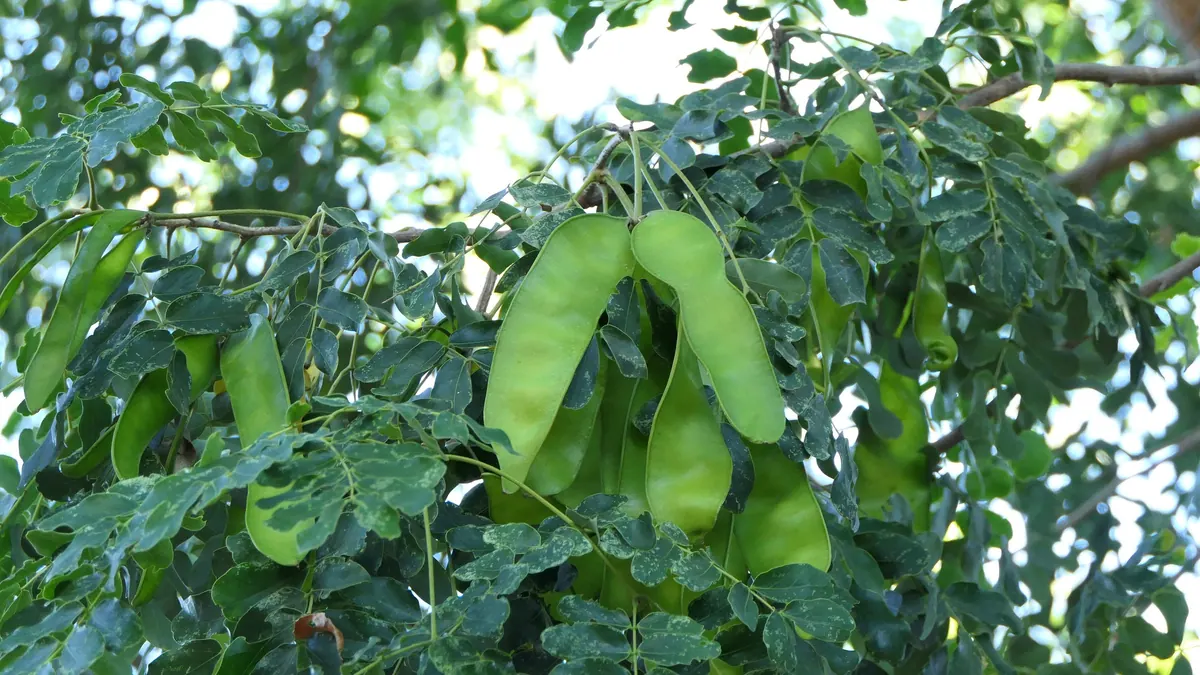
Albizia wood chips and leaves — BMP: 2 studies, weighted mean 137 m³ CH₄/t VS
137 m³ CH₄/t VS weighted mean from 2 studies
neutral — editorial rating for biogas plants≈54 %
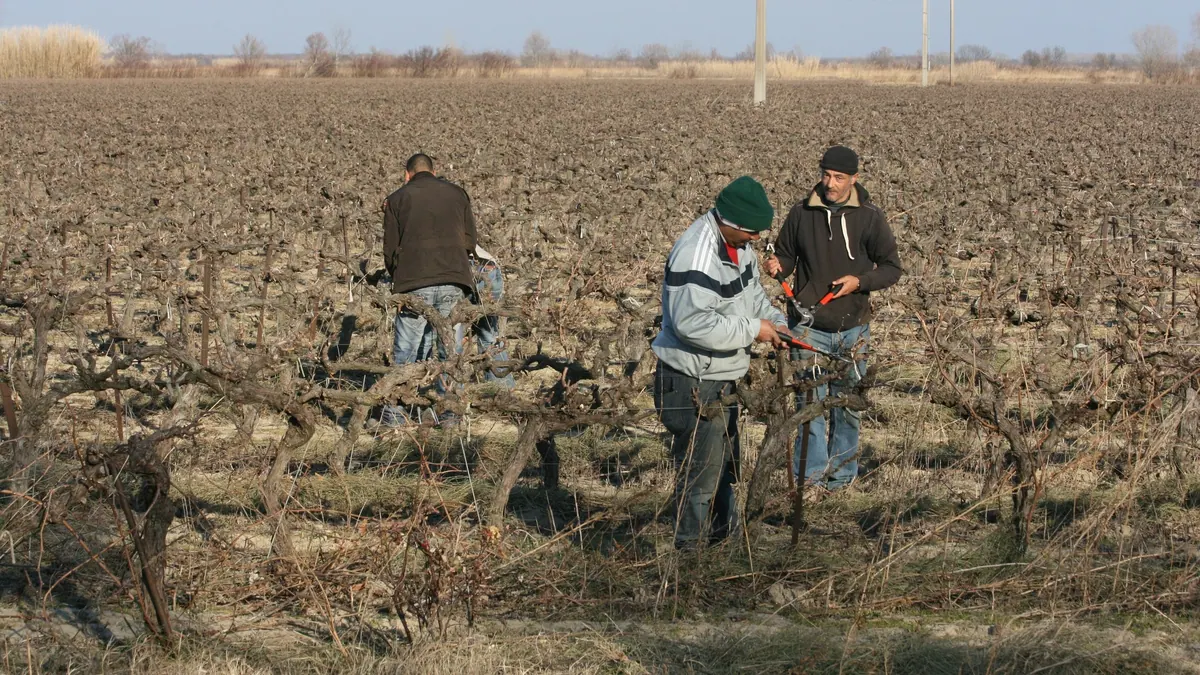
Olive and vine prunings — BMP: 2 studies, weighted mean 55 m³ CH₄/t VS
55 m³ CH₄/t VS weighted mean from 2 studies
≈52 %
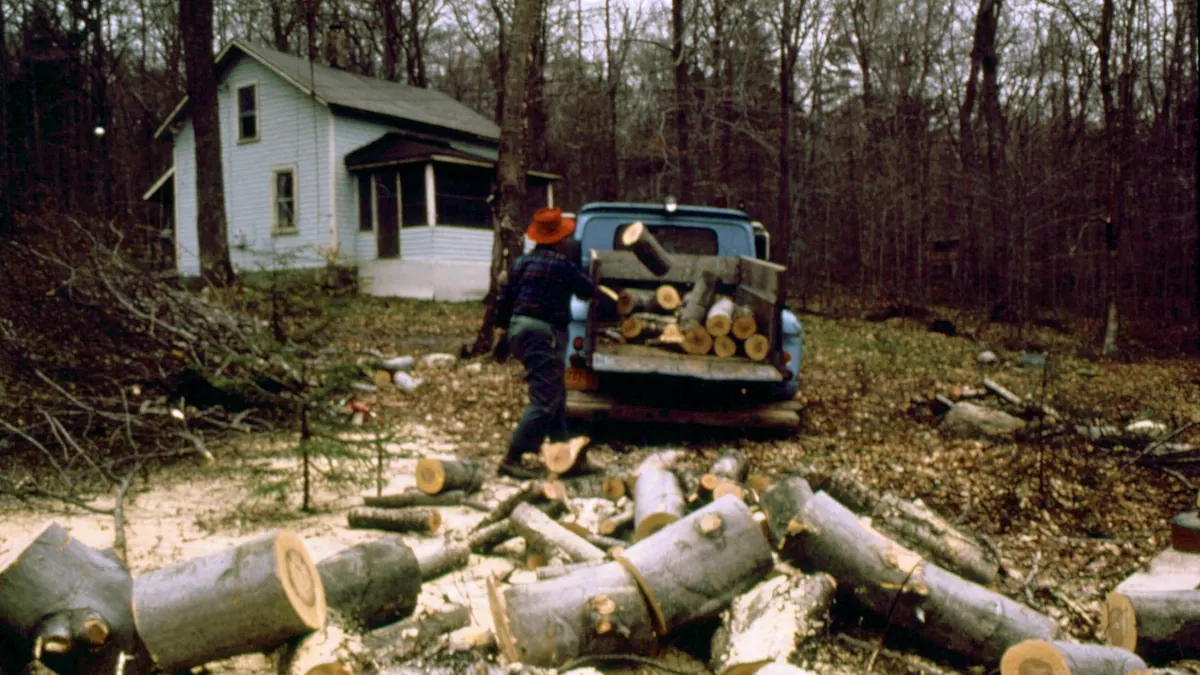
Hardwood — BMP: 8 studies, weighted mean 153 m³ CH₄/t VS
153 m³ CH₄/t VS weighted mean from 8 studies
neutral — editorial rating for biogas plants≈52 %
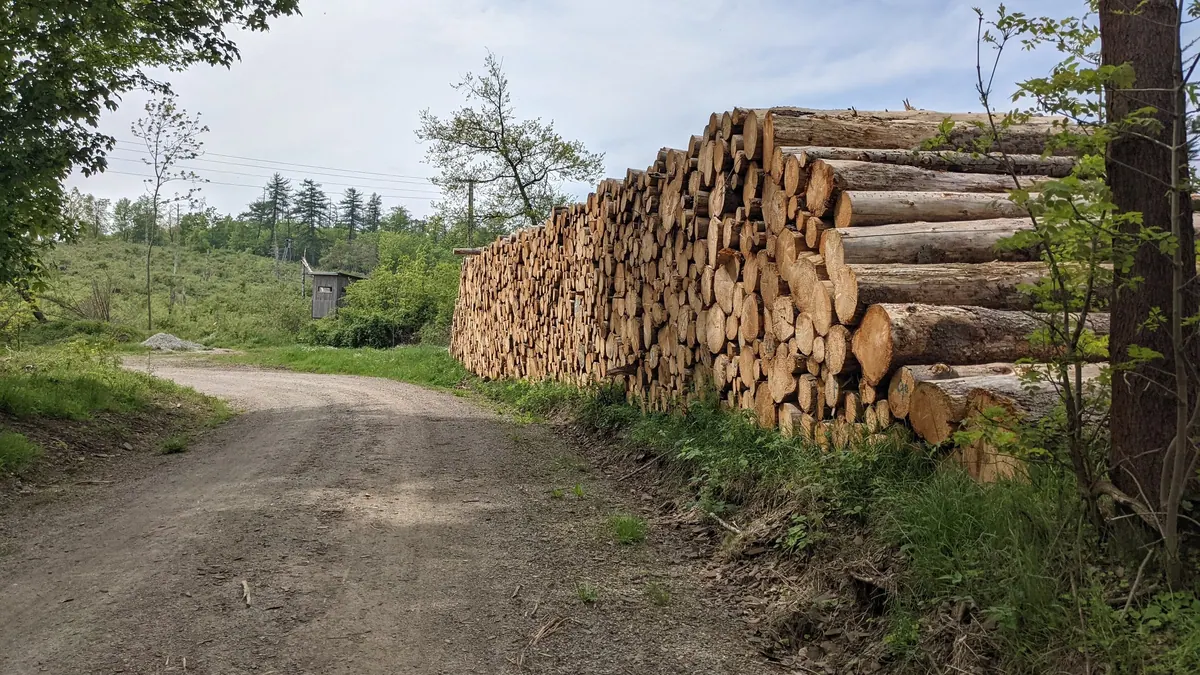
Softwood — BMP: 7 studies, weighted mean 58 m³ CH₄/t VS
58 m³ CH₄/t VS weighted mean from 7 studies
neutral — editorial rating for biogas plants≈52 %