

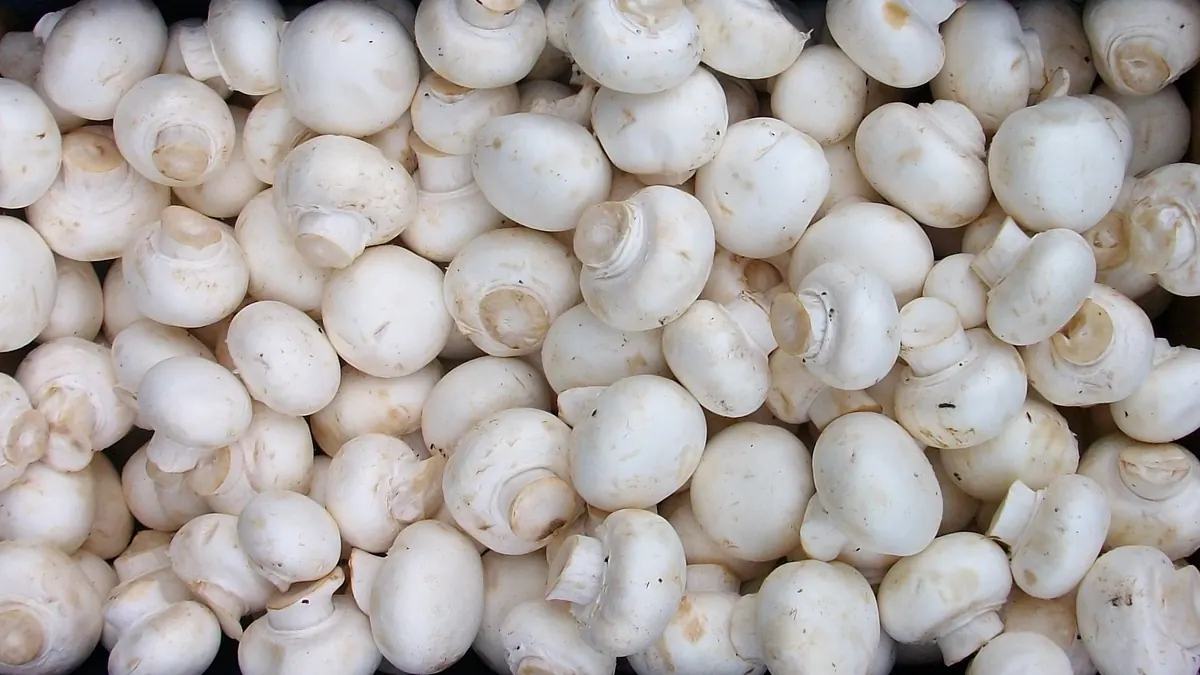
BMP testingFruit, vegetables and their residuessingle study (6 samples)
Mushroom fruiting bodies — BMP: 6 studies, weighted mean 345 m³ CH₄/t VS
Fungal fruiting bodies (slippery jack, milk-caps, fly agarics, brittlegill) are a watery protein material whose methane potential was studied on inedible and waste species.
Photo böhringer friedrich / Wikimedia Commons, licence CC BY-SA 2.5, source file; changes: cropping

- Weighted mean
- 345m³ CH₄/t VS
- Range
- 181–433m³ CH₄/t VS
- Records
- 6single study (6 samples)
- Publications
- 1source
- Temperatures
- 38 °Cof the test
Methane in biogas
Medium methane content · ≈ 5.2 kWh/m³ of biogas
estimate from the substrate type The collected studies contain no measurement. The interval follows from the approximate composition (carbohydrate-dominated (no protein or fat characteristics)) and the yields of compound groups according to FNR.
Rating for biogas plants
not rated — editorial rating for biogas plants
Not rated: no dry matter or volatile solids in the data. We calculate the rating when the dry matter and volatile solids of the material are known.
Add to the co-digestion calculator CSV data
BMP curves from 6 studies
Weighted mean Individual records
Dashed lines are a model curve (first-order kinetics, B(t) = B₀·(1 − e−kt)); the end point comes from the publication. All curves are model curves.
Cumulative methane production over the test [m³ CH₄/t VS]. The thick line is the weighted mean of all records (345); dots mark the end values given in the publications. Point at the chart to read values; click a legend item to hide or show a record.
Records and sources
Download CSV| Source | BMP m³ CH₄/t VS | Temperature | Sample | Curve |
|---|---|---|---|---|
| Dubrovskis et al. (2022) · 1 DOI | 181 | 38 °C · mesophilic | Boletus elegans | end point (model curve) |
| Dubrovskis et al. (2022) · 2 DOI | 301 | 38 °C · mesophilic | Lactarius terminosus | end point (model curve) |
| Dubrovskis et al. (2022) · 3 DOI | 377 | 38 °C · mesophilic | Amanita mappa | end point (model curve) |
| Dubrovskis et al. (2022) · 4 DOI | 385 | 38 °C · mesophilic | Amanita muscaria | end point (model curve) |
| Dubrovskis et al. (2022) · 5 DOI | 391 | 38 °C · mesophilic | Lactarius rufus | end point (model curve) |
| Dubrovskis et al. (2022) · 6 DOI | 433 | 38 °C · mesophilic | Russula paludosa | end point (model curve) |
| Weighted mean | 345 | arithmetic mean 345, SD 91 | ||
Process properties
Low confidence: the description is based on general characteristics of the substrate group, not on studies of this material. Treat it as a hint to be verified.
No published process studies
The literature we use does not describe the advantages or drawbacks of digesting this substrate beyond the BMP test results. Below are process characteristics assigned on the basis of the type of material — an editorial classification, not a study result.
- seasonal
- seasonal availability — requires storage
- poor in trace elements
- poor in trace elements — mono-digestion requires supplementation
- variable composition
- high variability of composition between batches
Co-digestion — what to combine it with, what to watch out for
- combines well
substrates: nitrogen-rich — e.g. Pig slurry, Poultry manure, Waste activated sludge (secondary sludge), Chlorella vulgaris, Nannochloropsis salina
A nitrogen-rich co-substrate balances the low C/N of fruit and vegetable waste (Bouallagui et al. 2009).[1]
Dosing
No source limits on the dose for this substrate.
Sources of the process data
- Improvement of fruit and vegetable waste anaerobic digestion performance and stability with co-substrates addition
- Biogas production from Latvian forest mushrooms
- Effects of size and thermophilic pre-hydrolysis of banana peel during anaerobic digestion, and biomethanation potential of key tropical fruit wastes
- Effect of particle size on biogas generation from biomass residues
The co-digestion calculator will assess a specific mixture containing this substrate.
What it is and where it comes from
The dataset describes the fruiting bodies of macromycete fungi: slippery jack, milk-caps, fly agarics and brittlegill. These are forest species, including inedible or poisonous ones, which are studied as potential biomass of a waste or unused character. They should not be confused with waste from the production of button mushrooms and oyster mushrooms, i.e. spent substrate and rejected fruiting bodies, which form a separate stream. The availability of the material discussed is small and strongly seasonal, linked to the autumn flush of mushrooms.
Properties relevant to digestion
The fruiting bodies contain a lot of water, and in the dry matter protein, cellular polysaccharides (including chitin and glucans) and small amounts of fat and sugars, such as trehalose and mannitol, predominate. Lignin is practically absent. A high protein content lowers the C/N ratio, so with a larger share in the feed the risk of ammonia release rises. Chitin is degraded more slowly than protein. The material quickly spoils and undergoes autolysis, and poisonous species may require particular caution in handling. Their toxins are not regarded as a significant inhibitor of digestion, but knowledge in this area is limited.
How to read the spread of results
The dataset contains several records from a single source, each for a different species, all under mesophilic conditions at 38 °C. Differences between the species are moderate and reflect differences in composition, but a single source does not allow variability between laboratories or between batches to be assessed. The results are affected by the species, the maturity of the fruiting bodies, moisture content, the method of sample preparation (fresh, frozen, dried), size reduction and the inoculum.
In biogas plant practice
The fruiting bodies of forest fungi are not an organised substrate stream, so the practical significance is small. If a batch becomes available (for example from rejects at a buying station), it should be size-reduced and dosed in a small share together with material of high C/N, controlling ammonia. Storage is inadvisable because of rapid spoilage. Waste fungi from commercial production are subject to the waste regulations, and prior identification of the species and occupational safety must be ensured for material containing poisonous fungi.
For comparison, seasonal surpluses of forest fungi can be treated in a similar way to other watery protein materials, bearing in mind that their energy value per tonne of fresh matter is small, and the organisation of collection and transport usually outweighs the benefits from biogas.
Methodology in brief
BMP is the amount of methane obtained from volatile solids (VS) in a batch test, given in m³ CH₄ per tonne of VS (numerically the same as NmL CH₄/g VS in the publications) and converted to normal conditions (0 °C, 101.325 kPa). The weighted mean gives each publication a total weight of 1, split equally between its results for the substrate — a paper testing twenty varieties does not outweigh a paper with a single sample. In inter-laboratory programmes the unit is the laboratory (total weight 1), and within it the weight of a test grows with the number of bottles (replicates). Results after pretreatment (e.g. thermal, chemical, enzymatic) are shown separately and are not included in the mean.
Solid lines are curves measured in the tests. Where a publication gives only the final result, we draw a first-order kinetic model, B(t) = B₀·(1 − e−kt): only the end point comes from the publication, and the shape of the curve serves purely as visualisation — do not read the production on a particular day from it. For this substrate k = 0.245 d−1 was assumed (median of rate constants k reported in the sources and/or fitted to the mean measured curves).
The statistics describe the spread of published results — a descriptive compilation, not a meta-analysis or a guarantee of plant yield.
Bibliography
- Dubrovskis, V.; Plume, I.; Dubrovskis, D. (2022). Biogas production from Latvian forest mushrooms. Engineering for Rural Development 21. DOI: 10.22616/erdev.2022.21.tf019 DOI
All sources of the site: bibliography.
Other substrates in the group “Fruit, vegetables and their residues”
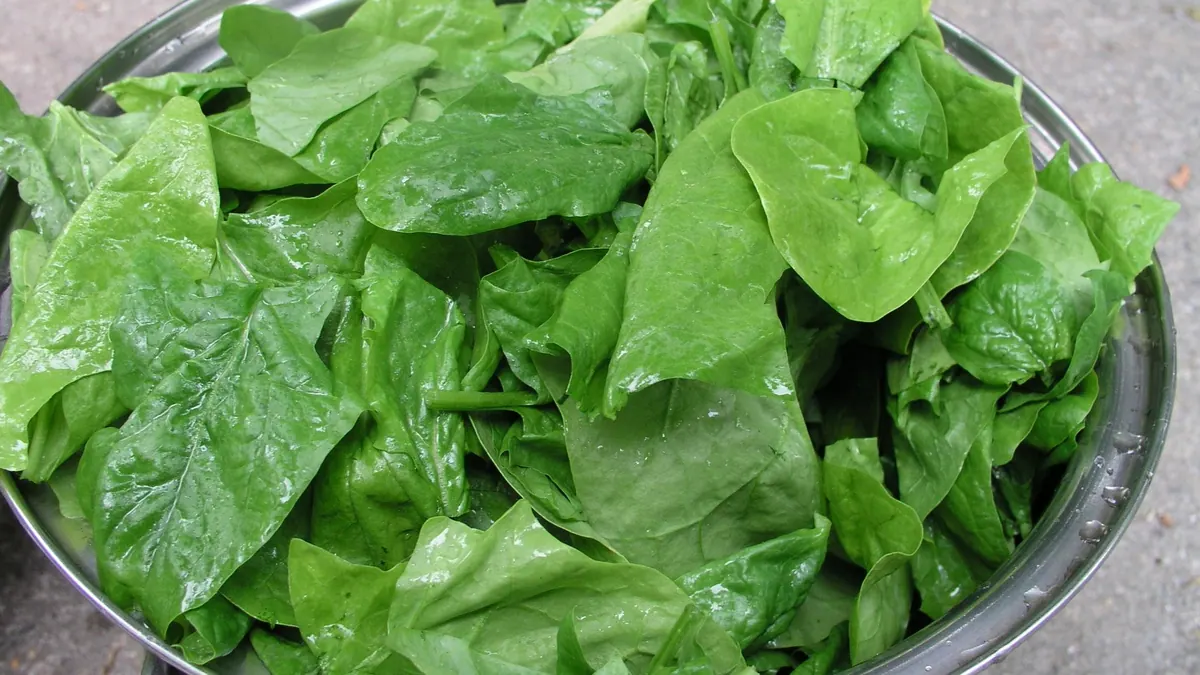
Spinach — BMP: 2 studies, weighted mean 227 m³ CH₄/t VS
227 m³ CH₄/t VS weighted mean from 2 studies
≈58 %
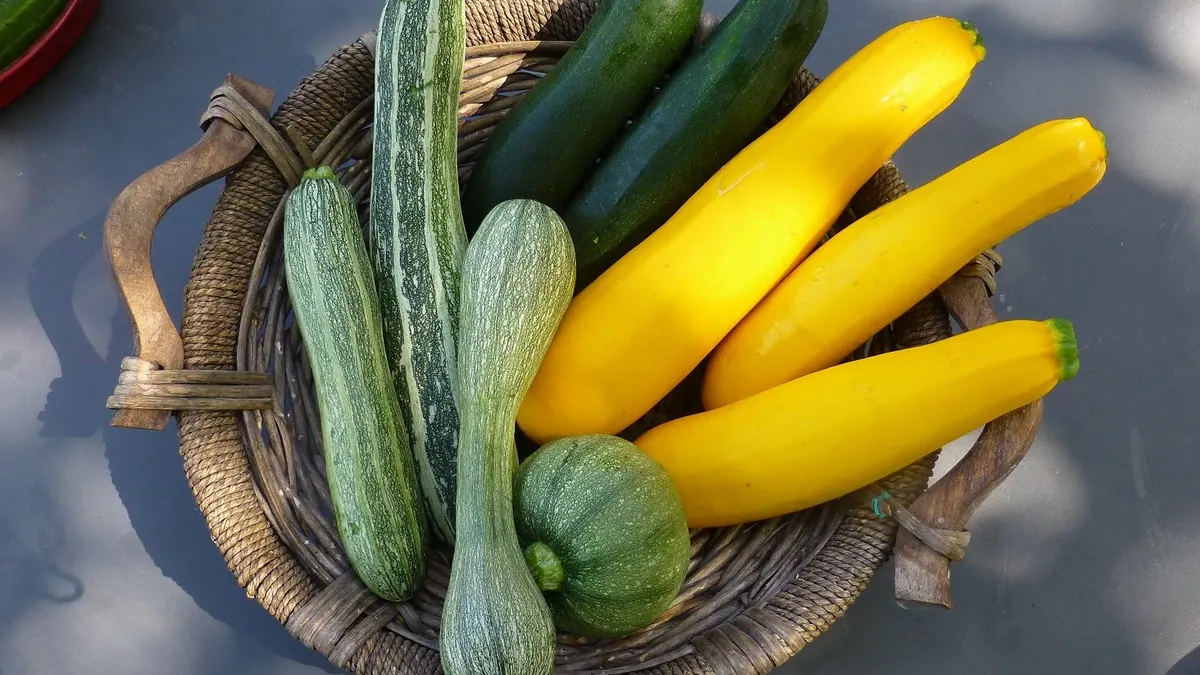
Zucchini and vegetable marrow — BMP: 4 studies, weighted mean 309 m³ CH₄/t VS
309 m³ CH₄/t VS weighted mean from 4 studies
≈52 %
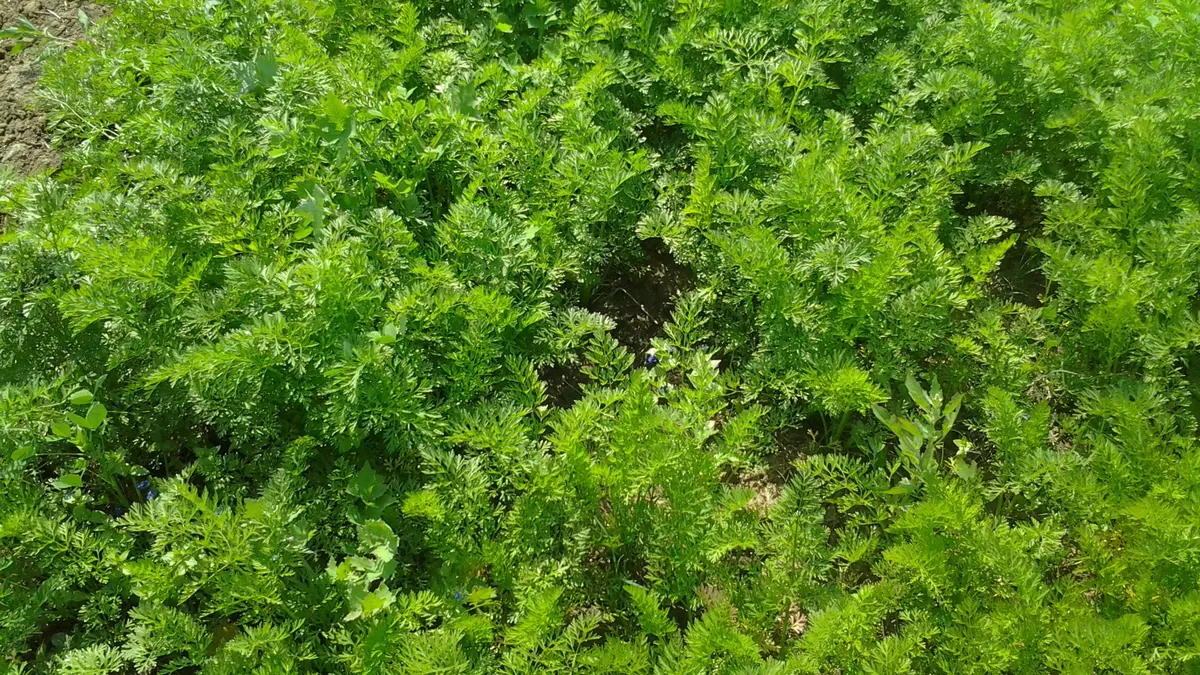
Carrot tops (leaves and petioles) — BMP: 2 studies, weighted mean 275 m³ CH₄/t VS
275 m³ CH₄/t VS weighted mean from 2 studies
≈52 %
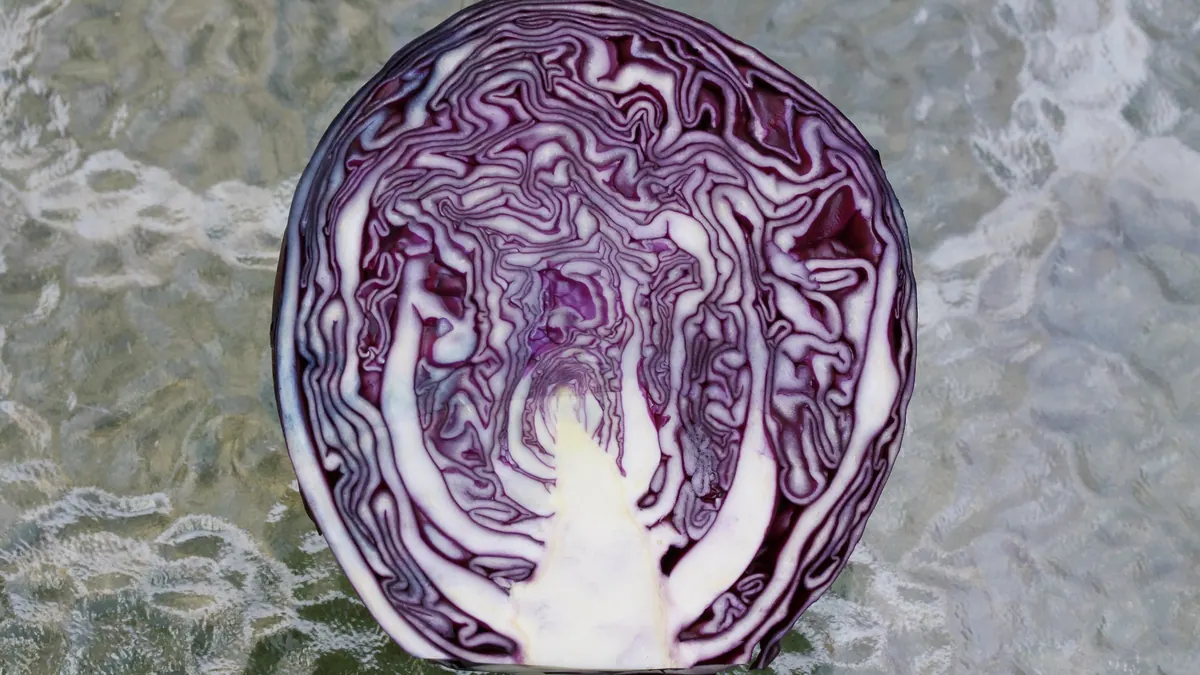
Head cabbage — BMP: 4 studies, weighted mean 260 m³ CH₄/t VS
260 m³ CH₄/t VS weighted mean from 4 studies
≈56 %