

BMP testingFruit, vegetables and their residues
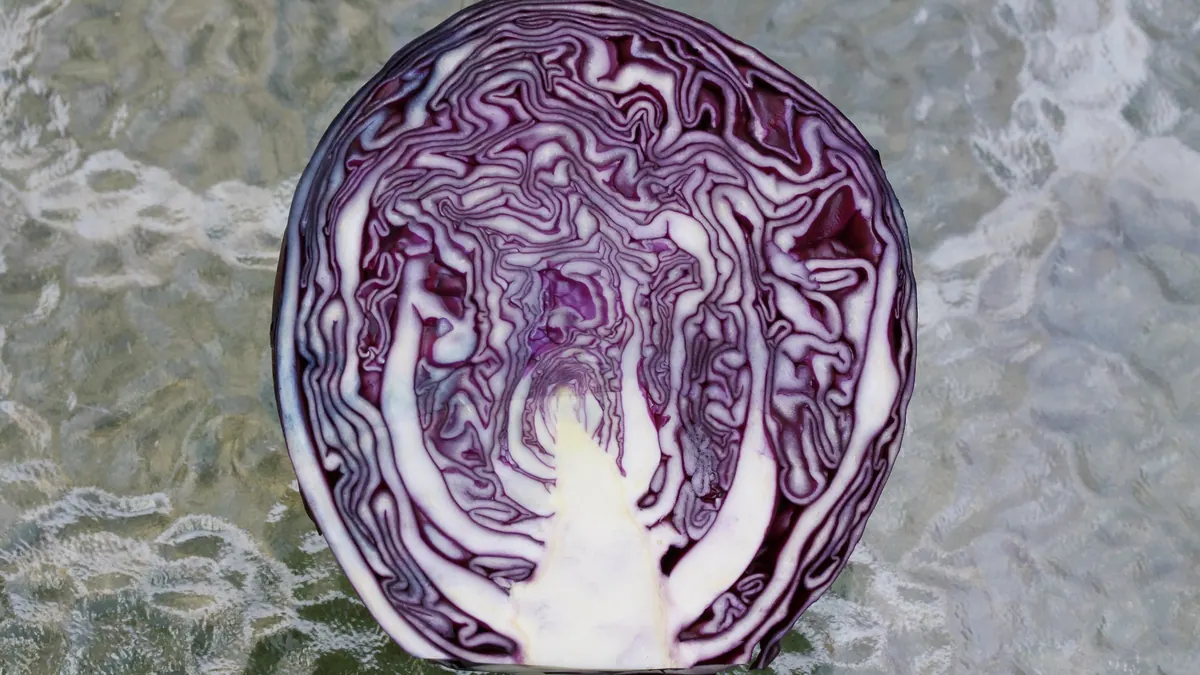
Head cabbage — BMP: 4 studies, weighted mean 260 m³ CH₄/t VS
Head cabbage (white and red) is a watery brassica vegetable, readily fermentable; it requires size reduction and control of the H₂S concentration in the biogas.
Photo Elrond / Wikimedia Commons, licence CC BY-SA 4.0, source file; changes: cropping

- Weighted mean
- 260m³ CH₄/t VS
- Range
- 204–305m³ CH₄/t VS
- Records
- 4studies
- Publications
- 3sources
- Temperatures
- 35 °Cof the test
Methane in biogas
Medium methane content · ≈ 5.6 kWh/m³ of biogas
estimate from the substrate type The collected studies contain no measurement. The interval follows from the approximate composition (protein from total nitrogen (N 4 % DM × 6.25)) and the yields of compound groups according to FNR.
Rating for biogas plants
not rated — editorial rating for biogas plants
Not rated: no dry matter or volatile solids in the data. We calculate the rating when the dry matter and volatile solids of the material are known.
Add to the co-digestion calculator CSV data
BMP curves from 4 studies
Weighted mean Individual records
Dashed lines are a model curve (first-order kinetics, B(t) = B₀·(1 − e−kt)); the end point comes from the publication. All curves are model curves.
Cumulative methane production over the test [m³ CH₄/t VS]. The thick line is the weighted mean of all records (260); dots mark the end values given in the publications. Point at the chart to read values; click a legend item to hide or show a record.
Records and sources
Download CSV| Source | BMP m³ CH₄/t VS | Temperature | Sample | Curve |
|---|---|---|---|---|
| Yan et al. (2017) · 1 DOI | 204 | — | Cabbage (Brassica oleracea var. Capitata) | end point (model curve) |
| Yan et al. (2017) · 2 DOI | 233 | — | Purple cabbage (Brassica campestris var. Purpuraria) | end point (model curve) |
| Kouas et al. (2017) DOI | 305 | 35 °C · mesophilic | green cabbage | end point (model curve) |
| Labatut et al. (2011) DOI | 256 | 35 °C · mesophilic | Cabbage | end point (model curve) |
| Weighted mean | 260 | arithmetic mean 250, SD 43 | ||
Typical composition
- Volatile solids (VS)
- 91.3 % DM (range 90.2–92)
- Nitrogen
- 4 % DM
- C/N ratio
- 10.2
Median and range of the determinations reported in the publications behind this substrate's BMP records (read from: BCBPD, MY-D); dry matter: 0 determinations, volatile solids: 3 determinations. C/N was calculated as the ratio of C and N content (% DM) from the same source. No DM in the sources – the calculator has to ask for a value.
Sources: Yan et al. (2017); Labatut et al. (2011).
The composition of the raw material varies between batches — for plant calculations use an analysis of your own sample. The calculator inserts typical values automatically.
Process properties
Low confidence: the description is based on general characteristics of the substrate group, not on studies of this material. Treat it as a hint to be verified.
No published process studies
The literature we use does not describe the advantages or drawbacks of digesting this substrate beyond the BMP test results. Below are process characteristics assigned on the basis of the type of material — an editorial classification, not a study result.
- easily degradable
- sugars, starch, glycerol → fast hydrolysis and acidification (VFA), needs buffering
- acidic
- low pH of the substrate (silages, stillage, whey, fruit)
- dilutes the feed (low DM)
- low dry matter, dilutes the feed
- seasonal
- seasonal availability — requires storage
- variable composition
- high variability of composition between batches
Co-digestion — what to combine it with, what to watch out for
- combines well
substrates: nitrogen-rich — e.g. Pig slurry, Poultry manure, Waste activated sludge (secondary sludge), Chlorella vulgaris, Nannochloropsis salina
A nitrogen-rich co-substrate balances the low C/N of fruit and vegetable waste (Bouallagui et al. 2009).[1]
Dosing
No source limits on the dose for this substrate.
Introduce gradually, starting with a small dose and monitoring the process (e.g. FOS/TAC, pH, gas composition).
Sources of the process data
- Improvement of fruit and vegetable waste anaerobic digestion performance and stability with co-substrates addition
- Study on biomethane production and biodegradability of different leafy vegetables in anaerobic digestion
- Robust assessment of both biochemical methane potential and degradation kinetics of solid residues in successive batches
- Biochemical methane potential and biodegradability of complex organic substrates
- Effects of size and thermophilic pre-hydrolysis of banana peel during anaerobic digestion, and biomethanation potential of key tropical fruit wastes
- Effect of particle size on biogas generation from biomass residues
The co-digestion calculator will assess a specific mixture containing this substrate.
What it is and where it comes from
Head cabbage (Brassica oleracea var. capitata) is one of the basic vegetables grown in Poland, and its waste arises in processing plants (sauerkraut, freezing, salads), on markets and with surplus production. This description concerns heads, white and red. Outer leaves and cores are described separately as waste from cleaning the heads.
Properties relevant to digestion
Cabbage contains a lot of water, and the dry matter is rich in soluble sugars, pectins, hemicellulose and protein, with a low lignin content. As a result the material hydrolyses quickly, which at high dosing can lead to temporary acidification. A phenomenon typical of brassicas is the presence of glucosinolates and sulphur compounds, from which hydrogen sulphide arises. Sauerkraut additionally contains lactic acid and salt, which should be taken into account if the waste comes from fermented products. Otherwise the material does not create major mechanical problems after size reduction.
How to read the spread of results
The dataset contains several records from several sources, covering white cabbage, red cabbage and green cabbage. The varieties differ in dry matter and sugar content, and in addition the result depends on the stage of maturity, storage time, size reduction and whether the sample was fresh or frozen. Some studies do not state the test temperature, the others indicate mesophilic conditions. The inoculum and the substrate-to-inoculum ratio also affect the result, particularly for material of rapid hydrolysis.
In biogas plant practice
Cabbage works as a seasonal supplement to the feed together with slurry and silage. The heads must be size-reduced, and the dose set carefully because of volatile acids and hydrogen sulphide. The installation should have effective desulphurisation. Storage in warm conditions is not advisable, because the material quickly spoils and gives off odours; in the case of surpluses, ensiling is considered. Waste from vegetable processing and trade is waste and requires the appropriate legal status of the installation.
When planning deliveries, it is worth taking into account that cabbage from storage, previously chilled or partly spoiled, has a different content of sugars and acids from fresh cabbage, and its waste is often strongly contaminated with juices, which further accelerates acidification of the feed.
Methodology in brief
BMP is the amount of methane obtained from volatile solids (VS) in a batch test, given in m³ CH₄ per tonne of VS (numerically the same as NmL CH₄/g VS in the publications) and converted to normal conditions (0 °C, 101.325 kPa). The weighted mean gives each publication a total weight of 1, split equally between its results for the substrate — a paper testing twenty varieties does not outweigh a paper with a single sample. In inter-laboratory programmes the unit is the laboratory (total weight 1), and within it the weight of a test grows with the number of bottles (replicates). Results after pretreatment (e.g. thermal, chemical, enzymatic) are shown separately and are not included in the mean.
Solid lines are curves measured in the tests. Where a publication gives only the final result, we draw a first-order kinetic model, B(t) = B₀·(1 − e−kt): only the end point comes from the publication, and the shape of the curve serves purely as visualisation — do not read the production on a particular day from it. For this substrate k = 0.245 d−1 was assumed (median of rate constants k reported in the sources and/or fitted to the mean measured curves).
The statistics describe the spread of published results — a descriptive compilation, not a meta-analysis or a guarantee of plant yield.
Bibliography
- Yan, H.; Zhao, C.; Zhang, J.; Zhang, R.; Xue, C.; Liu, G.; Chen, C. (2017). Study on biomethane production and biodegradability of different leafy vegetables in anaerobic digestion. AMB Express 7(1), 27. DOI: 10.1186/s13568-017-0325-1 DOI
- Kouas, M.; Torrijos, M.; Sousbie, P.; Steyer, J.P.; Sayadi, S.; Harmand, J. (2017). Robust assessment of both biochemical methane potential and degradation kinetics of solid residues in successive batches. Waste Management 70, 59–70. DOI: 10.1016/j.wasman.2017.09.001 DOI
- Labatut, R.A.; Angenent, L.T.; Scott, N.R. (2011). Biochemical methane potential and biodegradability of complex organic substrates. Bioresource Technology 102(3), 2255–2264. DOI: 10.1016/j.biortech.2010.10.035 DOI
All sources of the site: bibliography.
Other substrates in the group “Fruit, vegetables and their residues”
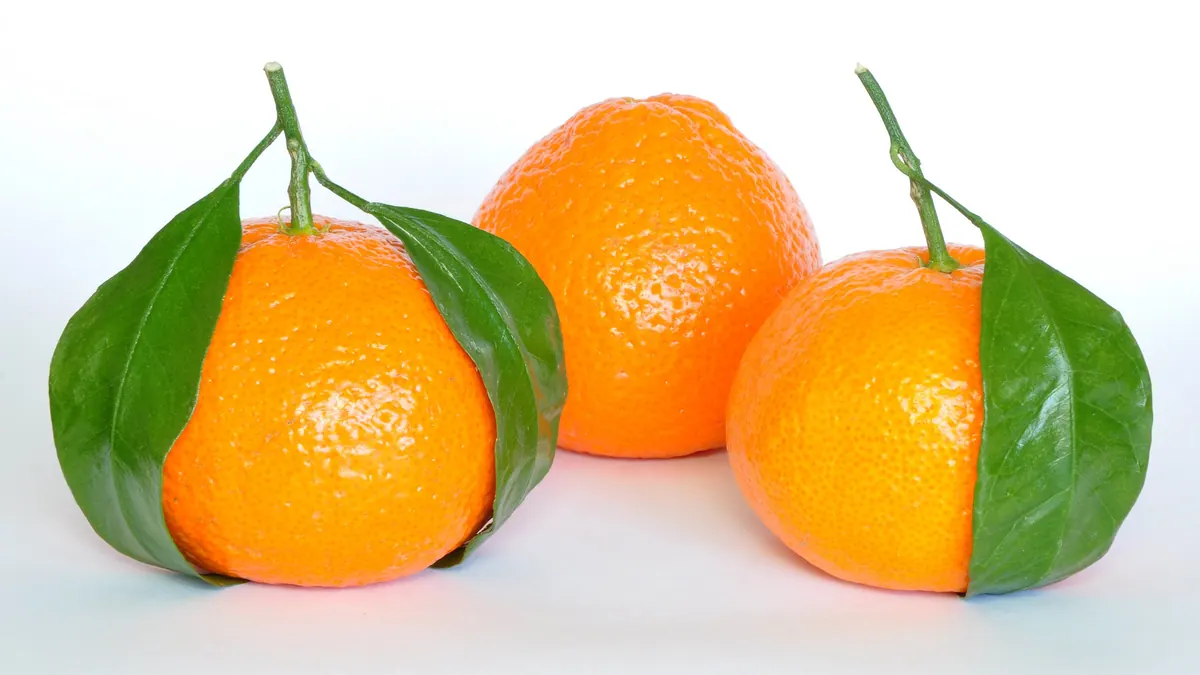
Citrus fruit (whole, pulp) — BMP: 5 studies, weighted mean 353 m³ CH₄/t VS
353 m³ CH₄/t VS weighted mean from 5 studies
neutral — editorial rating for biogas plants≈52 %
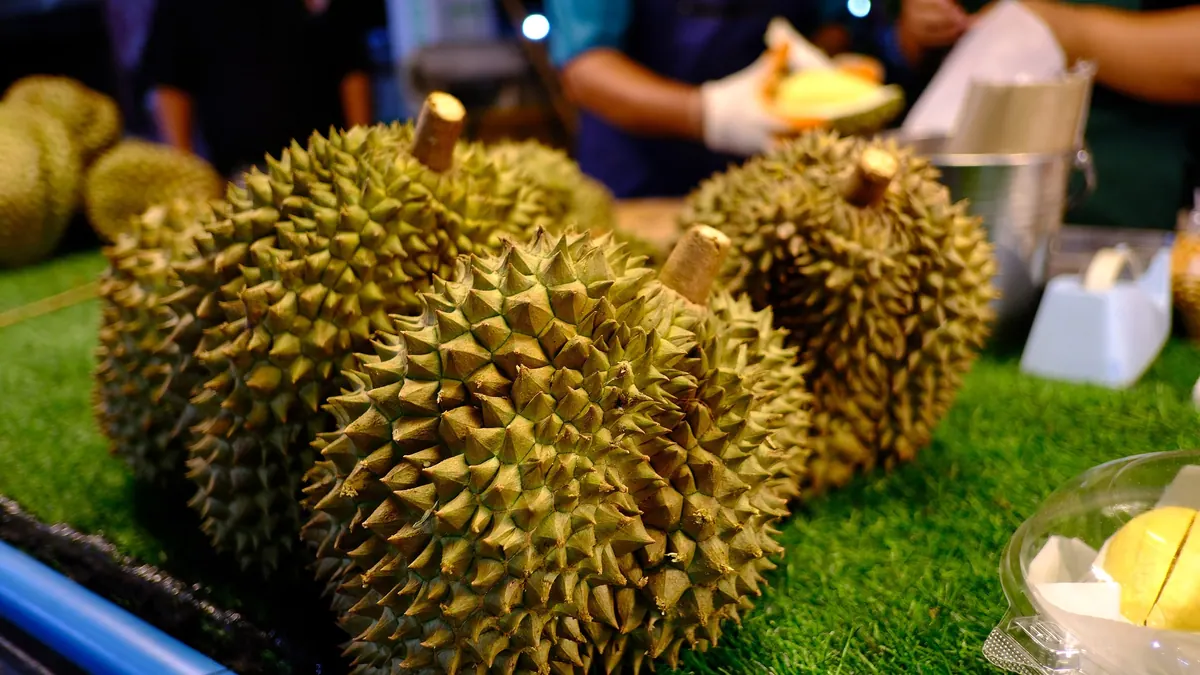
Durian shells — BMP: 2 studies, weighted mean 93 m³ CH₄/t VS
93 m³ CH₄/t VS weighted mean from 2 studies
≈52 %
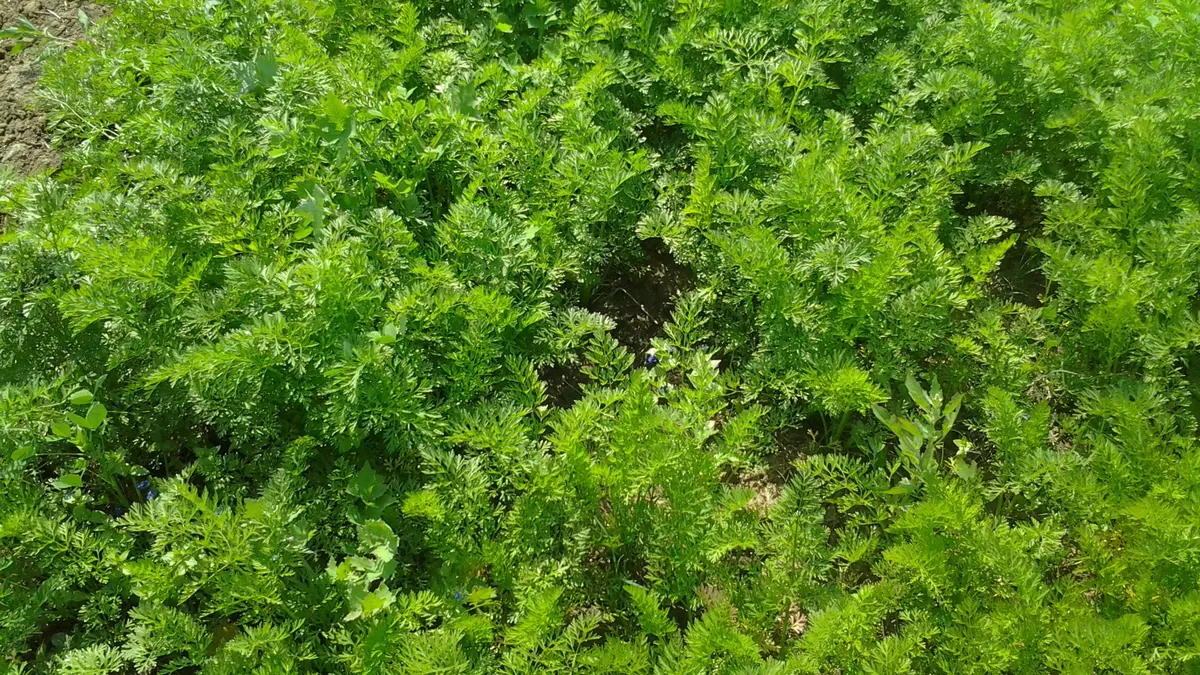
Carrot tops (leaves and petioles) — BMP: 2 studies, weighted mean 275 m³ CH₄/t VS
275 m³ CH₄/t VS weighted mean from 2 studies
≈52 %
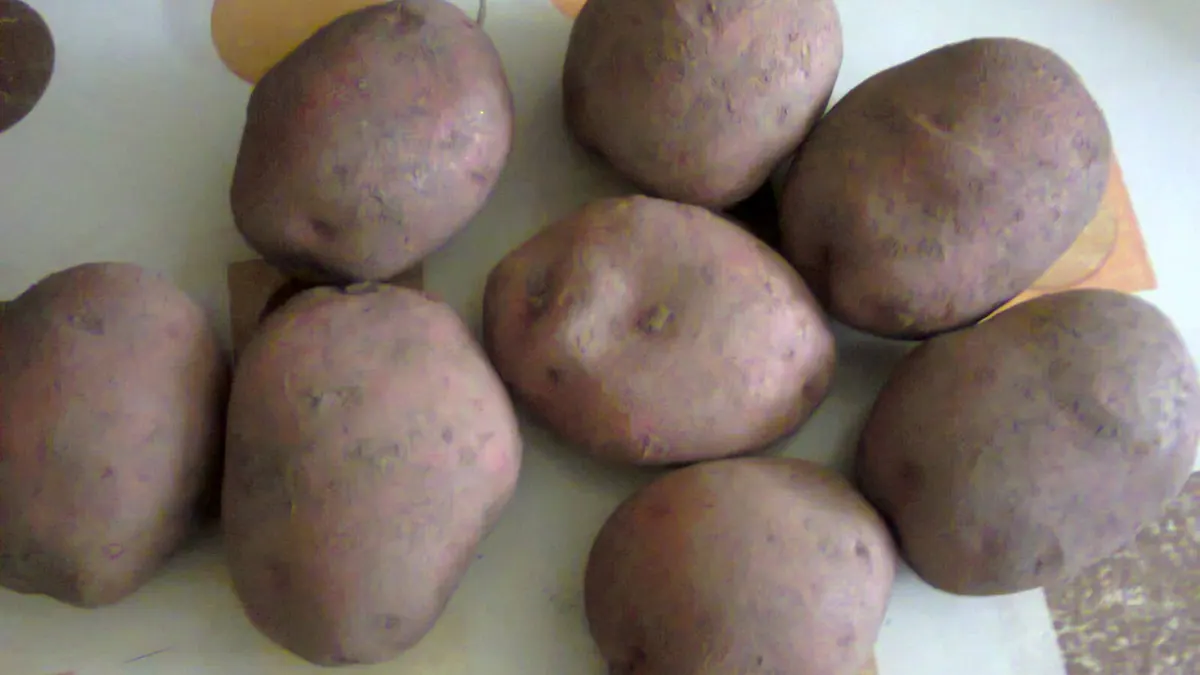
Potatoes (tubers) — BMP: 5 studies, weighted mean 376 m³ CH₄/t VS
376 m³ CH₄/t VS weighted mean from 5 studies
≈53 %