

BMP testingFruit, vegetables and their residues
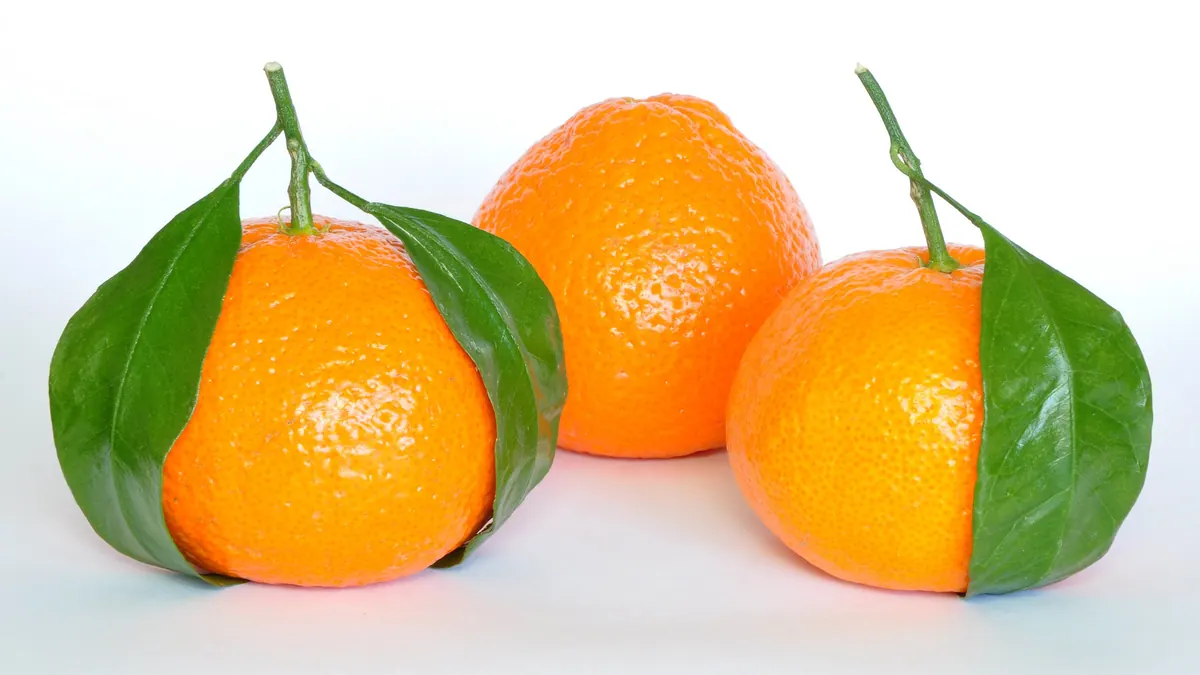
Citrus fruit (whole, pulp) — BMP: 5 studies, weighted mean 353 m³ CH₄/t VS
Citrus fruit (whole, pulp) is a sugary waste from juicing and trade, in which essential oils and acidity require the share in the feed to be limited.
rating: neutralCH₄ ≈ 52 % (estimate)
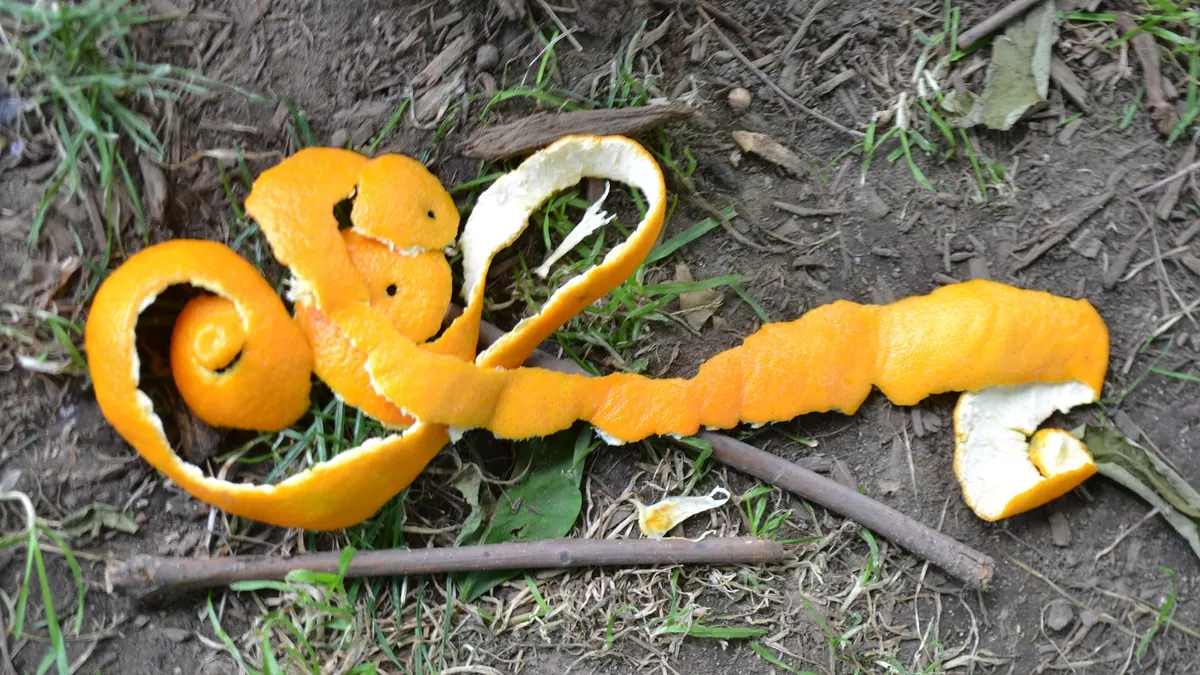
Photo Joe Ravi / Wikimedia Commons, licence CC BY-SA 3.0, source file; changes: cropping

- Weighted mean
- 353m³ CH₄/t VS
- Range
- 288–494m³ CH₄/t VS
- Records
- 5studies
- Publications
- 4sources
- Temperatures
- 35 °C, 55 °Cof the test
Methane in biogas
Medium methane content · ≈ 5.2 kWh/m³ of biogas
estimate from the substrate type The collected studies contain no measurement. The interval follows from the approximate composition (carbohydrate-dominated (no protein or fat characteristics)) and the yields of compound groups according to FNR.
Rating for biogas plants
neutral — editorial rating for biogas plantsNo clear advantages — worth charging a fee for accepting it
Potential per tonne of fresh matter: moderate (28 m³ CH₄/t); process risk: inhibitors, acidification. No additional handling requirements.
Why? Rating factors
Potential per tonne +1
- +1potential 28 m³ CH₄/t fresh matter (BMP 353 × DM 8.8 % × VS 89 %)
Process stability −1.5
- −1inhibitors: natural or residues (e.g. limonene, polyphenols, antibiotics, metals)
- −0.5acidification: rapid degradation / acidic pH, risk of VFA accumulation, needs buffering
Handling and costs 0
- 0no factors
Total points: −0.5 · thresholds: ≥ 2.5 very good, ≥ 1 good, below — neutral; negative with cumulative process risk.
Add to the co-digestion calculator CSV data
BMP curves from 5 studies
Weighted mean Individual records
Dashed lines are a model curve (first-order kinetics, B(t) = B₀·(1 − e−kt)); the end point comes from the publication. All curves are model curves.
Cumulative methane production over the test [m³ CH₄/t VS]. The thick line is the weighted mean of all records (353); dots mark the end values given in the publications. Point at the chart to read values; click a legend item to hide or show a record.
Records and sources
Download CSV| Source | BMP m³ CH₄/t VS | Temperature | Sample | Curve |
|---|---|---|---|---|
| Buffiere et al. (2006) DOI | 297 | 55 °C · thermophilic | Orange | end point (model curve) |
| Gunaseelan (2004) DOI | 494 | 35 °C · mesophilic | Mandarin whole rotten fruit | end point (model curve) |
| Kouas et al. (2017) DOI | 320 | 35 °C · mesophilic | orange | end point (model curve) |
| Sanjaya et al. (2016) · 1 DOI | 288 | 35 °C · mesophilic | Fresh ripe orange pulp | end point (model curve) |
| Sanjaya et al. (2016) · 2 DOI | 312 | 35 °C · mesophilic | Rooten orange pulp | end point (model curve) |
| Weighted mean | 353 | arithmetic mean 342, SD 86 | ||
Typical composition
- Dry matter (DM)
- 8.8% (range 7.6–9.9)
- Volatile solids (VS)
- 89 % DM (range 89–89)
Median and range of the determinations reported in the publications behind this substrate's BMP records (read from: MY-D); dry matter: 2 determinations, volatile solids: 1 determination.
Sources: Gunaseelan (2004); Sanjaya et al. (2016).
The composition of the raw material varies between batches — for plant calculations use an analysis of your own sample. The calculator inserts typical values automatically.
Process properties
Advantages
- Methane yield in the compendium: median 312 (range 288–494) m³ CH₄/t VS, 5 records from 4 papers (weighted mean 353).
- Strategies for removing the inhibitory limonene (extraction, fungal pretreatment) are described in the literature (Ruiz and Flotats (2014))
Drawbacks and risks
- Citrus essential oils may inhibit digestion; divergent values have been reported for the limonene threshold dose (24–192 mg oil/l reactor·d) (Ruiz and Flotats (2014))
- Limonene is an antimicrobial agent that hinders biogas production from orange peel (Wikandari et al. (2015))
Co-digestion — what to combine it with, what to watch out for
- caution
substrates: contains inhibitors — e.g. Pulp and paper mill biosludge, Spent coffee grounds, Sargassum biomass, Pig slurry, Municipal sewage sludge (mixed)
Citrus limonene is described as an inhibitor; according to the review by Chen et al., inhibitors (ammonia, sulphides, metal ions, organic compounds) are the main cause of digestion failures, so accumulation with other substrates carrying this tag should be monitored.[1][2]
Dosing
Review by Ruiz and Flotats (2014): for a stable process the limonene threshold dose was reported inconsistently, in the range of 24–192 mg citrus oil per litre of reactor per day. This is a dose of oil, not a mass share of the substrate, so max_share remains empty.
Introduce gradually, starting with a small dose and monitoring the process (e.g. FOS/TAC, pH, gas composition).
Practical requirements
- Remove or recover limonene before digestion (extraction, fungal pretreatment); hexane leaching increased production more than threefold, but residual hexane reduced methane production by 28.6% (Ruiz and Flotats (2014); Wikandari et al. (2015))
- Adding biochar shortened the lag phase of citrus peel (7.5–9.4 days depending on the proportion) (Fagbohungbe et al. (2016))
Sources of the process data
- Citrus essential oils and their influence on the anaerobic digestion process: an overview
- Inhibition of anaerobic digestion process: A review
- Towards new indicators for the prediction of solid waste anaerobic digestion properties
- Biochemical methane potential of fruits and vegetable solid waste feedstocks
- Robust assessment of both biochemical methane potential and degradation kinetics of solid residues in successive batches
- Mesophilic batch anaerobic digestion from fruit fragments
- Improvement of Biogas Production from Orange Peel Waste by Leaching of Limonene
- Impact of biochar on the anaerobic digestion of citrus peel waste
The co-digestion calculator will assess a specific mixture containing this substrate.
What it is and where it comes from
Citrus fruit is not grown in Poland on a commercial scale, but it is widely imported, and waste fruit arises at wholesalers, retail chains and juice plants. This description concerns whole fruit or its pulp, without separating the peel and pomace, which have separate entries. From the biogas plant perspective, these are mainly spoiled or surplus batches of fruit.
Properties relevant to digestion
Pulp and juices contain simple sugars, citric acid, pectins and small amounts of protein and fats. The lignin content is low, apart from membranes and seeds. The acidity of the fruit causes a rapid drop in the pH of the feed, which in the absence of a buffer threatens to inhibit methanogenesis. A further risk is the essential oils from the peel, mainly limonene, which have an antimicrobial effect and can lower the yield when the share of whole citrus fruit (with peel) is high. The material readily undergoes spontaneous fermentation and moulding during storage.
How to read the spread of results
The dataset contains several records from several sources: oranges, mandarins, fresh pulp and pulp from spoiled fruit, including one result under thermophilic conditions, the rest mesophilic. The result depends strongly on whether the sample included the peel, because the peel contributes oils and changes the character of the material. Further sources of variability are the species and variety, maturity, the condition of the fruit (fresh or spoiled), size reduction and the inoculum. For a material of high acidity the substrate-to-inoculum ratio is also important.
In biogas plant practice
Citrus fruit is best introduced at a small share in a mixture with slurry or sludge, which provide buffering capacity. Peels and pulp are size-reduced before dosing. Plants in which citrus fruit appears relatively often should monitor pH and volatile acids. Longer storage is not advisable. Waste from fruit processing and trade is waste, so its acceptance requires authorisations arising from the plant's permit.
In some results it is difficult to separate the effect of the pulp from that of the peel, so when planning the dose it is safer to assume that a batch of whole citrus fruit behaves worse than the pulp alone, and to set limits on the share on the basis of observed digester performance.
Methodology in brief
BMP is the amount of methane obtained from volatile solids (VS) in a batch test, given in m³ CH₄ per tonne of VS (numerically the same as NmL CH₄/g VS in the publications) and converted to normal conditions (0 °C, 101.325 kPa). The weighted mean gives each publication a total weight of 1, split equally between its results for the substrate — a paper testing twenty varieties does not outweigh a paper with a single sample. In inter-laboratory programmes the unit is the laboratory (total weight 1), and within it the weight of a test grows with the number of bottles (replicates). Results after pretreatment (e.g. thermal, chemical, enzymatic) are shown separately and are not included in the mean.
Solid lines are curves measured in the tests. Where a publication gives only the final result, we draw a first-order kinetic model, B(t) = B₀·(1 − e−kt): only the end point comes from the publication, and the shape of the curve serves purely as visualisation — do not read the production on a particular day from it. For this substrate k = 0.245 d−1 was assumed (median of rate constants k reported in the sources and/or fitted to the mean measured curves).
The statistics describe the spread of published results — a descriptive compilation, not a meta-analysis or a guarantee of plant yield.
Bibliography
- Buffiere, P.; Loisel, D.; Bernet, N.; Delgenes, J.P. (2006). Towards new indicators for the prediction of solid waste anaerobic digestion properties. Water Science and Technology 53(8), 233–241. DOI: 10.2166/wst.2006.254 DOI
- Gunaseelan, V. (2004). Biochemical methane potential of fruits and vegetable solid waste feedstocks. Biomass and Bioenergy 26(4), 389–399. DOI: 10.1016/j.biombioe.2003.08.006 DOI
- Kouas, M.; Torrijos, M.; Sousbie, P.; Steyer, J.P.; Sayadi, S.; Harmand, J. (2017). Robust assessment of both biochemical methane potential and degradation kinetics of solid residues in successive batches. Waste Management 70, 59–70. DOI: 10.1016/j.wasman.2017.09.001 DOI
- Sanjaya, A.P.; Cahyanto, M.N.; Millati, R. (2016). Mesophilic batch anaerobic digestion from fruit fragments. Renewable Energy 98, 135–141. DOI: 10.1016/j.renene.2016.02.059 DOI
All sources of the site: bibliography.
Other substrates in the group “Fruit, vegetables and their residues”
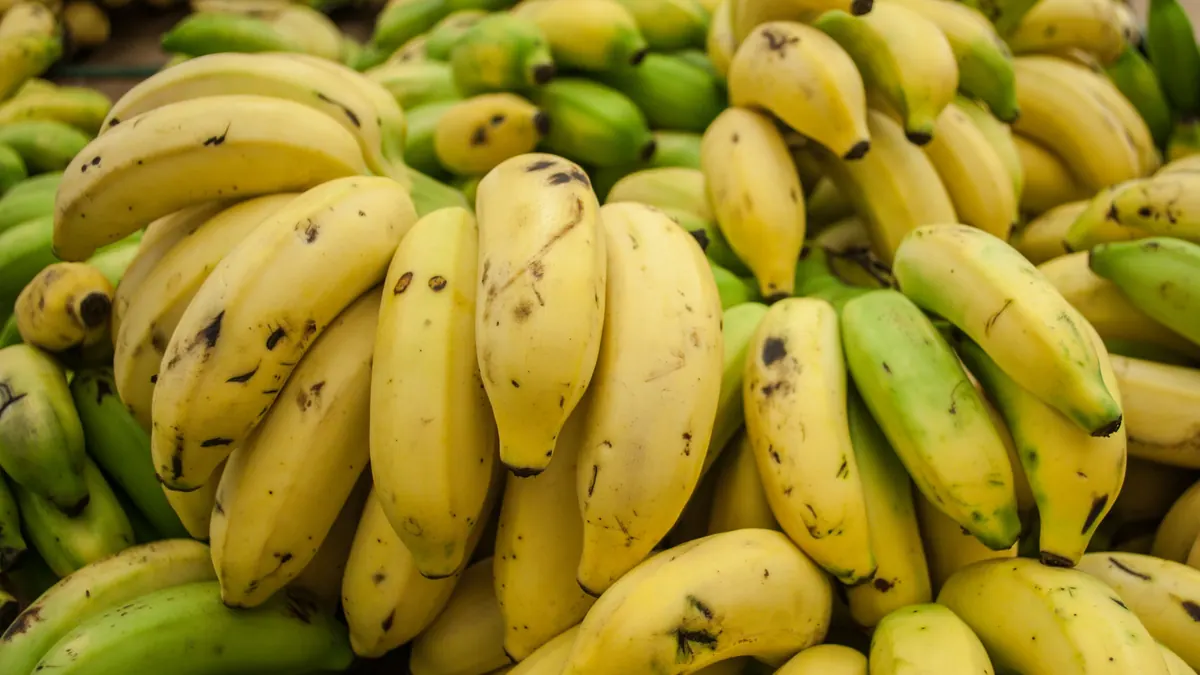
Bananas (fruit, pulp) — BMP: 6 studies, weighted mean 336 m³ CH₄/t VS
336 m³ CH₄/t VS weighted mean from 6 studies
≈52 %
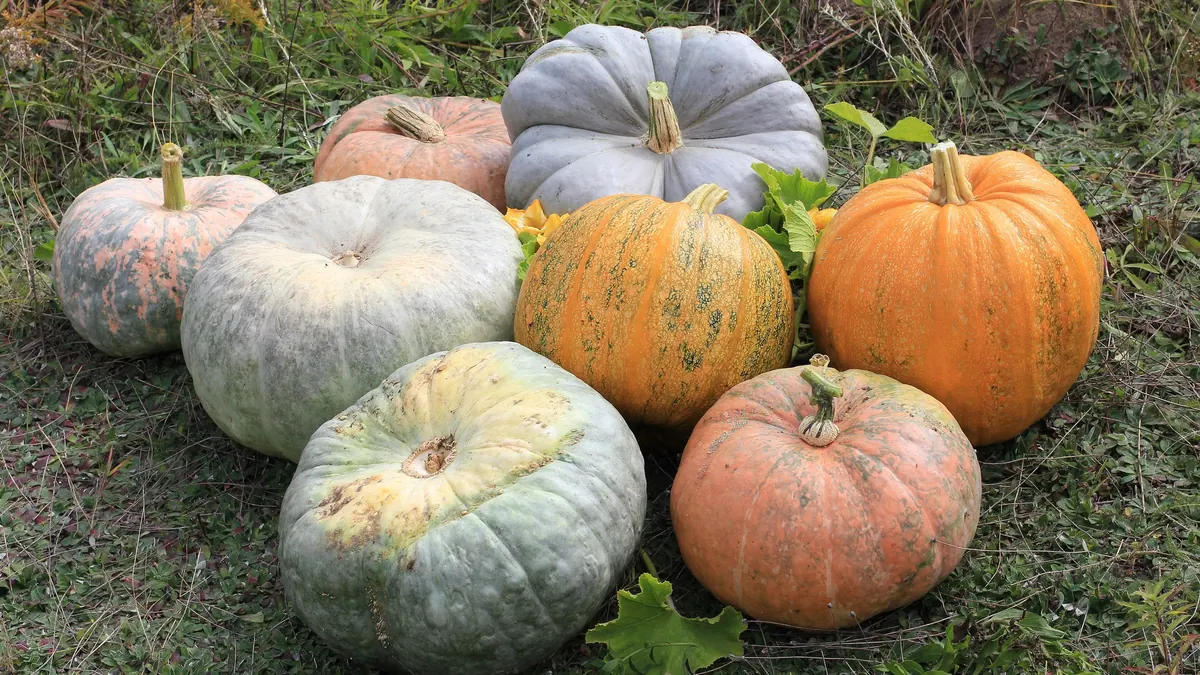
Pumpkin — BMP: 7 studies, weighted mean 341 m³ CH₄/t VS
341 m³ CH₄/t VS weighted mean from 7 studies
neutral — editorial rating for biogas plants≈52 %
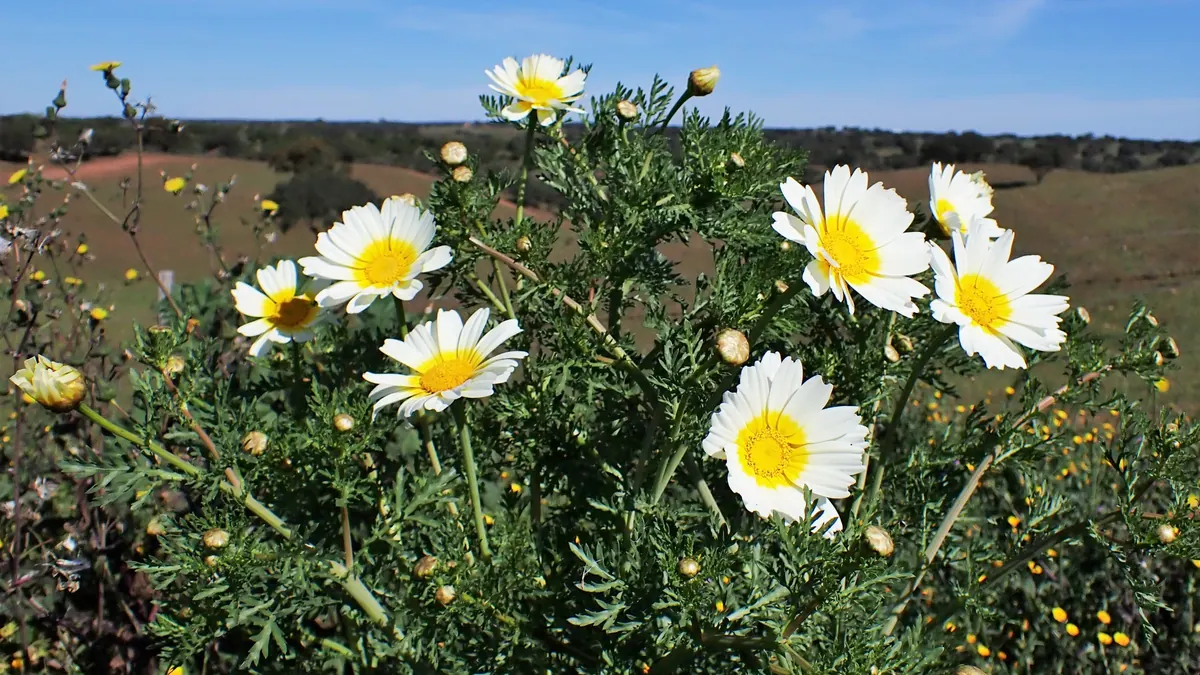
Crown daisy (garland chrysanthemum) — BMP: 2 studies, weighted mean 232 m³ CH₄/t VS
232 m³ CH₄/t VS weighted mean from 2 studies
≈58 %
Citrus peels — BMP: 12 studies, weighted mean 313 m³ CH₄/t VS
313 m³ CH₄/t VS weighted mean from 12 studies
neutral — editorial rating for biogas plants≈52 %