

BMP testingAlgae and aquatic plants
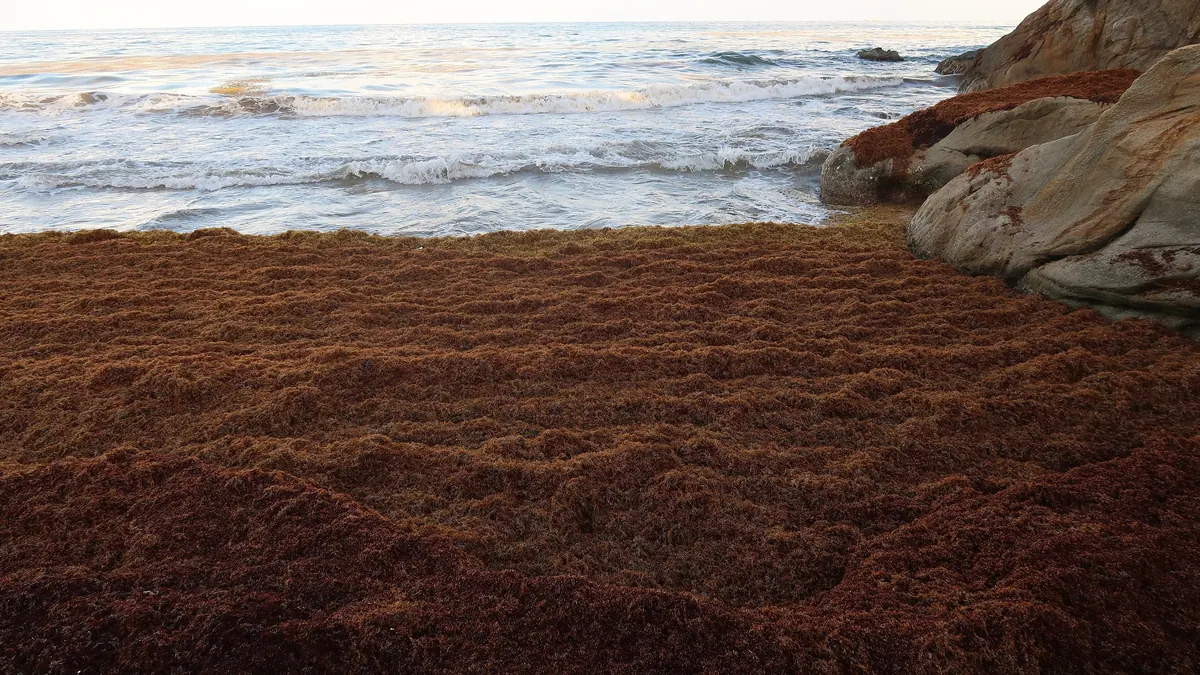
Sargassum biomass — BMP: 16 studies, weighted mean 89 m³ CH₄/t VS
Sargassum (gulfweed) is a brown seaweed that floods Caribbean beaches; it contains salt, polyphenols and arsenic, so it is a difficult, low-yielding biogas substrate.
Photo BrickLightning / Wikimedia Commons, licence CC0 1.0, source file; changes: cropping

- Weighted mean
- 89m³ CH₄/t VS
- Range
- 32–182m³ CH₄/t VS
- Records
- 16studies
- Publications
- 3sources
- Temperatures
- 15 °C, 24 °C, 30 °C, 35 °Cof the test
Methane in biogas
Medium methane content · ≈ 5.2 kWh/m³ of biogas
estimate from the substrate type The collected studies contain no measurement. The interval follows from the approximate composition (carbohydrate-dominated (no protein or fat characteristics)) and the yields of compound groups according to FNR.
Rating for biogas plants
not rated — editorial rating for biogas plants
Not rated: no dry matter or volatile solids in the data. We calculate the rating when the dry matter and volatile solids of the material are known.
Add to the co-digestion calculator CSV data
BMP curves from 16 studies
Weighted mean Individual records
Dashed lines are a model curve (first-order kinetics, B(t) = B₀·(1 − e−kt)); the end point comes from the publication. All curves are model curves.
Cumulative methane production over the test [m³ CH₄/t VS]. The thick line is the weighted mean of all records (89); dots mark the end values given in the publications. Point at the chart to read values; click a legend item to hide or show a record.
Show the remaining records in the legend (4)
Records and sources
Download CSV| Source | BMP m³ CH₄/t VS | Temperature | Sample | Curve |
|---|---|---|---|---|
| Chynoweth et al. (1993) · 1 DOI | 32 | 15 °C · psychrophilic | Sargassum | end point (model curve) |
| Chynoweth et al. (1993) · 2 DOI | 67 | 30 °C · mesophilic | Sargassum | end point (model curve) |
| Chynoweth et al. (1993) · 3 DOI | 72 | 30 °C · mesophilic | Sargassum | end point (model curve) |
| Chynoweth et al. (1993) · 4 DOI | 73 | 24 °C · psychrophilic | Sargassum | end point (model curve) |
| Chynoweth et al. (1993) · 5 DOI | 77 | 15 °C · psychrophilic | Sargassum | end point (model curve) |
| Chynoweth et al. (1993) · 6 DOI | 91 | 24 °C · psychrophilic | Sargassum | end point (model curve) |
| Chynoweth et al. (1993) · 7 DOI | 119 | 35 °C · mesophilic | Sargassum | end point (model curve) |
| Chynoweth et al. (1993) · 8 DOI | 143 | 35 °C · mesophilic | Sargassum | end point (model curve) |
| Chynoweth et al. (1993) · 9 DOI | 145 | 35 °C · mesophilic | Sargassum | end point (model curve) |
| Chynoweth et al. (1993) · 10 DOI | 148 | 35 °C · mesophilic | Sargassum | end point (model curve) |
| Chynoweth et al. (1993) · 11 DOI | 165 | 35 °C · mesophilic | Sargassum | end point (model curve) |
| Chynoweth et al. (1993) · 12 DOI | 171 | 35 °C · mesophilic | Sargassum | end point (model curve) |
| Chynoweth et al. (1993) · 13 DOI | 178 | 35 °C · mesophilic | Sargassum | end point (model curve) |
| Chynoweth et al. (1993) · 14 DOI | 182 | 35 °C · mesophilic | Sargassum | end point (model curve) |
| Salgado-Hernández et al. (2022) DOI | 72 | 35 °C · mesophilic | Raw biomass (RB) of Sargassum spp. from the Mexican Caribbean | end point (model curve) |
| Salgado-Hernández et al. (2023) DOI | 78 | — | Untreated (UT) Sargassum spp. biomass | end point (model curve) |
| Weighted mean | 89 | arithmetic mean 113, SD 48 | ||
Process properties
Advantages
- Methane yield in the compendium: median 105 (range 32–182) m³ CH₄/t VS, 16 records from 3 papers (weighted mean 89).
- Phase separation: the liquid fraction of Sargassum had approx. twice the methane yield of raw biomass and the solid fraction (Salgado-Hernández et al. (2022))
- Pre-oxidation reduced the content of hard-to-degrade compounds and heavy metals, and the residue after alginate extraction gave up to 90% methane in the biogas (Azcorra-May et al. (2026))
Drawbacks and risks
- Sargassum contains a lot of hard-to-degrade insoluble fibres and polyphenols, which lowers the methane yield; approx. 90% of DM remains in the solid fraction of low biodegradability (Salgado-Hernández et al. (2022))
- Sodium and arsenic were found in the raw biomass; in the fertiliser after anaerobic digestion their concentrations were lower, and salinity and trace metals are a risk when using the digestate (Rodríguez-Rodríguez et al. (2026))
Co-digestion — what to combine it with, what to watch out for
- caution
substrates: saline — e.g. Food waste, Whey, Poultry manure, Nannochloropsis salina, Bread and bakery waste
For salty brown algae, an inoculum without adaptation to salinity needed up to two months to reach the methane production rate of an adapted inoculum; sodium inhibits acetoclastic methanogens, and at high ammonia even a low sodium level is dangerous.[1][2]
Dosing
The sources do not give a safe share of this substrate in the feed.
Introduce gradually, starting with a small dose and monitoring the process (e.g. FOS/TAC, pH, gas composition).
Practical requirements
- Separate the fractions (liquid–solid) before digestion (Salgado-Hernández et al. (2022))
- Test for arsenic and trace metals in the feedstock and digestate (Rodríguez-Rodríguez et al. (2026); Azcorra-May et al. (2026))
Sources of the process data
- Modelling start-up performance of anaerobic digestion of saline-rich macro-algae
- Modelling sodium inhibition on the anaerobic digestion process
- Biochemical methane potential of biomass and waste feedstocks
- Methane Production of Sargassum spp. Biomass from the Mexican Caribbean: Solid–Liquid Separation and Component Distribution
- Energy-saving pretreatments affect pelagic Sargassum composition and DNA metabarcoding reveals the microbial community involved in methane yield
- Sequential Production of Sodium Alginate and Biomethane from Holopelagic Sargassum
- Short-Term Trace Element Distribution Following Application of Sargassum-Based Liquid Biofertilizer
The co-digestion calculator will assess a specific mixture containing this substrate.
What it is and where it comes from
Sargassum (gulfweed) is a genus of brown algae, of which the pelagic species form huge floating masses in the Atlantic. Since the beginning of the second decade of the 21st century, large quantities of this biomass have been washed ashore on the coasts of the Caribbean, Central America and West Africa, harming tourism, fisheries and health. The biomass is collected from beaches or from the water, and its management is the subject of research and projects, including methane fermentation. This species does not occur in Poland.
Properties relevant to digestion
Sargassum contains no lignin, but its cell walls consist of alginates, fucoidan and cellulose. The biomass contains polyphenols (phlorotannins), which can inhibit microorganisms, a high content of salt and ash, and also arsenic, which may limit the use of the digestate as a fertiliser. The breakdown of sulphur compounds can increase the hydrogen sulphide content of the biogas. Biomass collected on the beach degrades rapidly and becomes contaminated with sand, so the freshness of the feedstock is important. The dry matter content is low and the material contains a lot of water.
How to read the spread of results
The spread is large, because the results come from studies at different temperatures, including psychrophilic tests at low temperatures, with different biomass preparation (fresh, desalinated, dried, chopped) and different times since harvest. The composition of Sargassum varies with the season, the place of occurrence and the degree of decomposition on the beach. In addition, the inoculum (adaptation to salt and phenols), the substrate-to-inoculum ratio and the length of the test have an effect. The figures from different studies must therefore be treated as estimates for specific conditions.
In biogas plant practice
In regions affected by the influx, the fermentation of sargassum is being studied as a means of disposal. Typical measures are desalination by washing, chopping, co-digestion with other organic wastes, and monitoring of hydrogen sulphide and arsenic. Profitability is limited by the collection, transport and preparation of the feedstock. The legal status of the biomass and the requirements for collecting it from beaches depend on the regulations of the country concerned. For a European biogas plant, the material is of illustrative significance only.
For comparison with terrestrial energy crops, Sargassum is a feedstock with a low concentration of energy per tonne of fresh matter, so the costs of collection and preparation are the key issue, rather than the digestibility itself.
Methodology in brief
BMP is the amount of methane obtained from volatile solids (VS) in a batch test, given in m³ CH₄ per tonne of VS (numerically the same as NmL CH₄/g VS in the publications) and converted to normal conditions (0 °C, 101.325 kPa). The weighted mean gives each publication a total weight of 1, split equally between its results for the substrate — a paper testing twenty varieties does not outweigh a paper with a single sample. In inter-laboratory programmes the unit is the laboratory (total weight 1), and within it the weight of a test grows with the number of bottles (replicates). Results after pretreatment (e.g. thermal, chemical, enzymatic) are shown separately and are not included in the mean.
Solid lines are curves measured in the tests. Where a publication gives only the final result, we draw a first-order kinetic model, B(t) = B₀·(1 − e−kt): only the end point comes from the publication, and the shape of the curve serves purely as visualisation — do not read the production on a particular day from it. For this substrate k = 0.102 d−1 was assumed (median of rate constants k reported in the sources and/or fitted to the mean measured curves).
The statistics describe the spread of published results — a descriptive compilation, not a meta-analysis or a guarantee of plant yield.
Bibliography
- Chynoweth, D.; Turick, C.; Owens, J.; Jerger, D.; Peck, M. (1993). Biochemical methane potential of biomass and waste feedstocks. Biomass and Bioenergy 5(1), 95–111. DOI: 10.1016/0961-9534(93)90010-2 DOI
- Salgado-Hernández, E.; Ortiz-Ceballos, Á.I.; Martínez-Hernández, S.; Rosas-Mendoza, E.S.; Dorantes-Acosta, A.E.; Alvarado-Vallejo, A.; Alvarado-Lassman, A. (2022). Methane Production of Sargassum spp. Biomass from the Mexican Caribbean: Solid–Liquid Separation and Component Distribution. International Journal of Environmental Research and Public Health 20(1), 219. DOI: 10.3390/ijerph20010219 DOI
- Salgado-Hernández, E.; Ortiz-Ceballos, Á.I.; Alvarado-Lassman, A.; Martínez-Hernández, S.; Rosas-Mendoza, E.S.; Velázquez-Fernández, J.B.; Dorantes-Acosta, A.E. (2023). Energy-saving pretreatments affect pelagic Sargassum composition and DNA metabarcoding reveals the microbial community involved in methane yield. PLOS ONE 18(8), e0289972. DOI: 10.1371/journal.pone.0289972 DOI
All sources of the site: bibliography.
Other substrates in the group “Algae and aquatic plants”
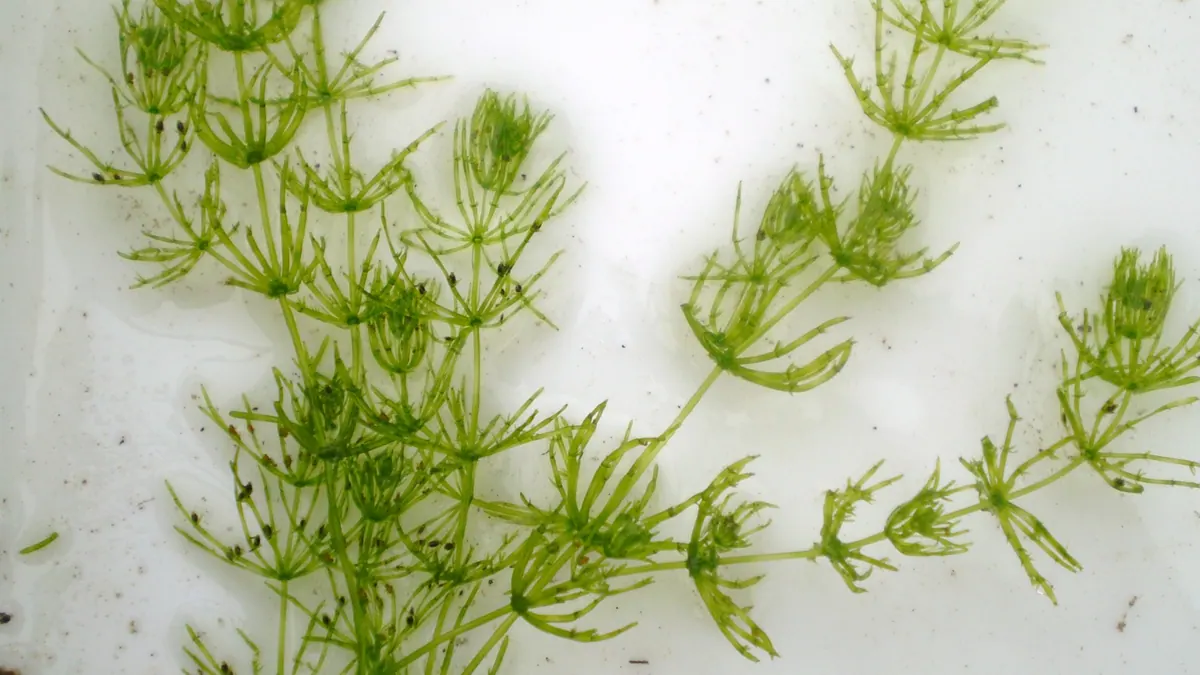
Submerged lake macrophytes (Chara, water celery) — BMP: 2 studies, weighted mean 385 m³ CH₄/t VS
385 m³ CH₄/t VS weighted mean from 2 studies
≈52 %
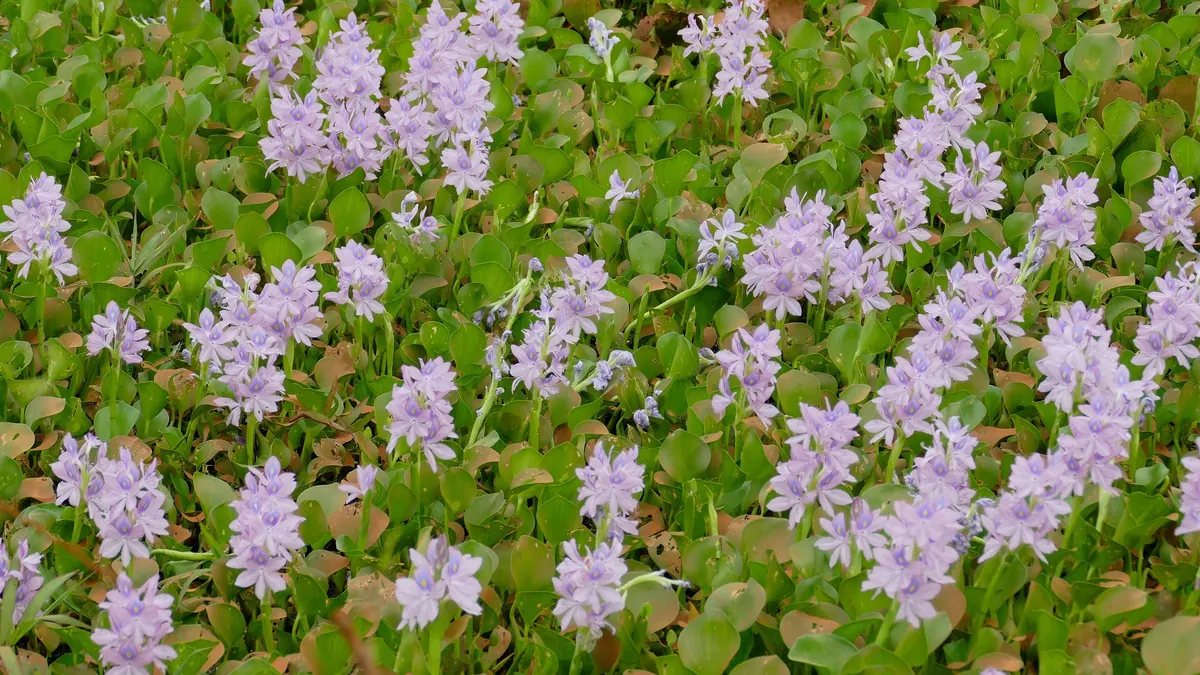
Water hyacinth — BMP: 3 studies, weighted mean 191 m³ CH₄/t VS
191 m³ CH₄/t VS weighted mean from 3 studies
≈52 %
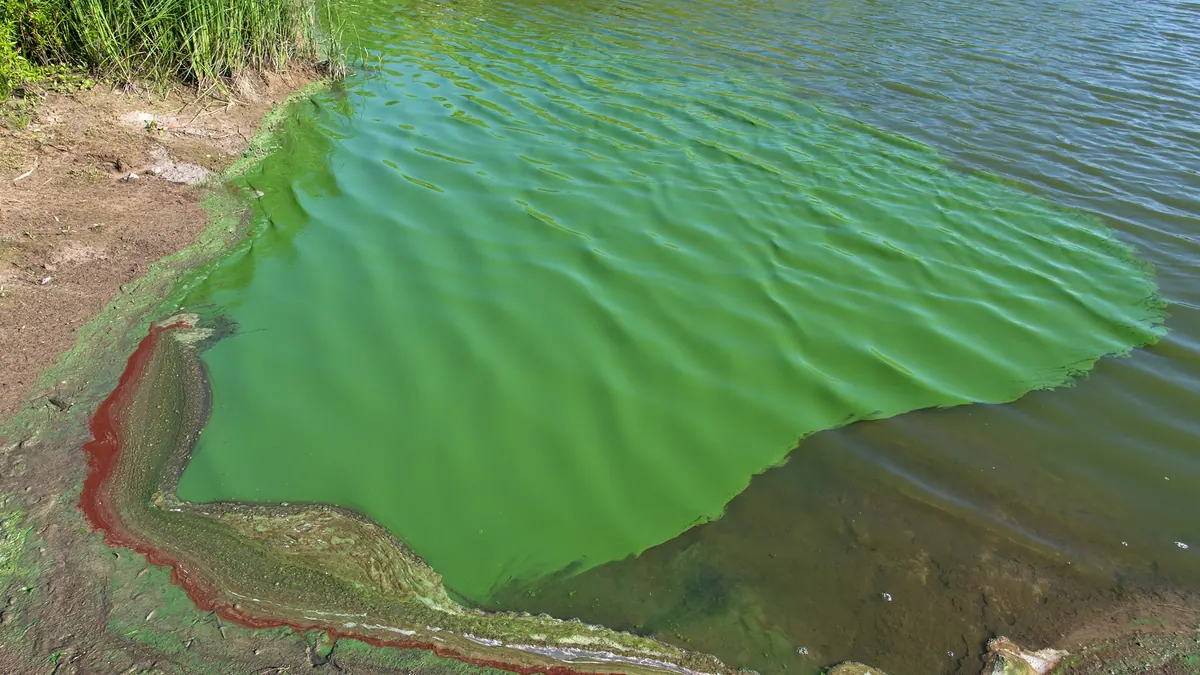
Cyanobacteria (Phormidium, Desertifilum, Anabaena, Nostoc) — BMP: 4 studies, weighted mean 152 m³ CH₄/t VS
152 m³ CH₄/t VS weighted mean from 4 studies
≈58 %
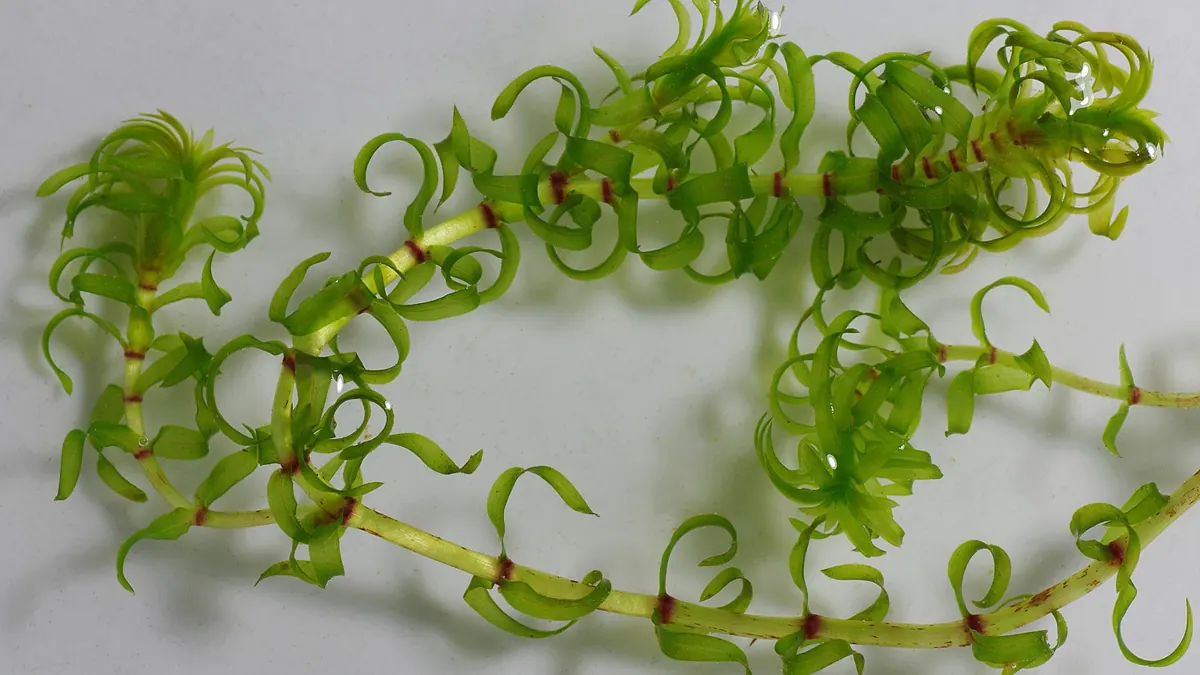
Western waterweed — BMP: 2 studies, weighted mean 218 m³ CH₄/t VS
218 m³ CH₄/t VS weighted mean from 2 studies
≈52 %