

BMP testingBy-products of the agri-food industry
Sugar beet pulp — BMP: 2 studies, weighted mean 358 m³ CH₄/t VS
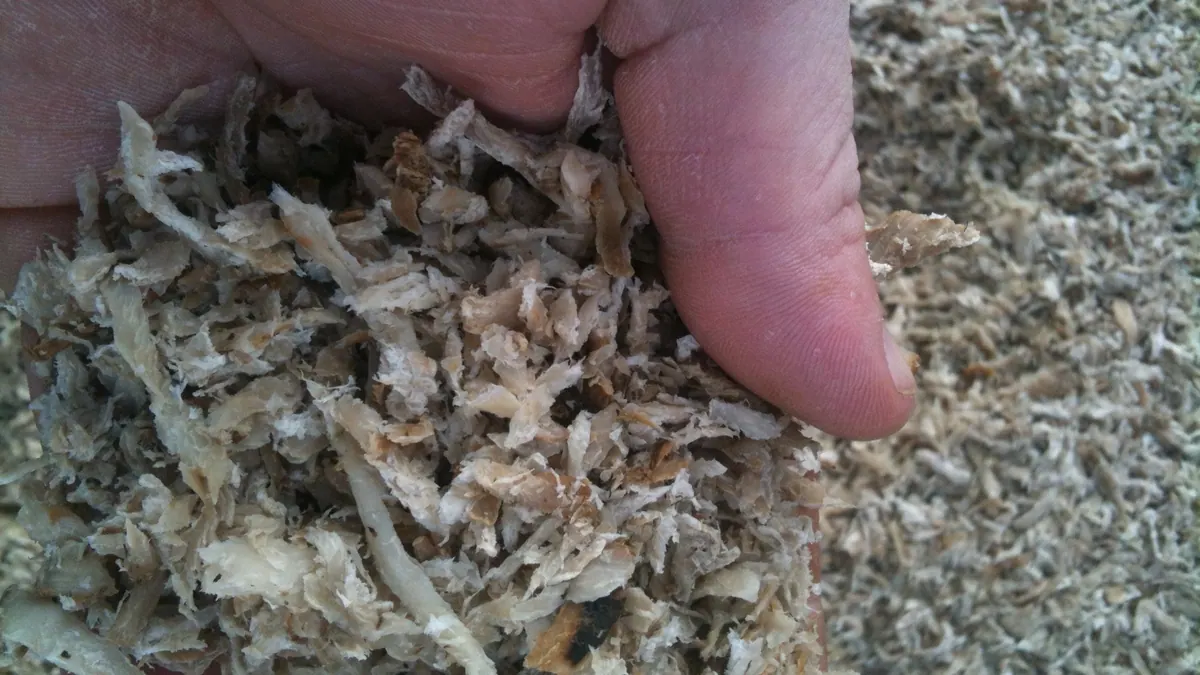
Sugar beet pulp is the residue of sugar extraction from beet, rich in pectins and cellulose; a valuable feed, and in a biogas plant an easily digestible substrate with low lignin.
rating: goodCH₄ ≈ 52 % (estimate)
Photo Blonder1984 / Wikimedia Commons, licence CC BY-SA 3.0, source file; changes: cropping

- Weighted mean
- 358m³ CH₄/t VS
- Range
- 285–430m³ CH₄/t VS
- Records
- 2studies
- Publications
- 2sources
- Temperatures
- 35 °C, 38 °Cof the test
Methane in biogas
Medium methane content · ≈ 5.2 kWh/m³ of biogas
estimate from the substrate type The collected studies contain no measurement. The interval follows from the approximate composition (carbohydrate-dominated (no protein or fat characteristics)) and the yields of compound groups according to FNR.
Rating for biogas plants
good — editorial rating for biogas plantsStable, usually accepted without a fee
Potential per tonne of fresh matter: high (82 m³ CH₄/t); no particular threats to stability. Handling costs: sand, stones, shells, fibres, floating layer.
Why? Rating factors
Potential per tonne +2
- +2potential 82 m³ CH₄/t fresh matter (BMP 358 × composition per FNR (2013), Guía sobre el Biogás, Tabla 4.9: pressed beet pulp (DM 24 %, VS 95 % DM))
Process stability 0
- 0no factors
Handling and costs −1
- −0.5sand, stones, shells — sediment in the digester
- −0.5fibres, floating layer — shredding and intensive mixing
Total points: 1 · thresholds: ≥ 2.5 very good, ≥ 1 good, below — neutral; negative with cumulative process risk.
Add to the co-digestion calculator CSV data
BMP curves from 2 studies
Weighted mean Individual records
Dashed lines are a model curve (first-order kinetics, B(t) = B₀·(1 − e−kt)); the end point comes from the publication. All curves are model curves.
Cumulative methane production over the test [m³ CH₄/t VS]. The thick line is the weighted mean of all records (358); dots mark the end values given in the publications. Point at the chart to read values; click a legend item to hide or show a record.
Records and sources
Download CSV| Source | BMP m³ CH₄/t VS | Temperature | Sample | Curve |
|---|---|---|---|---|
| Amon et al. (2007) DOI | 430 | 38 °C · mesophilic | pressed Beet pulp Silage | end point (model curve) |
| Kouas et al. (2017) DOI | 285 | 35 °C · mesophilic | beet pulp | end point (model curve) |
| Weighted mean | 358 | arithmetic mean 358, SD 102 | ||
Process properties
Advantages
- Methane potential in the Substraty.pl BMP dataset: weighted mean 357.5 m³ CH₄/t VS (SD 102.5; 2 records, 2 sources).
- Pectin-cellulosic, low in lignin; studies of sugar mill by-products (Kryvoruchko et al. 2009; Alkaya and Demirer 2011).
Drawbacks and risks
- Ensiled pulp is acidic, and a large dose acidifies (Kryvoruchko et al. 2009).
- Residual soil/sand from washing beets settles out.
- High C/N: they require nitrogen (Alkaya and Demirer 2011).
Co-digestion — what to combine it with, what to watch out for
- combines well
substrates: high alkalinity (buffer) — e.g. Cattle manure, Pig slurry, Cattle slurry, Duck slurry, Rumen and digestive tract content
Slurry supplies N and alkalinity, balancing the high C/N of the material.[1][2]
Dosing
No source threshold.
Introduce gradually, starting with a small dose and monitoring the process (e.g. FOS/TAC, pH, gas composition).
Practical requirements
- Provide for removal of sand and heavy contaminants: sand is often strongly bound to organic matter and is released only in the digester, and sediments reduce its usable capacity, so a scraper or bottom drain is needed (FNR 2010, Ch. 3).
Sources of the process data
- Hagos et al. (2017). Anaerobic co-digestion process for biogas production: progress, challenges and perspectives. Renew. Sustain. Energy Rev.
- Weiland, P. (2010) Biogas production: current state and perspectives. Applied Microbiology and Biotechnology
- Kryvoruchko et al. (2009). Anaerobic digestion of by-products of sugar beet and starch potato processing. Biomass Bioenergy
- FNR (2010). Guía sobre el Biogás – Desde la producción hasta el uso (hiszp. wydanie „Leitfaden Biogas”, GIZ 2013)
The co-digestion calculator will assess a specific mixture containing this substrate.
What it is and where it comes from
Sugar beet pulp arises after sugar is extracted from beet cossettes in a sugar factory. In Poland the sugar industry is well developed, and the sugar campaign runs in autumn and winter. The pulp is wet, and after pressing and drying it becomes a popular cattle feed; it can also be ensiled in clamps. In a biogas plant it appears as an additive when its price or availability is favourable, although it competes with the feed market.
Properties relevant to digestion
The dry matter of the pulp consists mainly of pectins, cellulose and hemicellulose, with a small content of lignin, protein and residual sugars. The fibrous structure is quite susceptible to enzymes, and pectins hydrolyse quickly, so the gas potential is high and degradation efficient. The risks are acidification at a high dose and the presence of sand and soil remaining after the beet is washed. Ensiled pulp contains organic acids, which lower the pH. The high C/N ratio requires the addition of nitrogen.
How to read the spread of results
The set contains several records from several sources: pressed ensiled pulp at 38 °C and pulp at 35 °C. The differences may result from the form of the material (fresh, pressed, dried, ensiled), the dry matter content, residual sugar, particle size, test duration and inoculum. Ensiling changes the composition, because part of the sugars is consumed.
In biogas plant practice
Pulp works well in co-digestion with slurry, after shredding and wetting, especially dried pulp, which must be rehydrated. Storage in a clamp is possible if the material is ensiled, and protection against leachate is necessary. Availability is seasonal, so feed planning must take the campaign period into account. As a by-product of the sugar industry, pulp has a status depending on how it is used, usually as feed or as waste.
In Poland there is competition for pulp between the feed sector and biogas plants during the campaign. In practice, biogas plants at or near sugar factories have a logistical advantage, because the material is wet and heavy, and transport costs rise quickly with distance.
Ensiled pulp available outside the campaign is particularly valuable, because it allows the supply of material to be evened out throughout the year, but it requires a well-built clamp and a film cover.
Methodology in brief
BMP is the amount of methane obtained from volatile solids (VS) in a batch test, given in m³ CH₄ per tonne of VS (numerically the same as NmL CH₄/g VS in the publications) and converted to normal conditions (0 °C, 101.325 kPa). The weighted mean gives each publication a total weight of 1, split equally between its results for the substrate — a paper testing twenty varieties does not outweigh a paper with a single sample. In inter-laboratory programmes the unit is the laboratory (total weight 1), and within it the weight of a test grows with the number of bottles (replicates). Results after pretreatment (e.g. thermal, chemical, enzymatic) are shown separately and are not included in the mean.
Solid lines are curves measured in the tests. Where a publication gives only the final result, we draw a first-order kinetic model, B(t) = B₀·(1 − e−kt): only the end point comes from the publication, and the shape of the curve serves purely as visualisation — do not read the production on a particular day from it. For this substrate k = 0.091 d−1 was assumed (no kinetic data for the group – the median of all available rate constants k (93 values) was used).
The statistics describe the spread of published results — a descriptive compilation, not a meta-analysis or a guarantee of plant yield.
Bibliography
- Amon, T.; Amon, B.; Kryvoruchko, V.; Machmüller, A.; Hopfner-Sixt, K.; Bodiroza, V.; Hrbek, R.; Friedel, J.; Pötsch, E.; Wagentristl, H.; Schreiner, M.; Zollitsch, W. (2007). Methane production through anaerobic digestion of various energy crops grown in sustainable crop rotations. Bioresource Technology 98(17), 3204–3212. DOI: 10.1016/j.biortech.2006.07.007 DOI
- Kouas, M.; Torrijos, M.; Sousbie, P.; Steyer, J.P.; Sayadi, S.; Harmand, J. (2017). Robust assessment of both biochemical methane potential and degradation kinetics of solid residues in successive batches. Waste Management 70, 59–70. DOI: 10.1016/j.wasman.2017.09.001 DOI
All sources of the site: bibliography.
Other substrates in the group “By-products of the agri-food industry”
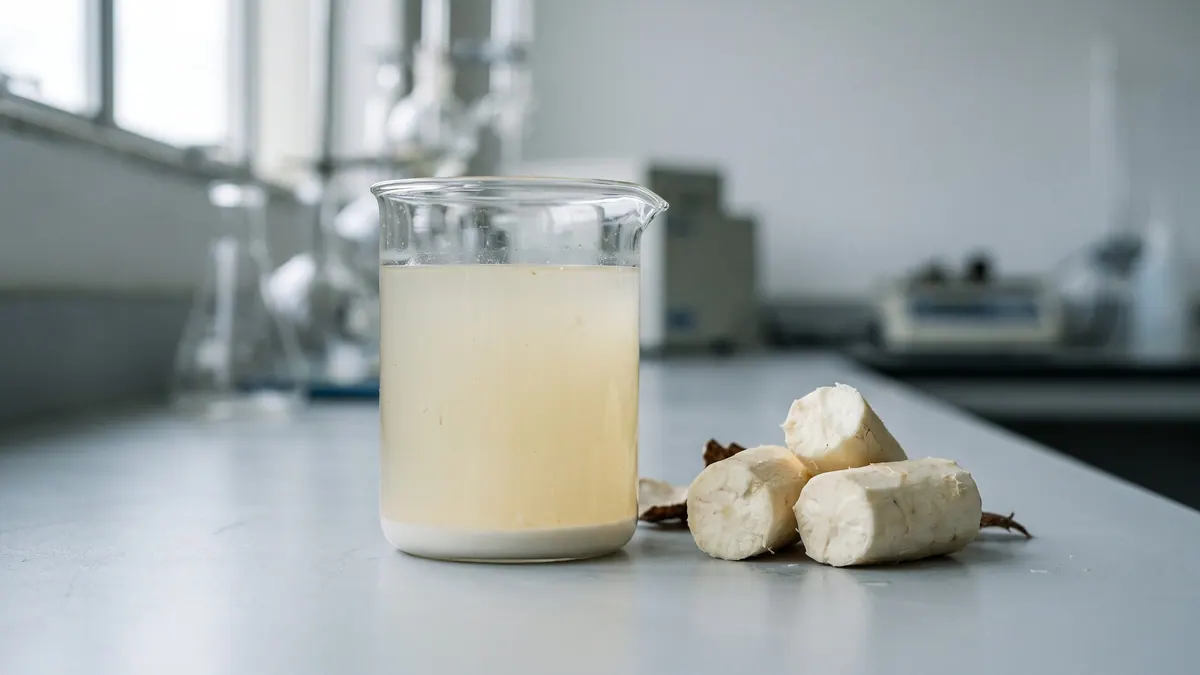
Cassava processing wastewater — BMP: 2 studies, weighted mean 494 m³ CH₄/t VS
494 m³ CH₄/t VS weighted mean from 2 studies
negative — editorial rating for biogas plants≈52 %
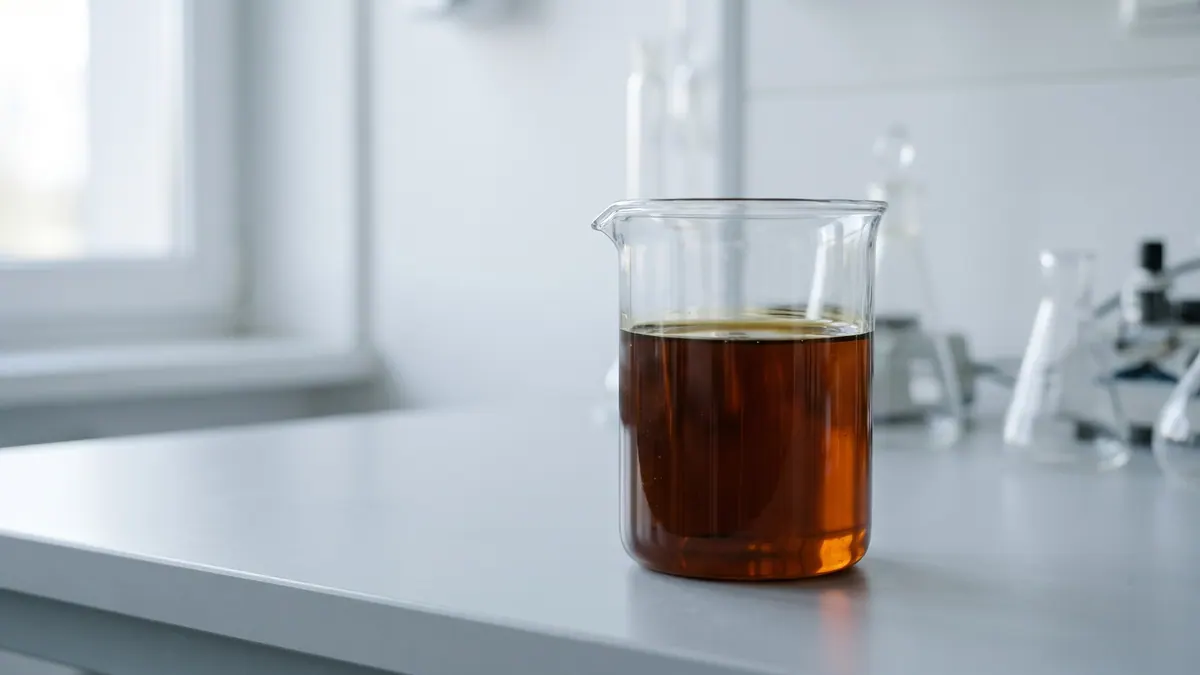
Crude glycerol — BMP: 2 studies, weighted mean 426 m³ CH₄/t VS
426 m³ CH₄/t VS weighted mean from 2 studies
good — editorial rating for biogas plants≈52 %
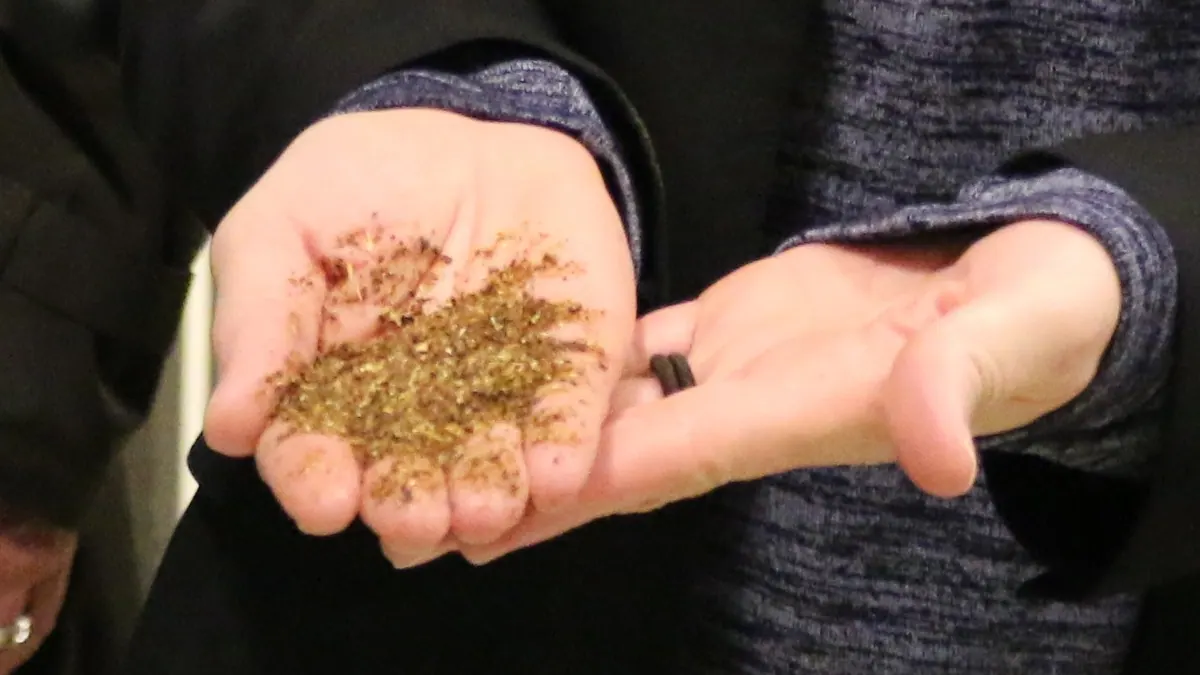
Distillery stillage and vinasse — BMP: 5 studies, weighted mean 326 m³ CH₄/t VS
326 m³ CH₄/t VS weighted mean from 5 studies
neutral — editorial rating for biogas plants58 %
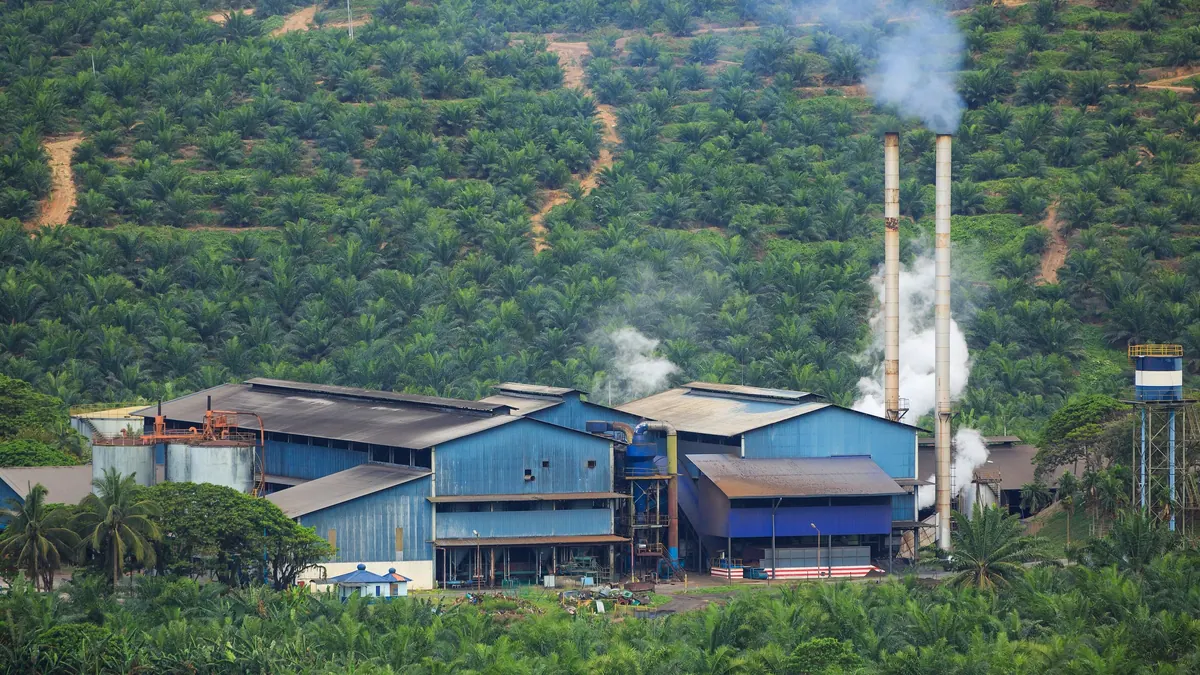
Palm oil decanter cake — BMP: 3 studies, weighted mean 226 m³ CH₄/t VS
226 m³ CH₄/t VS weighted mean from 3 studies
≈63 %