

BMP testingBy-products of the agri-food industry
Distillery stillage and vinasse — BMP: 5 studies, weighted mean 326 m³ CH₄/t VS
Distillery stillage and vinasse are liquid, acidic residues of alcohol distillation with a high organic load; they require buffering and hydrogen sulphide control.
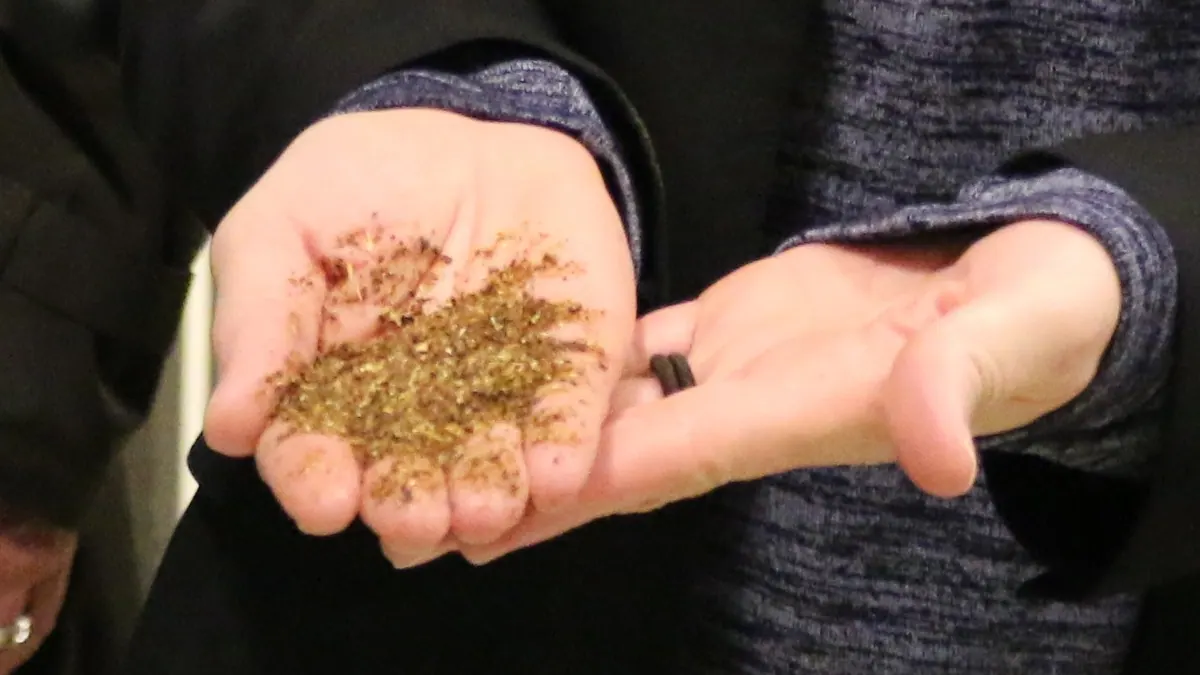
Photo The U.S. Food and Drug Administration / Wikimedia Commons, public domain, source file; changes: cropping

- Weighted mean
- 326m³ CH₄/t VS
- Range
- 247–381m³ CH₄/t VS
- Records
- 5studies
- Publications
- 3sources
- Temperatures
- 36 °C, 37 °C, 38 °Cof the test
Methane in biogas
Medium methane content · ≈ 5.8 kWh/m³ of biogas
measured mean of 1 study BMP; in a batch test the CH₄ share tends to be higher than in a plant.
Rating for biogas plants
neutral — editorial rating for biogas plantsNo clear advantages — worth charging a fee for accepting it
Potential per tonne of fresh matter: moderate (29 m³ CH₄/t); process risk: salt / sodium, acidification, sulphur. No additional handling requirements.
Why? Rating factors
Potential per tonne +1
- +1potential 29 m³ CH₄/t fresh matter (BMP 326 × DM 9.6 % × VS 91.3 %)
Process stability −1.75
- −1salt / sodium: inhibition at high shares
- −0.5acidification: rapid degradation / acidic pH, risk of VFA accumulation, needs buffering
- −0.25sulphur: H₂S in the biogas (toxicity to bacteria, corrosion, desulphurisation)
Handling and costs 0
- 0no factors
Total points: −0.75 · thresholds: ≥ 2.5 very good, ≥ 1 good, below — neutral; negative with cumulative process risk.
Add to the co-digestion calculator CSV data
BMP curves from 5 studies
Weighted mean Individual records
Dashed lines are a model curve (first-order kinetics, B(t) = B₀·(1 − e−kt)); the end point comes from the publication. All curves are model curves.
Cumulative methane production over the test [m³ CH₄/t VS]. The thick line is the weighted mean of all records (326); dots mark the end values given in the publications. Point at the chart to read values; click a legend item to hide or show a record.
Records and sources
Download CSV| Source | BMP m³ CH₄/t VS | CH₄ in biogas % vol., measured | Temperature | Sample | Curve |
|---|---|---|---|---|---|
| Dubrovskis i Plume (2017) DOI | 360 | 58.5 % | 38 °C · mesophilic | Distillery stillage (Kalsnava) | end point (model curve) |
| Fu et al. (2017) · 1 DOI | 247 | — | 37 °C · mesophilic | vinasse | end point (model curve) |
| Fu et al. (2017) · 2 DOI | 274 | — | 37 °C · mesophilic | vinasse | end point (model curve) |
| Luna-delRisco et al. (2011) · 1 | 335 | — | 36 °C · mesophilic | distillery slop | end point (model curve) |
| Luna-delRisco et al. (2011) · 2 | 381 | — | 36 °C · mesophilic | distillery slop | end point (model curve) |
| Weighted mean | 326 | 58.5 % | arithmetic mean 320, SD 57 | ||
Typical composition
- Dry matter (DM)
- 9.6% (range 5.5–42.6)
- Volatile solids (VS)
- 91.3 % DM (range 86.5–93.1)
- Nitrogen
- 3.5 % DM
- C/N ratio
- 13
Median and range of the determinations reported in the publications behind this substrate's BMP records (read from: MY-D); dry matter: 3 determinations, volatile solids: 3 determinations. C/N was calculated as the ratio of C and N content (% DM) from the same source.
Sources: Fu et al. (2017); Luna-delRisco et al. (2011).
The composition of the raw material varies between batches — for plant calculations use an analysis of your own sample. The calculator inserts typical values automatically.
Process properties
Advantages
- Methane potential in the Substraty.pl BMP dataset: weighted mean 326.2 m³ CH₄/t VS (SD 56.9; 5 records, 3 sources).
- In thermophilic co-digestion with litter, stillage improved biogas production and COD removal up to 60% w/w (Sharma et al. 2013).
- Warm, low DM - easy to dose (Wilkie et al. 2000).
Drawbacks and risks
- At 80% w/w stillage in a mix with litter, inhibition was observed (Sharma et al. 2013).
- Vinasse may contain sulphates and potassium (Wilkie et al. 2000; Hilton and Archer 1988).
Co-digestion — what to combine it with, what to watch out for
- combines well
substrates: high alkalinity (buffer) — e.g. Cattle manure, Pig slurry, Cattle slurry, Duck slurry, Rumen and digestive tract content
Litter/slurry neutralise the acidic stillage.[1]
- combines well
substrates: nitrogen-rich — e.g. Pig slurry, Poultry manure, Waste activated sludge (secondary sludge), Chlorella vulgaris, Nannochloropsis salina
Stillage dilutes the N of the litter.[1]
Dosing
Indicative limit from the literatureup to 60% fresh mass of the feed[1]
Basis: share of stillage in the mixed feed (w/w). Sharma et al. (2013): in thermophilic co-digestion of chicken litter with stillage (thin stillage), after adaptation to 20% and 40% stillage biogas production and methane content rose; peak yield at 60% stillage, and at 80% a significant fall in methanogenic activity and COD removal. 60% is therefore the optimum (the highest share without a fall in yield), and the inhibition limit lies somewhere between 60 and 80% and has not been determined. The data relate to a single feed with chicken litter under laboratory conditions; introduce gradually.
Introduce gradually, starting with a small dose and monitoring the process (e.g. FOS/TAC, pH, gas composition).
Sources of the process data
- Sharma et al. (2013). Thermophilic anaerobic co-digestion of poultry litter and thin stillage. Bioresour. Technol.
- Wilkie, Riedesel, Owens (2000). Stillage characterization and anaerobic treatment of ethanol stillage from conventional and cellulosic feedstocks. Biomass Bioenergy
- Hilton, Archer (1988). Anaerobic digestion of a sulfate-rich molasses wastewater: inhibition of hydrogen sulfide production. Biotechnol. Bioeng.
The co-digestion calculator will assess a specific mixture containing this substrate.
What it is and where it comes from
After distillation of fermented mash or molasses, a liquid remains, called, depending on the raw material, stillage (cereals, potatoes, maize) or vinasse (beet or cane molasses, wine). In Poland there are agricultural and industrial distilleries that produce spirit and bioethanol, and their stillage was traditionally used as feed or fertiliser. Molasses vinasse is more concentrated and has a different composition from cereal stillage.
Properties relevant to digestion
Stillage is thin, with a low dry matter content, but has a high organic load expressed as COD. It contains residual sugars, organic acids, glycerol, yeast protein and minerals, including potassium. The reaction is acidic, so without a buffer there is a risk of acidification. Molasses vinasse may contain significant amounts of sulphates and coloured compounds (melanoidins), which favours hydrogen sulphide production by sulphate-reducing bacteria and may inhibit methanogens. Distillery stillage is hot after distillation, which reduces the heating demand, but requires cooling in mesophilic installations.
How to read the spread of results
The set contains several records from several sources: vinasse and distillery stillage, all under mesophilic conditions (36-37 °C). The spread results from the distilling raw material (molasses, cereals, potatoes), the distillation technology, the dry matter and sulphate content, and also from whether the result is given per volatile solids or per COD. The inoculum and the adaptation of the microflora to the stillage components have an effect. The result for one type of stillage therefore does not transfer directly to another.
In biogas plant practice
Stillage is a valuable liquid substrate at distilleries, because it does not require transport over long distances. Dosing requires control of pH, alkalinity and H₂S, and, where necessary, the addition of a buffer or slurry. Concentrated stillage is sometimes diluted. After digestion, the organic load of the wastewater can be reduced. Stillage as a by-product of a distillery has a status depending on how it is used; as waste it is subject to waste regulations.
Because stillage is liquid and low in dry matter, what counts more than the yield per gram of volatile solids is its COD load per cubic metre and whether the distillery works in a seasonal campaign or all year round, which determines the continuity of supply to the biogas plant.
Methodology in brief
BMP is the amount of methane obtained from volatile solids (VS) in a batch test, given in m³ CH₄ per tonne of VS (numerically the same as NmL CH₄/g VS in the publications) and converted to normal conditions (0 °C, 101.325 kPa). The weighted mean gives each publication a total weight of 1, split equally between its results for the substrate — a paper testing twenty varieties does not outweigh a paper with a single sample. In inter-laboratory programmes the unit is the laboratory (total weight 1), and within it the weight of a test grows with the number of bottles (replicates). Results after pretreatment (e.g. thermal, chemical, enzymatic) are shown separately and are not included in the mean.
Solid lines are curves measured in the tests. Where a publication gives only the final result, we draw a first-order kinetic model, B(t) = B₀·(1 − e−kt): only the end point comes from the publication, and the shape of the curve serves purely as visualisation — do not read the production on a particular day from it. For this substrate k = 0.091 d−1 was assumed (no kinetic data for the group – the median of all available rate constants k (93 values) was used).
The statistics describe the spread of published results — a descriptive compilation, not a meta-analysis or a guarantee of plant yield.
Bibliography
- Dubrovskis, V.; Plume, I. (2017). Methane production from stillage. Engineering for Rural Development. DOI: 10.22616/erdev2017.16.n086 DOI
- Fu, S.F.; Xu, X.H.; Dai, M.; Yuan, X.Z.; Guo, R.B. (2017). Hydrogen and methane production from vinasse using two-stage anaerobic digestion. Process Safety and Environmental Protection 107, 81–86. DOI: 10.1016/j.psep.2017.01.024 DOI
- Luna-delRisco, M.; Normak, A.; Orupõld, K. (2011). Biochemical methane potential of different organic wastes and energy crops from Estonia. Agronomy Research 9(1–2), 331–342. https://www.semanticscholar.org/paper/25cf2d7bba4758136830a9a02caf3ecd997173bb source
All sources of the site: bibliography.
Other substrates in the group “By-products of the agri-food industry”

Molasses — BMP: 2 studies, weighted mean 410 m³ CH₄/t VS
410 m³ CH₄/t VS weighted mean from 2 studies
good — editorial rating for biogas plants≈52 %
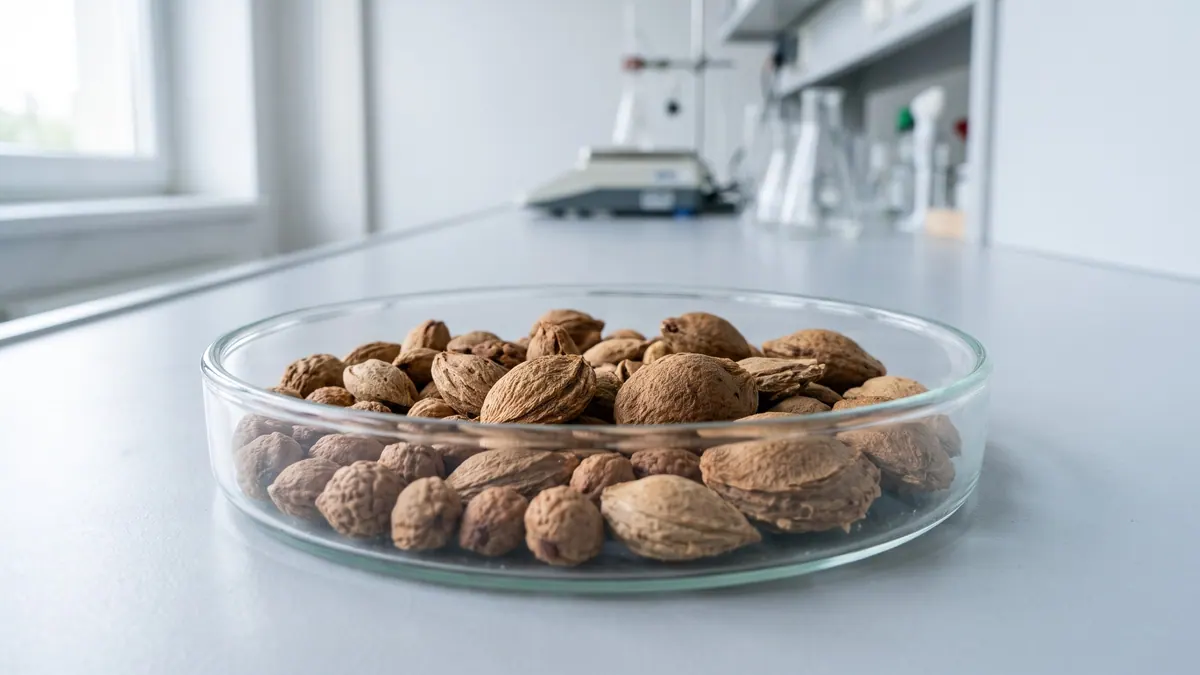
Stone-fruit stones (plum, cherry, apricot) — BMP: 3 studies, weighted mean 84 m³ CH₄/t VS
84 m³ CH₄/t VS weighted mean from 3 studies
negative — editorial rating for biogas plants≈52 %
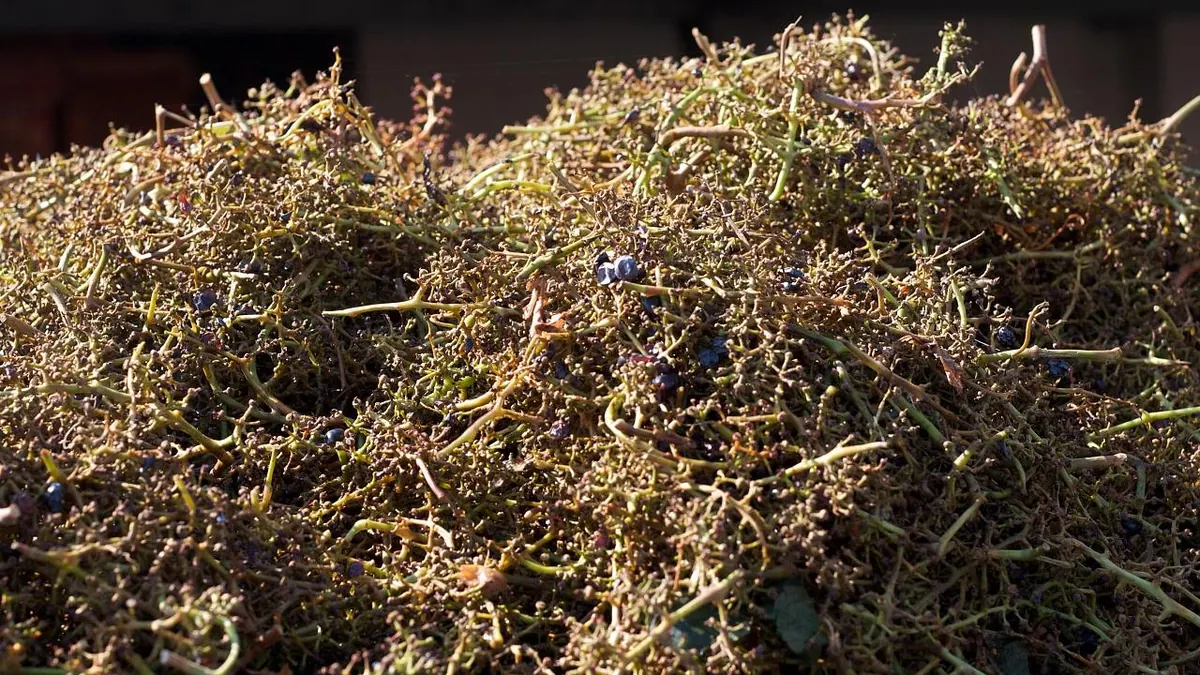
Grape stalks — BMP: 3 studies, weighted mean 137 m³ CH₄/t VS
137 m³ CH₄/t VS weighted mean from 3 studies
≈53 %
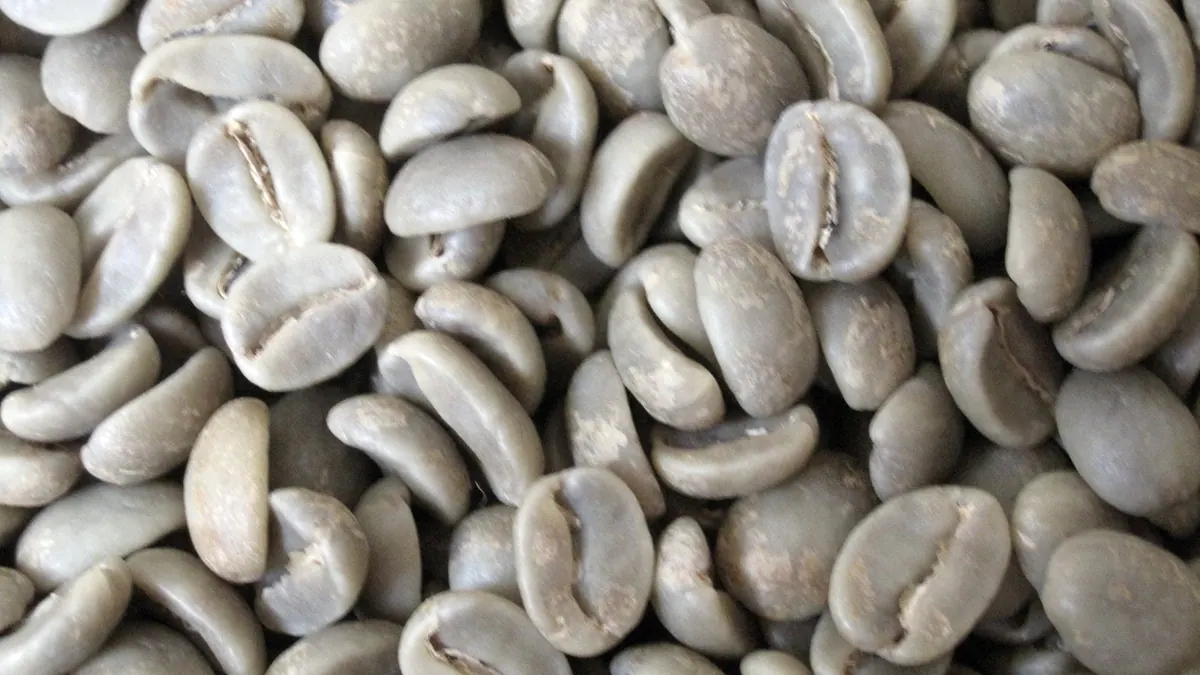
Green coffee processing residues — BMP: 2 studies, weighted mean 138 m³ CH₄/t VS
138 m³ CH₄/t VS weighted mean from 2 studies
neutral — editorial rating for biogas plants≈52 %