Process biology and start-upGuide
How to restart a digester after winter or a long shutdown: principles of a safe return
Returning a digester to operation after a winter temperature drop or shutdown is a biological process, not a switch. We describe the principles, the order of decisions and the parameters to monitor.
Other language versions: Polski, Deutsch, Español, Français, Italiano, Nederlands.
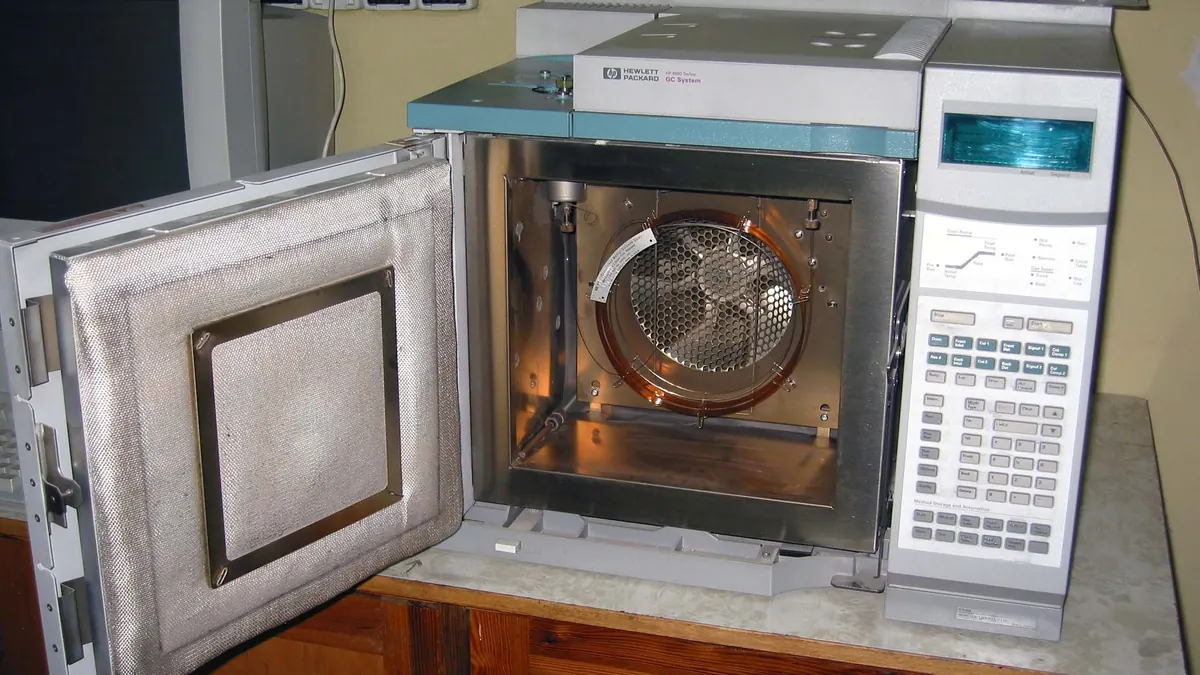

Restarting a digester after winter, a failure or a longer shutdown is first and foremost a biological problem. Methanogenic microorganisms grow slowly and tolerate rapid changes poorly, so a safe return to operation depends on the order of steps: first an assessment of the state, then gradual restoration of temperature, then mixing, and only at the end a careful increase in feed rates. Haste is the most common cause of acidification after a restart.
Step one: assessing the situation
Answer these questions:
- How long did the shutdown or chilling last and how low did the temperature fall?
- Was the mixing switched off during that time (sediment, scum, stratification)?
- What were the parameters before the stoppage: VFA, pH, alkalinity, FOS/TAC, biogas composition?
- Have any fittings been damaged, or have pipes or safety systems frozen?
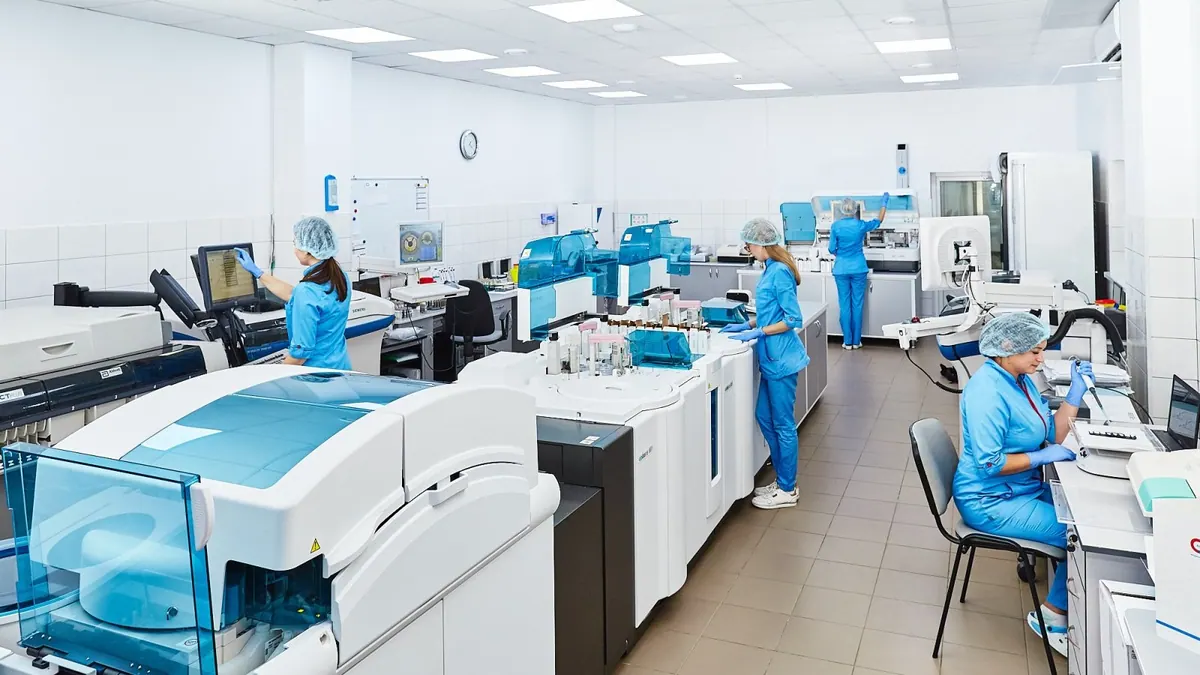
For the assessment, representative samples are taken from several places and analysed in line with laboratory procedures. See FOS/TAC and monitoring digester biology.
Step two: technical and safety inspection
Before the process starts, check the safety devices, gas systems, sensors and agitators. In winter, drains, impulse lines and fittings may have frozen. Work in explosion hazard zones, inside tanks and on gas systems is carried out by authorised persons in line with the plant manual, the explosion protection document and the risk assessment. We do not give instructions for carrying out such work here. The general framework is described in the articles on ATEX at a biogas plant and on digester start-up.
Step three: temperature
Methanogenic microorganisms are sensitive to abrupt temperature changes, especially in thermophilic mode. The principle is that temperature is raised gradually, so that differences within the tank are small and the population can adapt. The literature and practice cite a rate of about 1 °C per day or slower, and more cautiously for thermophiles. The actual pace is set by the state of the plant: heating capacity, volume and the behaviour of the biological parameters.
During heating:
- keep mixing going according to the manual, to even out the temperature and avoid local overheating near heat exchangers,
- watch the biogas: its quantity and composition, because a rise in CO₂ and a fall in CH₄ can indicate worsening methanogenesis,
- do not treat a rise in gas production as proof that everything is fine if VFA are rising.
Step four: feeding
When the temperature is stable and the biological parameters are in order, feeding begins. Good practices:
- Start with a small fraction of the pre-shutdown feed rate and increase it in steps, each after the parameters have stabilised.
- Prefer substrates that are easy to degrade and stable (e.g. slurry, well-ensiled silage), and be cautious with very energy-rich additions.
- Feed in portions spread over time, not all at once.
- Keep the recipe constant, because changes in composition add to the risk of a restart.
Ideal results are confirmed by assessing the trend: falling VFA, stable alkalinity, stable pH and a rising methane content in the biogas indicate progress. Rising VFA, falling alkalinity or falling pH mean that further increases in feed rate should be halted. How to proceed in the case of acidification is described in the article on digester acidification.
When the shutdown was long or the temperature fell very low
After long chilling, biological activity may be significantly reduced. Sometimes it is quicker and safer to supplement the microbial biomass with inoculum from another, operating plant (after agreement and in compliance with legal and sanitary requirements) than to wait for spontaneous recovery. The decision on such a solution is made on the basis of analyses and consultation with a process adviser.
The most common mistakes at restart
- Heating too fast. An abrupt rise in temperature creates local overheating zones near heat exchangers, and microorganisms lose activity.
- A full feed rate from day one. After a shutdown the population is weakened, so the usual feed rate can overload it. The result is a rise in VFA, a fall in pH and inhibition of methanogenesis.
- Ignoring mixing. After a long standstill, sediment may lie at the bottom and scum on the surface. Switching on the agitators without assessing the situation can suddenly release large amounts of gas and change the composition of the suspension, so always act according to the plant manual.
- Relying on pH alone. As described in the article on the bicarbonate buffer, pH responds with a delay, whereas alkalinity and VFA give an earlier signal.
- No records. Without data it is impossible to assess which step helped and which did harm.
What to monitor in the first weeks
In the first period after restart, observe daily the quantity and composition of the biogas (CH₄, CO₂, and also H₂S as an indicator of conditions in the tank), the temperature at several points, the current drawn by the agitators (which can indicate changes in suspension density and mixing resistance) and heat consumption. In the laboratory, determine pH, VFA and alkalinity at the frequency set in the plan, more often at first and less often once things have stabilised. When results remain stable for several consecutive retention cycles, the process can be considered rebuilt. Until then, introduce every change of recipe separately, so that the effects are clear.
Restart checklist
| Stage | What to check | Criterion for moving on |
|---|---|---|
| Assessment | VFA, pH, alkalinity, FOS/TAC, biogas composition | results interpreted, plan recorded |
| Technical | fittings, drains, sensors, agitators | safety devices working, acceptance by authorised persons |
| Temperature | rate of rise, distribution in the tank | no local overheating, stable temperature |
| Feeding | VFA, pH, quantity and composition of biogas | stable indicators after each step |
Record all parameters and decisions. After the season, this documentation will let you shorten the next restart and avoid repeating mistakes.
Sources
Questions and answers
How quickly can the full dose be restored after a shutdown?
A single value cannot be given. It depends on the state of VFA and alkalinity and on the response of the biogas. Increase the dose in stages and wait for the parameters to stabilise.
Related articles