Safety and ATEXGuide
Silage gases and safety at silos: NO₂, face collapse and machinery movement
Silos and silage clamps are the scene of many accidents: fermentation gases, oxygen deficiency, collapse of the clamp face and machinery movement. We describe the hazards and measures.
Other language versions: Polski, Deutsch, Español, Français, Italiano, Nederlands.
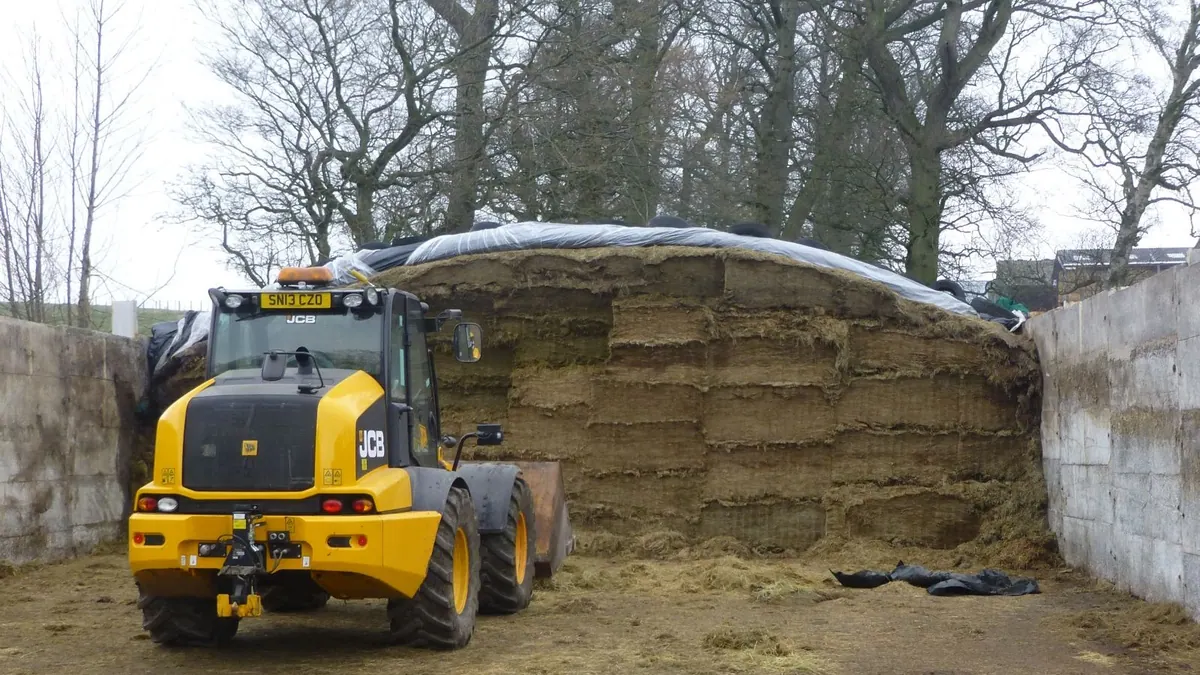

Maize or grass silage is the basic substrate of many agricultural biogas plants, and the place where it is stored is among the most dangerous on the site. Accidents at silos result from three groups of hazards: gases formed in the silage, an unstable body of material and the movement of heavy machinery. This text concerns the safety of people; quality losses and logistics are discussed in the article Silage storage at a biogas plant.
Gases formed in silage
In the first days after ensiling, the plants continue to respire and ferment. Reactions take place in which CO₂ is formed and, under certain conditions, also nitrogen oxides (NOx), mainly NO₂, resulting from the transformation of nitrates present in the plant, especially after drought or over-fertilisation with nitrogen. NO₂ is a reddish-brown gas, heavier than air, with a sharp smell, which in a tower silo collects in the lower part and on the surface of the silage.
The peak of the hazard usually falls in the first 2–3 weeks after filling, but can last longer. In open silos and at clamps concentrations are lower because of ventilation, but they can persist in depressions next to walls and under the film.
Silo filler's disease
NO₂ acts on the lungs by damaging the alveoli, and symptoms can appear with a delay of up to several hours: cough, breathlessness, chest pain and, in severe cases, pulmonary oedema. A person who has inhaled the gas and feels better may still need help. For this reason every contact with suspected silage gas ends with contact with a doctor, even if the symptoms are mild.
Rules for reducing risk:
- Do not enter a tower silo in the first weeks after filling and without ventilation.
- Ventilate the silo before entry and throughout the work, forcing airflow.
- Measure oxygen, and where possible and justified also NO₂ with a meter with a suitable sensor.
- Use a safety line and a second person outside who has a means of communication and knows what to do.
- Mark silos with warning signs and a no-entry ban.
CO₂ and oxygen deficiency
CO₂ from fermentation forms layers near the surface of the silage in tower silos and in closed bunkers. As described in the article CO₂, ammonia and oxygen deficiency at a biogas plant, the hazard consists in displacement of oxygen with no warning from smell. Entering a silo requires measurement of the oxygen concentration and treating it as a confined space, with an entry procedure and a safety line.
Collapse of the clamp face
The clamp face is the vertical or near-vertical wall of silage. Uncontrolled undercutting, excessive height and wet, heavy material can cause a collapse that buries people and equipment. Rules:
- do not stay under an overhang or at a distance smaller than the height of the face (with a margin),
- remove silage evenly, in layers from the top, without tearing out the bottom,
- do not climb onto the top of the clamp without protection against falling,
- do not work at a height that goes beyond the reach of the machine.
The clamp face should be planned already at the stage of building the clamp: height, side angle and layout affect both silage quality and safety.
Machinery movement
On the yard by the clamps, tractors, loaders, lorries and people work at the same time. Typical hazards are being struck when a machine turns, lack of visibility behind a machine, a pedestrian being run over, and a machine overturning on a slope or at the edge of the clamp. Measures to reduce risk:
- Setting one-way traffic and turning points.
- Separating pedestrian traffic from machines; a ban on people being in the loader's work zone.
- Reversing cameras and audible warnings, keeping windows and mirrors clean.
- Training of operators and assessment of their qualifications, a ban on working without authorisation.
- Checking the stability of the clamp edges before a machine drives on.
Working alone
Many accidents with serious consequences are related to the fact that the injured person was alone and nobody could call for help. Lone working at silos should be limited to low-risk tasks. In other cases communication, regular check-in reports and a system for calling help are used.
Instruction and training for seasonal workers
Harvest and ensiling is a period when people from outside the permanent crew also work at the silos: drivers, operators of external machinery and seasonal workers. Before the first day of work, each of them should hear a short briefing: where they may be, where they must not enter, what the warning signal is, whom and how to call for help, and that contact with silage gas means a visit to the doctor. It is good to convey this also as pictograms on a board at the entrance, because some people do not read written instructions. The detailed scope of occupational health and safety training should result from the risk assessment of the workplaces.
Typical mistakes
- Entering a freshly filled silo "just for a moment".
- No signage and no training for seasonal workers.
- Undercutting the clamp face to speed up work.
- No emergency plan and no knowledge of the location of emergency numbers on the site.
- Ignoring symptoms after exposure to silage gases.
Sources
Related articles