Tanks and membranesAnalysis
Single-membrane, double-membrane or rigid roof? Choosing the tank cover for the investor
A digester cover can be a single- or double-layer membrane or rigid. We compare them in terms of gas, wind and snow, servicing and cost.
Other language versions: Polski, Deutsch, Español, Français, Italiano, Nederlands.
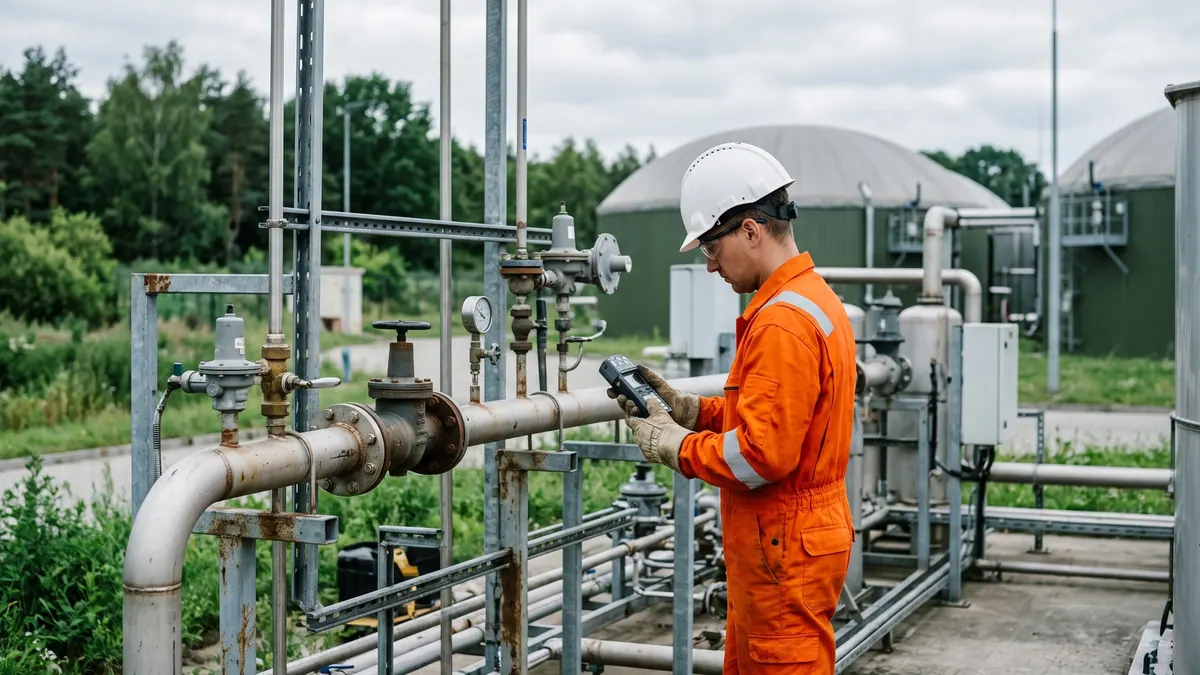
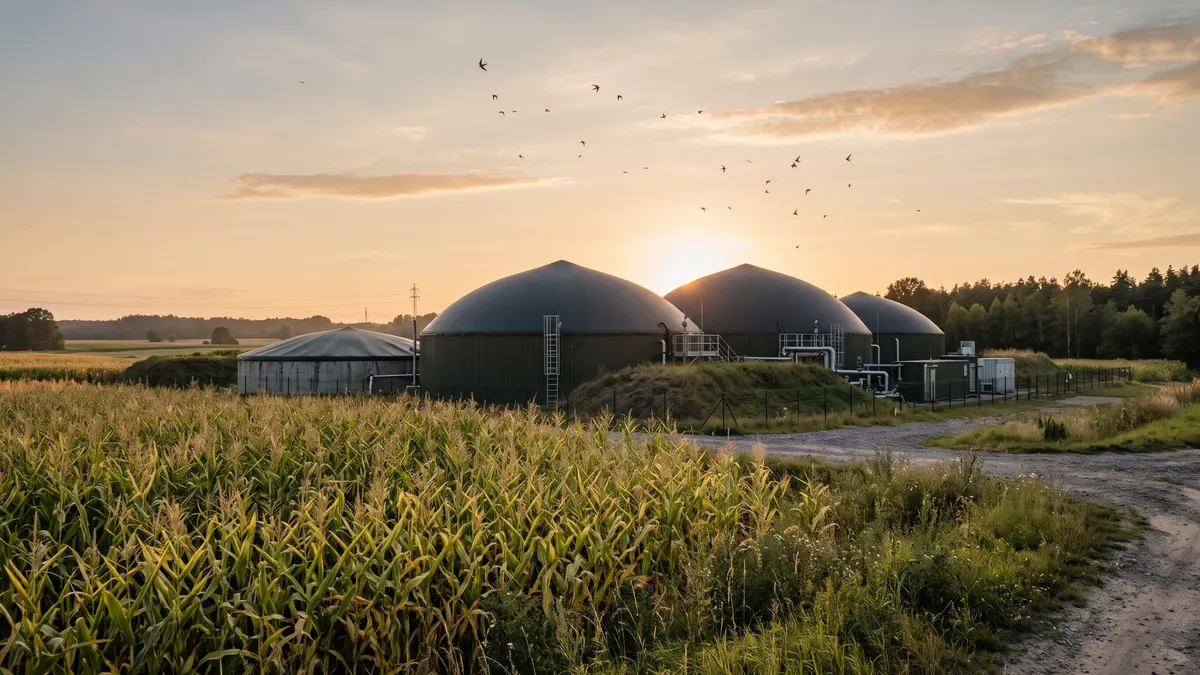
The tank cover is an element intended to seal the tank from above and often also to store gas. The choice between a single-membrane, double-membrane and rigid roof has no single answer: it depends on the location, the required gas capacity, the servicing policy and the life-cycle budget. This text is a decision tool; the construction of the double-membrane roof is described in the article Biogas storage and the double-membrane roof.
Three solutions
Single-membrane. One membrane forms the cover, under which the gas collects. The shape depends on the amount of gas and the external loads, because there is no air cushion. The structure often requires support, for example by ropes, and is sometimes used on digestate tanks, where the requirements for weather protection are lower.
Double-membrane. The inner membrane separates the gas from the air, and the outer one protects it from the weather and gives the shape thanks to a blower maintaining pressure in the space between the membranes. The solution is the most common in new agricultural biogas plants.
Rigid. A reinforced concrete slab or a steel roof closes the tank; the gas is stored in a separate tank or in an extended space under the roof. The solution is found where strength requirements are high or where a separate gas tank is integrated.
Comparison
| Criterion | Single-membrane | Double-membrane | Rigid |
|---|---|---|---|
| Gas storage | yes, variable volume | yes, inside the inner membrane | no (separate tank) |
| Protection of the gas from weather | low | high | full |
| Resistance to wind and snow | depends on shape and tension | good with constant air pressure | very good |
| Auxiliary power supply | usually no | blower required | no |
| Servicing | simple, but repairs are exposed to weather | requires checking the blower and pressure | rare, but costly in case of damage |
| CAPEX | lowest | medium | highest |
| Risk of mechanical damage | higher | lower for the inner membrane | lowest |
Gas capacity
The required gas capacity is determined from the biogas production and the time for which we want to store it, for example in case the consumers stop (CHP or upgrading plant). It is usually from several to over ten hours of production. If the membrane cannot hold that much gas, an additional tank is needed. The capacity of the roof depends on its height and changes with pressure; the details are selected by the manufacturer.
Wind and snow
A membrane roof requires pressure stabilisation. With a double-membrane roof it is provided by a blower, which compensates wind and snow load, and with a single-membrane roof by the gas pressure and the rope structure. A rigid roof is the least sensitive here, but requires calculations according to the load standards. With a membrane roof, climatic loads must be assessed separately for the specific location.
Servicing and risk
A membrane roof has the shortest life: over ten years for membranes, after which replacement is a planned operation. The risks are: puncture, tear, blower failure, condensation and ice. A rigid roof requires surface and seal maintenance rather than replacement, but any repair in the gas zone can be costly and difficult to carry out during operation.
Explosion hazard zones
The space above the liquid and inside the cover is usually classified as an explosion hazard zone, and the surroundings of the roof and the valves as zones of lower hazard. The classification results from the explosion protection document and decides the selection of equipment, for example blowers, sensors and lighting, in line with Directive 2014/34/EU. Do not assume that every solution has the same requirements: a double-membrane roof with a blower motor may require rethinking the location of the equipment.
Life-cycle cost
Instead of comparing the purchase price, add up:
- CAPEX: membrane, structure, fixings, blower, automation,
- OPEX: blower energy, inspections, repairs, insurance,
- replacement: frequency and cost, including downtime,
- gas losses and risk: leaks, weather events.
A single-membrane roof may come out cheapest in CAPEX but have a higher OPEX; a rigid one the opposite. The choice is a matter of the level of risk that the investor accepts.
What to look out for
When comparing offers, require the same input data from all bidders: climatic loads, gas capacity, zone classification and the warranty period with the conditions for maintaining it. Without a common basis the price is hard to compare, because some offers include a standby blower and automation, and others do not. These differences often decide the real cost.
Summary
A double-membrane roof is a reasonable standard for digesters with gas storage, a single-membrane one for simple applications, and a rigid one for demanding conditions and integration with a separate gas tank. Before deciding, collect climatic data, Ex requirements and a servicing plan.
Sources
Related articles