Tanks and membranesGuide
Membrane roof replacement: downtime planning, weather window and safety rules
Replacing a membrane is one of the more difficult overhauls at a biogas plant. We describe the schedule, choice of date, CHP and flare operation during the work, and acceptance.
Other language versions: Polski, Deutsch, Español, Français, Italiano, Nederlands.
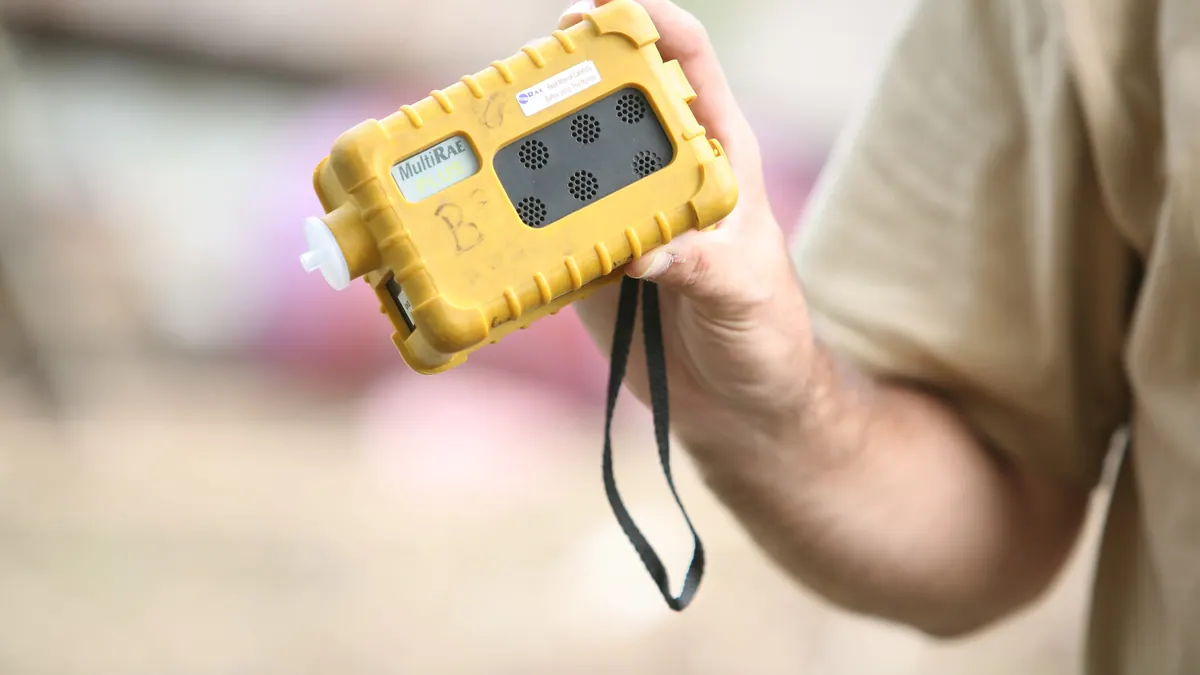
Replacing a tank membrane is one of the few jobs at a biogas plant that combine explosion hazard, work at height, dependence on the weather and the need to change the operating mode of the entire installation. A well-planned downtime is shorter, costs less gas and is safer, because most of the risk is removed before the crew goes onto the tank. Below are the elements that the operator should agree with the contractor.
Schedule and preparation
The first stage is the decision to replace and the ordering of the material. The lead time for a made-to-measure membrane is sometimes counted in weeks and occasionally in months, so it is ordered in advance. Preparations include:
- collecting data on the tank: diameter, wall height, fixing arrangement, position of penetrations, ropes and supporting structure;
- inspection of the structure under the membrane and of the top of the wall, and an assessment of the need for repairs (corrosion of anchors, unevenness of concrete);
- determining the contractor's scope: dismantling, disposal of the old membrane, installation, tests;
- agreeing access: crane or lifting platform, storage area, access road;
- notifying the insurer and, if the procedure requires it, the persons responsible for supervision or safety.
Choice of date and weather window
Installing a large membrane is sensitive to wind, precipitation and temperature. Welding or gluing requires specific conditions, and unrolling a sheet in wind is dangerous and difficult. The choice of date is based on:
- the average distribution of wind and precipitation in the given region, with attention to the short-term forecast;
- the temperature at which welds can be made in accordance with the instructions;
- a time reserve for delays, because a day of bad weather means a day of interruption;
- the seasonality of substrate availability and heat demand, e.g. we avoid the period in which heat from the CHP is essential for drying or heating.
Operation of the installation during the overhaul
Entering the interior of an emptied tank is described in the article on work in confined spaces. Before the work the gas level in the tank is lowered to the minimum value possible without drawing air into the system. The decisions that have to be made:
| Issue | Question | Typical solution |
|---|---|---|
| CHP | does it run during the overhaul | running on gas from the remaining tanks or standstill |
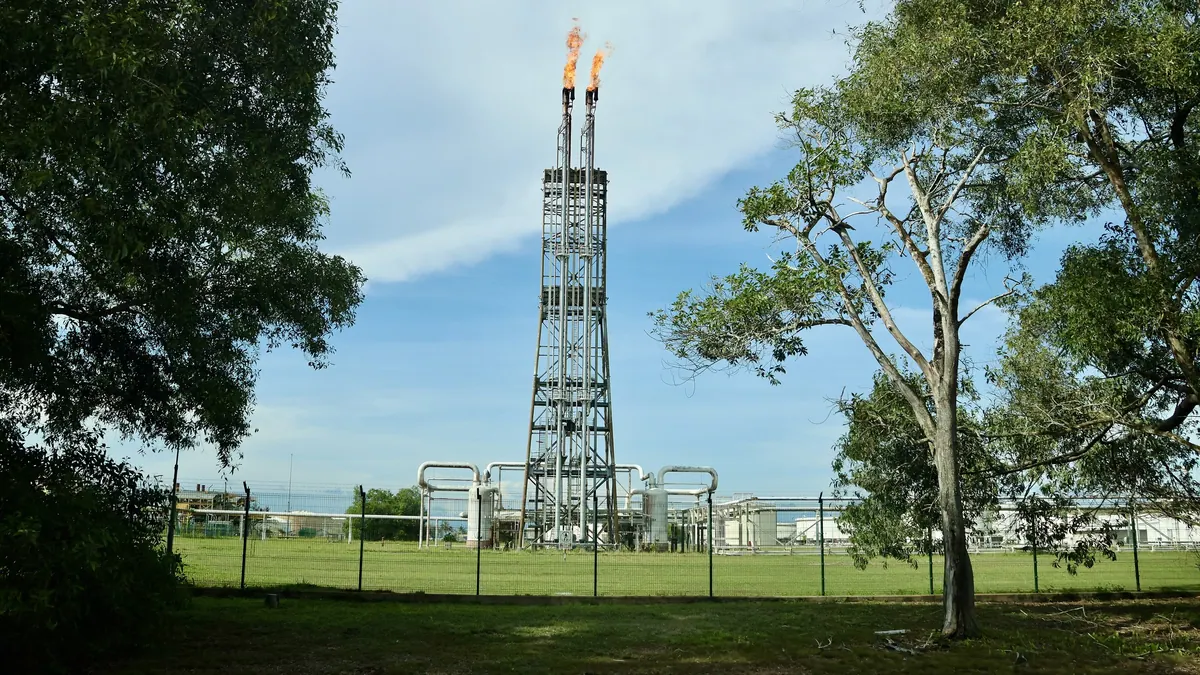
| Flare | does it take the surplus gas | yes, with a check of its operation and safety rules |
| Substrate feed | should dosing be reduced | usually a reduction, to limit gas production |
| Gas outlet | are there crossovers, valves, isolation | isolating the tank from the main installation |
In installations with a single digester, a tank standstill means practically a standstill of the entire biogas plant, so a period is often used in which surplus or low gas production minimises losses. Gas that cannot be utilised is burned in the flare, and emissions from burning in a flare are lower than free release of methane.
Ex zones and the explosion protection document
The employer is obliged to assess the explosion risk and to describe the measures in the explosion protection document, in accordance with Directive 1999/92/EC and its transposition into national law (more in the article on ATEX at a biogas plant). For a membrane replacement this document must be updated or supplemented with a work instruction. It contains, among other things:
- designation of hazard zones for the duration of the work, taking into account that the zone around an open membrane changes;
- a list of tools and equipment approved for work in the zones;
- rules for hot work, if it is foreseen at all, together with a written permit;
- rules for atmosphere measurement and alarming;
- requirements for the qualifications and training of the persons carrying out the work.
Work at height
The tank roof is not a surface to walk on. The crew works on the structure, nets, platforms or lifting platforms, with fall protection. Before starting, anchor points, the evacuation route and the rules for deteriorating weather must be defined. In addition, it must be taken into account that a sharp edge at the top of the wall can cut a safety rope.
Acceptance and tightness test
After installation the following are carried out:
- inspection of welds and fixings with a record;
- a check of the tightening and placement of the fasteners;
- a tightness test in accordance with the supplier's instructions, e.g. a pressure test of the inter-membrane space and a check with a gas detector after filling;
- an assessment of the operation of the valves and the blower system;
- gradual filling of the tank, with observation of the roof shape.
Only after a positive result does the plant return to normal operation. The as-built documentation (material certificates, weld records, test results) is archived together with the tank documentation.
Operator checklist
- Ordering the material and confirming the date.
- A plan for CHP and flare operation for the duration of the overhaul.
- An updated explosion protection document and work instruction.
- A reserve in the weather window and an emergency plan for deteriorating weather.
- Procedures for work at height and atmosphere monitoring.
- Acceptance and tightness test records.