
Law and regulationExplainer
What is NC RfG for CHP and when does it apply to a biogas plant?
NC RfG is the EU network code setting technical requirements for generating units connected to the grid. We explain types A–D and the consequences for a CHP unit.
Other language versions: Polski, Deutsch, Español, Français, Italiano, Nederlands.


NC RfG (Network Code on Requirements for Generators) is the common name for Commission Regulation (EU) 2016/631 of 14 April 2016 establishing a network code on requirements for grid connection of generators. For a biogas plant it means a set of technical requirements that the cogeneration unit (CHP) must meet in order to work with the electricity grid safely and predictably.
Why the code exists
The electricity system has to maintain a power balance and frequency stability. A large number of distributed sources behaving differently during disturbances could destabilise the system. The code harmonises the basic requirements for all EU countries: how a unit reacts to changes in frequency and voltage, how long it must remain connected during disturbances, what active and reactive power control it must provide and what the quality of measurement and communication must be.
Unit types A–D
The regulation divides generating modules into four types according to connection voltage and maximum capacity. Type A covers the smallest units connected below 110 kV, while types B, C and D are successively higher capacity thresholds (type D also covers connection at a voltage of 110 kV and above). The specific capacity thresholds for types B, C and D are set by the Member States within the limits laid down in the regulation; in Poland the values are indicated by national decisions and documents of the regulator and operators. The principle remains constant: the higher the type, the more requirements, and type D has the most.
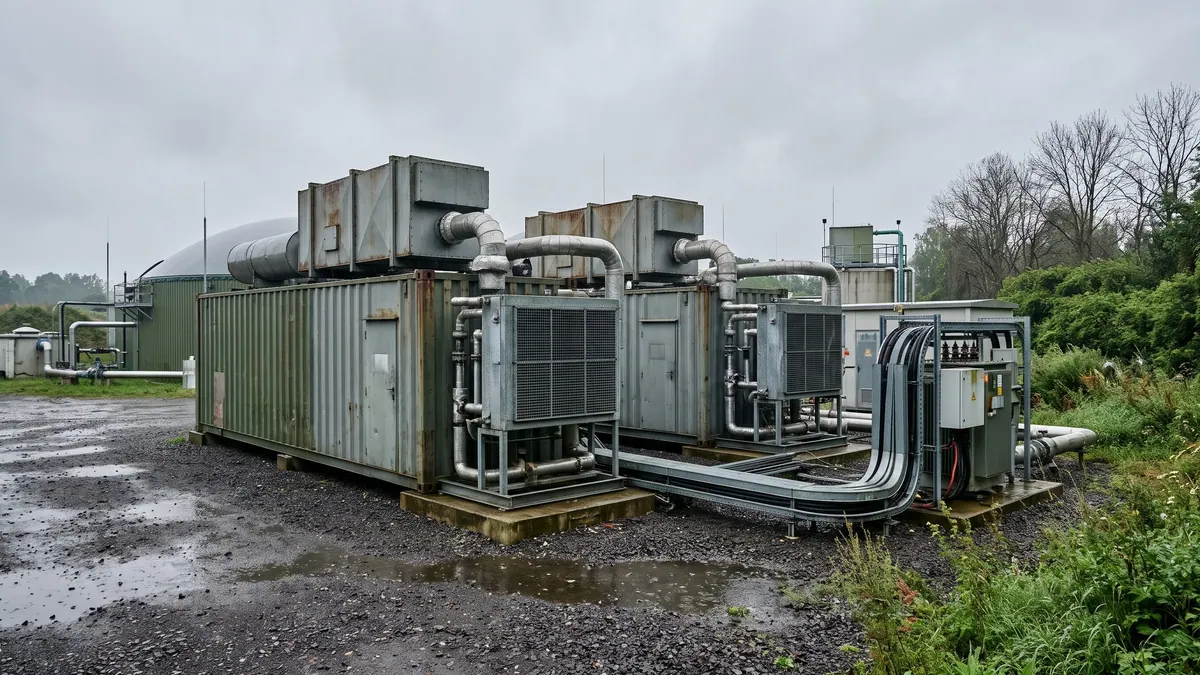
A typical agricultural biogas plant with one or two units with an electrical output from several dozen kW to several MW falls into types A or B. Adding up the capacity of several units at one connection point can affect the classification, so this question is settled in the connection documentation, not on the basis of the capacity of a single engine alone.
What this means for a CHP unit
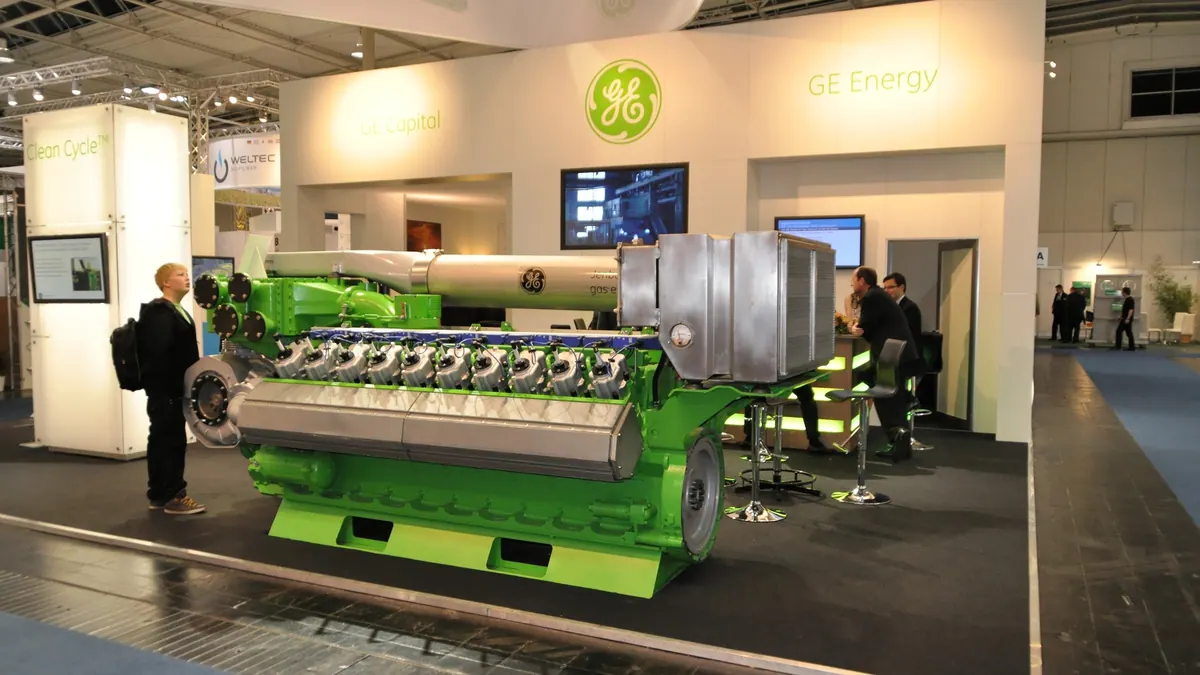
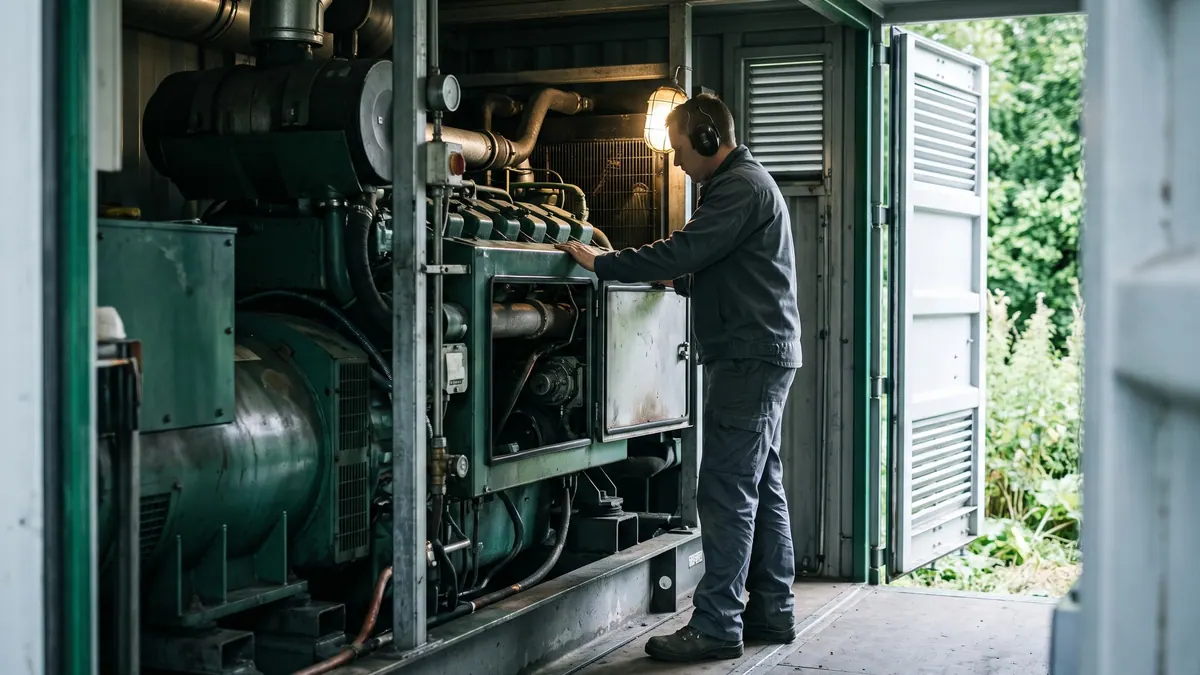
A CHP set with a gas engine and a synchronous generator is a "synchronous power-generating module". For such units the regulation provides, among other things:
- frequency ranges and the times for which the unit must remain connected,
- behaviour under frequency changes (for example limiting active power at over-frequency),
- the ability to operate within a specified range of reactive power,
- requirements on the ability to ride through short circuits in the grid (in the higher types),
- requirements on the voltage and speed control system,
- requirements on measurement, signal exchange and remote control.
The specific settings of protection and controllers are determined by the grid operator in the connection conditions and in the distribution grid operation and maintenance instructions. The task of the integrator and the service provider is to implement them in the unit controller and the grid protection and to supply the compliance documents.
What the grid operator usually checks
At connection the operator usually verifies the technical data of the unit: rated power, generator parameters, frequency and voltage protection settings, the method of reactive power control and the metering and settlement arrangement. After construction is completed, an acceptance procedure is carried out with verification of the settings, and if there are changes (a new controller, a replaced generator) renewed confirmation of compliance may be required.
Relation to other requirements
NC RfG does not operate in a vacuum. It is supplemented by national grid requirements: the operation and maintenance instructions of the given operator's distribution grid, requirements for metering systems and the rules of cooperation with the system. In practice the operator translates the general provisions of the regulation into specific protection settings and control characteristics. For a biogas plant with part of its output used for its own needs, it is also important at which point the connection capacity is counted and how the system behaves with the grid during disturbances.
For a specific investment, what decides are the regulations and connection conditions issued by the operator, not a description from the literature. This principle applies to every network code: the legal text and the connection conditions are the final source of requirements.
Documents worth taking care of
- Connection conditions and the connection agreement with a reference to the technical requirements.
- A declaration or certificate of compliance of the module (depending on the type and national rules), as well as test documentation.
- Records of protection settings and of acceptance.
- Documentation of changes: modernising the controller or replacing the engine can affect compliance, so changes have to be notified to the operator.
The details of the connection process are described in the article on connecting a biogas plant to the electricity grid. The choice of unit supplier is best linked to the connection requirements already at the specification stage.
Sources
Questions and answers
Does NC RfG apply to a small agricultural biogas plant?
Yes, if the generating unit is connected to the grid and reaches the Type A power threshold. The scope of requirements depends on the type, and the specific parameters are indicated by the grid operator.
Related articles