

BMP testingFruit, vegetables and their residues
Longan peel, seed and waste — BMP: 3 studies, weighted mean 190 m³ CH₄/t VS
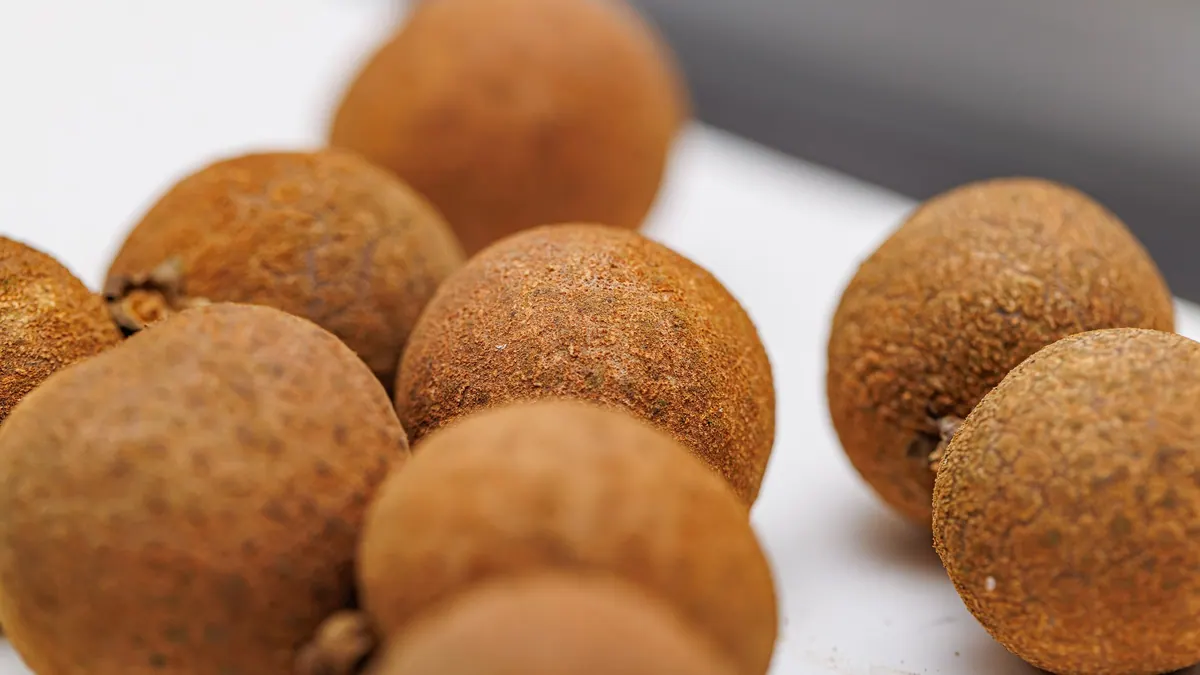
Longan (Dimocarpus longan) is a tropical fruit; the dataset includes peels, seeds and shredded waste from several studies, so results depend on the composition of the fractions.
Photo Dinkun Chen / Wikimedia Commons, licence CC BY-SA 4.0, source file; changes: cropping

- Weighted mean
- 190m³ CH₄/t VS
- Range
- 87–235m³ CH₄/t VS
- Records
- 3studies
- Publications
- 2sources
- Temperatures
- —of the test
Methane in biogas
Medium methane content · ≈ 5.2 kWh/m³ of biogas
estimate from the substrate type The collected studies contain no measurement. The interval follows from the approximate composition (protein from total nitrogen (N 1.1 % DM × 6.25)) and the yields of compound groups according to FNR.
Rating for biogas plants
not rated — editorial rating for biogas plants
Not rated: no dry matter or volatile solids in the data. We calculate the rating when the dry matter and volatile solids of the material are known.
Add to the co-digestion calculator CSV data
BMP curves from 3 studies
Weighted mean Individual records
Dashed lines are a model curve (first-order kinetics, B(t) = B₀·(1 − e−kt)); the end point comes from the publication. All curves are model curves.
Cumulative methane production over the test [m³ CH₄/t VS]. The thick line is the weighted mean of all records (190); dots mark the end values given in the publications. Point at the chart to read values; click a legend item to hide or show a record.
Records and sources
Download CSV| Source | BMP m³ CH₄/t VS | Temperature | Sample | Curve |
|---|---|---|---|---|
| Odedina et al. (2017) DOI | 235 | — | Chopped longan waste | end point (model curve) |
| Zhao et al. (2016) · 1 DOI | 87 | — | Longan (Dimocarpus longan) – Peel | end point (model curve) |
| Zhao et al. (2016) · 2 DOI | 202 | — | Longan (Dimocarpus longan) – Seed | end point (model curve) |
| Weighted mean | 190 | arithmetic mean 174, SD 78 | ||
Typical composition
- Volatile solids (VS)
- 94.3 % DM (range 91–97.7)
- Nitrogen
- 1.1 % DM
- C/N ratio
- 42.2
Median and range of the determinations reported in the publications behind this substrate's BMP records (read from: BCBPD); dry matter: 0 determinations, volatile solids: 2 determinations. C/N was calculated as the ratio of C and N content (% DM) from the same source. No DM in the sources – the calculator has to ask for a value.
Sources: Zhao et al. (2016).
The composition of the raw material varies between batches — for plant calculations use an analysis of your own sample. The calculator inserts typical values automatically.
Process properties
Low confidence: the description is based on general characteristics of the substrate group, not on studies of this material. Treat it as a hint to be verified.
Advantages
- Methane yield in the compendium: median 202 (range 87-235) m³ CH₄/t VS, 3 records from 2 studies (weighted mean 190).
Drawbacks and risks
- Longan waste (chopped) gave a lower yield than ground banana peels (Odedina et al. (2017))
Co-digestion — what to combine it with, what to watch out for
- combines well
substrates: easily degradable — e.g. Maize silage (whole crop), Food waste, Sorghum, whole crop, Whey, Beet leaves and tops
In BMP studies, easily degradable substrates increased the yield of the mixture with slurry (synergy in some mixtures).[1]
Dosing
No source limits on the dose for this substrate.
Sources of the process data
- Biochemical methane potential and biodegradability of complex organic substrates
- Effects of size and thermophilic pre-hydrolysis of banana peel during anaerobic digestion, and biomethanation potential of key tropical fruit wastes
- Bio-energy conversion performance, biodegradability, and kinetic analysis of different fruit residues during discontinuous anaerobic digestion
- Improvement of fruit and vegetable waste anaerobic digestion performance and stability with co-substrates addition
- Effect of particle size on biogas generation from biomass residues
The co-digestion calculator will assess a specific mixture containing this substrate.
What it is and where it comes from
Longan (Dimocarpus longan), known as the dragon's eye, is a fruit tree grown in South-East Asia and southern China. The fruit is sold fresh, dried or canned. The waste consists of the thin, brittle peel, the large glossy seeds and processing residues. The dataset contains several records from several studies: shredded processing waste, and peels and seeds separately. In Poland the fruit is only an imported commodity.
Properties relevant to digestion
Longan peels contain polyphenols and tannins, and the seeds contain starch and phenolic compounds in a hard coat. These fractions decompose more slowly than the flesh, which is rich in sugars. Shredded waste from processing plants is a mixture of fractions, so its composition is less predictable. Grinding improves enzyme access to the starch in the seeds. The material has a low protein content and a high C/N ratio, which favours combining it with nitrogen-rich wastes.
How to read the spread of results
The records concern different fractions of the fruit (peels, seeds, mixed waste), so variation is natural. There are also differences between studies: one examined shredded waste, in another the fractions were separated, and the temperature was not given in the data taken from the compilations. The variety, ripeness, degree of comminution, the share of seeds in the sample and the adaptation of the inoculum to polyphenols all have an effect. It should not be assumed that the value for mixed waste can be reproduced from the results for individual fractions without knowing the proportions.
In biogas plant practice
For a Polish biogas plant, longan is a curiosity from the literature. In fruit-producing countries, waste from processing plants can supplement the mix. Seed shredding, pH monitoring and gradual dosing because of the polyphenols are then recommended. Regardless of the country, investment decisions are best based on a BMP test of the actual waste batch, because the proportions of the fractions vary between processing plants.
Methodology in brief
BMP is the amount of methane obtained from volatile solids (VS) in a batch test, given in m³ CH₄ per tonne of VS (numerically the same as NmL CH₄/g VS in the publications) and converted to normal conditions (0 °C, 101.325 kPa). The weighted mean gives each publication a total weight of 1, split equally between its results for the substrate — a paper testing twenty varieties does not outweigh a paper with a single sample. In inter-laboratory programmes the unit is the laboratory (total weight 1), and within it the weight of a test grows with the number of bottles (replicates). Results after pretreatment (e.g. thermal, chemical, enzymatic) are shown separately and are not included in the mean.
Solid lines are curves measured in the tests. Where a publication gives only the final result, we draw a first-order kinetic model, B(t) = B₀·(1 − e−kt): only the end point comes from the publication, and the shape of the curve serves purely as visualisation — do not read the production on a particular day from it. For this substrate k = 0.245 d−1 was assumed (median of rate constants k reported in the sources and/or fitted to the mean measured curves).
The statistics describe the spread of published results — a descriptive compilation, not a meta-analysis or a guarantee of plant yield.
Bibliography
- Odedina, M.J.; Charnnok, B.; Saritpongteeraka, K.; Chaiprapat, S. (2017). Effects of size and thermophilic pre-hydrolysis of banana peel during anaerobic digestion, and biomethanation potential of key tropical fruit wastes. Waste Management 68, 128–138. DOI: 10.1016/j.wasman.2017.07.003 DOI
- Zhao, C.; Yan, H.; Liu, Y.; Huang, Y.; Zhang, R.; Chen, C.; Liu, G. (2016). Bio-energy conversion performance, biodegradability, and kinetic analysis of different fruit residues during discontinuous anaerobic digestion. Waste Management 52, 295–301. DOI: 10.1016/j.wasman.2016.03.028 DOI
All sources of the site: bibliography.
Other substrates in the group “Fruit, vegetables and their residues”
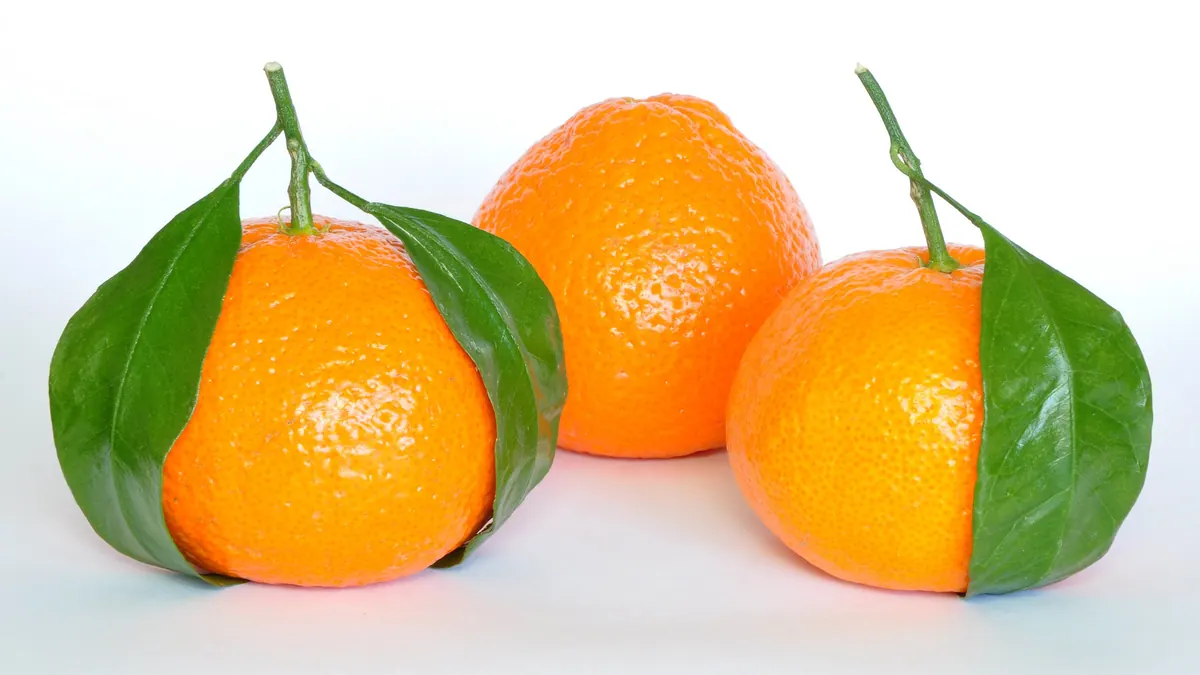
Citrus fruit (whole, pulp) — BMP: 5 studies, weighted mean 353 m³ CH₄/t VS
353 m³ CH₄/t VS weighted mean from 5 studies
neutral — editorial rating for biogas plants≈52 %
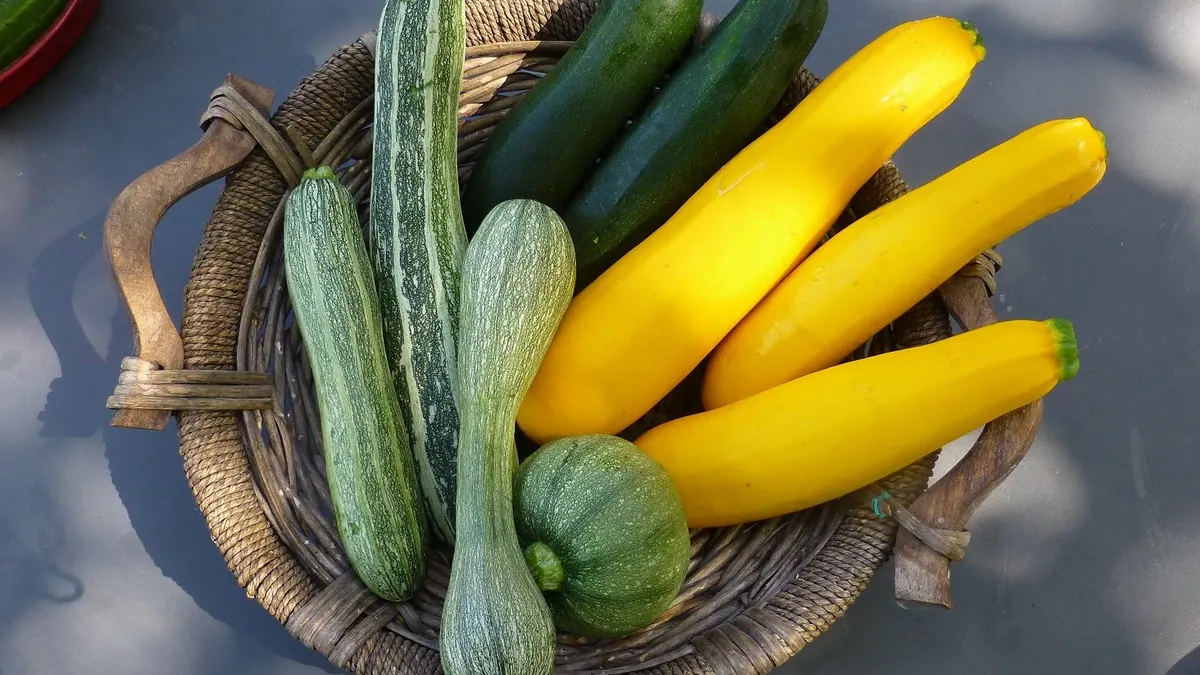
Zucchini and vegetable marrow — BMP: 4 studies, weighted mean 309 m³ CH₄/t VS
309 m³ CH₄/t VS weighted mean from 4 studies
≈52 %
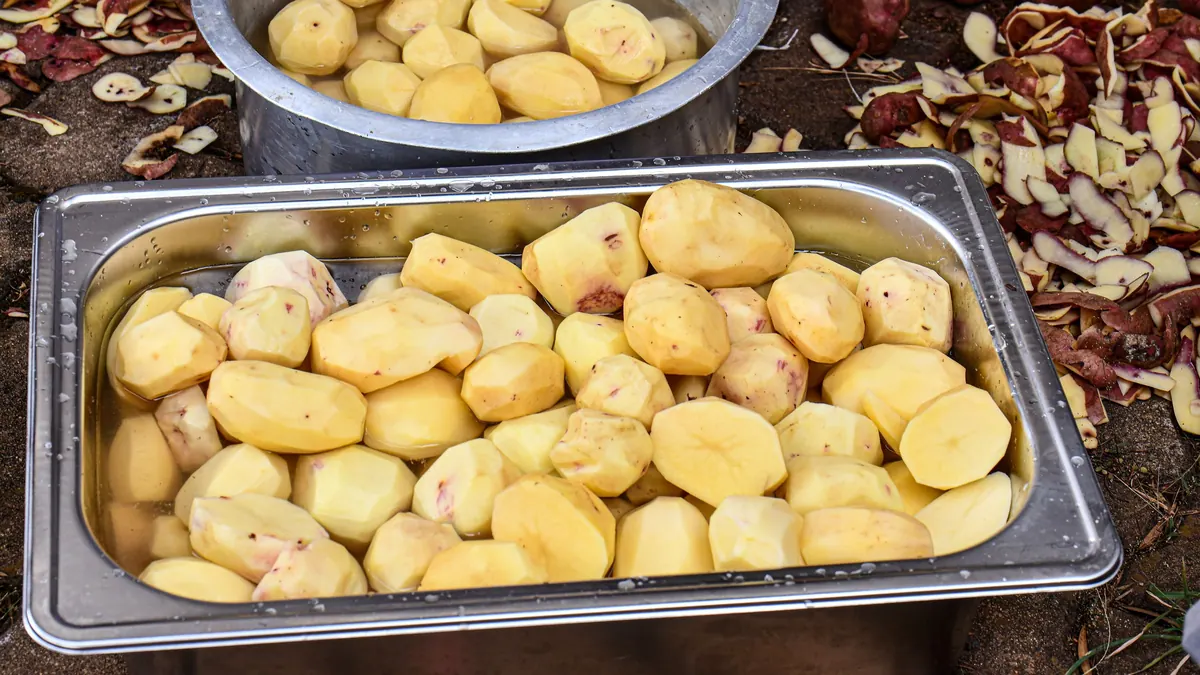
Potato peels — BMP: 5 studies, weighted mean 234 m³ CH₄/t VS
234 m³ CH₄/t VS weighted mean from 5 studies
neutral — editorial rating for biogas plants≈56 %
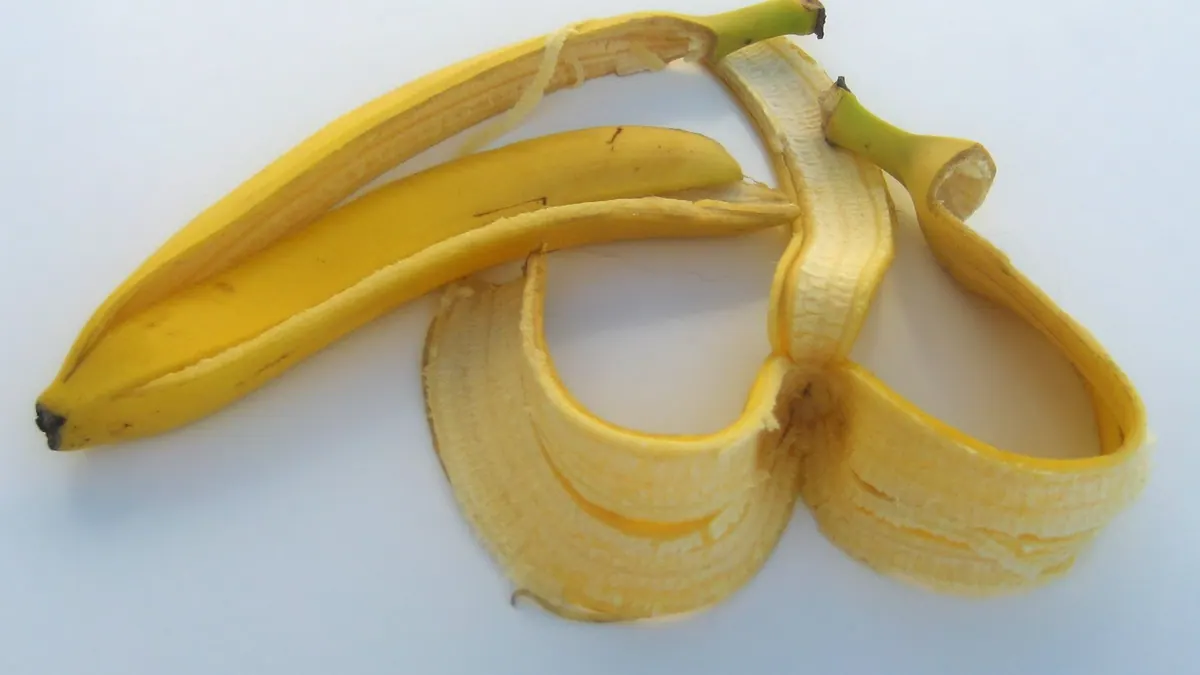
Banana peels — BMP: 17 studies, weighted mean 330 m³ CH₄/t VS
330 m³ CH₄/t VS weighted mean from 17 studies
good — editorial rating for biogas plants≈52 %