Safety and ATEXExplainer
Ignition sources at a biogas plant: 13 groups per EN 1127-1 and static electricity
Explosion risk assessment is not only about zones, but also about looking for ignition sources. We discuss the 13 groups from EN 1127-1 and, separately, static electricity.
Other language versions: Polski, Deutsch, Español, Français, Italiano, Nederlands.

Many people associate explosion safety with zone classification. That is only half of the job: the zone says where an explosive atmosphere may occur, but whether an explosion happens depends on whether an effective ignition source appears in that place. That is why the hazard assessment must systematically review all types of ignition sources, and not be limited to checking equipment markings. The methodological basis is the standard EN 1127-1. The zones referred to here are described in the article on classification of zones 0, 1 and 2.
Thirteen groups of ignition sources
The standard lists them in an order that is worth treating as a checklist.
- Hot surfaces, including those heated by friction or overload.
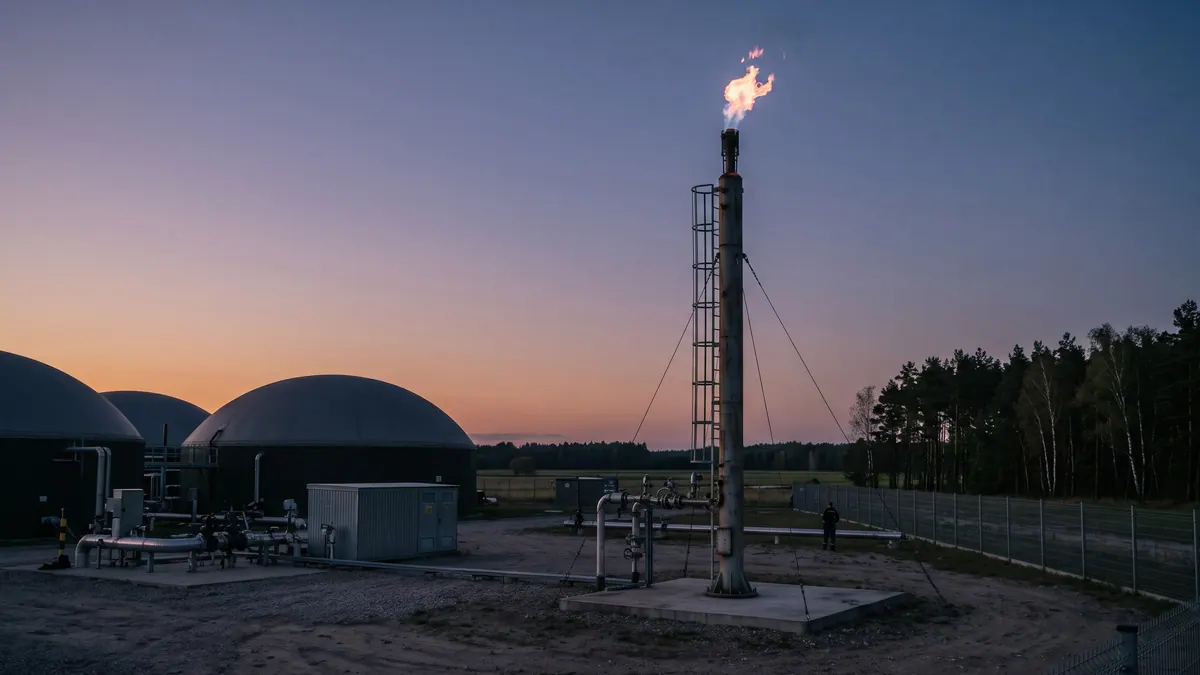
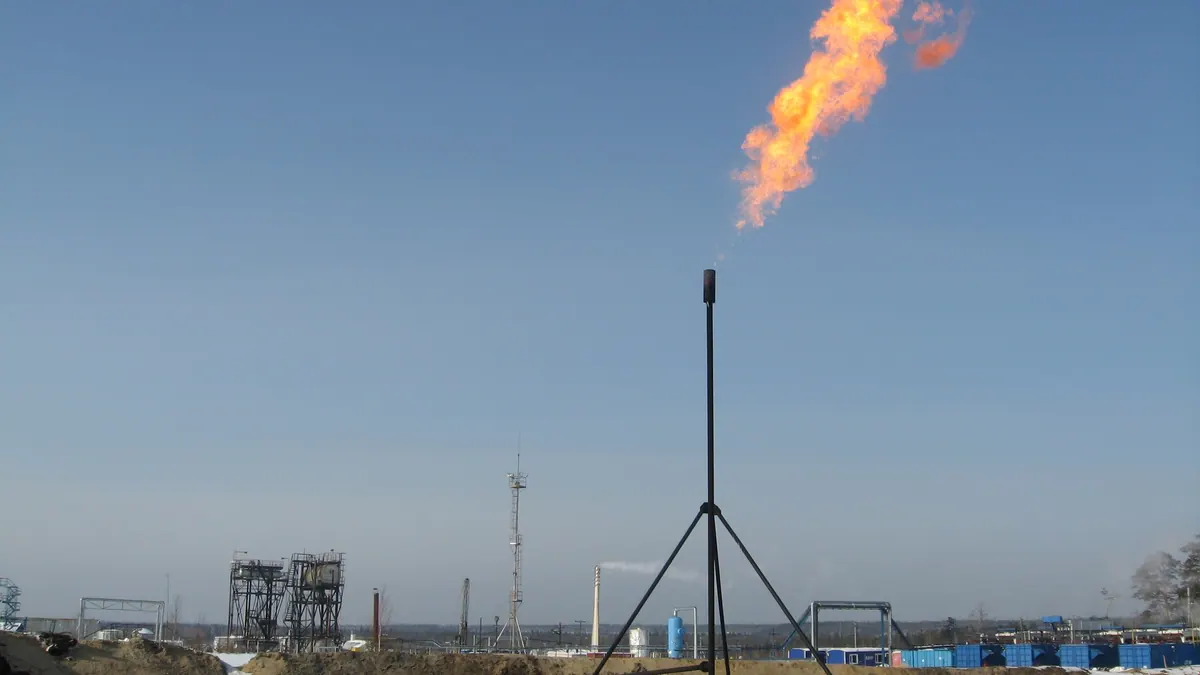
- Flames and hot gases, including glowing particles, engine exhaust and flare gases.
- Mechanically generated sparks from impact, friction or grinding.
- Electrical equipment, including sparks when circuits are made and broken.
- Stray currents and cathodic corrosion protection.
- Static electricity.
- Lightning strike.
- Electromagnetic waves at radio frequencies, for example transmitters and welding machines.
- Electromagnetic waves in the optical range, for example focused laser or solar radiation.
- Ionising radiation.
- Ultrasound.
- Adiabatic compression and shock waves.
- Exothermic reactions, including self-ignition of dusts and substances.
At a biogas plant most of them have practical significance: hot surfaces are the engine exhaust system and flue pipes, mechanical sparks arise during grinding and from tools, stray currents result from poor earthing, and pressure waves occur as a result of an earlier explosion. Lightning and hot work require separate procedures.
How to use this
For each place with an explosive atmosphere, the assessment should ask which of the thirteen sources may occur there in normal operation, in a foreseeable fault and in a rare fault. The answer depends on the zone: in zone 0 sources must be excluded even in rare failures, in zone 1 in foreseeable faults, and in zone 2 in normal operation. The results are entered in the explosion protection document and translated into measures such as the selection of Ex equipment, a ban on using phones in certain places, a permit-to-work system or inspection of tools.
Static electricity: the most often underestimated
Static electricity arises when two materials are separated: friction, the flow of a liquid or gas carrying particles, removing clothing. Charge accumulates on elements insulated from earth, and when the potential reaches breakdown value, a spark occurs. A methane–air mixture has an ignition energy of the order of 0.3 mJ, and the discharge from a charged, insulated person is often greater, so ignition is real, although a noticeable "shock" is not always enough to indicate it.
Typical situations at a biogas plant are:
- Insulated metal parts, for example a section of pipeline, a valve, a flange with an insulating gasket, or a ladder or platform with no connection to earth.
- Plastic pipelines and hoses, which become charged when gas containing particles or droplets flows through them and do not discharge the charge themselves; in zones, conductive or antistatic hoses with a continuous connection to earth are used.
- Films, membranes and conveyor belts made of insulating materials, on which charge accumulates; tank membranes have their own protective measures, so they must not be replaced with an arbitrary film.
- Clothing and footwear: in hazardous zones, clothing of suitable resistance and antistatic footwear are used; taking off a synthetic-fibre jacket near an open manhole is a real source of a spark.
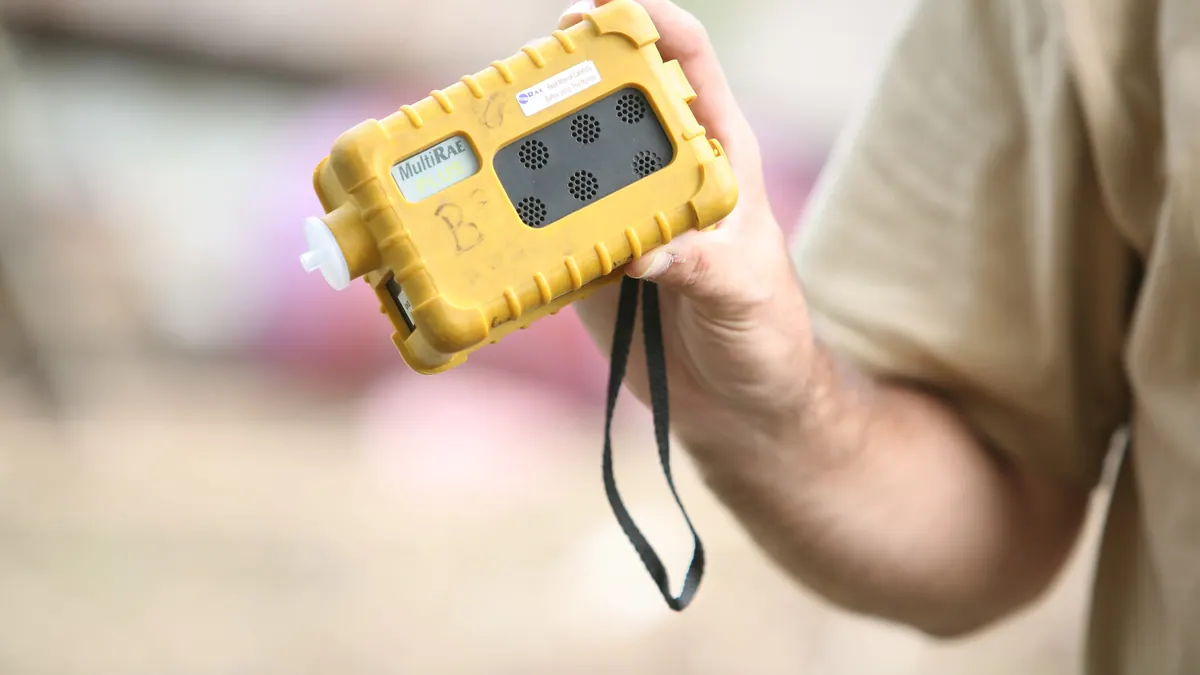
- Phones, torches and tools without Ex certification: in zones, Ex equipment is used or the bringing in of electronic devices is prohibited.
Preventive measures
The basis is equipotential bonding: all fixed conductive parts (pipelines, tanks, flanges, structures) connected to earth so that their resistance to earth is low. The values required in documents should be taken from standards and the design, not from memory. Further measures are limiting flow velocity, using conductive or charge-dissipating materials, checking the continuity of connections during inspections, and training staff.
How to document the ignition source assessment
An assessment makes sense only if it can later be checked and updated. For each zone, record which of the thirteen groups were considered, what measure was applied, who is responsible for it and when it will be checked. Such a record makes periodic inspections easier, and after a change to the installation, for example adding a pipeline or replacing a blower, it allows you to quickly identify which entries must be repeated. It is also worth adding transient states: start-up, shutdown, power failure and service work, because that is where a source nobody anticipated usually appears.
Typical mistakes
New structures are added without connecting them to equipotential bonding, a section of pipeline is replaced with a plastic one without a static analysis, and earthing checks are limited to visual inspection. It is also a mistake to assume that Ex-certified equipment is enough. Such equipment will not take an insulated structure or charged clothing out of use. It is best to treat static electricity as a permanent inspection item: once per the period stated in the documentation, measure the continuity of connections, and repeat the assessment after changes in the installation.
Sources
Related articles