

BMP testingFats, oils and animal by-products
Used cooking oil — BMP: 2 studies, weighted mean 730 m³ CH₄/t VS
Used vegetable oil from catering is a waste, high-energy lipid. It requires careful dosing owing to fatty acid inhibition and contaminants from frying.
rating: neutralCH₄ ≈ 63 % (estimate)
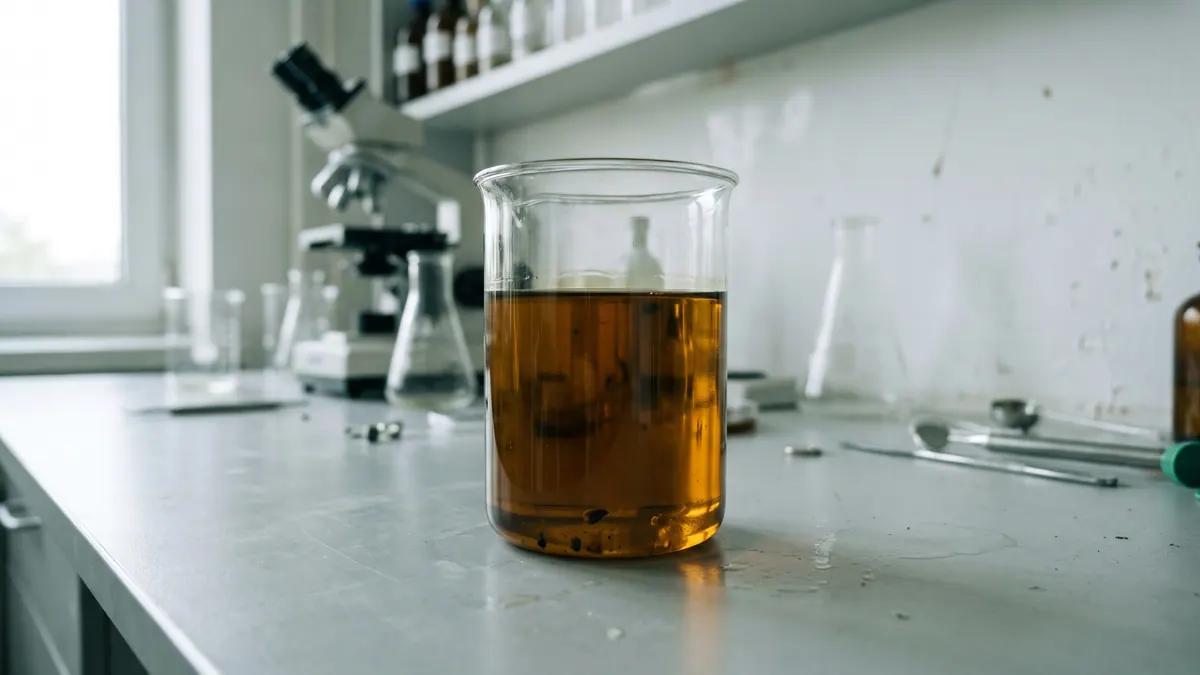
Illustration: FeedstockData (AI, Google Gemini)
- Weighted mean
- 730m³ CH₄/t VS
- Range
- 648–811m³ CH₄/t VS
- Records
- 2studies
- Publications
- 2sources
- Temperatures
- 35 °C, 37 °Cof the test
Methane in biogas
High methane content · ≈ 6.3 kWh/m³ of biogas
estimate from the substrate type The collected studies contain no measurement. The interval follows from the approximate composition (carbohydrate-dominated (no protein or fat characteristics); fat-rich (process classification)) and the yields of compound groups according to FNR.
Rating for biogas plants
neutral — editorial rating for biogas plantsNo clear advantages — worth charging a fee for accepting it
Potential per tonne of fresh matter: very high (727 m³ CH₄/t); process risk: fats, foaming. Handling costs: ABP cat. 3, physical contaminants (packaging, plastics), fibres, floating layer.
Why? Rating factors
Potential per tonne +3
- +3potential 727 m³ CH₄/t fresh matter (BMP 730 × DM 99.6 % × VS 100 %)
Process stability −1.25
- −1fats: risk of accumulation of long-chain fatty acids (LCFA), flotation and overloading
- −0.25foaming: tendency to form foam in the digester
Handling and costs −2.5
- −1ABP cat. 3: pasteurisation at 70 °C / 60 min
- −1physical contaminants (packaging, plastics) — depackaging and separation
- −0.5fibres, floating layer — shredding and intensive mixing
Total points: −0.75 · thresholds: ≥ 2.5 very good, ≥ 1 good, below — neutral; negative with cumulative process risk.
Add to the co-digestion calculator CSV data
BMP curves from 2 studies
Weighted mean Individual records
Dashed lines are a model curve (first-order kinetics, B(t) = B₀·(1 − e−kt)); the end point comes from the publication. All curves are model curves.
Cumulative methane production over the test [m³ CH₄/t VS]. The thick line is the weighted mean of all records (730); dots mark the end values given in the publications. Point at the chart to read values; click a legend item to hide or show a record.
Records and sources
Download CSV| Source | BMP m³ CH₄/t VS | Temperature | Sample | Curve |
|---|---|---|---|---|
| Labatut et al. (2011) DOI | 648 | 35 °C · mesophilic | Used vegetable oil | end point (model curve) |
| Li et al. (2013) DOI | 811 | 37 °C · mesophilic | Used vegetable oil | end point (model curve) |
| Weighted mean | 730 | arithmetic mean 730, SD 115 | ||
Typical composition
- Dry matter (DM)
- 99.6% (range 99.6–99.6)
- Volatile solids (VS)
- 100 % DM (range 99.9–100)
Median and range of the determinations reported in the publications behind this substrate's BMP records (read from: MY-D); dry matter: 1 determination, volatile solids: 2 determinations. Samples were tested dried/air-dry – the DM refers to the material in the test, not to fresh material.
Sources: Labatut et al. (2011); Li et al. (2013).
The composition of the raw material varies between batches — for plant calculations use an analysis of your own sample. The calculator inserts typical values automatically.
Process properties
Advantages
- Methane potential in the Substraty.pl BMP dataset: weighted mean 729.8 m³ CH₄/t VS (SD 114.9; 2 records, 2 sources).
- Used cooking oil from catering is a lipid concentrate of high methane potential (Long et al. 2012).
- Co-digested with sewage sludge under thermophilic conditions it gave a positive effect at a controlled dose (Silvestre et al. 2014).
Drawbacks and risks
- Contains free fatty acids, degradation products and food residues, which intensify inhibition and foaming (Long et al. 2012; Chen et al. 2008).
- Excess lipids affect the dewatering properties of the digestate (Silvestre et al. 2014).
- Separates out and thickens at low temperature (Long et al. 2012).
Co-digestion — what to combine it with, what to watch out for
- combines well
substrates: high alkalinity (buffer) — e.g. Cattle manure, Pig slurry, Cattle slurry, Duck slurry, Rumen and digestive tract content
Slurry stabilises pH and dilutes LCFA.[1]
- avoid
substrates: fat-rich — e.g. Food waste, Spent coffee grounds, Primary sludge, Sunflower seeds, Olive pomace / olive mill solid waste
Used oil + other fats: LCFA accumulation.[2]
Dosing
No source-based percentage for this oil. As for oils: start low, as a guide do not exceed 2% of the mixture (Pitk et al. 2014, technical fat). Shared limit with other lipids.
Introduce gradually, starting with a small dose and monitoring the process (e.g. FOS/TAC, pH, gas composition).
Practical requirements
- ABP cat. 3 (Art. 10 of Reg. 1069/2009; admitted to biogas plants by Art. 14): hygienisation before the digester in a mandatory unit: shredding to a maximum of 12 mm, temperature throughout the mass of at least 70 °C for at least 60 min without interruption (Reg. 142/2011, Annex V Ch. I Section 1 and Ch. III Section 1); the installation requires approval by the competent authority (Art. 24(1)(g) of Reg. 1069/2009).
- Do not feed hygienised substrate into the digester hot (FNR 2010, Ch. 3: hygienisation).
Sources of the process data
- Pitk et al. (2014). Mesophilic co-digestion of dairy manure and lipid rich solid slaughterhouse wastes. Bioresour. Technol.
- Long et al. (2012). Anaerobic co-digestion of fat, oil, and grease (FOG): A review of gas production and process limitations. Process Saf. Environ. Prot.
- Silvestre et al. (2014). Thermophilic anaerobic co-digestion of sewage sludge with grease waste: effect of long chain fatty acids in the methane yield and its dewatering properties. Appl. Energy
- Chen, Cheng, Creamer (2008). Inhibition of anaerobic digestion process: A review. Bioresour. Technol.
- Rozporządzenie (WE) nr 1069/2009 określające przepisy sanitarne dotyczące produktów ubocznych pochodzenia zwierzęcego (art. 9, 10, 12–14, 24)
- Rozporządzenie Komisji (UE) nr 142/2011 wykonujące rozporządzenie (WE) nr 1069/2009 (zał. IV rozdz. III, zał. V rozdz. I i III)
- FNR (2010). Guía sobre el Biogás – Desde la producción hasta el uso (hiszp. wydanie „Leitfaden Biogas”, GIZ 2013)
The co-digestion calculator will assess a specific mixture containing this substrate.
What it is and where it comes from
Used vegetable oil (UCO, used cooking oil) arises after frying in catering, mass-catering establishments and the food industry. It is collected by specialised companies and usually directed to biofuel production or other uses, so it reaches biogas plants less often. The compilation covers several records from several publications, all under mesophilic conditions.
Properties relevant to digestion
Used oil consists mainly of triglycerides, but after repeated heating it also contains degradation products, free fatty acids, polymers and food residues. Free fatty acids and long-chain fatty acids released in hydrolysis inhibit methanogenesis and cause flotation of the biomass and foaming. The material has a very low water and protein content and a high share of organic matter, which means a concentration of energy. It requires good mixing, because it tends to separate and form a layer on the surface. At low temperatures it thickens, so it is harder to pump.
How to read the spread of results
The compilation has few records, so it does not capture the full variability. Differences between batches of used oil result from the type of oil used for frying, the number of frying cycles, contaminants and the water content. In a BMP test the substrate-to-inoculum ratio is particularly important, because overloading with lipids understates the result and delays gas production. The method of emulsifying the sample, the adaptation of the inoculum to fats and the test length also have an effect.
In biogas plant practice
Used oil can be an additive that improves the biogas yield, but only in a small, gradually increased share, with control of volatile fatty acids, pH and foaming. A heated tank and filtration of solid contaminants are needed. Its origin in catering means that waste regulations and possibly animal by-product regulations apply, and suppliers and the installation must meet documentation requirements. Owing to competition from the biofuel industry, availability and price may change, so the balance must be calculated for a specific contract. When purchasing or accepting used oil, it is worth asking the supplier about the share of water, food residues and any additives, and with each new batch observing the digester's reaction during the first days, before the dose is raised to the target level.
Methodology in brief
BMP is the amount of methane obtained from volatile solids (VS) in a batch test, given in m³ CH₄ per tonne of VS (numerically the same as NmL CH₄/g VS in the publications) and converted to normal conditions (0 °C, 101.325 kPa). The weighted mean gives each publication a total weight of 1, split equally between its results for the substrate — a paper testing twenty varieties does not outweigh a paper with a single sample. In inter-laboratory programmes the unit is the laboratory (total weight 1), and within it the weight of a test grows with the number of bottles (replicates). Results after pretreatment (e.g. thermal, chemical, enzymatic) are shown separately and are not included in the mean.
Solid lines are curves measured in the tests. Where a publication gives only the final result, we draw a first-order kinetic model, B(t) = B₀·(1 − e−kt): only the end point comes from the publication, and the shape of the curve serves purely as visualisation — do not read the production on a particular day from it. For this substrate k = 0.091 d−1 was assumed (no kinetic data for the group – the median of all available rate constants k (93 values) was used).
The statistics describe the spread of published results — a descriptive compilation, not a meta-analysis or a guarantee of plant yield.
Bibliography
- Labatut, R.A.; Angenent, L.T.; Scott, N.R. (2011). Biochemical methane potential and biodegradability of complex organic substrates. Bioresource Technology 102(3), 2255–2264. DOI: 10.1016/j.biortech.2010.10.035 DOI
- Li, Y.; Zhang, R.; Liu, G.; Chen, C.; He, Y.; Liu, X. (2013). Comparison of methane production potential, biodegradability, and kinetics of different organic substrates. Bioresource Technology 149, 565–569. DOI: 10.1016/j.biortech.2013.09.063 DOI
All sources of the site: bibliography.
Other substrates in the group “Fats, oils and animal by-products”

Fish waste — BMP: 3 studies, weighted mean 319 m³ CH₄/t VS
319 m³ CH₄/t VS weighted mean from 3 studies
neutral — editorial rating for biogas plants≈66 %
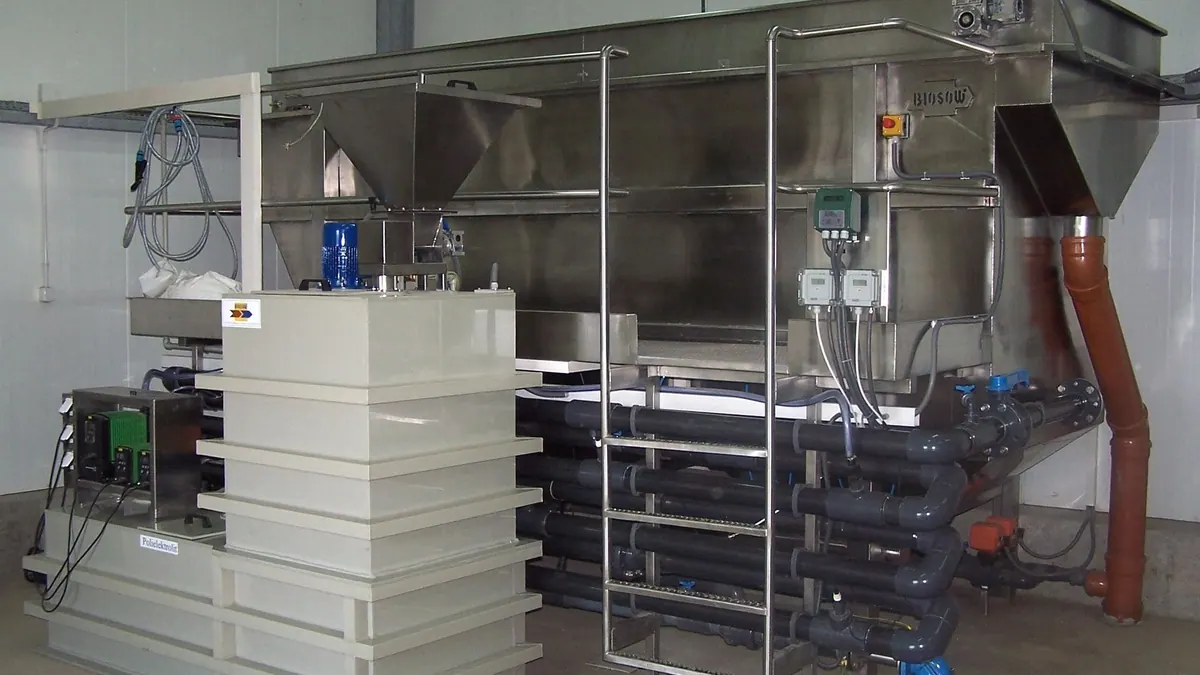
Flotation sludge (DAF skimmings) — BMP: 3 studies, weighted mean 600 m³ CH₄/t VS
600 m³ CH₄/t VS weighted mean from 3 studies
neutral — editorial rating for biogas plants≈61 %
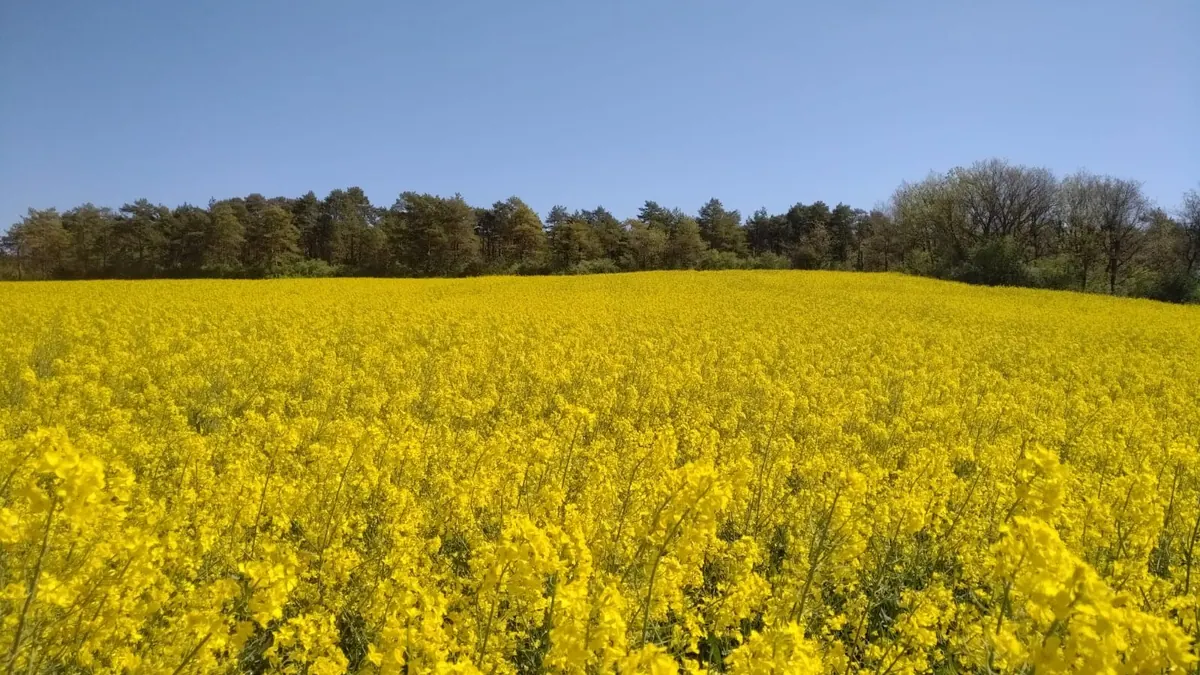
Vegetable oil (rapeseed, sunflower) — BMP: 4 studies, weighted mean 777 m³ CH₄/t VS
777 m³ CH₄/t VS weighted mean from 4 studies
≈63 %
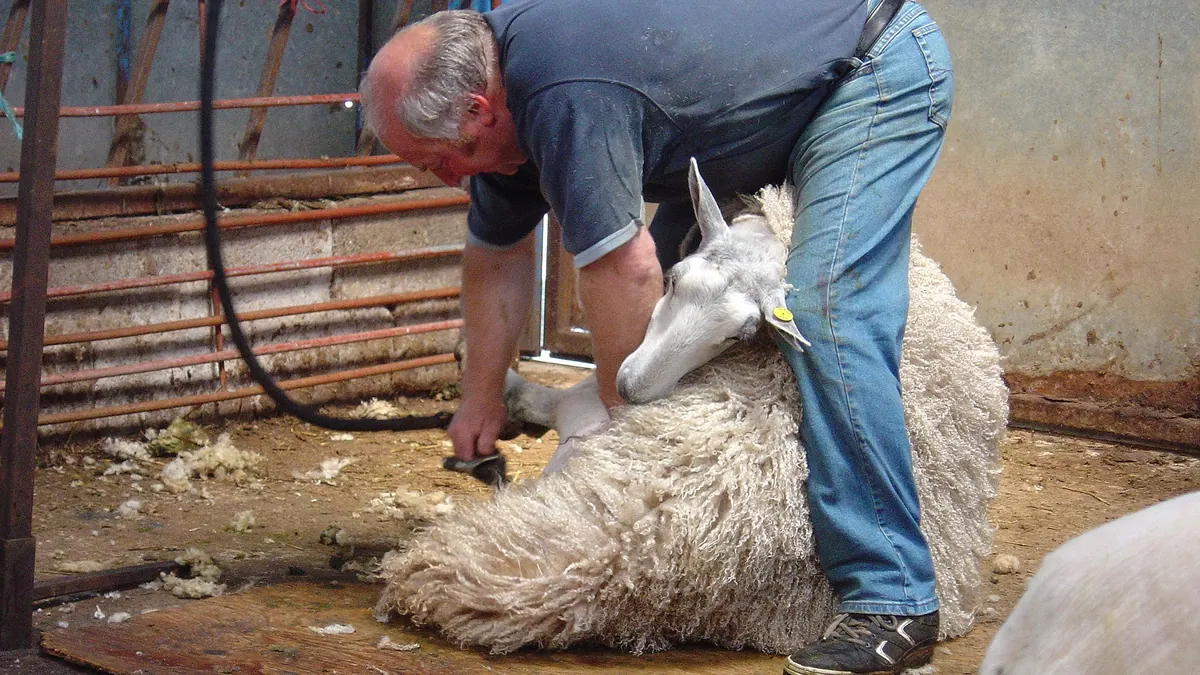
Raw sheep wool — BMP: 3 studies, weighted mean 37 m³ CH₄/t VS
37 m³ CH₄/t VS weighted mean from 3 studies
≈58 %