
Digestate and fertilisersExplainer
Digestate for winter and spring wheat: timing, form of nitrogen and restrictions
Digestate for wheat: when to apply it, how to limit nitrogen losses and what restrictions arise from the nitrates programme and the status of digestate.
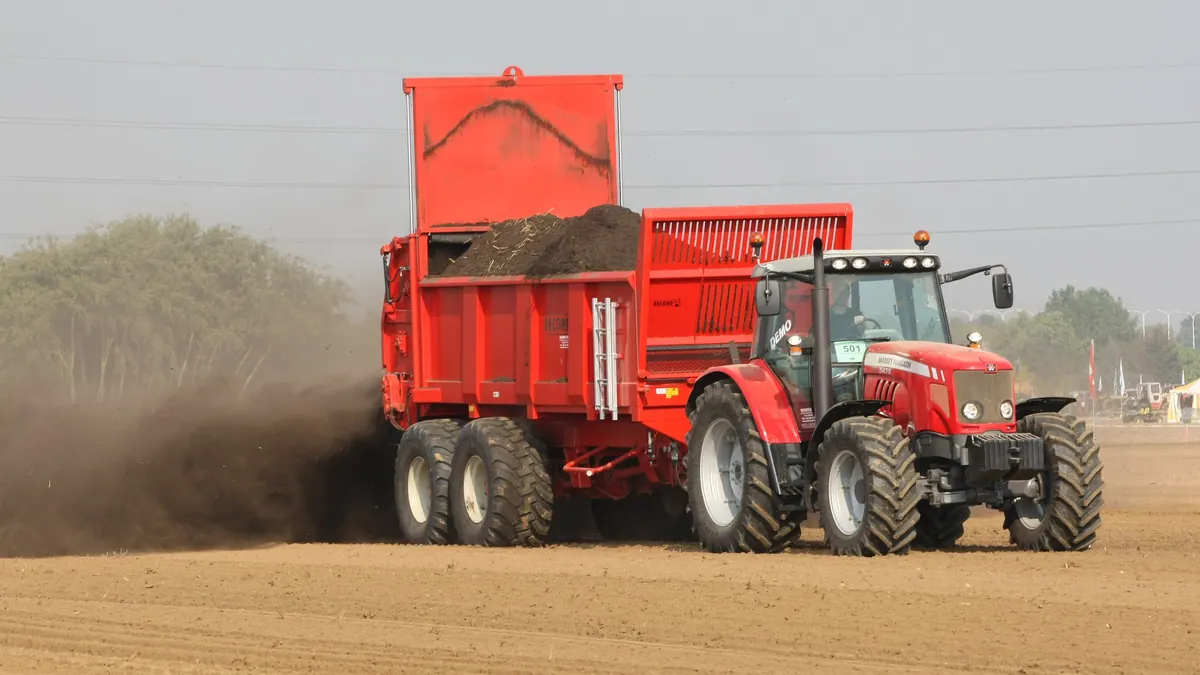

Digestate for wheat is used mainly as a source of quickly available nitrogen before sowing (spring wheat) or in spring at the start of vegetation (winter wheat), after a prior analysis of its composition and in compliance with the deadlines and limits in the regulations. Autumn fertilisation for winter wheat is usually not agronomically worthwhile, because the crop then takes up little nitrogen, and winter favours losses.
What digestate contains
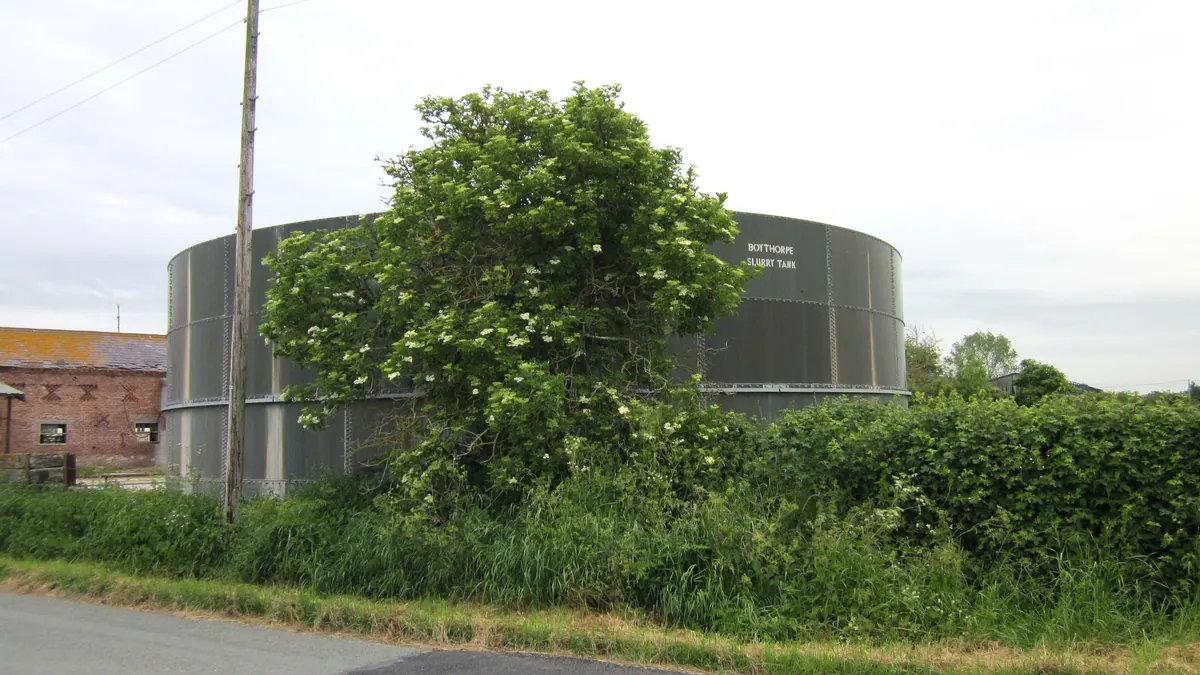
In digestate a significant part of the nitrogen occurs as ammonium nitrogen, available to plants immediately after application. The rest is organically bound and is released gradually. Digestate also contains phosphorus, potassium, sulphur and micronutrients, but the proportions depend on the substrates and the process. Doses are therefore determined from an analysis of the specific batch, not from a literature average. Dry matter content and pH affect losses: a higher pH increases ammonia volatilisation. We write more about storage and application in the text Storage and application of digestate.
Winter wheat
Winter wheat germinates in autumn and forms only a small amount of biomass before winter, so it takes up little nitrogen. Ammonium nitrogen applied in autumn undergoes transformations in the soil (nitrification) and may be leached below the root zone before the crop uses it. For this reason digestate usually makes more sense:
- in spring, at the start of vegetation, as the first dose of nitrogen,
- in split doses, in line with the growth stages (tillering, stem elongation),
- supplemented with mineral nitrogen where precision is needed, for example when aiming for a high grain protein content.
Autumn application of digestate to winter wheat, if it comes into question at all, requires checking the permitted deadlines in the nitrates programme and the agronomic justification. We describe the deadline restrictions for natural and organic fertilisers in the text on the nitrates programme; before application the current wording of the programme must be checked.
Spring wheat
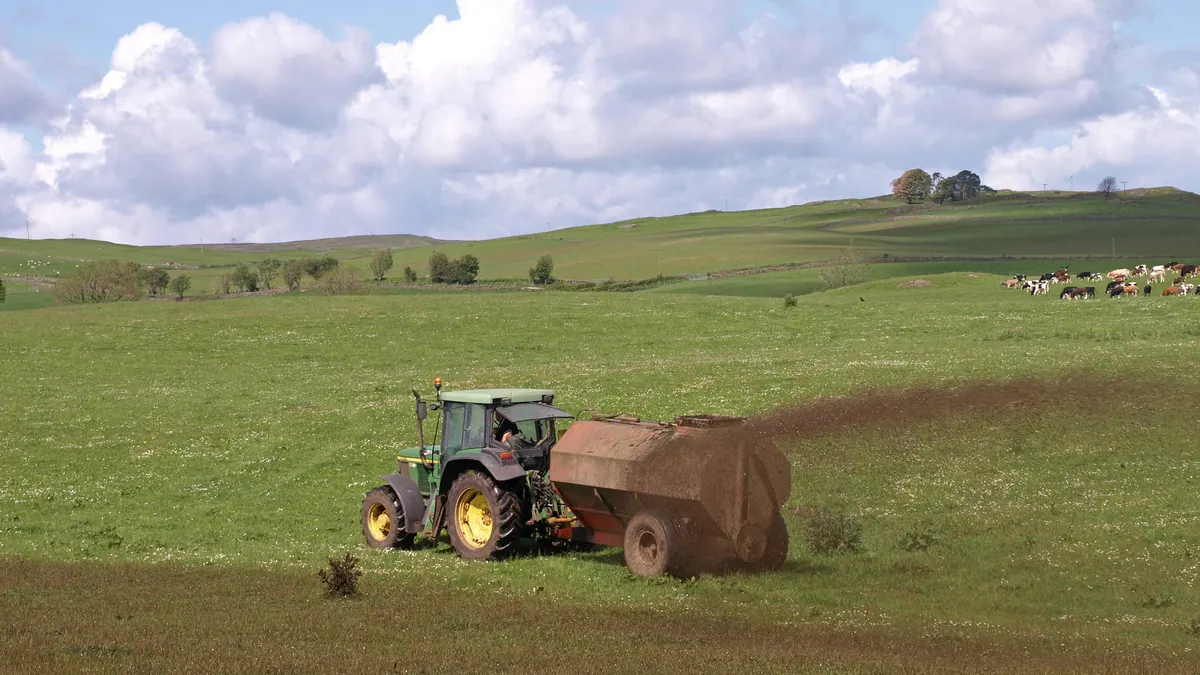
Spring wheat has a shorter growing season, and its nitrogen demand begins early, so digestate works before sowing, as basal fertilisation. What is crucial is quick mixing into the soil (injection or a disc harrow immediately after spreading), which limits ammonia losses. Soil condition must be borne in mind: heavy equipment on a wet field compacts the soil, and that does more harm than the fertiliser does good.
Techniques that reduce losses
| Technique | Effect |
|---|---|
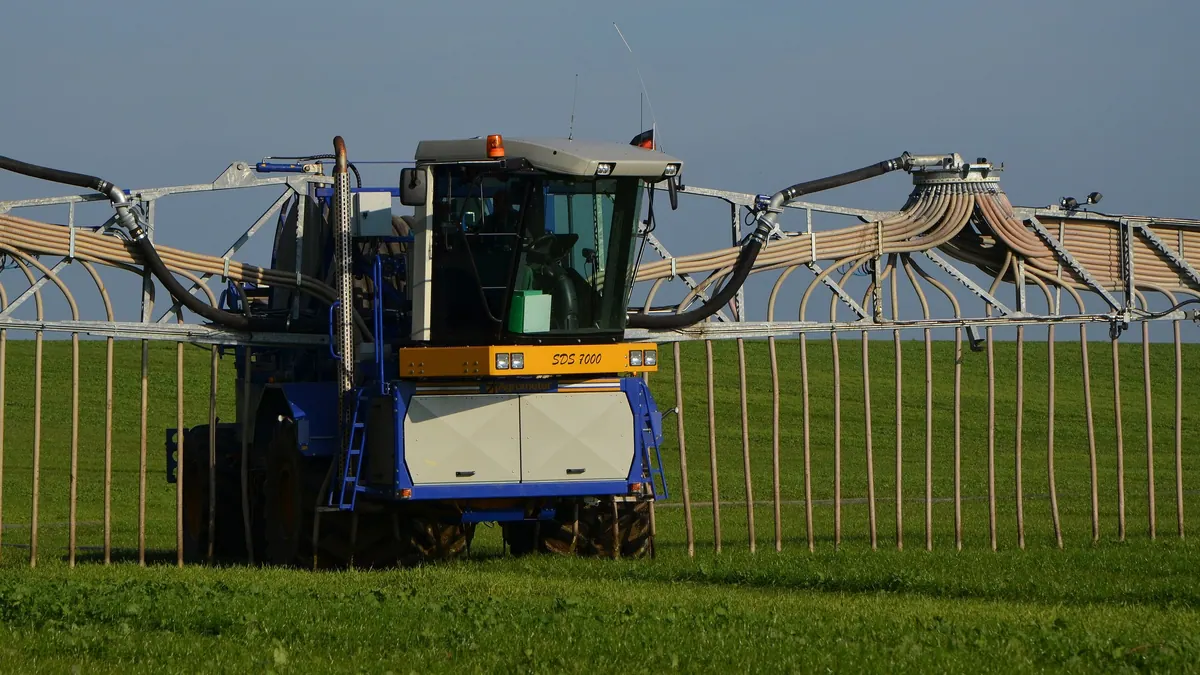
| Application with trailing hoses or by injection | Less ammonia than splash-plate spreading |
| Rapid ploughing in or mixing | Limits volatilisation |
| Application on a cool, overcast day | Lower gaseous losses |
| No application on frozen, waterlogged or snow-covered soil | No surface runoff |
| Keeping distances from watercourses and buildings | Regulatory and neighbourly requirement |
Effect on soil structure and yield
Digestate supplies organic matter, but the liquid fraction contains little of it compared with manure, so its main task is fertilisation, not improving humus. For spring spreading the timing matters: soil that is too dry or too wet takes up the fertiliser poorly, and ruts left by heavy equipment limit yield. Wheat responds to evenness of distribution, so working width and spreader calibration matter. On fields with a steep slope and near water, surface runoff is a risk regardless of the timing.
How to avoid typical mistakes
- Fertilising without an analysis: a dose "by eye" leads to a shortage or to exceeding the limit.
- Applying digestate too late (for example at the heading stage), when the ability to take up nitrogen is falling and the risk of leaving an excess in the soil is rising.
- Failing to take into account nitrogen from the preceding crop (for example oilseed rape or legumes) and from crop residues.
- Leaving out the phosphorus and potassium from digestate in the nutrient balance.
- Spreading on soil that is frozen, waterlogged or snow-covered.
Legal restrictions
The application of digestate is subject to the Act on Fertilisers and Fertilisation (ustawa o nawozach i nawożeniu) and to the nitrates programme, which sets, among other things, the limit of 170 kg N/ha per year from natural fertilisers, and the deadlines and conditions of application. Whether digestate is a fertiliser, an organic fertiliser, waste or a by-product depends on its origin and the procedure; this affects the requirements for application and documentation. We describe the legal routes in the text Digestate: fertiliser or waste. Areas particularly vulnerable to pollution by agricultural nitrogen have additional requirements.
Dose and balance
The dose is determined from the balance: the wheat's nitrogen requirement minus nitrogen from the soil and the preceding crop, supplemented by the share of nitrogen from digestate that is available in the year of application. The whole is subject to legal limits. Yield and grain quality confirm whether the plan was right; it is worth keeping records of digestate batches, dates and doses.
Sources
Related articles