
Technology and operationExplainer
How iron chloride works in a biogas plant: mechanism, side effects and limits of use
Iron compounds bind hydrogen sulphide in the digester as sparingly soluble sulphides. How it works, what side effects it has on the process and why the dose is set on the basis of measurements.
Other language versions: Polski, Deutsch, Español, Français, Italiano, Nederlands.
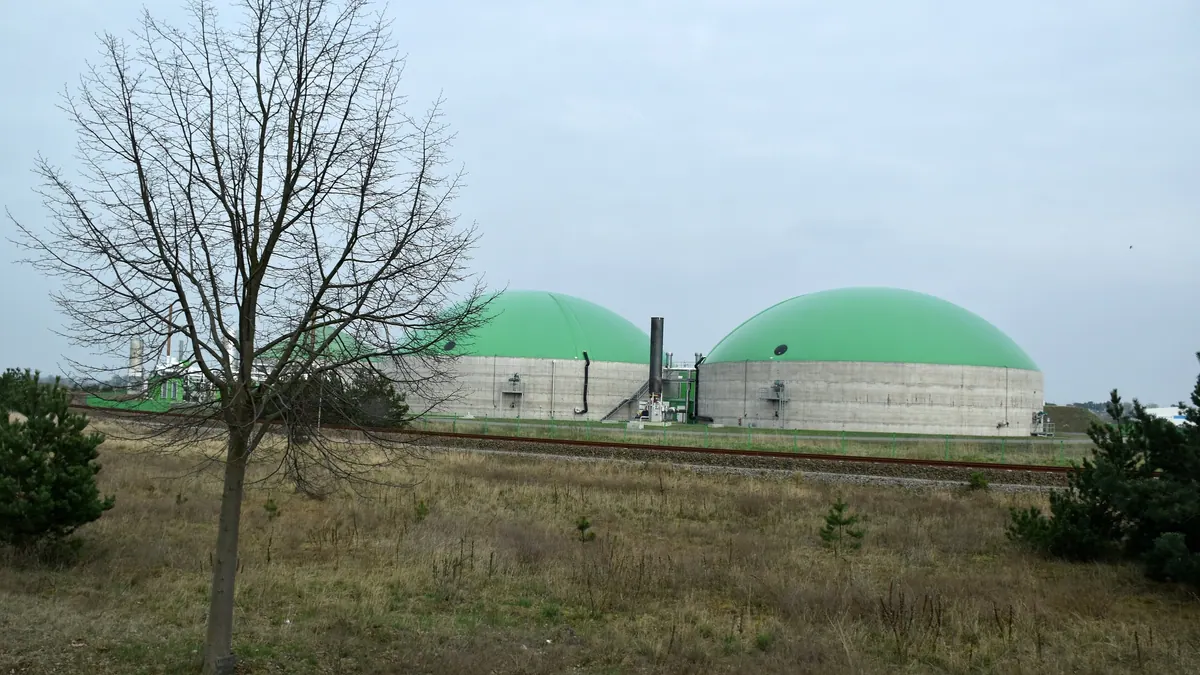
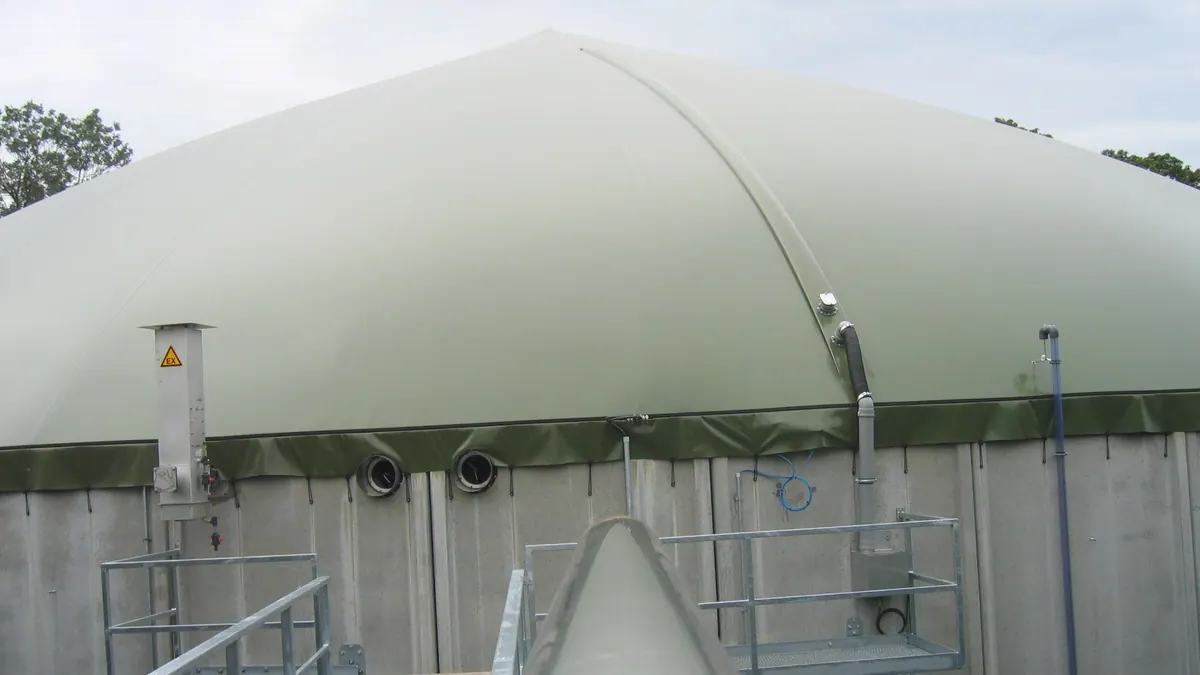
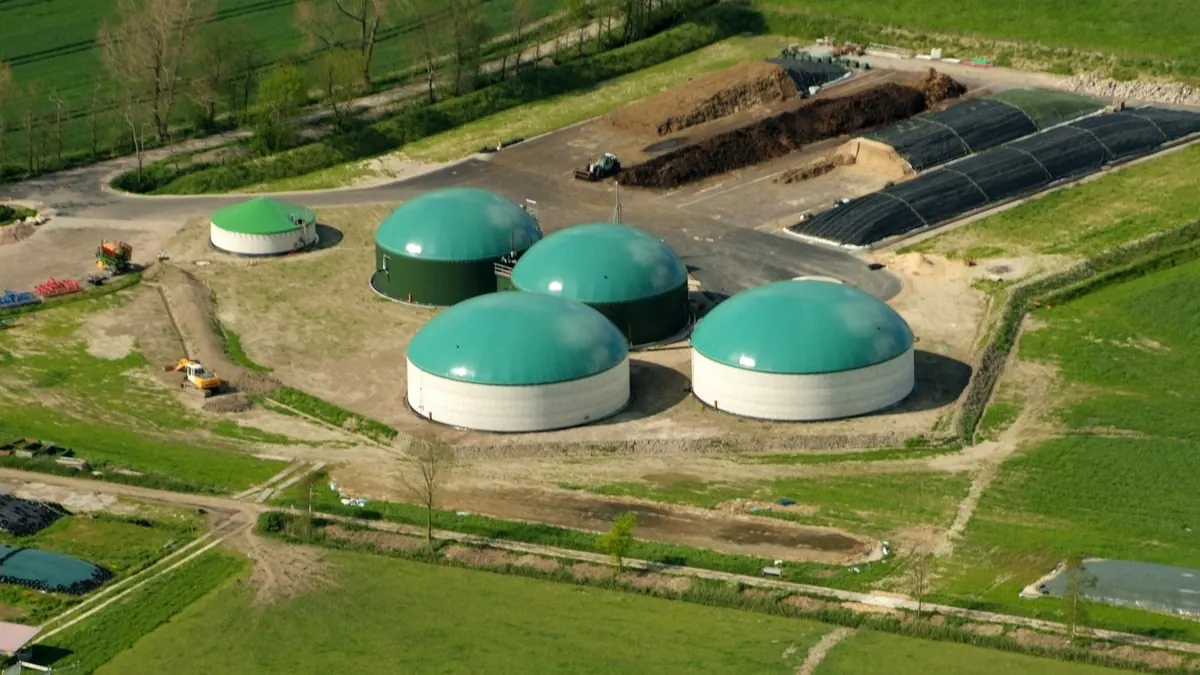
Iron chloride is used at a biogas plant to bind hydrogen sulphide (H₂S) already in the digester: iron ions react with sulphides and form sparingly soluble iron sulphide, which stays in the digestate instead of passing into the biogas. As a result the H₂S content of the gas falls, which protects the CHP engine, the treatment systems and the installation against corrosion. The method is simple in principle, but it has side effects, so the dose and method of use are set on the basis of measurements, not a template.
Where H₂S comes from
Hydrogen sulphide is formed in the fermentation process from proteins (sulphur-containing amino acids) and from the reduction of sulphates by bacteria. The more sulphur in the substrates, the more H₂S; details of the sources and the effect on the process are in the article Hydrogen sulphide in the digester. H₂S is toxic, corrosive and inhibits methanogenesis, and on combustion it forms sulphur oxides.
Mechanism
In the digester, in an anaerobic environment, sulphides react with iron ions:
- Fe²⁺ ions form iron(II) sulphide (FeS) with S²⁻, which precipitates as a sediment;
- Fe³⁺ ions (from iron(III) chloride) are first reduced to Fe²⁺ by sulphides, with part of the sulphides being oxidised to elemental sulphur; only the Fe²⁺ formed then creates FeS.
In theory, at least one mole of iron is needed to bind one mole of sulphides (more for Fe³⁺, because part of the iron is first reduced to Fe²⁺ at the expense of sulphides); in practice consumption is higher, because iron also reacts with other components of the environment (phosphates, carbonates, organic matter), and part of the sulphur occurs in forms that are harder to bind. The actual requirement is therefore established experimentally, on the basis of changes in H₂S in the biogas and analyses, within the plant's policy.
Side effects
| Effect | Explanation |
|---|---|
| Acidity of the solution | An FeCl₃ solution is strongly acidic; in the large volume of a digester with a buffer the pH usually changes little, but local dosing points may be at risk |
| Chlorides | They increase salinity and can accelerate the corrosion of stainless steel, especially at elevated temperature |
| Binding of phosphates | Iron precipitates phosphates, which reduces the amount of plant-available phosphorus in the digestate |
| Binding of trace elements | Iron sulphides and an excess of sulphides precipitate cobalt, nickel and other trace elements; see Trace elements |
| Sludge | Increases the amount of sediment in the tanks |
| Change in digestate colour | Black iron sulphide colours the sludge and the digestate |
Why dosing "by eye" is not enough
The variability of the sulphur content of substrates means that the iron requirement changes. Too little gives no effect, too much raises costs and side effects. For this reason H₂S is measured (continuously or periodically) and dosing is adjusted to the results, while pH, VFA and, over a longer period, the composition of the digestate are monitored. Changes in the system should be introduced gradually and documented.
Alternatives and complements
- Biological desulphurisation in the digester with the addition of air; see Biological desulphurisation.
- Filters with activated carbon or iron oxides on the gas.
- Changing the structure of substrates to limit sulphur.
- A combination of methods: initial reduction of H₂S in the digester and polishing on a filter.
The choice depends on the sulphur content, the requirements for the gas (CHP or upgrading; see Biogas pretreatment), costs and the effect on the digestate.
Safety when working with chemicals
Iron(III) chloride in solution is a caustic and corrosive substance. Tanks, dosing pumps, pipes and fittings must be made of resistant materials; the supplier's safety data sheet, personal protective equipment, manifold guards and unloading procedures apply. The solution must not come into contact with substances with which it reacts dangerously. The rules of conduct are set by the site's instructions and the risk assessment; this article gives no doses or dosing procedures.
Effect on the digestate
Digestate with added iron has more iron and less readily available phosphates. For fertilisation this matters when planning the phosphorus balance; see Storage and application of digestate. The content of chlorides and iron is taken into account in the analysis of the digestate.
What to observe after introducing iron
After starting to use iron compounds, it is worth observing several indicators: the H₂S content of the biogas before and after the treatment system, pH and VFA in the digester, the content of phosphates and trace elements in digestate analyses, and the condition of the fittings at the dosing point. This helps to assess whether the benefit of less H₂S is not bought at the price of a deficiency of nutrients for the biocenosis. The results are compiled in the operating log, which makes later optimisation easier.
Sources
Questions and answers
Does ferric chloride replace biological desulphurisation?
Not always. Dosing iron into the digester reduces the amount of H₂S in the biogas, but it is often used in combination with other methods or as a supplement, because chemical consumption and costs depend on the sulphur content of the substrates.
What are the safety rules for working with ferric chloride?
The substance is corrosive and acts as a corrosive agent, so the supplier's safety data sheet, personal protective equipment, corrosion-resistant tanks and fittings, and the procedures in the site instructions apply. The work is carried out by trained persons.