InnovationAnalysis
RENURE from a biogas plant perspective: JRC criteria and what may change for digestate
RENURE is nitrogen fertilisers recovered from manure that may go beyond the 170 kg N/ha limit. We analyse the JRC criteria, the qualifying processes and the consequences for biogas plants.
Other language versions: Polski, Deutsch, Español, Français, Italiano, Nederlands.

The Nitrates Directive limits the nitrogen dose from manure to 170 kg N/ha per year in nitrate vulnerable zones (NVZ). RENURE is a proposal to exempt from this limit nitrogen fertilisers recovered from manure, if their properties are close to those of mineral fertilisers. We write this as a technical analysis; the Commission's decision itself is described in the news item The Commission adopts an amendment to the Nitrates Directive: RENURE, which we do not repeat.
What RENURE is
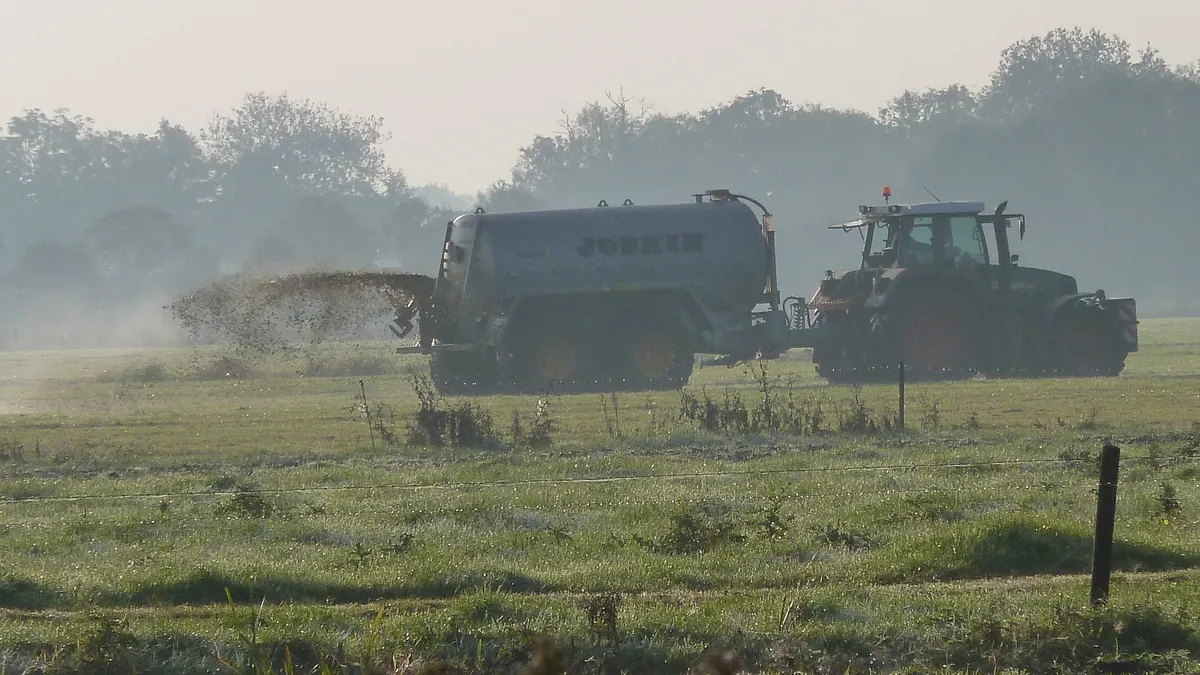
The name is an abbreviation of REcovered Nitrogen from manURE. It concerns products in which nitrogen has been separated from manure, slurry or their fractions (including digestate from biogas plants) and whose composition is defined. What distinguishes them from slurry itself is that the nitrogen is mainly in mineral form, available to plants as quickly as in industrial fertilisers, and the amount of organic carbon is small. For this reason the leaching risk and use can be compared with a mineral fertiliser, which is not subject to the 170 kg N/ha limit for manure.
To recall the background: the Nitrates Committee voted on the proposal in September 2025, and the Commission adopted the amendment to Annex III of the directive on 9 February 2026. Member States are not obliged to apply it; it is up to them to introduce it into national law, on conditions approved by the Commission.
JRC criteria
The technical grounds were developed in the JRC report of 2020 (a team led by Huygens), which proposes criteria for processed manure so that it can be treated like a mineral fertiliser. They can be grouped as follows:
- share of mineral nitrogen in total nitrogen — very high, because it is what provides availability similar to mineral fertilisers,
- a low ratio of organic carbon to nitrogen, which means little organic matter that could mineralise and release nitrogen with a delay,
- limits for heavy metals and other contaminants present in manure (e.g. copper and zinc from feed additives),
- requirements for the production method and batch documentation.
The exact numerical thresholds are contained in the report itself and in the Commission act; we do not quote them from memory in the text, so as not to mislead. Before planning an investment, they should be checked in the current act.
Which processes may qualify
According to the JRC analysis, the technologies that qualify are those that lead to concentrated, mineral nitrogen:
- Stripping and absorption — ammonia stripped from digestate is bound in solution (e.g. sulphuric acid gives ammonium sulphate), cf. ammonia stripping from digestate.
- Membranes — reverse osmosis gives a concentrate rich in mineral nitrogen, see membrane treatment of the liquid fraction.
- Evaporation — concentration by heating, often using heat from cogeneration.
Digestate itself, even after separation, usually does not meet the criteria, because it contains organic matter and part of the nitrogen in organic form. The essence is therefore the additional recovery stage.
Who will benefit
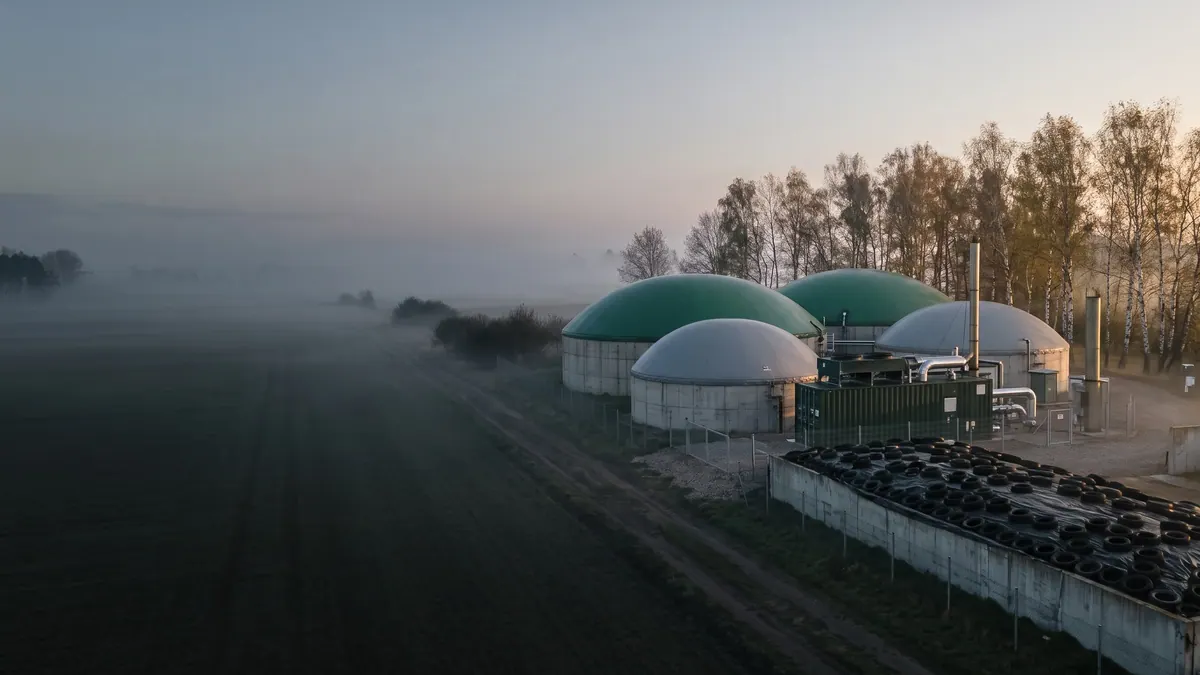
The greatest potential is at a biogas plant in an area with nitrogen dosing restrictions, with a large slurry stream and a digestate surplus. Neighbouring farms may also benefit, gaining access to a nitrogen fertiliser of predictable composition instead of buying mineral fertiliser. For a biogas plant this means potentially an additional product, but also additional costs, which we describe for each technology: energy, chemicals and operation.
This does not change the situation of installations that process mainly silage and have enough land; for them an investment in nitrogen recovery is not justified.
The 170 kg N/ha limit and RENURE
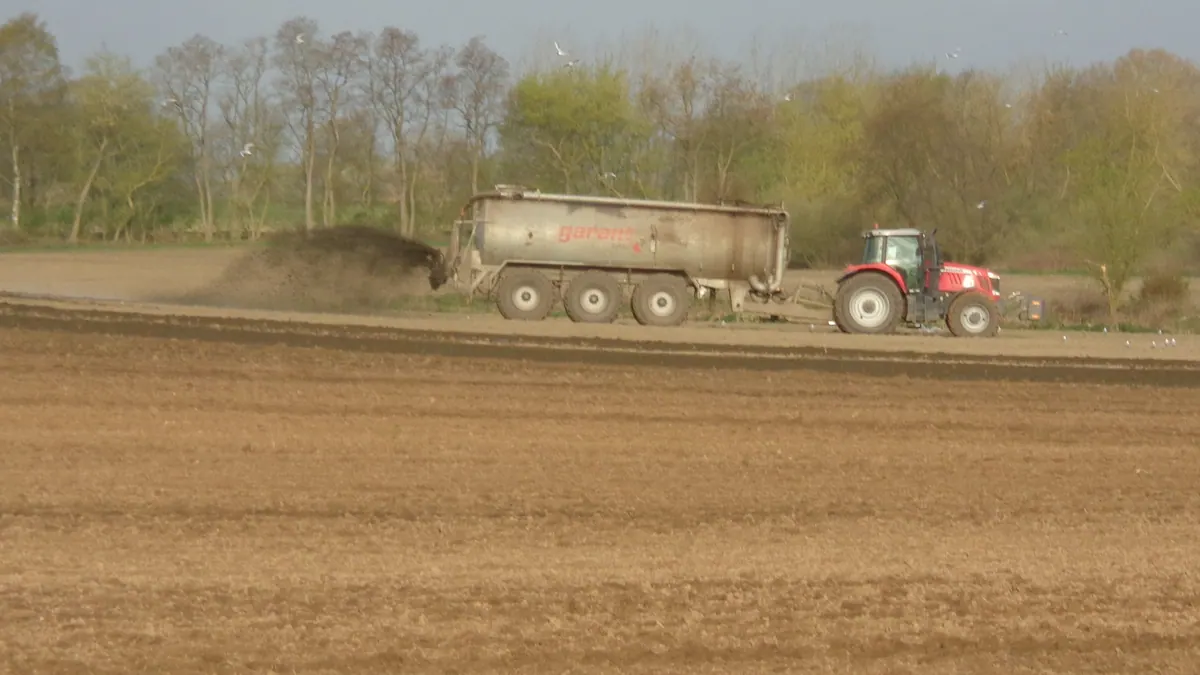
For manure, slurry and digestate containing animal excrement, the 170 kg N/ha limit remains. RENURE is an exception for a product that meets the criteria and has been produced in accordance with the regulations. In practice this means that the amount of nitrogen from RENURE applied above the limit must result from approved national rules, and the producer and the user must document the origin. The rules on limits and deadlines in Poland are described in the article on the nitrates programme and on applying digestate to fields.
Implementation status in Poland
As of February 2026, we have no confirmation that the RENURE rules have been introduced into national law. The change is optional: until Polish regulations take it into account, the existing limits and definitions apply. Check the current legal status before making an investment decision — this also applies to the status of the product under the regulations on fertilisers and waste.
Conclusions for the operator
- Do not plan an investment in nitrogen recovery solely on the basis of the EU decision itself; national implementation is key.
- If you are considering a technology, check with the supplier whether the product will actually meet the JRC criteria (composition, metals, documentation), and include this in the contract.
- Assess the technology according to the rules from the guide How to assess a new technology.
Sources
Related articles