
Technology and operationAnalysis
Biogas yield boosters: an overview of substrate pretreatment methods and what research says
Size reduction, extrusion, thermal and thermo-pressure treatment, cavitation, electrokinetic disintegration, enzymes and biological additives: how they work and what yield gains studies report.
Other language versions: Polski, Deutsch, Español, Français, Italiano, Nederlands.
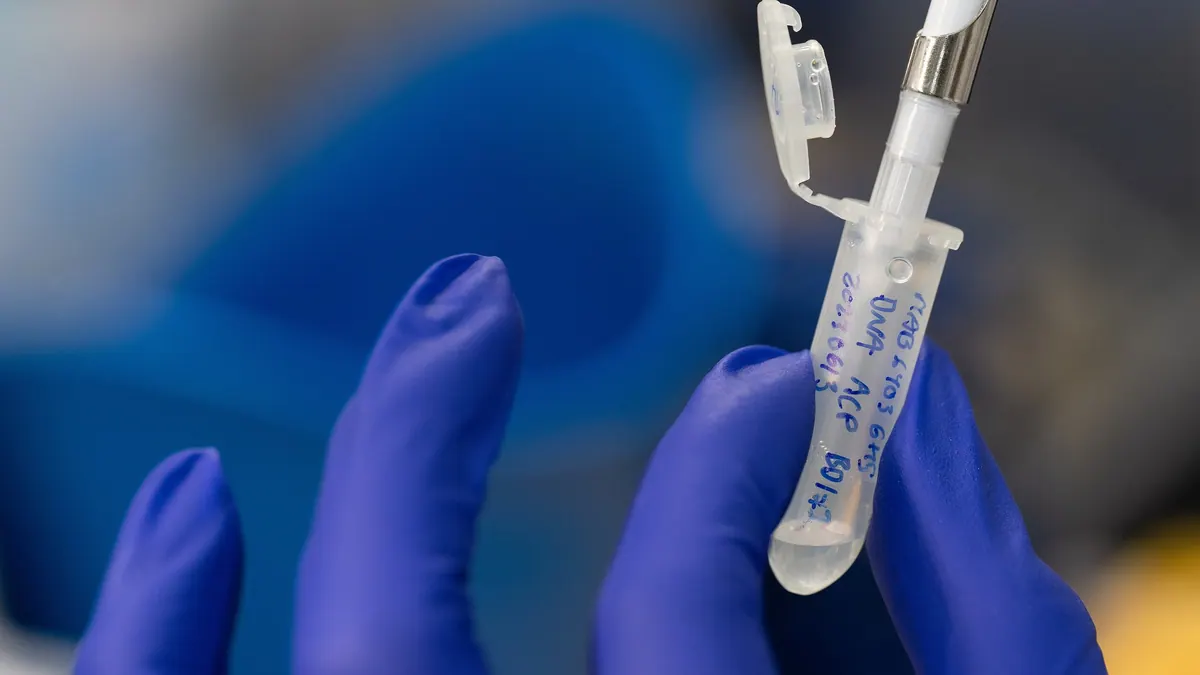

Substrate pretreatment has one aim: to increase the availability of organic matter to microorganisms before the substrate enters the digester. It makes most sense with fibrous and lignocellulosic substrates, because it is their structure, not a lack of components, that limits the yield. Studies show gains of from a few to several tens of per cent, but they must always be set against the energy used by the treatment, the cost of servicing and the scale of the plant. Values from manufacturers' brochures are claims, not the results of independent trials.
Why pretreatment works at all
Lignocellulosic substrate consists of cellulose, hemicellulose and lignin, joined into a structure that is hard for hydrolytic enzymes to reach. Methane fermentation starts with hydrolysis (see the four stages of fermentation), and it is hydrolysis that is sometimes the step limiting the rate and degree of breakdown. Pretreatment shortens particles, loosens the structure, dissolves some components or removes lignin. Literature reviews, including Carlsson et al. (2012) and Zheng et al. (2014), stress that effectiveness depends strongly on the type of substrate and the intensity of treatment.
Mechanical methods: size reduction and extrusion
Size reduction (shredders, mills, rippers) increases the specific surface area and makes mixing and pumping easier. It shortens the hydrolysis time, but with easily degradable substrates it does not significantly increase the final yield (see substrate size reduction and pumps with a macerator).
Extrusion is forcing material through a screw under pressure and at elevated temperature, with sudden expansion at the outlet, which tears the fibres apart. Hjorth et al. (2011) described methane yield gains for various fibrous materials; in studies on maize straw under Polish conditions (Kozłowski et al., 2019, International Agrophysics, DOI 10.31545/intagr/113548) extrusion increased biogas production by 7.5% and methane production by 8.5% (that is, the methane share in the biogas also rose), although the authors judged the use of an extruder in Polish conditions to be economically unjustified because of its high energy consumption. This shows the typical structure of the calculation: a positive yield gain does not mean a positive balance.
Thermal and thermo-pressure methods
Heating the substrate (usually to about 70 °C for hygienisation, and to 150–200 °C for thermal hydrolysis) dissolves some components and loosens cell structures. Thermo-pressure treatment, including sudden steam expansion (steam explosion), additionally tears the fibres. These methods are known mainly from sewage sludge and biowaste (see thermal hydrolysis). They require heat, pressure-resistant equipment and an assessment of side effects: at higher temperatures, hardly degradable compounds and inhibitors such as furfural and phenolic compounds can form, as well as Maillard-type reactions, which reduce the gain.
Cavitation
Hydrodynamic or ultrasonic cavitation produces bubbles whose collapse generates locally high pressures and shear forces. They break up flocs and cells, which works above all with sludges and materials with a high content of cell biomass. For agricultural substrates the data are more scattered, and the result depends on the design of the device, the contact time and the dry matter content.
Electrokinetic disintegration
Devices of this type subject the suspension to a high-voltage electric field, which according to manufacturers breaks up aggregates and colloids, lowers viscosity and facilitates enzymatic activity. An example is the BioCrack system (Vogelsang); the manufacturer claims an increase in biogas production of up to 18% at low energy demand, and this is a claim from the manufacturer's materials, not the result of independent studies. When assessing such a device (regardless of brand) it is worth asking for data from reference installations, for the method of gas measurement and for an energy balance, and then checking the effect with your own test.
Enzymes and biological additives
Enzyme preparations (cellulases, hemicellulases, proteases), microbial cultures and mineral additives (trace elements, iron, nickel, cobalt) affect the rate of hydrolysis and the stability of the process, and not always the final yield. Adding trace elements has a clear effect where they are lacking, e.g. in mono-digestion of silage, and little where the substrates (slurry) already supply them (see enzymatic treatment and additives). The rule is: first a diagnosis of whether something is lacking, then the additive.
Chemical and biological treatment
Adding alkalis (e.g. hydroxides) or acids dissolves lignin and hemicellulose. In laboratory studies on rice straw chemical treatment gave high gains (see rice straw: chemical treatment), but at farm scale the cost of chemicals and the handling of digestate with a changed composition come into play. Biological treatment (fungi, cellulolytic bacteria) is gentler, but slower (see biological treatment with microflora).
Summary
| Method | Main mechanism | Substrates where it makes sense | Main limitation |
|---|---|---|---|
| Size reduction | smaller particles | fibrous, solids | small effect on the final yield of easy substrates |
| Extrusion | tearing of fibres | straw, grasses, fibrous fractions | energy and screw wear |
| Thermal, thermo-pressure | loosening of the structure | sludges, biowaste, lignocelluloses | heat, inhibitors at high temperatures |
| Cavitation | shear forces | sludges, cell biomass | little data for agricultural substrates |
| Electrokinetic | breaking up of aggregates | liquid mixtures | data mainly from manufacturers |
| Enzymes, additives | faster hydrolysis, supplying missing components | substrates with deficiencies | the effect depends on the diagnosis |
| Chemical | lignin removal | straws | cost of chemicals, digestate composition |
How to read claims of gains
- Is the gain given relative to the same substrate without treatment, in the same test?
- Is it a BMP result (a one-off trial) or continuous fermentation in a reactor?
- Does the balance include the electrical and thermal energy of the treatment?
- Does the gain persist with a longer retention time, or does it concern only the initial phase of production?
- Has an independent institution confirmed the result?
The same rule applies to assessing each of these methods: first a BMP test of the substrate before and after treatment (see BMP test protocol), then the energy balance of the machine, and only at the end the investment decision.
Sources
- Carlsson, Lagerkvist, Morgan-Sagastume (2012), The effects of substrate pre-treatment on anaerobic digestion systems: A review — Waste Management
- Zheng, Zhao, Xu, Li (2014), Pretreatment of lignocellulosic biomass for enhanced biogas production — Progress in Energy and Combustion Science
- Hjorth, Gränitz, Adamsen, Møller (2011), Extrusion as a pretreatment to increase biogas production — Bioresource Technology
Questions and answers
Does every pretreatment increase biogas yield?
No. The effect depends on the substrate: with fibrous material, e.g. straw, the increase can be clear, and with easily degradable material (silage, kitchen waste) small or none. Treatment can also lower the energy balance if the machine uses more energy than the additional gas provides.
How can you check whether pretreatment works?
By comparing the results of a BMP test of the substrate before and after treatment, in replicates and with a cellulose control, and then a plant-scale trial with measurement of gas and machine energy. A laboratory result alone is not enough, because in the digester HRT and biomass adaptation come into play.
Related articles